Redondo Castle
Redondo Castle, locally known as Castelo de Redondo, stands prominently in the town of Redondo within Portugal's Alentejo Central region. This hill castle occupies a strategic position atop a hill about 300 meters above sea level on the southern slope of the Serra d’Ossa, commanding expansive views over the surrounding plains. Its location and fortifications underscore its historical role in regional defense and administration.
The site of Redondo Castle has a long history of occupation, beginning with a Roman fortress that originally established the strategic importance of this height in the Alentejo plain. The medieval castle's foundations were laid upon these Roman ruins, reflecting a continuity of military and administrative use. In 1250, King Afonso III of Portugal granted a charter (foral) to the settlement of Redondo and ordered the construction of a new castle to secure the area, marking the beginning of the medieval fortification phase.
The medieval origins and royal charters
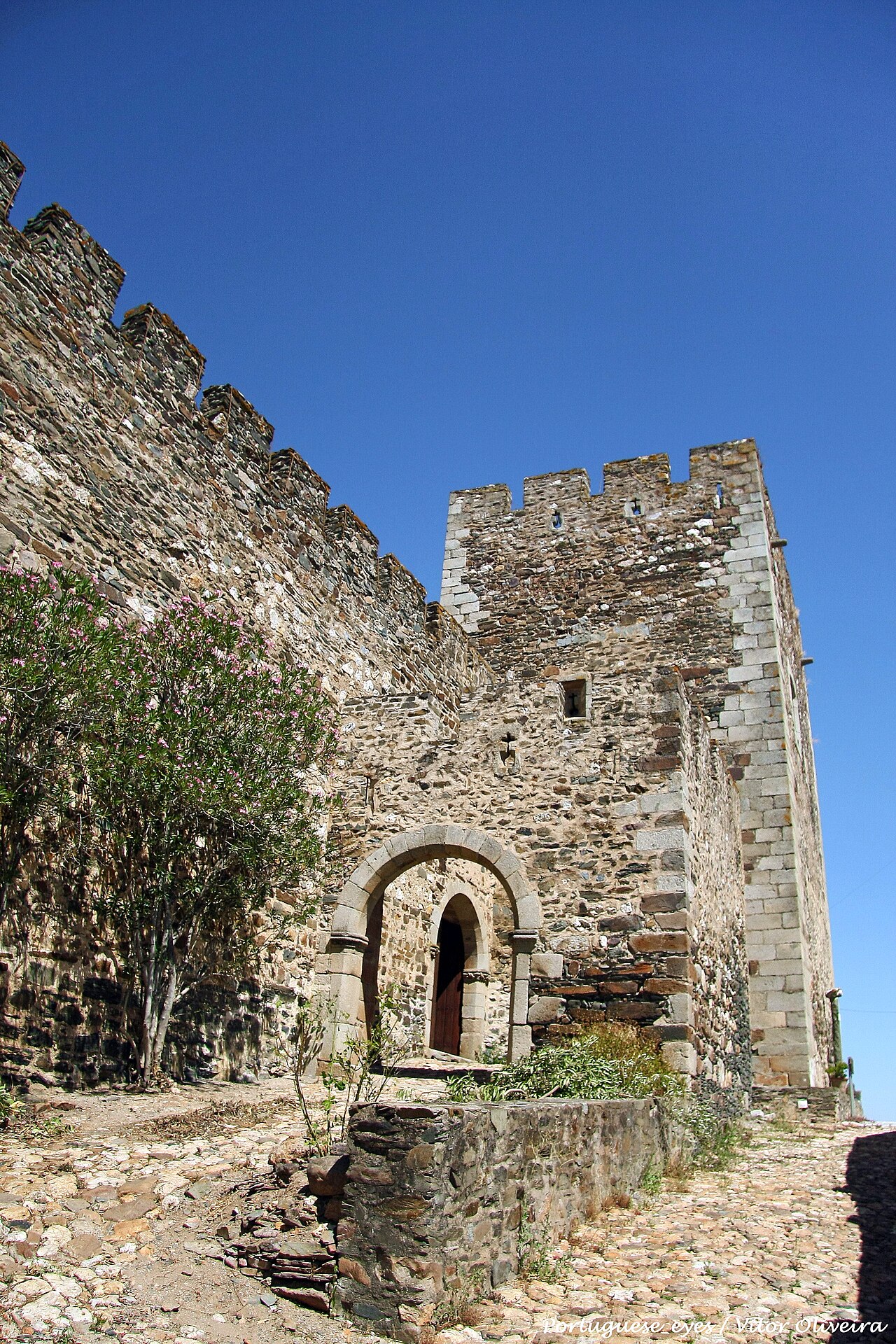
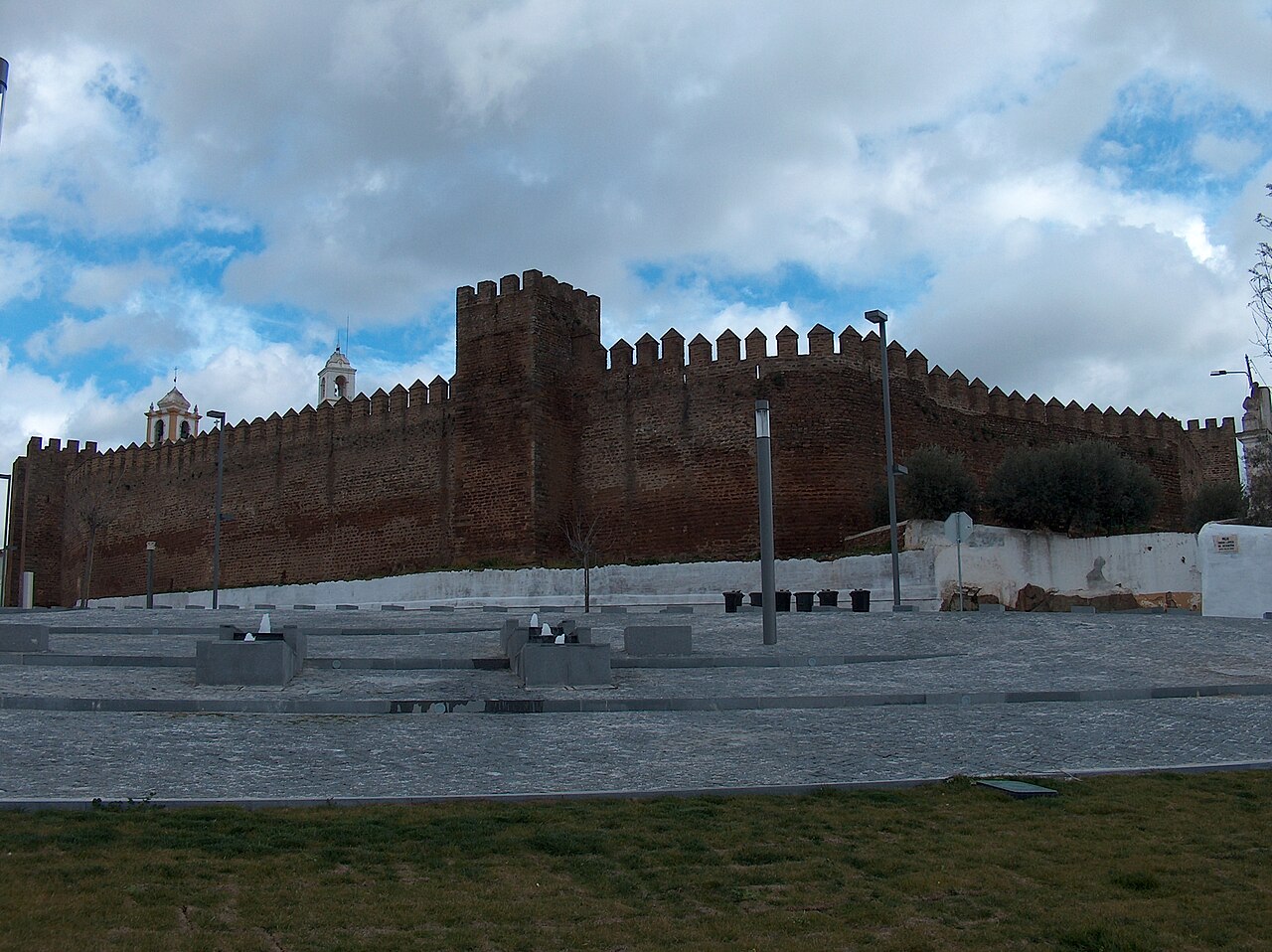
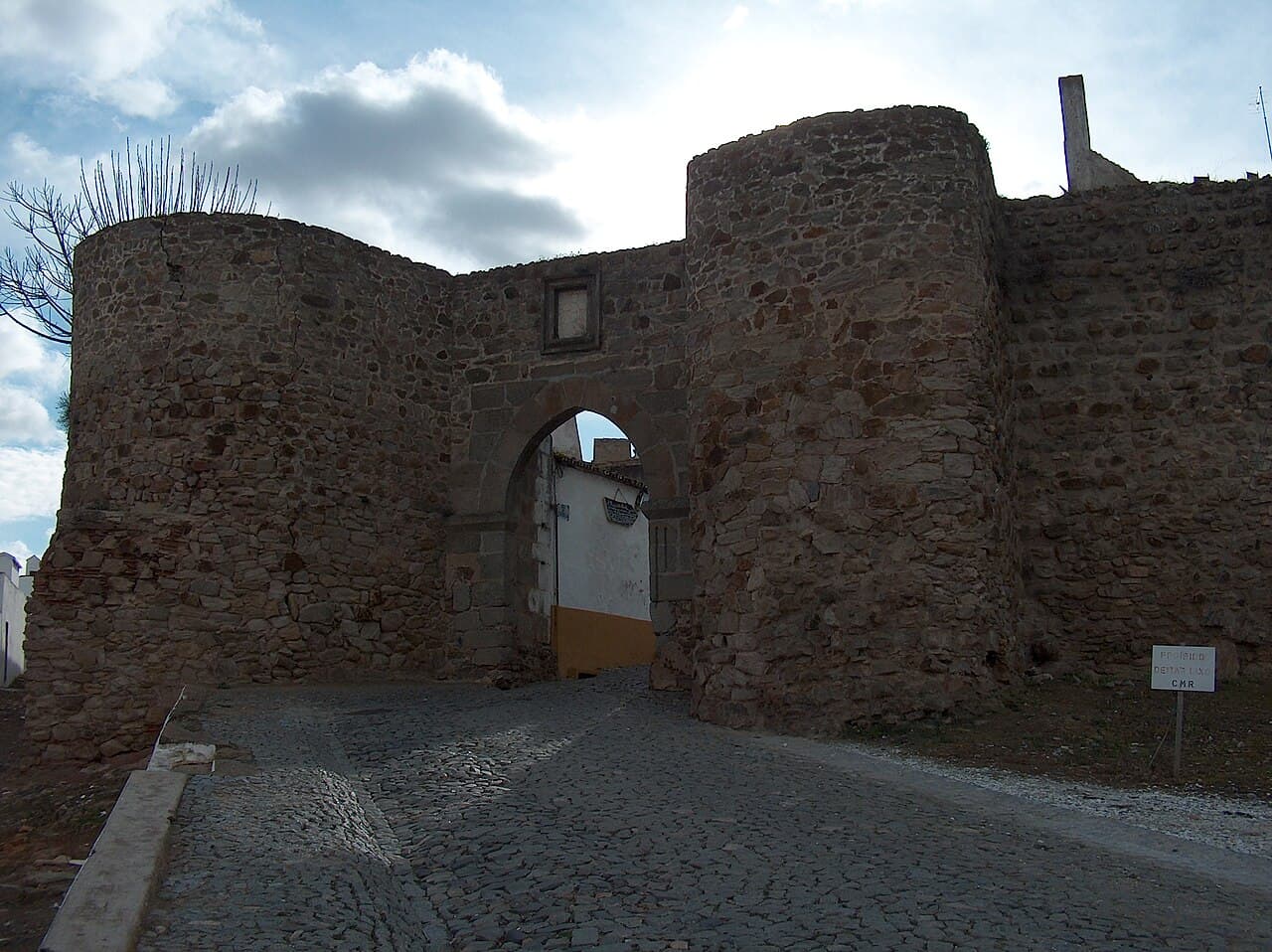
The castle's medieval development intensified during the reign of King Denis of Portugal (Dinis I), who in 1312 undertook significant reconstruction of the fortress. This phase introduced an irregular oval plan to the castle, featuring two main gates: one in the northeast corner known as the Porte da Ravessa or do Sol, and another in the southwest corner called the Porta do Postigo (also referred to as Relogio after a clocktower was added to one of its towers). A central feature was the Torre de Alcaidaria, a tower positioned in the middle of the southeast curtain wall that served as the castle's keep.
King Denis reaffirmed Redondo's charter in 1318, reinforcing the settlement's legal and administrative status. During this period, the castle was part of a network of fortifications protecting the northern Alentejo region, alongside other significant strongholds like Estremoz, Monsaraz, and Portel. Together, these castles formed a defensive line safeguarding the important city of Évora and the surrounding territories.
15th-century transformations and Manueline influences
By the 15th century, the original Torre de Alcaidaria had fallen into disrepair. During the reign of King John II of Portugal in the late 1400s, a new slender D-shaped keep was constructed in the middle of the northwest curtain wall, replacing the older tower and enhancing the castle's defensive capabilities. This new keep is notable for its elegant design and strategic placement within the curtain walls.
King John I also played a role in elevating Redondo's regional importance. In 1418, he granted special privileges to the castle and decreed that all travelers moving between Alandroal and Vila Viçosa should pass through Redondo, encouraging commerce and strengthening the town's position in the region.
At the turn of the 16th century, King Manuel I issued a new charter for Redondo in 1516 and included the castle in a royal donation to Vasco Coutinho, the first Count of Redondo and captain of Arzila. This period saw architectural updates reflecting the Manueline style, a distinctive Portuguese late Gothic style characterized by intricate stonework and maritime motifs, which were incorporated into parts of the castle's structure.
Architectural features and layout
The castle's fortifications primarily date from the early 14th and 15th centuries, constructed from robust stone masonry. The curtain walls form an irregular oval perimeter, punctuated by several towers and two main gates. The Ravessa Gate, the main entrance, is distinguished by a royal coat-of-arms carved above it alongside an inscription plaque, symbolizing the castle's official status.
The 15th-century D-shaped keep is a focal point of the castle's defenses. It was restored in the 20th century and features a commanding presence within the northwest curtain wall. Inside the castle enclosure, there are remnants of residential buildings integrated into the medieval walls or built along adjacent rocky ledges. These structures exhibit traditional Alentejo architectural elements, such as whitewashed walls, rectangular chimneys, and ochre and blue painted accents.
Surrounding structures and town integration
Near the keep tower are important ecclesiastical and charitable buildings, including the Hospital of Santa Casa da Misericórdia do Redondo and the parochial church of Nossa Senhora da Anunciação. These institutions reflect the castle's role not only as a military fortification but also as a center of community life.
Later history and preservation efforts
By the 18th century, the castle precinct included remains of a palace belonging to the Counts of Redondo, attesting to the noble family's influence in the area. In the 20th century, the castle underwent several restoration campaigns to preserve its structure. The Directorate-General for National Buildings and Monuments (DGEMN) began restoration work in 1920, focusing on the keep tower and curtain walls.
Between 1940 and 1950, the castle's keep was repurposed as an isolation center for tuberculosis patients, serving as an annex to the local hospital. Subsequent decades saw ongoing conservation efforts to maintain the masonry, wooden doors, and windows, as well as repairing the castle's defensive features.
Since 1946, Redondo Castle's walls and keep tower have been officially classified as a National Monument of Portugal, recognizing their cultural and historical significance. Today, the castle is freely accessible to visitors, although the interior of the keep is not open to the public. The site remains a quiet, charming example of a late medieval hill castle with rich historical layers and architectural interest.
Visiting Redondo Castle
Visitors to Redondo Castle can explore the well-preserved curtain walls, gates, and towers, enjoying panoramic views of the Alentejo countryside. The castle's peaceful rural setting offers a glimpse into Portugal's medieval past, enhanced by the surrounding town's traditional architecture and cultural landmarks.
While access to the keep tower's interior is restricted, the castle grounds provide ample opportunity for historical exploration and photography. Nearby attractions include the town's historic center, local museums, and religious sites, making Redondo Castle a worthwhile destination for those interested in Portuguese history and medieval fortifications.
Frequently asked questions (FAQ)
- What is the historical significance of Redondo Castle?
- Redondo Castle, located in the picturesque town of Redondo, Portugal, dates back to the 13th century and played a crucial role in the defense against invasions during the Middle Ages. Its well-preserved structures and strategic location highlight its importance in the region's history, making it a fascinating site for history enthusiasts.
- When was Redondo Castle built?
- Construction of Redondo Castle began in 1250 under the reign of King Afonso III of Portugal. The castle was built to protect the area from external threats and has undergone several renovations over the centuries, allowing visitors to glimpse its medieval architecture.
- Can I visit Redondo Castle?
- Yes, Redondo Castle is open to the public for visits. Guests can explore the castle grounds, enjoy the stunning views of the surrounding landscape, and learn about its rich history through informational displays.
- What are the opening hours for Redondo Castle?
- Redondo Castle is typically open to visitors from 9 AM to 6 PM, with extended hours during the summer months. It is advisable to check the official website or local tourism information for any seasonal changes or special events.
- Is it possible to access Redondo Castle with a disability?
- While Redondo Castle has made efforts to accommodate visitors with disabilities, some areas may have limited accessibility due to the castle's historical architecture. It is recommended to contact the castle management ahead of your visit to inquire about specific accessibility options available.
- What is the best time to visit Redondo Castle?
- The best time to visit Redondo Castle is during the spring and early fall months when the weather is mild, and the surrounding landscape is lush and vibrant. These seasons also attract fewer tourists, allowing for a more peaceful experience while exploring the castle.
- Are there any nearby attractions to visit while at Redondo Castle?
- Yes, visitors to Redondo Castle can explore several nearby attractions, including the charming village of Redondo with its traditional pottery shops and local markets. Additionally, the scenic Alentejo region offers beautiful landscapes, hiking trails, and other historical sites to enhance your visit.
- What are the ticket prices for Redondo Castle?
- Ticket prices for Redondo Castle are generally affordable, with discounts available for children, students, and seniors. It is advisable to check the official website for the most current pricing and any special promotions that may be offered during your visit.
Photo gallery

Information
Sources & official resources
Verify the information above using these authoritative references.
Loading map...
Visitor reviews
No reviews yet. Been here? Write the first review and help other travelers!
Write the first reviewVisited this castle? Share your experience
Your review helps other travelers and adds first-hand knowledge to our encyclopedia.