Boa Nova Chapel
The Boa Nova Chapel, officially known as Santuário de Nossa Senhora da Boa Nova, is a remarkable example of a fortified church located near the village of Terena in the Alentejo Central region of Portugal. This chapel, dating back to the 14th century, stands as a testament to the religious and military architectural traditions of the late medieval period in Portugal.
Constructed contemporaneously with the nearby Terena Castle, the chapel's origins are deeply rooted in the spiritual history of the region. Historical records indicate that a site dedicated to the Mother Mary existed here as early as the 13th century. This long-standing religious significance is further underscored by archaeological findings in the vicinity, where ruins of a temple dedicated to the pre-Roman Lusitanian god Endovelicus were discovered. This deity was later syncretized with the Roman god Pluto, illustrating the area's continuous sacred use from ancient pagan times through the Christian era.
Historical context and legend
The chapel's name, "Boa Nova," meaning "good news," is tied to a poignant legend involving Maria of Portugal, Queen of Castile. According to tradition, the chapel was built on the very spot where she received the joyous news that her father, Afonso IV of Portugal, would come to the aid of her husband, Alfonso XI of Castile, during the Battle of Río Salado. This battle, fought in 1340, was a significant Christian victory during the Reconquista, and the chapel thus symbolizes both religious faith and political alliance in medieval Iberia.
Architectural features and design
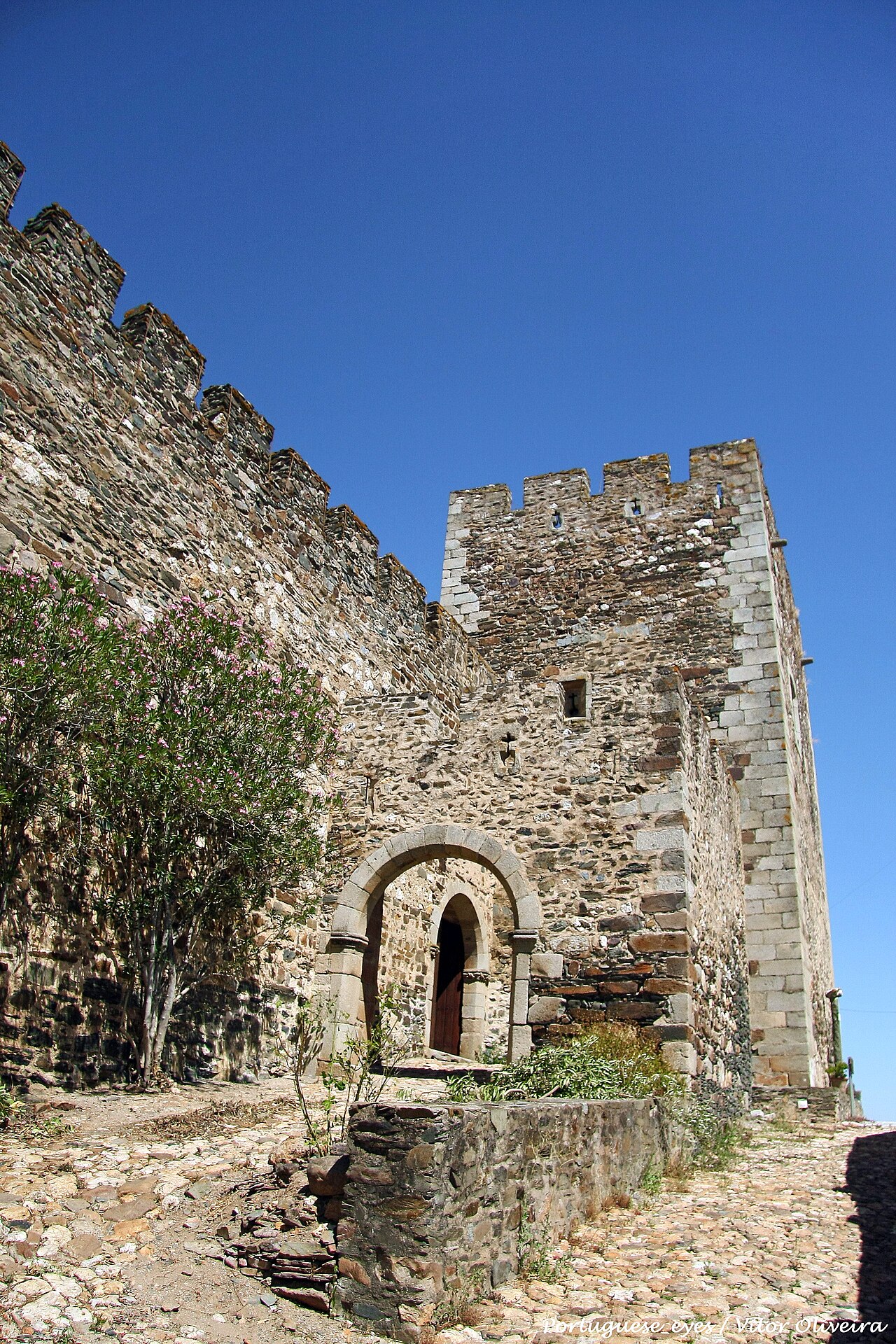
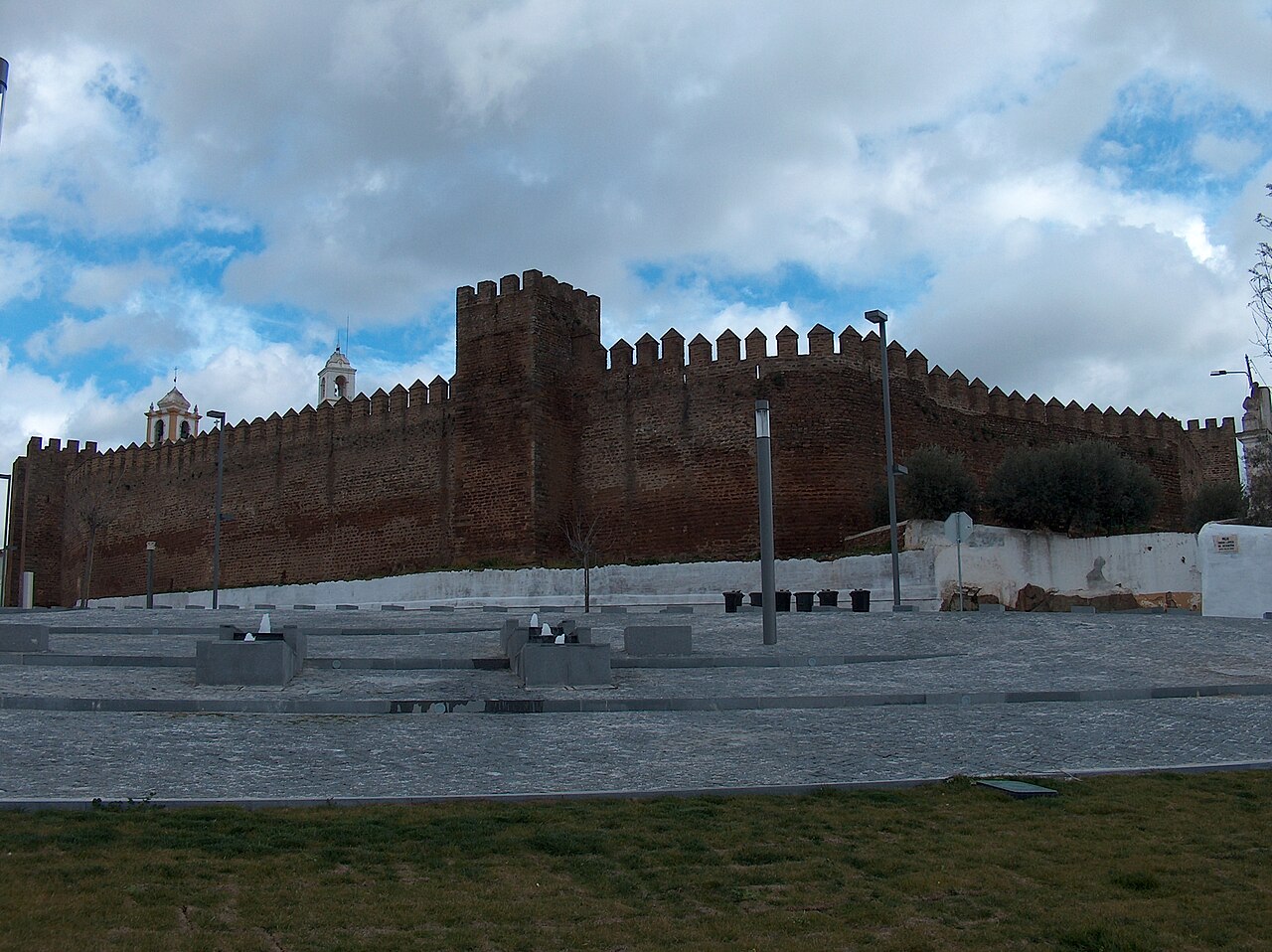
The Boa Nova Chapel is an exemplary model of a fortified church from the 14th century. Its cruciform plan reflects typical medieval ecclesiastical architecture, designed to accommodate liturgical functions while also serving defensive purposes. The chapel's exterior is notably austere, characterized by thick stone walls crowned with battlements, which are crenellated parapets originally intended for defense against attackers.
Entrances to the chapel are protected by machicolations, projecting openings in the battlements through which defenders could drop objects or pour boiling substances on assailants. This defensive feature is unusual for a chapel, highlighting the turbulent times during which it was built and the need for places of worship to also serve as refuges.
Inside, the chapel maintains a simple yet solemn atmosphere, with minimal ornamentation consistent with its dual function as a religious sanctuary and a fortified refuge. The use of stone vaulting and narrow windows further emphasizes security while allowing limited natural light to create a contemplative environment.
Religious and cultural significance
The Santuário de Nossa Senhora da Boa Nova has long been a site of pilgrimage and local devotion. Its dedication to the Virgin Mary aligns with widespread Marian veneration in Portugal, which has been a central element of Portuguese religious culture since the Middle Ages.
The chapel's location near Terena Castle places it within a network of medieval fortifications and religious sites that shaped the social and political landscape of the region. It serves as a tangible link between the sacred and the martial, embodying the intertwined nature of faith and defense in medieval Portuguese society.
Visiting the chapel today
The Boa Nova Chapel is accessible to visitors during its opening hours without an entrance fee, making it a valuable cultural and historical attraction for those touring the Alentejo Central region. Its proximity to Terena Castle makes it an ideal detour for tourists interested in exploring medieval architecture and Portuguese history.
Visitors can appreciate the chapel's fortified features up close, including the battlements and machicolations, while also enjoying the serene atmosphere of this historic sanctuary. The chapel's setting within the rural landscape adds to its contemplative appeal, offering insight into the spiritual life of medieval Portugal.
Preservation and condition
The chapel is well preserved, retaining much of its original structure and defensive elements. Conservation efforts have ensured that its architectural integrity remains intact, allowing future generations to study and appreciate this unique fusion of religious and military architecture.
Frequently asked questions (FAQ)
- What is the historical significance of Boa Nova Chapel?
- Boa Nova Chapel, located in Terena, Portugal, is a well-preserved example of medieval architecture, reflecting the rich cultural heritage of the region. It played an essential role in the religious life of the local community and is a notable site for those interested in the history of Portuguese ecclesiastical architecture.
- When was Boa Nova Chapel built?
- Boa Nova Chapel was constructed in the 13th century, showcasing the transition from Romanesque to Gothic architectural styles. Its long-standing presence in the community highlights the enduring nature of faith and tradition in the area.
- What are the opening hours for Boa Nova Chapel?
- The chapel is generally open to visitors from 9 AM to 5 PM, but it is advisable to check local listings or the chapel's official website for any seasonal changes or special events that may affect visiting hours. Plan your visit accordingly to ensure you have ample time to appreciate its beauty.
- Can I visit Boa Nova Chapel year-round?
- Yes, Boa Nova Chapel is accessible to visitors throughout the year, though some services or events may limit access during certain periods. Always confirm in advance if you plan to visit during holidays or local festivities.
- Is it possible to take photographs inside Boa Nova Chapel?
- Photography is generally permitted inside Boa Nova Chapel, allowing visitors to capture its stunning architecture and serene atmosphere. However, it is recommended to check for any specific restrictions upon arrival, especially during services.
- What is the best time to visit Boa Nova Chapel?
- The best time to visit Boa Nova Chapel is during the spring and fall months when the weather is mild, and the crowds are smaller. This allows for a more peaceful experience while exploring the chapel and its surroundings.
- Are there any nearby attractions to visit after Boa Nova Chapel?
- Yes, after visiting Boa Nova Chapel, you can explore other historical sites in Terena, such as the Castle of Terena and the local museum, which provide further insight into the area's rich history. Enjoying a stroll through the picturesque streets can also enhance your visit.
- What are the ticket prices for visiting Boa Nova Chapel?
- Entry to Boa Nova Chapel is typically free, making it an accessible destination for all visitors. However, donations are welcomed to help with the maintenance and preservation of this historic site.
- How do I get to Boa Nova Chapel?
- Boa Nova Chapel is located in the village of Terena, easily accessible by car or public transportation from major cities in Portugal. Parking options are available nearby, making it convenient for visitors traveling to this charming location.
Information
Address
Estr. da Boa Nova, Terena, Portugal
Loading map...
Visitor reviews
No reviews yet. Been here? Write the first review and help other travelers!
Write the first reviewVisited this castle? Share your experience
Your review helps other travelers and adds first-hand knowledge to our encyclopedia.