Reccopolis
Reccopolis (Spanish: Recópolis; Latin: Reccopolis) is an archaeological site of exceptional historical significance located near the village of Zorita de los Canes in the province of Guadalajara, Spain. This site represents one of the few known Visigothic cities founded during the post-Roman period in the Iberian Peninsula, offering rare insight into urban development in Early Medieval Europe.
The city was established in the 6th century by Visigothic king Liuvigild, who reigned from 568 to 586 AD. It is remarkable as one of only two cities founded in Western Europe between the fall of the Roman Empire and the Carolingian Renaissance, reflecting a deliberate effort to create a new urban center modeled on classical Roman city planning. The foundation of Reccopolis illustrates the Visigoths' ambition to assert power and cultural identity during a period of transition and fragmentation.
Historical context and founding
The Visigoths, a Germanic people who settled in the Iberian Peninsula after the decline of Roman authority, sought to consolidate their kingdom by establishing Reccopolis as a symbol of their sovereignty. Named likely in honor of King Liuvigild's son, Reccared, the city was strategically positioned to serve administrative, military, and economic functions within the Visigothic realm.
Its founding marks a rare instance of urban creation in a period when many cities were in decline or abandonment following the Roman withdrawal. Reccopolis thus stands as a unique example of urban renewal in the Early Medieval period, combining elements of Roman urbanism with Visigothic cultural influences.
Archaeological discoveries and site layout
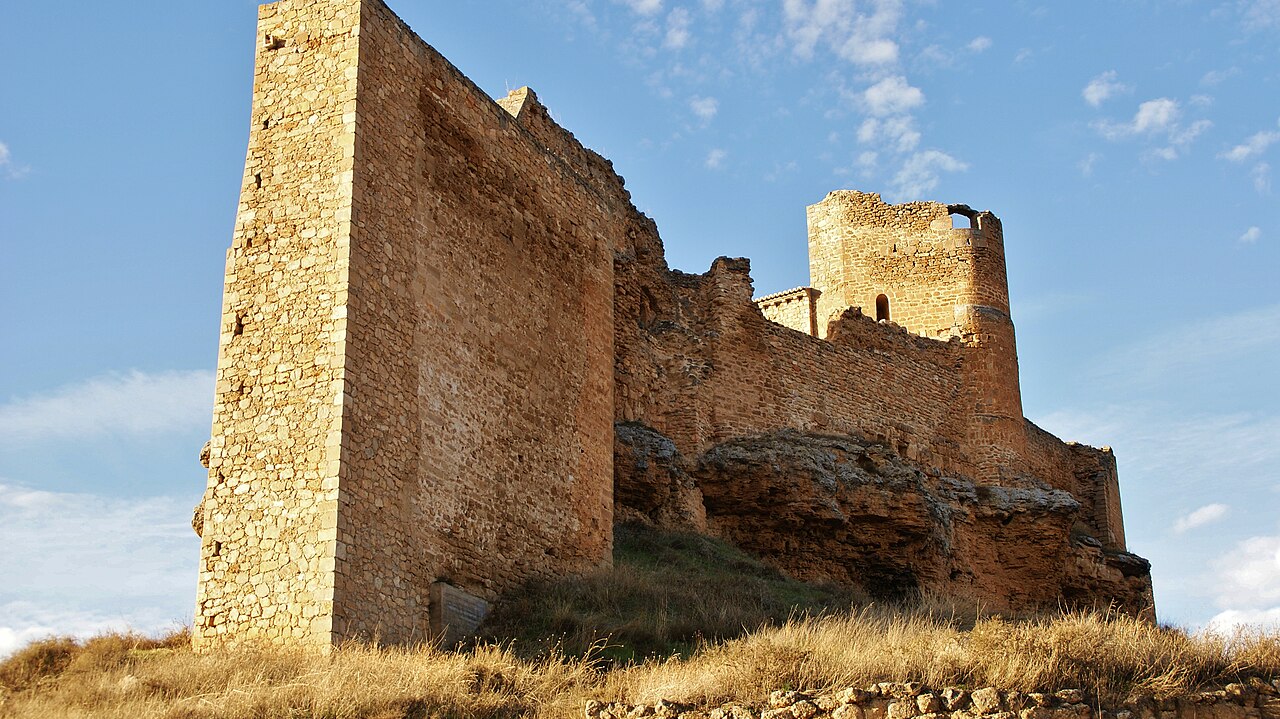
Discovered in the late 19th century, systematic archaeological excavations began in the 1940s under the direction of Juan Cabré, whose work uncovered significant portions of the city's monumental core. The site is enclosed by substantial defensive walls, remnants of which remain visible, delineating a well-planned urban space.
Within the walled enclosure, excavations have revealed the foundations of public buildings, including a palace complex, basilica, and administrative structures, highlighting the city's role as a political and religious center. The layout reflects a grid pattern reminiscent of Roman urban design, with streets intersecting at right angles and organized public spaces.
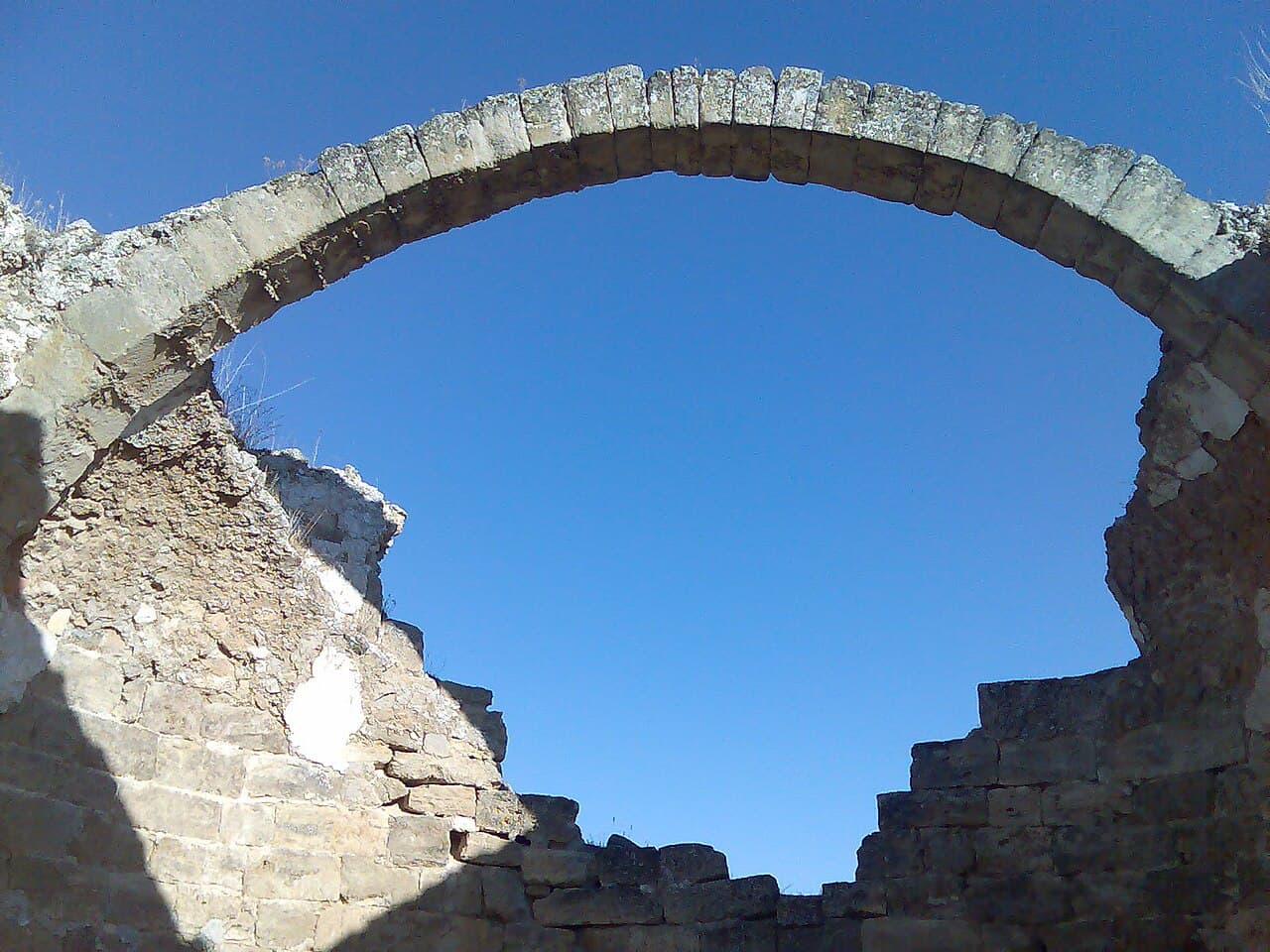
One of the most notable features associated with Reccopolis is its aqueduct, located approximately 2 kilometers to the east. This aqueduct is recognized as the first new urban aqueduct constructed in the Iberian Peninsula in over two centuries and represents the last known example built following traditional Roman engineering techniques. The aqueduct underscores the city's advanced infrastructure and the continuity of Roman technological knowledge into the Visigothic era.
Architectural characteristics and influences
The architectural remains at Reccopolis demonstrate a fusion of Roman and Visigothic styles. The use of masonry techniques and urban planning principles shows a clear inheritance from Roman precedents, while certain decorative elements and structural forms reflect Visigothic adaptations.
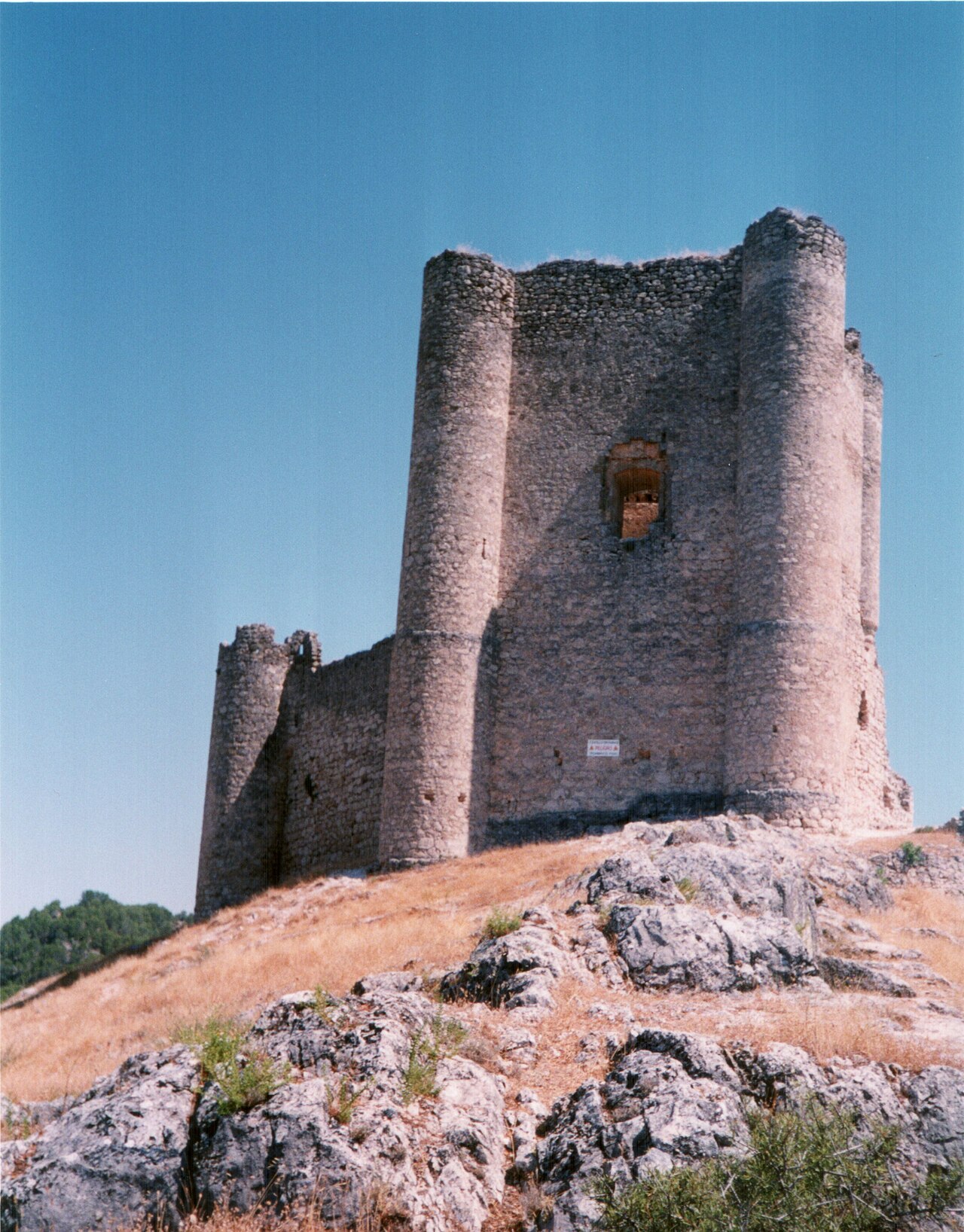
The city's defensive walls were constructed with robust stonework and included towers and gates designed for protection and control of access. The basilica within the city served as a religious focal point, featuring architectural elements typical of early Christian churches, such as an apse and nave, adapted to the Visigothic liturgical practices.
The palace complex indicates the presence of a ruling elite and administrative apparatus, with rooms arranged around courtyards and evidence of sophisticated construction techniques. These structures highlight the city's importance as a seat of power and governance during the Visigothic kingdom.
Significance and legacy
Reccopolis holds a unique place in the history of medieval urbanism as one of the few planned cities founded during the Early Medieval period in Western Europe. Its remains provide valuable information about the continuity and transformation of Roman urban traditions under Visigothic rule.
The site is crucial for understanding the political and cultural dynamics of the Visigothic kingdom, illustrating how rulers like Liuvigild sought to legitimize their authority through monumental architecture and city-building. Reccopolis also contributes to broader discussions about the survival of classical knowledge and infrastructure in post-Roman Europe.
Today, the site is classified as archaeological ruins, with ongoing excavations and conservation efforts aimed at preserving its remains. Visitors can explore the layout of the city, the defensive walls, and the aqueduct, gaining insight into a rarely preserved chapter of Iberian and European history.
Visiting Reccopolis
While the site is primarily an archaeological ruin, it offers an open-air experience for visitors interested in early medieval history and urban archaeology. Interpretive signage and guided tours are occasionally available through local heritage organizations, providing context for the remains.
The surrounding landscape of the province of Guadalajara adds to the site's appeal, with natural beauty complementing the historical significance of Reccopolis. It is recommended to visit during spring or autumn for favorable weather conditions.
Frequently asked questions (FAQ)
- What is the historical significance of Reccopolis?
- Reccopolis is an important archaeological site in Spain, founded in the late 6th century by the Visigoths. It represents one of the few examples of Visigothic urban planning and architecture, showcasing the cultural and political influences of the time.
- When was Reccopolis built?
- Reccopolis was established around the year 578 AD during the reign of King Leovigild. The castle was part of Leovigild's efforts to consolidate his power and is a testament to the Visigothic kingdom's architectural prowess.
- Can I visit Reccopolis?
- Yes, visitors are welcome to explore the site of Reccopolis. Guided tours are available to provide insights into its rich history and architecture, making for an enlightening experience.
- What are the opening hours for Reccopolis?
- Reccopolis is typically open to visitors from 10 AM to 6 PM, with varying hours depending on the season. It's advisable to check the official site or contact local authorities for the most current information before your visit.
- Is it possible to access Reccopolis with public transportation?
- While public transportation options are limited, visitors can reach Zorita de los Canes by bus from nearby towns. Once in Zorita, it's a short walk to the castle, making it accessible for those willing to plan their trip accordingly.
- What is the best time to visit Reccopolis?
- The best time to visit Reccopolis is during the spring and fall when the weather is mild and pleasant for exploring outdoor sites. Additionally, these seasons often see fewer crowds, allowing for a more enjoyable experience.
- Are there any nearby attractions to visit along with Reccopolis?
- Yes, nearby attractions include the picturesque village of Zorita de los Canes, as well as the stunning Alcarria region where visitors can enjoy scenic landscapes. The nearby Natural Park of the Alto Tajo offers opportunities for hiking and nature exploration.
- What are the ticket prices for visiting Reccopolis?
- Entry to Reccopolis is generally free, but there may be fees for guided tours or special events. It's recommended to check for any updates on ticketing or fees before planning your visit.
Photo gallery

Photo by Fergon•Public domain
Information
Current owner
Spanish government
Loading map...
Visitor reviews
No reviews yet. Been here? Write the first review and help other travelers!
Write the first reviewVisited this castle? Share your experience
Your review helps other travelers and adds first-hand knowledge to our encyclopedia.