Real Felipe Fortress
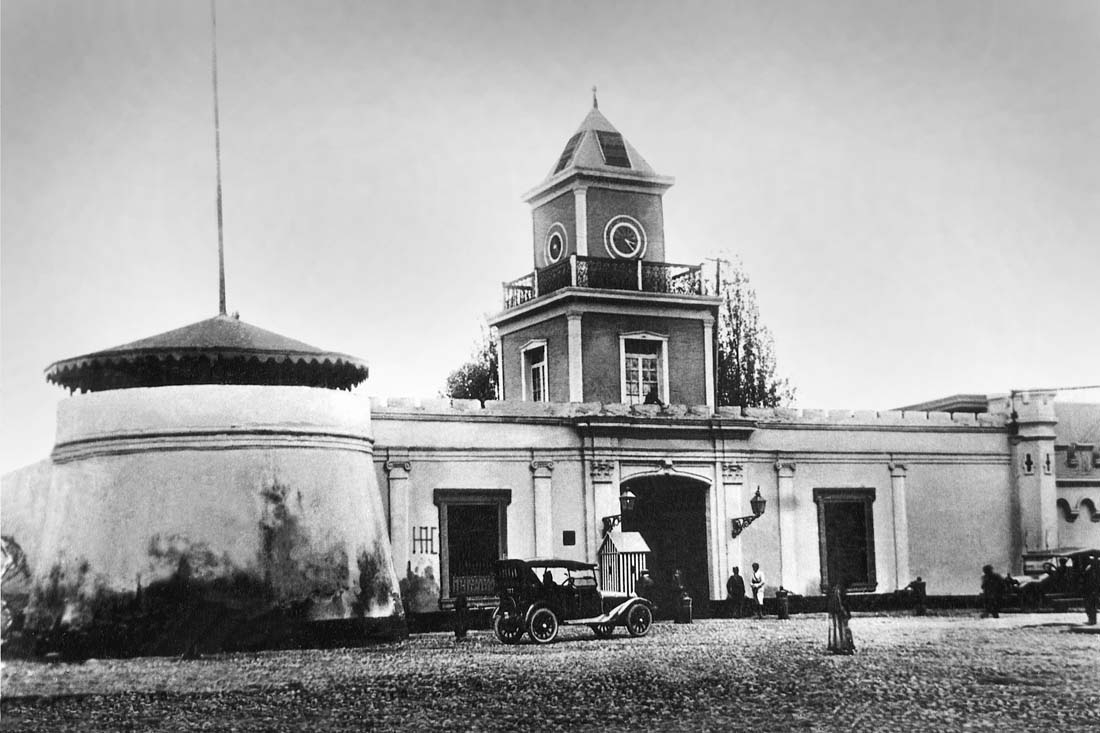
The Real Felipe Fortress stands as a significant 18th-century bastioned fortress located in the Monumental Zone of Callao, Peru. Constructed during the post-Renaissance period, this fortress was designed as a formidable defense installation to protect the vital main port of Callao and the nearby city of Lima from frequent attacks by pirates and corsairs during the colonial era. Its strategic position on the Pacific coast made it a critical military stronghold for the Spanish Empire in South America.
Historical context and strategic importance
The construction of the Real Felipe Fortress began in the early 18th century, following repeated assaults on the port of Callao by pirates and privateers. The Spanish Crown commissioned this fortress to secure its valuable colonial possessions and maintain control over maritime trade routes along the Pacific coast. The fortress was named after King Felipe V of Spain, reflecting its royal patronage and importance.
Throughout the colonial period, the fortress played a central role in defending the region against various threats, including attacks by British, Dutch, and French corsairs. Its imposing bastioned design incorporated the latest military architectural principles of the time, emphasizing strong angular bastions that allowed for overlapping fields of cannon fire to repel naval and land assaults effectively.
Architectural features and design
The Real Felipe Fortress is a prime example of a bastioned fortress built according to the Vauban-style fortification principles that were prevalent in the 17th and 18th centuries. It features thick stone walls, angular bastions at the corners, and a complex system of defensive structures including moats, ramparts, and glacis designed to absorb and deflect artillery fire.
The fortress layout is roughly pentagonal, with bastions named after Spanish monarchs and saints. Each bastion was equipped with heavy artillery placements, and the walls were designed to withstand prolonged sieges. Inside, there were barracks, storage facilities for ammunition and provisions, and command quarters, all built to support a garrison capable of enduring extended attacks.
Defensive innovations
One of the key architectural innovations of the fortress was its adaptation to the local geography and the threat of naval bombardment. The walls facing the sea were especially thick and reinforced, with elevated platforms for cannons to cover the harbor approaches. The fortress also included underground tunnels and storerooms to protect supplies and personnel from bombardment.
The siege that ended spanish rule
The Real Felipe Fortress is historically renowned for its role in the two-year siege from 1824 to 1826, which was a decisive episode in the Peruvian War of Independence. The fortress was one of the last strongholds of Spanish royalist forces resisting the independence movement.
During this prolonged siege, the fortress endured constant bombardment and blockade by the forces of the newly independent Peru. Despite the defenders' determined resistance, the siege ended with the surrender of the Spanish garrison, effectively ending Spain's military presence in Peru and marking a turning point in South America's liberation from colonial rule.
Current use and cultural significance
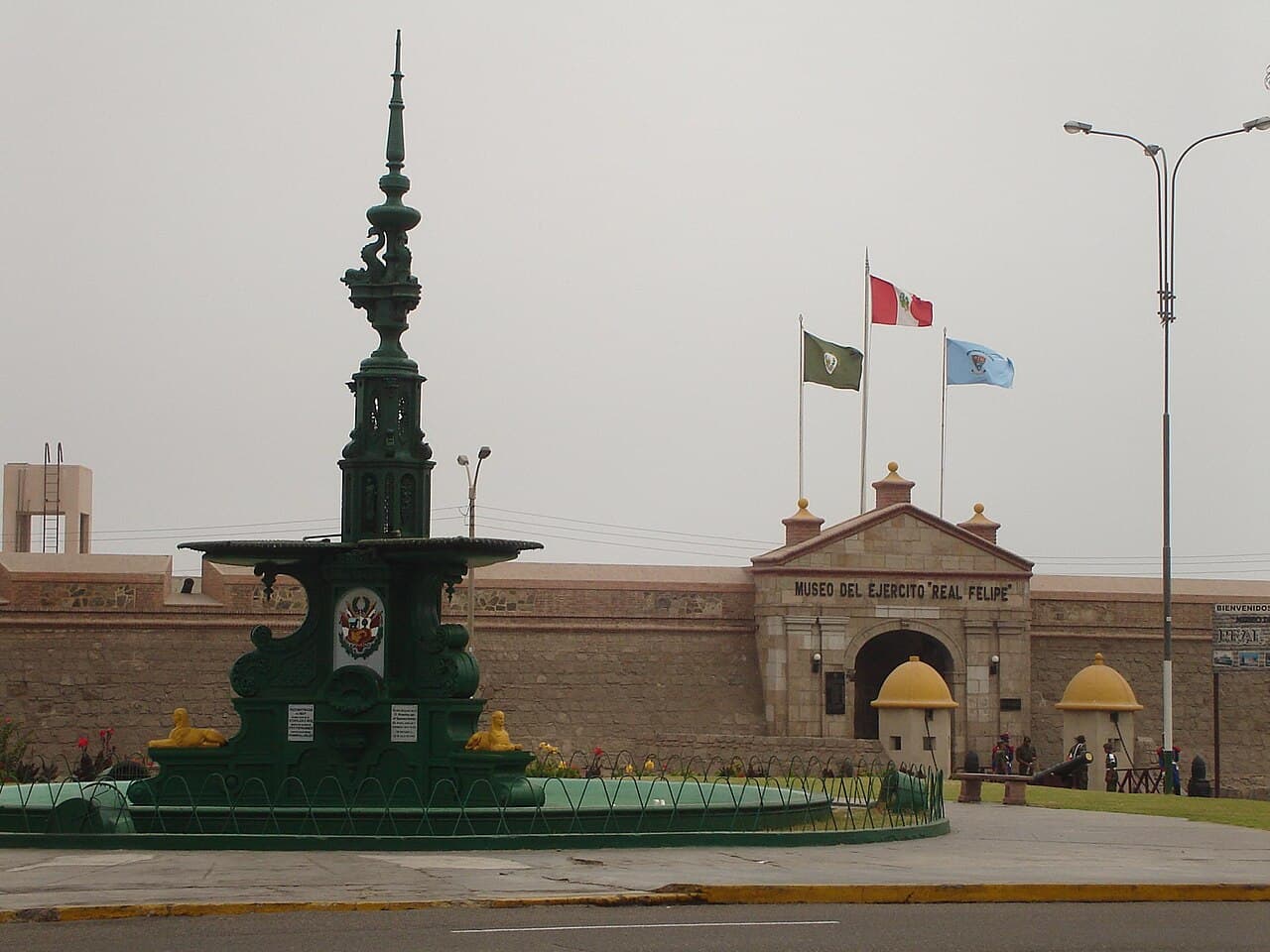
Today, the Real Felipe Fortress serves as the Peruvian Army Museum. It houses extensive collections of historical military uniforms, weapons, documents, and artifacts related to Peru's colonial and republican military history. The museum offers visitors a comprehensive insight into the fortress's role and the broader military heritage of the region.
The fortress is also a protected cultural heritage site, recognized for its architectural and historical significance. It attracts tourists, historians, and military enthusiasts interested in colonial fortifications and the history of Peru's struggle for independence.
Visitor information
Visitors to the Real Felipe Fortress can explore its well-preserved bastions, ramparts, and internal courtyards. Guided tours provide detailed explanations of the fortress's construction, military functions, and its pivotal role in history. The site occasionally hosts cultural events and military ceremonies, adding to its vibrant role in contemporary Peruvian culture.
Frequently asked questions (FAQ)
- How do I visit the Real Felipe Fortress?
- The Real Felipe Fortress is open to visitors daily, offering guided tours that explain its history and architecture. It is located in the Monumental Zone of Callao, easily accessible by public transport or car.
- What is the historical significance of the Real Felipe Fortress?
- The fortress was crucial in defending the port of Callao and Lima from pirates and colonial enemies. It also played a key role during the two-year siege that ended Spanish rule in Peru.
- Can I see military artifacts at the fortress?
- Yes, the fortress houses the Peruvian Army Museum, which displays historical uniforms, weapons, and other military paraphernalia from Peru's colonial and republican periods.
- When was the Real Felipe Fortress built?
- Construction of the fortress began in the early 18th century, during the post-Renaissance period, to strengthen coastal defenses against pirate attacks.
- Is the fortress well preserved?
- The Real Felipe Fortress is well preserved, with many original structures intact, including its bastions, walls, and internal buildings.
Photo gallery

Photo by Rarrunat•Public domain
Information
Current owner
Peruvian Army
Loading map...
Visitor reviews
No reviews yet. Been here? Write the first review and help other travelers!
Write the first reviewVisited this castle? Share your experience
Your review helps other travelers and adds first-hand knowledge to our encyclopedia.