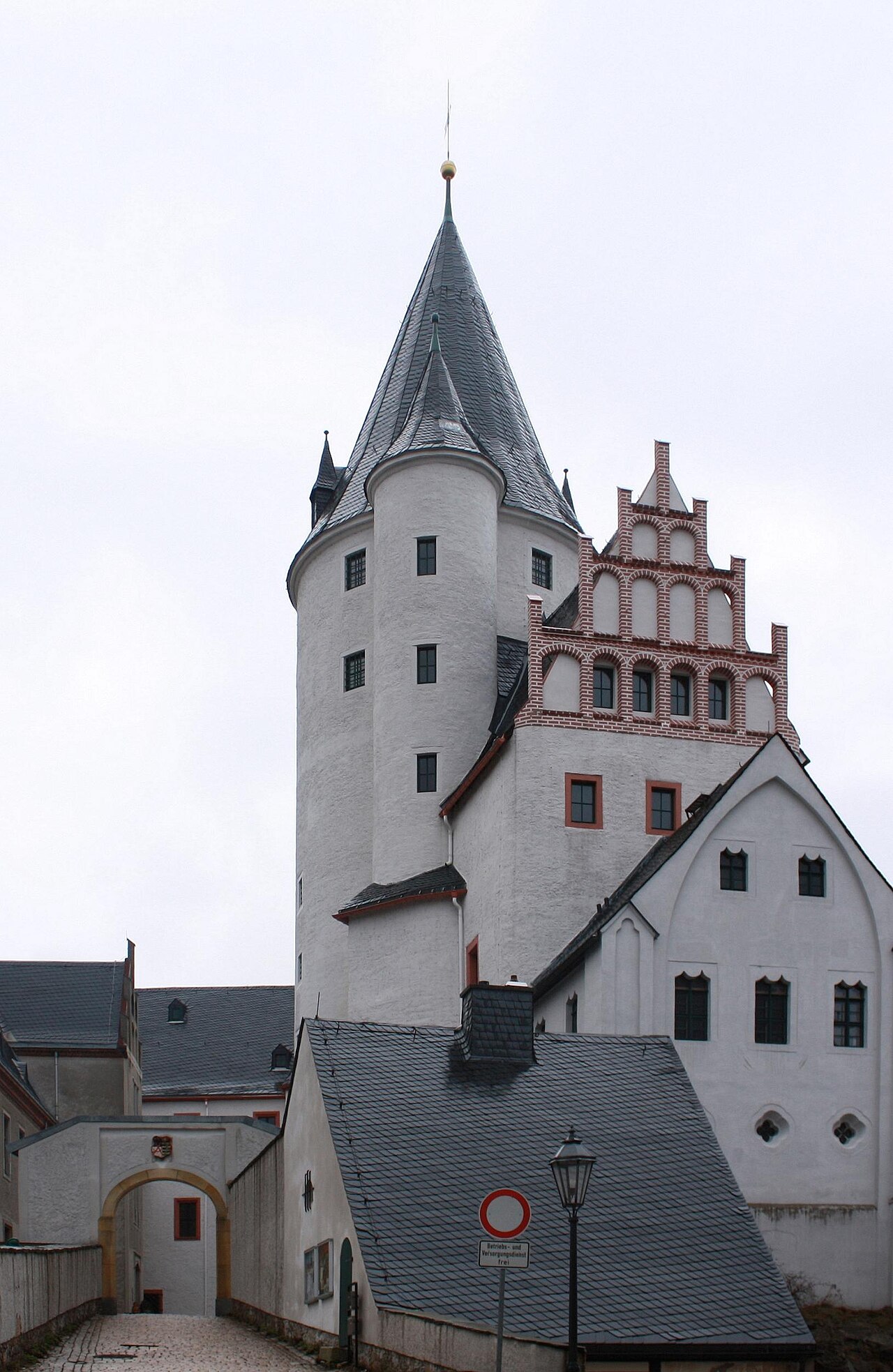
Neuravensburg Castle
Neuravensburg Castle is a historic medieval fortress located in Wangen im Allgäu, Germany. Constructed at the end of the 12th century, it was originally built by the Counts of Argengau, a noble family influential in the region during the High Medieval period. The castle's strategic position provided control over important trade routes and local territories, reflecting the feudal power structures of the time.
Early history and original construction
The castle is first mentioned in historical records in 1271, indicating its established importance by the late 13th century. As a typical hill castle of the High Medieval period, Neuravensburg was designed primarily for defense and residence. Its original layout included a keep (donjon), which served as the fortified residence and last line of defense, surrounded by curtain walls and possibly a moat, typical of the era's military architecture.
Destruction and rebuilding in the early modern period
Neuravensburg Castle suffered significant damage during the Peasants' War of 1525, a widespread uprising that affected many castles and noble estates across southern Germany. The castle was destroyed in this conflict, reflecting the social upheaval and decline of feudal authority during the early 16th century.
Between 1614 and 1617, the castle underwent major reconstruction and expansion under the direction of Abbot Bernhard Müller of the St. Gallen Abbey. This transformation converted the medieval fortress into a more comfortable and representative residence, blending defensive features with the architectural styles of the Renaissance period. The rebuilding included enlarging the living quarters and adding new structural elements, although much of the medieval character was retained.
19th-century decline and partial dismantling
By the 19th century, Neuravensburg Castle had lost much of its strategic and residential importance. In 1836, it was sold with the intention of demolition. Over the following decade, from 1837 to 1845, significant portions of the castle were dismantled, reducing it to ruins. This was a common fate for many castles during this period, as changing political and economic conditions made their upkeep impractical.
Modern preservation and restoration efforts
In 1987, the Neuravensburg Castle and Homeland Association was established to promote the preservation and research of the castle complex. The city of Wangen acquired the castle ruins in 1992, initiating further restoration work between 1995 and 1996. These efforts focused on stabilizing the remaining structures and making the site accessible to the public.
Today, visitors can explore the ruined keep, which includes a viewing platform accessible from the interior, offering panoramic views of the surrounding landscape. The foundation walls of the former palace are also preserved, providing insight into the castle's original scale and design. The entrance to the castle ruins is located at Hagmühleweg, making it easily reachable for visitors interested in medieval architecture and regional history.
Architectural features and significance
Neuravensburg Castle exemplifies the evolution of castle architecture from the High Medieval defensive stronghold to a more residential and representational Renaissance castle. The surviving keep ruins highlight the medieval military design, while the later expansions reflect changing tastes and functions in castle construction.
The castle's location on a hill provided natural defensive advantages, with thick stone walls and elevated towers designed to withstand sieges. The remains of the palace foundations reveal the scale of the residential quarters added during the early 17th century reconstruction.
Cultural importance and visitor experience
Neuravensburg Castle remains an important cultural landmark in the region, symbolizing the historical shifts from feudal power to ecclesiastical influence and later secular decline. The site offers educational opportunities about medieval and early modern architecture, feudal history, and the social conflicts such as the Peasants' War.
Visitors can enjoy walking tours of the ruins, interpretive signage, and panoramic views from the keep's platform. The castle's preservation by the local association and the city ensures ongoing research and public engagement with this significant heritage site.
Information
Loading map...
Visitor reviews
No reviews yet. Been here? Write the first review and help other travelers!
Write the first reviewVisited this castle? Share your experience
Your review helps other travelers and adds first-hand knowledge to our encyclopedia.