Rathfarnham Castle
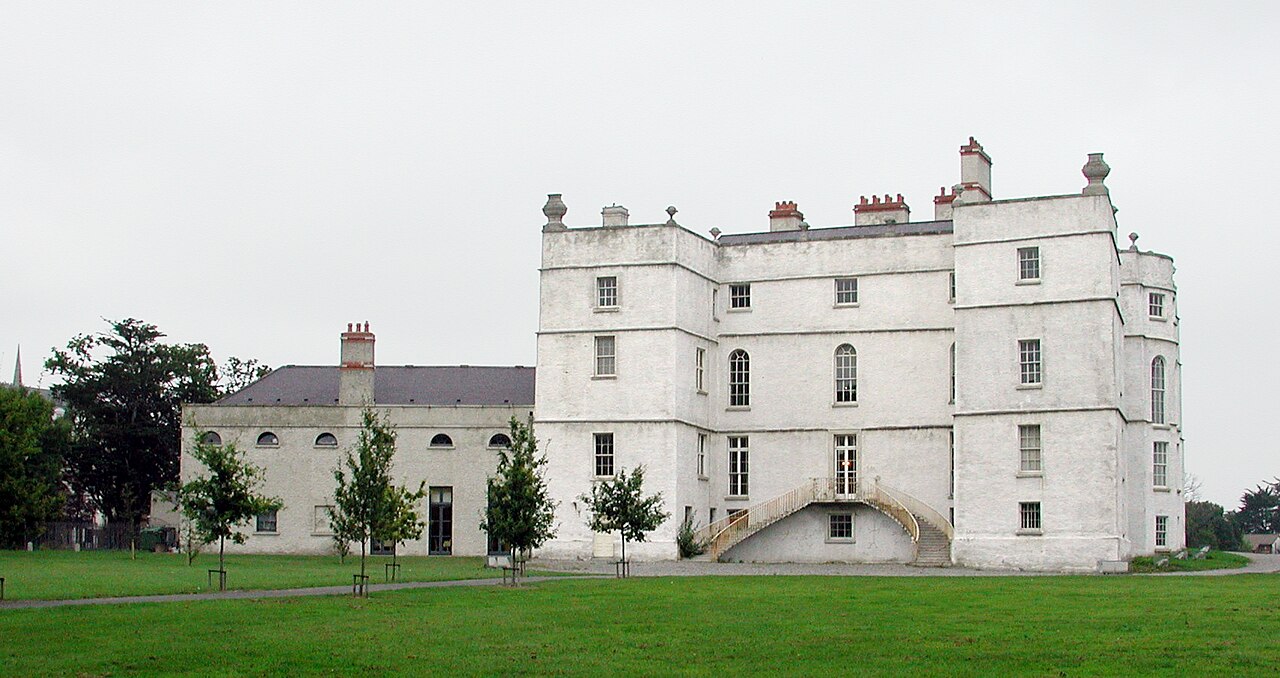
Rathfarnham Castle stands as a remarkable example of a Renaissance fortified manor house located in Rathfarnham, Dublin. Constructed around 1583, the castle replaced an earlier Anglo-Norman fortification, marking a significant architectural and historical evolution in the region. It was commissioned by Adam Loftus, a Yorkshireman who held the prominent positions of Lord Chancellor of Ireland and Protestant Archbishop of Dublin. This dual role underscored the castle’s importance as both a defensive stronghold and a symbol of political and religious authority during the late 16th century.
Architectural origins and Renaissance features
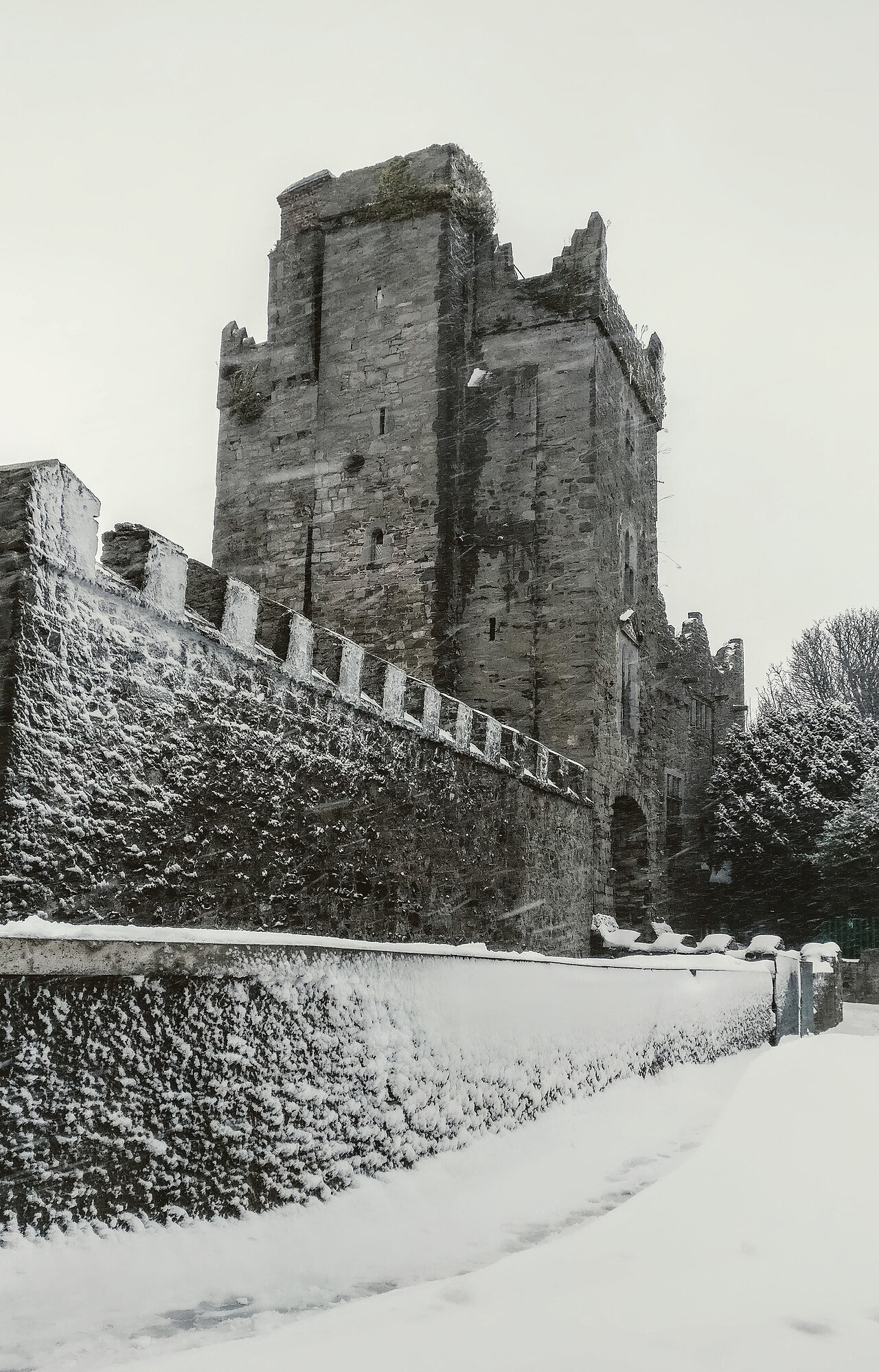
The original structure of Rathfarnham Castle was designed as a semi-fortified manor with characteristic battlements and defensive elements typical of the Renaissance period. Its construction reflects the transitional architectural style of the time, combining the need for defense with the emerging preference for residential comfort and status display. The castle’s robust stone walls, crenellated parapets, and narrow windows were intended to provide protection against potential attacks while also showcasing the wealth and power of its owner.
Layout and defensive elements
The castle originally featured a rectangular plan with a central courtyard, surrounded by thick walls and fortified towers at strategic points. The battlements allowed defenders to patrol and defend the perimeter effectively. The main entrance was likely protected by a gatehouse, which would have included defensive features such as a portcullis and murder holes, although these specific details have not survived intact. The castle’s elevated position in Rathfarnham provided a commanding view of the surrounding countryside, enhancing its defensive capabilities.
18th-century alterations and Georgian transformation
In the 18th century, Rathfarnham Castle underwent extensive modifications that significantly altered its appearance. These changes reflected the architectural tastes of the Georgian period, emphasizing elegance and domestic comfort over military functionality. The castle’s battlements were softened or removed, and sash windows were introduced to replace the original narrow openings. The interior was remodeled to create spacious rooms with refined decorative elements, aligning the castle with contemporary aristocratic residences.
Georgian stylistic features
The Georgian alterations included the addition of symmetrical facades, classical proportions, and decorative moldings. The castle’s exterior was adapted to resemble a grand country house rather than a fortress, with an emphasis on light and space. These changes illustrate the broader trend in Ireland and Britain during this period, where many medieval and Renaissance castles were transformed into comfortable homes reflecting the social status and lifestyle of their owners.
Historical significance and ownership
Rathfarnham Castle’s history is closely tied to the political and religious upheavals of Ireland from the Elizabethan era onwards. Adam Loftus, its original builder, was a key figure in the Tudor administration of Ireland, and the castle served as a residence and administrative center. Over the centuries, the castle passed through various owners, each contributing to its architectural evolution and preservation.
Role during conflicts
While Rathfarnham Castle was originally built with defensive purposes, its military role diminished over time, especially after the 18th-century renovations. However, it likely played a part in local conflicts during the turbulent periods of Irish history, including the Irish Confederate Wars in the 17th century. The castle’s sturdy construction and strategic location would have made it a valuable stronghold during such times.
Current condition and public access
Today, Rathfarnham Castle is well preserved, retaining much of its historical character despite the Georgian modifications. It stands as a testament to the layered history of Irish architecture, blending Renaissance defensive features with Georgian elegance. The castle is accessible to the public, often hosting cultural events and exhibitions that highlight its rich heritage and architectural significance.
Visitor experience
Visitors to Rathfarnham Castle can explore its historic rooms, admire the blend of architectural styles, and enjoy the surrounding gardens and parkland. Informative displays provide insights into the castle’s construction, its notable owners, and its role in Irish history. The site offers a unique opportunity to experience a castle that evolved from a fortified manor into a refined Georgian residence, reflecting centuries of architectural and social change.
Frequently asked questions (FAQ)
- What is the historical significance of Rathfarnham Castle?
- Rathfarnham Castle is a significant example of 16th-century architecture in Ireland, originally built as a fortified residence for the Archbishop of Dublin. It showcases the transition from medieval to Renaissance styles and has been a witness to various historical events over the centuries.
- When was Rathfarnham Castle built?
- Rathfarnham Castle was built between 1583 and 1614, commissioned by Archbishop Adam Loftus. Its construction reflects the architectural trends of the time and serves as a key example of the Elizabethan style in Ireland.
- What are the opening hours for Rathfarnham Castle?
- Rathfarnham Castle is open to visitors from Tuesday to Sunday, typically between 10 AM and 5 PM. It is recommended to check the official website for any changes to hours or special holiday openings before planning your visit.
- Can I access Rathfarnham Castle with a disability?
- Yes, Rathfarnham Castle aims to be accessible to all visitors. There are provisions for those with mobility impairments, including accessible parking and pathways, but it is advisable to contact the castle in advance for specific accessibility arrangements.
- What is the ticket price for visiting Rathfarnham Castle?
- The ticket price for Rathfarnham Castle is generally affordable, with discounts available for children, students, and seniors. It is best to check the official website for the most current pricing and any special offers.
- When is the best time to visit Rathfarnham Castle?
- The best time to visit Rathfarnham Castle is during the spring and summer months when the weather is mild and the gardens are in full bloom. This period also tends to have more events and activities scheduled for visitors.
- Are there any nearby attractions to Rathfarnham Castle?
- Yes, nearby attractions include the beautiful Marlay Park, which offers walking trails and recreational facilities, and the stunning Dublin Mountains for scenic hikes. These locations provide a perfect complement to your castle visit.
Information
Website
Visit websiteSources & official resources
Verify the information above using these authoritative references.
Loading map...
Visitor reviews
No reviews yet. Been here? Write the first review and help other travelers!
Write the first reviewVisited this castle? Share your experience
Your review helps other travelers and adds first-hand knowledge to our encyclopedia.