Rathfarnham Castle — Ireland castle

Rathfarnham Castle

Rathfarnham Castle: a 16th-century fortified house in South Dublin
Rathfarnham, Ireland
Renaissance (15th–17th c.)
Restored

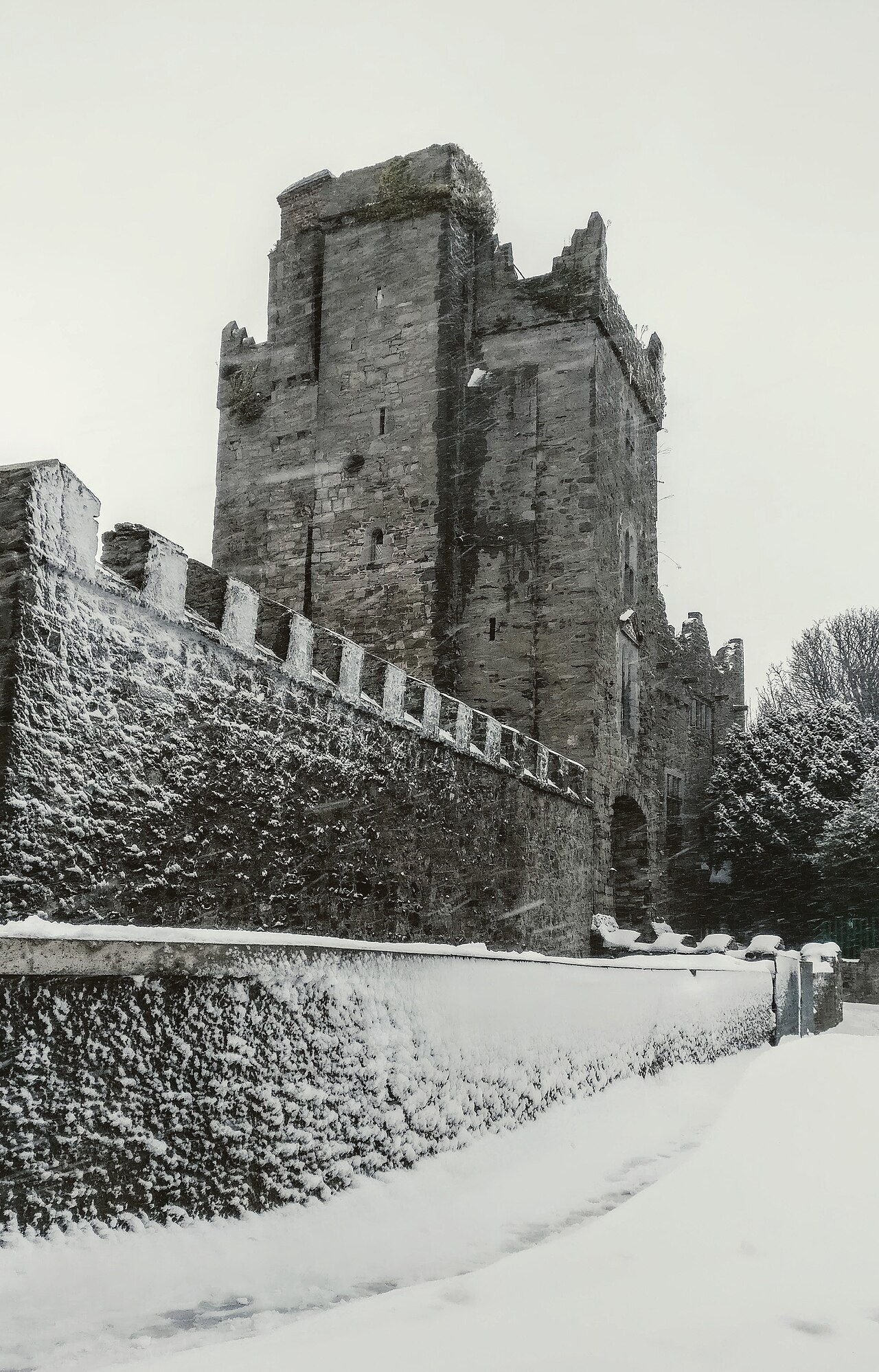
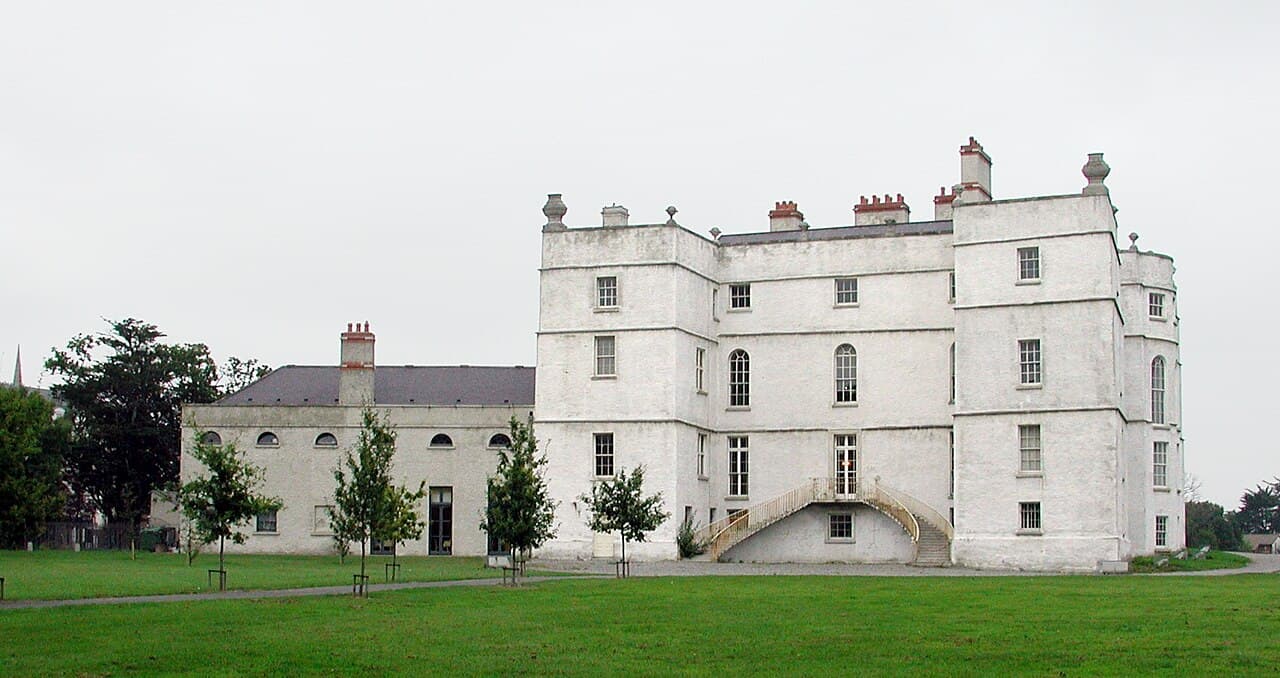
Rathfarnham Castle (Irish: Caisleán Rath Fearnáin) is a notable example of a 16th-century fortified house located in Rathfarnham, a suburb in South Dublin, Ireland. Originally constructed during the Renaissance period, this castle reflects the architectural and defensive needs of its time, combining domestic comfort with military features typical of the era.

Historical background and construction

The castle was built in the 16th century as a semi-fortified residence for the prominent Eustace family, who were influential Anglo-Irish landowners. Its initial design included battlements and defensive walls, indicative of the unsettled political climate in Ireland during the Tudor conquest. Rathfarnham Castle’s strategic position on a hill allowed for surveillance of the surrounding lands and protection against potential attacks.

During the 17th century, the castle saw action during the Irish Confederate Wars, experiencing sieges and damage. It was subsequently repaired and modified to serve more as a comfortable residence than a fortress.

Architectural features and alterations

The original structure was a H-shaped fortified house with thick stone walls, narrow windows for defense, and a central courtyard. The battlements and turrets provided vantage points for archers and lookouts. The castle also included a gatehouse and a moat which enhanced its defensive capabilities.

In the 18th century, Rathfarnham Castle underwent extensive alterations that softened its military appearance. The battlements were reduced, and larger windows were installed to allow more light into the interior, reflecting changing tastes and the decline of the need for fortification. Interior renovations added Georgian-style elements, improving comfort and aesthetics.

Rathfarnham Castle in modern times

Today, Rathfarnham Castle is managed by the state and has been restored to preserve its historical and architectural significance. It is open to the public, offering visitors a glimpse into Ireland’s Renaissance architecture and the lifestyle of Anglo-Irish gentry. The castle hosts exhibitions and events that highlight its history and cultural importance.

The surrounding grounds include gardens and parkland, enhancing the visitor experience and providing a tranquil setting near Dublin city. Rathfarnham Castle remains an important heritage site, illustrating the evolution of fortified houses in Ireland from military strongholds to elegant residences.

Frequently asked questions (FAQ)

What is the historical significance of Rathfarnham Castle?
Rathfarnham Castle, built in the late 16th century, is a fine example of a Tudor-style castle and was originally constructed as a residence for the Archbishop of Dublin. It played a significant role in Ireland's history, particularly during the 17th century, and is known for its connection to various notable figures in Irish history.
When was Rathfarnham Castle built?
Rathfarnham Castle was constructed between 1582 and 1584. The castle has undergone several renovations over the centuries, reflecting the architectural styles and historical changes of the periods it has survived through.
What are the opening hours for Rathfarnham Castle?
Rathfarnham Castle is typically open to visitors from 10 AM to 5 PM, Tuesday through Sunday. It is advisable to check the official website for any seasonal changes in hours or special closures.
Can I access Rathfarnham Castle with a wheelchair?
Yes, Rathfarnham Castle is accessible for visitors with mobility challenges. There are facilities in place to ensure that everyone can enjoy the castle and its grounds.
What is the best time to visit Rathfarnham Castle?
The best time to visit Rathfarnham Castle is during the spring and summer months when the gardens are in full bloom and the weather is generally more pleasant. However, visiting during the off-peak months can also provide a quieter experience.
Is there an admission fee to enter Rathfarnham Castle?
Yes, there is a small admission fee to enter Rathfarnham Castle. Ticket prices may vary, so it is recommended to check the castle's official website for the most current pricing and any available discounts.
What nearby attractions should I visit while at Rathfarnham Castle?
While visiting Rathfarnham Castle, you can explore the beautiful grounds and gardens. Additionally, nearby attractions include the Dublin Mountains, Marlay Park, and the charming village of Rathfarnham itself, which offers a variety of shops and cafes.
How do I get to Rathfarnham Castle from Dublin city center?
Rathfarnham Castle is easily accessible from Dublin city center by public transport or car. You can take a bus or drive, and it typically takes around 30 minutes to reach the castle, depending on traffic conditions.

Photo gallery

Rathfarnham Castle
Click to view

Photo by AndrewH at English Wikipedia•Public domain

1 photo • Click any image to view in full screen

Information

Hill Castle

Loading map...

Visitor reviews

No reviews yet. Been here? Write the first review and help other travelers!

Write the first review

Visited this castle? Share your experience

Your review helps other travelers and adds first-hand knowledge to our encyclopedia.

Write a review

(5/5)

0/2000 characters

Your review will be visible after admin approval

Nearby castles

0.2 km

Rathfarnham Castle

Rathfarnham, United Kingdom

Rathfarnham Castle stands as a remarkable example of a Renaissance fortified manor house located in Rathfarnham, Dublin. Constructed around 1583, the castle replaced an earlier Anglo-Norman fortification, marking a significant architectural and historical evolution in the region. It was commissioned by Adam Loftus, a Yorkshireman who held the prominent positions of Lord Chancellor of Ireland and Protestant Archbishop of Dublin. This dual role underscored the castle’s importance as both a defensive stronghold and a symbol of political and religious authority during the late 16th century. Architectural origins and Renaissance features The original structure of Rathfarnham Castle was designed as a semi-fortified manor with characteristic battlements and defensive elements typical of the Renaissance period. Its construction reflects the transitional architectural style of the time, combining the need for defense with the emerging preference for residential comfort and status display. The castle’s robust stone walls, crenellated parapets, and narrow windows were intended to provide protection against potential attacks while also showcasing the wealth and power of its owner. Layout and defensive elements The castle originally featured a rectangular plan with a central courtyard, surrounded by thick walls and fortified towers at strategic points. The battlements allowed defenders to patrol and defend the perimeter effectively. The main entrance was likely protected by a gatehouse, which would have included defensive features such as a portcullis and murder holes, although these specific details have not survived intact. The castle’s elevated position in Rathfarnham provided a commanding view of the surrounding countryside, enhancing its defensive capabilities. 18th-century alterations and Georgian transformation In the 18th century, Rathfarnham Castle underwent extensive modifications that significantly altered its appearance. These changes reflected the architectural tastes of the Georgian period, emphasizing elegance and domestic comfort over military functionality. The castle’s battlements were softened or removed, and sash windows were introduced to replace the original narrow openings. The interior was remodeled to create spacious rooms with refined decorative elements, aligning the castle with contemporary aristocratic residences. Georgian stylistic features The Georgian alterations included the addition of symmetrical facades, classical proportions, and decorative moldings. The castle’s exterior was adapted to resemble a grand country house rather than a fortress, with an emphasis on light and space. These changes illustrate the broader trend in Ireland and Britain during this period, where many medieval and Renaissance castles were transformed into comfortable homes reflecting the social status and lifestyle of their owners. Historical significance and ownership Rathfarnham Castle’s history is closely tied to the political and religious upheavals of Ireland from the Elizabethan era onwards. Adam Loftus, its original builder, was a key figure in the Tudor administration of Ireland, and the castle served as a residence and administrative center. Over the centuries, the castle passed through various owners, each contributing to its architectural evolution and preservation. Role during conflicts While Rathfarnham Castle was originally built with defensive purposes, its military role diminished over time, especially after the 18th-century renovations. However, it likely played a part in local conflicts during the turbulent periods of Irish history, including the Irish Confederate Wars in the 17th century. The castle’s sturdy construction and strategic location would have made it a valuable stronghold during such times. Current condition and public access Today, Rathfarnham Castle is well preserved, retaining much of its historical character despite the Georgian modifications. It stands as a testament to the layered history of Irish architecture, blending Renaissance defensive features with Georgian elegance. The castle is accessible to the public, often hosting cultural events and exhibitions that highlight its rich heritage and architectural significance. Visitor experience Visitors to Rathfarnham Castle can explore its historic rooms, admire the blend of architectural styles, and enjoy the surrounding gardens and parkland. Informative displays provide insights into the castle’s construction, its notable owners, and its role in Irish history. The site offers a unique opportunity to experience a castle that evolved from a fortified manor into a refined Georgian residence, reflecting centuries of architectural and social change.

Renaissance (15th–17th c.)
Details
4.4 km
Drimnagh Castle — Ireland castle

Drimnagh Castle

Dublin, Ireland

Drimnagh Castle (Irish: Caisleán Dhroimeanaigh) stands as a significant example of Norman military architecture in Ireland, located in the suburb of Drimnagh in Dublin. Built in the 13th century during the High Medieval period, it is one of the few remaining castles in Ireland to retain a fully intact and flooded moat, a defensive feature fed by a tributary of the local River Camac. This unique feature distinguishes Drimnagh Castle from other Irish castles, as most moats have long since dried up or been filled in. The castle's survival through centuries of conflict and change adds to its historical importance. Historical background and ownership The castle was originally constructed by the Norman family of De Maunsell, who were granted lands in the area following the Norman invasion of Ireland. The De Maunsell family established the castle as a fortified residence and a symbol of Norman authority in the region. Over the centuries, the castle passed through various hands, including the Barnewall family, who made significant modifications and expansions during the late medieval period. The castle's strategic location near Dublin made it a valuable asset through turbulent periods in Irish history. Architectural features and layout Drimnagh Castle exhibits typical features of a High Medieval Norman castle, characterized by a rectangular keep surrounded by thick defensive walls and a moat. The moat, which remains flooded to this day, was designed to impede attackers and provide a water barrier. The castle's walls are constructed of local stone and include narrow arrow slits for archers to defend the stronghold. The main entrance is fortified with a gatehouse, which would have included defensive mechanisms such as a portcullis and murder holes. The interior of the castle includes a great hall, living quarters, and service areas arranged around a central courtyard. The great hall served as the main gathering and administrative space, while the chambers provided accommodation for the lord and his family. The castle also features a chapel, indicative of the religious practices of the medieval inhabitants. The moat and water defenses The flooded moat is fed by a tributary of the River Camac, which flows through the area. This water defense system is rare among Irish castles, where dry moats were more common. The moat not only provided protection but also added to the castle's imposing appearance. Restoration efforts have maintained the moat's water levels, preserving this distinctive feature. Restoration and current status By the 20th century, Drimnagh Castle had fallen into disrepair, but restoration efforts beginning in the 1970s have helped to preserve the castle and its moat. These efforts included structural stabilization, masonry repair, and landscaping to restore the moat and surrounding grounds. Today, the castle is well preserved and serves as a cultural and historical landmark within Dublin. It is accessible to visitors and occasionally hosts events that highlight its medieval heritage. Location and surroundings The castle is situated in the suburb of Drimnagh, approximately 6 km southwest of Dublin city center. The area around the castle has developed into a residential neighborhood, but the castle grounds remain a green space that contrasts with the urban environment. Adjacent to the castle is Drimnagh Castle Secondary School, linking the site to the local community and education. Visitor information and cultural significance Drimnagh Castle is open to the public on select days and offers guided tours that explain its history, architecture, and restoration. The castle's moat and medieval features provide a tangible connection to Ireland's Norman past, making it an important educational resource. Its preservation contributes to the understanding of medieval defensive architecture and the Norman influence on Irish history.

High Medieval (11th–13th c.)
Details
4.4 km

Drimnagh Castle

Dublin, United Kingdom

Drimnagh Castle stands as a remarkable example of Norman medieval architecture nestled in the suburb of Drimnagh, Dublin, Ireland. Constructed initially in the early 13th century, this castle is distinguished by its continuous water-filled moat, a rare feature that sets it apart as the only castle in Ireland to retain such a defensive water barrier. The castle's history, architecture, and restoration reflect a deep connection to Ireland's Norman past and evolving cultural landscape. The origins and medieval history of Drimnagh Castle The earliest recorded mention of Drimnagh Castle dates back to 1216, when it was owned by Sir Hugh de Bernival, whose family later became known as the Barnewall family. The Barnewalls were prominent Norman settlers who established the initial fortifications during the mid-13th century. The castle served both as a fortified residence and a symbol of feudal authority in the region. The surviving structures primarily date from the early 15th century, reflecting significant medieval architectural developments. The castle's central feature is its great hall, a large stone building that was the heart of domestic and administrative activity. The hall's restoration includes a meticulously recreated medieval-style oak roof, showcasing traditional timber carpentry techniques that highlight the craftsmanship of the period. The moat: a unique defensive feature One of the most striking aspects of Drimnagh Castle is its defensive moat, continuously filled with water from a tributary of the Camac River, sometimes called the Bluebell River. This moat encloses the castle's main buildings and is a rare survival of medieval defensive waterworks. Unlike many other castles where moats have been drained or filled in, Drimnagh's moat remains intact and functional, emphasizing the castle's original defensive strategy. Architectural evolution and later history Attached to the great hall is a tower believed to have been constructed in the 16th or 17th century. This addition reflects the castle's adaptation over time, incorporating later architectural styles and functions. The stone construction throughout the castle was carefully repaired during restoration using lime mortar, a traditional material that allows the masonry to breathe and maintain structural integrity. In the early 20th century, a large stone building was added to the grounds, serving various roles including a stable, ballroom, and coach house. This building was renovated in 1978 by the local Gaelic Athletic Association (GAA) club, transforming it into a clubhouse with facilities such as a hall, kitchen, and changing rooms. This adaptation illustrates the castle's integration into the local community and its evolving use beyond its medieval origins. 20th-century ownership and restoration efforts Ownership of the castle passed to Joseph Hatch, a dairy entrepreneur and city council member, in the early 20th century. Under Hatch, the castle grounds were primarily used for cattle grazing rather than as a residence. The Hatch family lived at Drimnagh Castle until the 1950s. Following the death of Louis Hatch in 1951, the castle was bequeathed to Bishop P. Dunne, who later sold it to the Christian Brothers. The religious order established a school nearby and temporarily used the castle as a residence. By the 1980s, the castle had fallen into significant disrepair, with collapsed roofs and walls threatening its survival. Restoration began in 1986, spearheaded by artist Peter Pearson and An Taisce, the National Trust for Ireland. This restoration focused on reviving the castle's medieval character, employing historically appropriate materials and construction techniques. The project culminated in the castle's reopening to the public in 1991, marking a new chapter in its preservation and use. Architectural details and features The restoration work included the installation of mullioned stone windows, a characteristic medieval architectural element featuring vertical stone bars dividing the glass panes. This detail enhances the castle's historic ambiance and authenticity. The interiors also feature detailed oak wood carvings, adding to the medieval atmosphere and showcasing traditional craftsmanship. A formal garden was designed and planted following medieval principles, complementing the castle's architectural restoration and providing a historically inspired landscape setting. The garden enhances visitors' experience by offering a glimpse into the castle's original environment and aesthetic. Drimnagh Castle today: cultural and educational significance Today, Drimnagh Castle functions as a cultural and educational venue, hosting events and activities that celebrate its rich history and architectural heritage. Its unique status as the only moated castle in Ireland with a continuously filled moat makes it a significant landmark for both locals and visitors interested in medieval architecture and Irish history. The castle's preservation serves as a model of community-led heritage conservation, demonstrating how historical sites can be revitalized and integrated into modern cultural life. Visitors can explore the castle's great hall, tower, and grounds, gaining insight into the Norman influence on Irish architecture and the evolution of medieval fortifications. With its well-preserved medieval features, ongoing educational programs, and active community involvement, Drimnagh Castle remains a vital link to Ireland's past and a treasured historic site in the Dublin region.

High Medieval (11th–13th c.)
Details