Drimnagh Castle
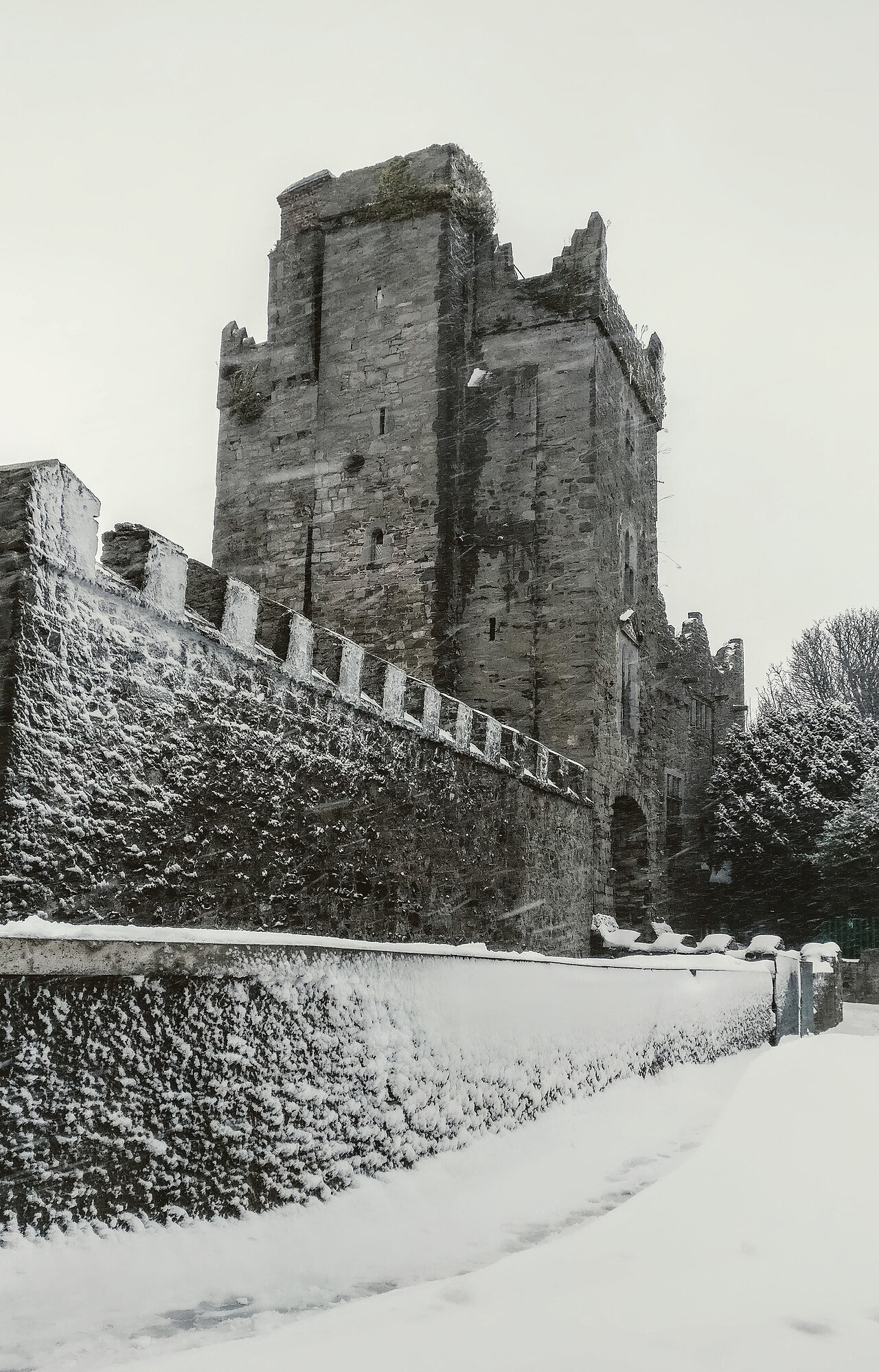
Drimnagh Castle stands as a remarkable example of Norman medieval architecture nestled in the suburb of Drimnagh, Dublin, Ireland. Constructed initially in the early 13th century, this castle is distinguished by its continuous water-filled moat, a rare feature that sets it apart as the only castle in Ireland to retain such a defensive water barrier. The castle's history, architecture, and restoration reflect a deep connection to Ireland's Norman past and evolving cultural landscape.
The origins and medieval history of Drimnagh Castle
The earliest recorded mention of Drimnagh Castle dates back to 1216, when it was owned by Sir Hugh de Bernival, whose family later became known as the Barnewall family. The Barnewalls were prominent Norman settlers who established the initial fortifications during the mid-13th century. The castle served both as a fortified residence and a symbol of feudal authority in the region.
The surviving structures primarily date from the early 15th century, reflecting significant medieval architectural developments. The castle's central feature is its great hall, a large stone building that was the heart of domestic and administrative activity. The hall's restoration includes a meticulously recreated medieval-style oak roof, showcasing traditional timber carpentry techniques that highlight the craftsmanship of the period.
The moat: a unique defensive feature
One of the most striking aspects of Drimnagh Castle is its defensive moat, continuously filled with water from a tributary of the Camac River, sometimes called the Bluebell River. This moat encloses the castle's main buildings and is a rare survival of medieval defensive waterworks. Unlike many other castles where moats have been drained or filled in, Drimnagh's moat remains intact and functional, emphasizing the castle's original defensive strategy.
Architectural evolution and later history
Attached to the great hall is a tower believed to have been constructed in the 16th or 17th century. This addition reflects the castle's adaptation over time, incorporating later architectural styles and functions. The stone construction throughout the castle was carefully repaired during restoration using lime mortar, a traditional material that allows the masonry to breathe and maintain structural integrity.
In the early 20th century, a large stone building was added to the grounds, serving various roles including a stable, ballroom, and coach house. This building was renovated in 1978 by the local Gaelic Athletic Association (GAA) club, transforming it into a clubhouse with facilities such as a hall, kitchen, and changing rooms. This adaptation illustrates the castle's integration into the local community and its evolving use beyond its medieval origins.
20th-century ownership and restoration efforts
Ownership of the castle passed to Joseph Hatch, a dairy entrepreneur and city council member, in the early 20th century. Under Hatch, the castle grounds were primarily used for cattle grazing rather than as a residence. The Hatch family lived at Drimnagh Castle until the 1950s. Following the death of Louis Hatch in 1951, the castle was bequeathed to Bishop P. Dunne, who later sold it to the Christian Brothers. The religious order established a school nearby and temporarily used the castle as a residence.
By the 1980s, the castle had fallen into significant disrepair, with collapsed roofs and walls threatening its survival. Restoration began in 1986, spearheaded by artist Peter Pearson and An Taisce, the National Trust for Ireland. This restoration focused on reviving the castle's medieval character, employing historically appropriate materials and construction techniques. The project culminated in the castle's reopening to the public in 1991, marking a new chapter in its preservation and use.
Architectural details and features
The restoration work included the installation of mullioned stone windows, a characteristic medieval architectural element featuring vertical stone bars dividing the glass panes. This detail enhances the castle's historic ambiance and authenticity. The interiors also feature detailed oak wood carvings, adding to the medieval atmosphere and showcasing traditional craftsmanship.
A formal garden was designed and planted following medieval principles, complementing the castle's architectural restoration and providing a historically inspired landscape setting. The garden enhances visitors' experience by offering a glimpse into the castle's original environment and aesthetic.
Drimnagh Castle today: cultural and educational significance
Today, Drimnagh Castle functions as a cultural and educational venue, hosting events and activities that celebrate its rich history and architectural heritage. Its unique status as the only moated castle in Ireland with a continuously filled moat makes it a significant landmark for both locals and visitors interested in medieval architecture and Irish history.
The castle's preservation serves as a model of community-led heritage conservation, demonstrating how historical sites can be revitalized and integrated into modern cultural life. Visitors can explore the castle's great hall, tower, and grounds, gaining insight into the Norman influence on Irish architecture and the evolution of medieval fortifications.
With its well-preserved medieval features, ongoing educational programs, and active community involvement, Drimnagh Castle remains a vital link to Ireland's past and a treasured historic site in the Dublin region.
Frequently asked questions (FAQ)
- How do I get to Drimnagh Castle?
- Drimnagh Castle is easily accessible by public transport, with bus routes serving the area. Alternatively, visitors can drive, and there's parking available nearby for those traveling by car.
- What is the historical significance of Drimnagh Castle?
- Drimnagh Castle is one of the few remaining medieval castles in Ireland, dating back to the 12th century. It has served various purposes throughout its history, including as a defensive stronghold and a residence for the influential family of the O'Rourkes.
- When was Drimnagh Castle built?
- Drimnagh Castle was constructed in the early 12th century, with significant expansions and renovations occurring over the centuries. The castle's architecture reflects the evolution of defensive building styles from medieval to Victorian periods.
- Can I take a guided tour of Drimnagh Castle?
- Yes, guided tours are available for visitors to explore the castle's rich history and architecture. These tours provide in-depth information and insights into the castle's significance, making for a comprehensive experience.
- Why is Drimnagh Castle a popular tourist attraction?
- Drimnagh Castle attracts visitors due to its historical significance, stunning architecture, and picturesque surroundings. It offers a unique glimpse into Ireland's medieval past, making it a must-see for history enthusiasts and tourists alike.
- Is it possible to host events at Drimnagh Castle?
- Yes, Drimnagh Castle is available for private events, including weddings and corporate functions. The castle's enchanting atmosphere and beautiful grounds provide a memorable backdrop for special occasions.
- What are the opening hours for Drimnagh Castle?
- Drimnagh Castle typically opens to the public from Wednesday to Sunday, with specific hours varying by season. It is advisable to check the official website for the most current opening times before planning your visit.
- What are the ticket prices for Drimnagh Castle?
- Ticket prices for Drimnagh Castle vary depending on age and tour options. Discounts may be available for students and seniors, so it's best to check the official site for the latest pricing information.
- What is the best time to visit Drimnagh Castle?
- The best time to visit Drimnagh Castle is during the spring and summer months when the weather is more favorable for exploring the grounds. Additionally, visiting during the weekdays tends to be less crowded, allowing for a more enjoyable experience.
- Are there any nearby attractions to visit after Drimnagh Castle?
- Yes, there are several attractions near Drimnagh Castle, including the historic Kilmainham Gaol and the beautiful Phoenix Park. These sites offer additional insights into Dublin's rich history and are easily accessible from the castle.
Information
Website
Visit websiteSources & official resources
Verify the information above using these authoritative references.
Loading map...
Visitor reviews
No reviews yet. Been here? Write the first review and help other travelers!
Write the first reviewVisited this castle? Share your experience
Your review helps other travelers and adds first-hand knowledge to our encyclopedia.