Drimnagh Castle
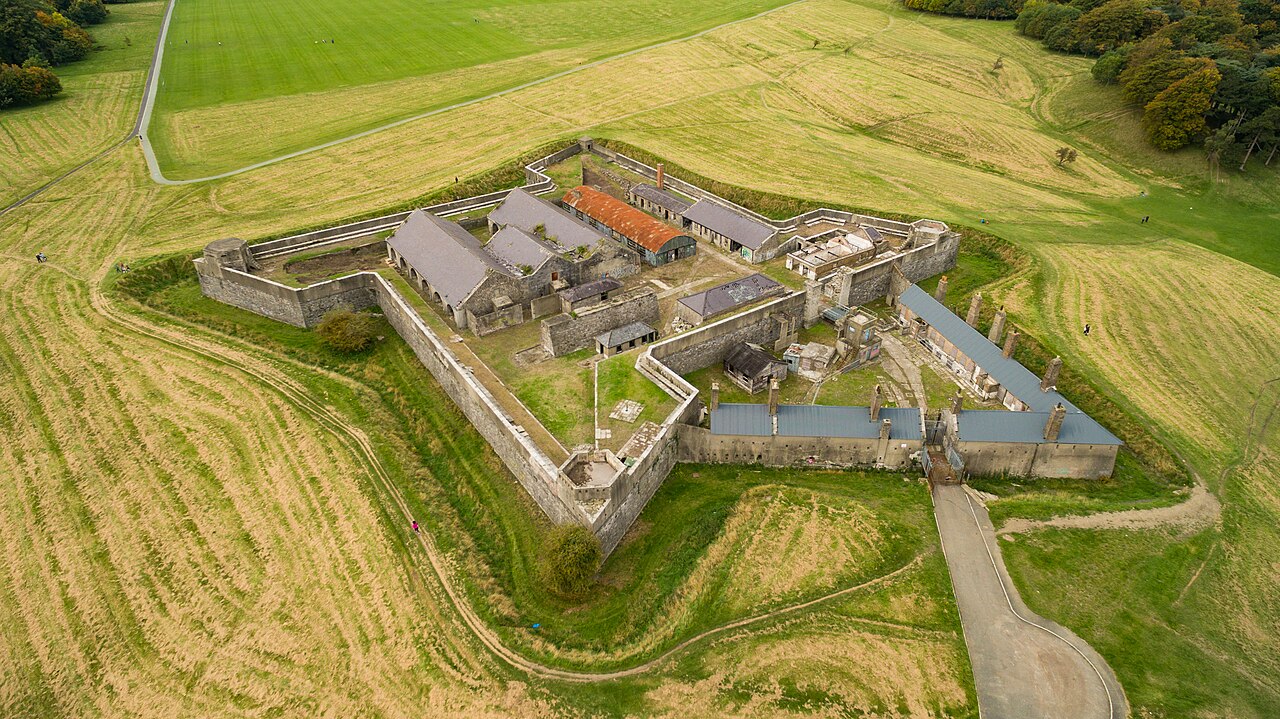
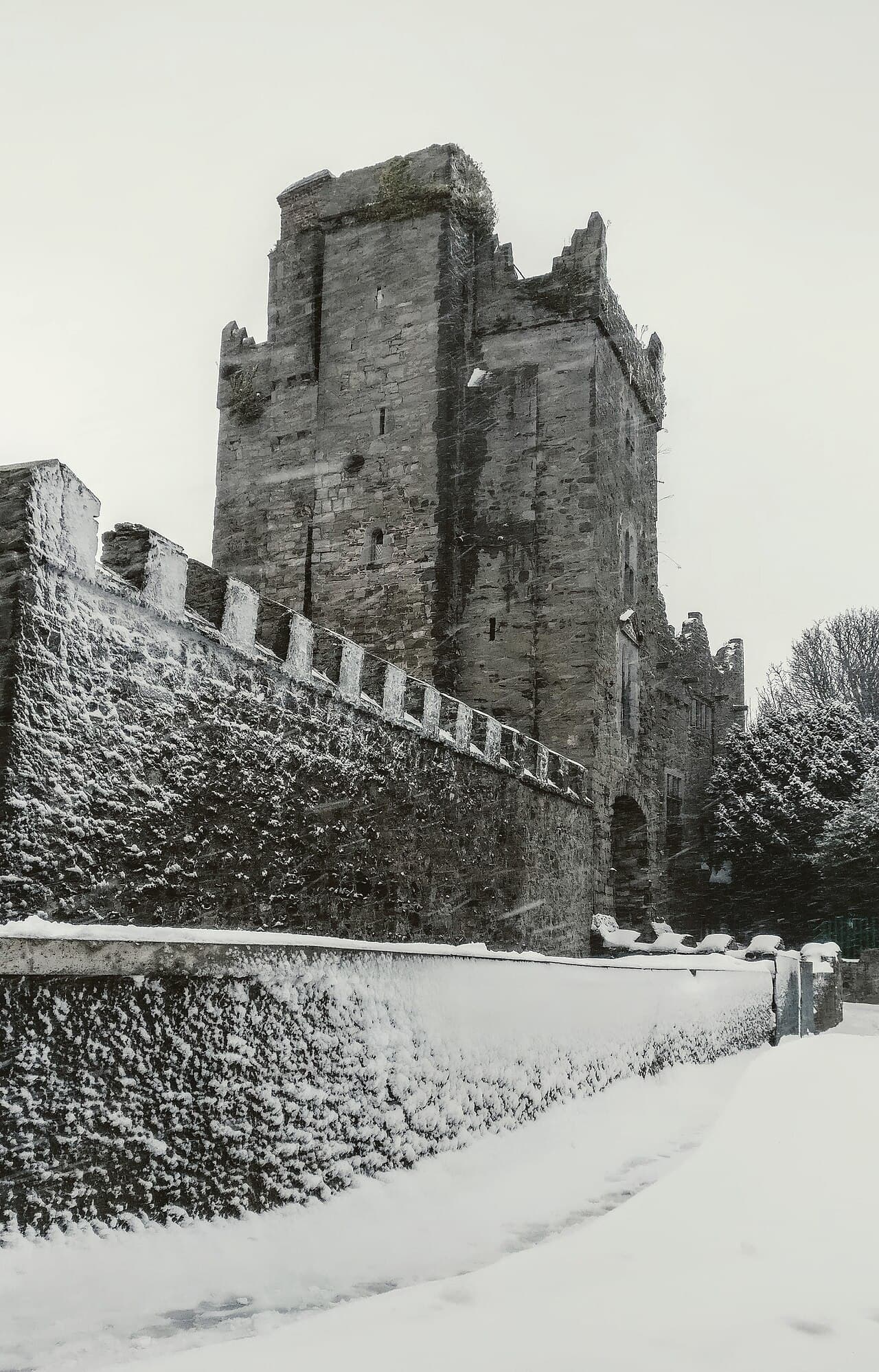
Drimnagh Castle (Irish: Caisleán Dhroimeanaigh) stands as a significant example of Norman military architecture in Ireland, located in the suburb of Drimnagh in Dublin. Built in the 13th century during the High Medieval period, it is one of the few remaining castles in Ireland to retain a fully intact and flooded moat, a defensive feature fed by a tributary of the local River Camac. This unique feature distinguishes Drimnagh Castle from other Irish castles, as most moats have long since dried up or been filled in. The castle's survival through centuries of conflict and change adds to its historical importance.
Historical background and ownership
The castle was originally constructed by the Norman family of De Maunsell, who were granted lands in the area following the Norman invasion of Ireland. The De Maunsell family established the castle as a fortified residence and a symbol of Norman authority in the region. Over the centuries, the castle passed through various hands, including the Barnewall family, who made significant modifications and expansions during the late medieval period. The castle's strategic location near Dublin made it a valuable asset through turbulent periods in Irish history.
Architectural features and layout
Drimnagh Castle exhibits typical features of a High Medieval Norman castle, characterized by a rectangular keep surrounded by thick defensive walls and a moat. The moat, which remains flooded to this day, was designed to impede attackers and provide a water barrier. The castle's walls are constructed of local stone and include narrow arrow slits for archers to defend the stronghold. The main entrance is fortified with a gatehouse, which would have included defensive mechanisms such as a portcullis and murder holes.
The interior of the castle includes a great hall, living quarters, and service areas arranged around a central courtyard. The great hall served as the main gathering and administrative space, while the chambers provided accommodation for the lord and his family. The castle also features a chapel, indicative of the religious practices of the medieval inhabitants.
The moat and water defenses
The flooded moat is fed by a tributary of the River Camac, which flows through the area. This water defense system is rare among Irish castles, where dry moats were more common. The moat not only provided protection but also added to the castle's imposing appearance. Restoration efforts have maintained the moat's water levels, preserving this distinctive feature.
Restoration and current status
By the 20th century, Drimnagh Castle had fallen into disrepair, but restoration efforts beginning in the 1970s have helped to preserve the castle and its moat. These efforts included structural stabilization, masonry repair, and landscaping to restore the moat and surrounding grounds. Today, the castle is well preserved and serves as a cultural and historical landmark within Dublin. It is accessible to visitors and occasionally hosts events that highlight its medieval heritage.
Location and surroundings
The castle is situated in the suburb of Drimnagh, approximately 6 km southwest of Dublin city center. The area around the castle has developed into a residential neighborhood, but the castle grounds remain a green space that contrasts with the urban environment. Adjacent to the castle is Drimnagh Castle Secondary School, linking the site to the local community and education.
Visitor information and cultural significance
Drimnagh Castle is open to the public on select days and offers guided tours that explain its history, architecture, and restoration. The castle's moat and medieval features provide a tangible connection to Ireland's Norman past, making it an important educational resource. Its preservation contributes to the understanding of medieval defensive architecture and the Norman influence on Irish history.
Frequently asked questions (FAQ)
- What is unique about Drimnagh Castle's moat?
- Drimnagh Castle is the only castle in Ireland with a fully intact and flooded moat, fed by a tributary of the River Camac, which is rare among Irish castles.
- When was Drimnagh Castle built?
- Drimnagh Castle was constructed in the 13th century during the High Medieval period by the Norman De Maunsell family.
- Can I visit Drimnagh Castle?
- Yes, Drimnagh Castle is open to the public on select days, offering guided tours that showcase its history and architecture.
- Where is Drimnagh Castle located?
- The castle is located in Drimnagh, a suburb about 6 km southwest of Dublin city center in the Leinster region of Ireland.
- What architectural features does Drimnagh Castle have?
- The castle features a rectangular keep, thick defensive walls, arrow slits, a fortified gatehouse, a great hall, living quarters, and a chapel.
Photo gallery

Information
Loading map...
Visitor reviews
No reviews yet. Been here? Write the first review and help other travelers!
Write the first reviewVisited this castle? Share your experience
Your review helps other travelers and adds first-hand knowledge to our encyclopedia.