Rapottenstein Castle
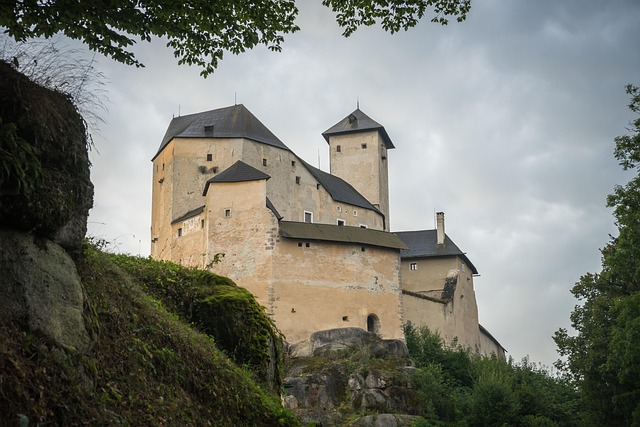
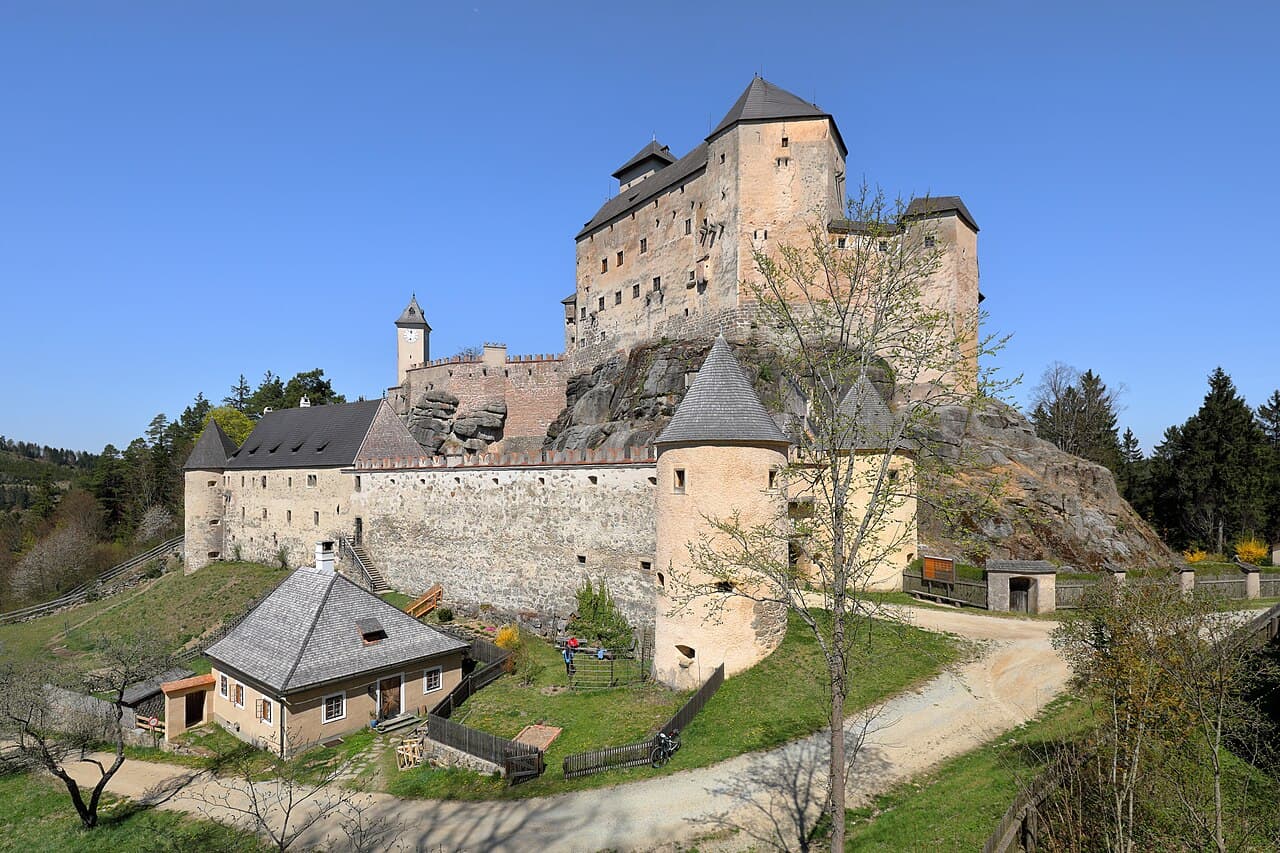
Rapottenstein Castle, locally known as Burg Rapottenstein, is a striking example of a high medieval hill castle situated in the dense woods south of the village of Rappottenstein in Lower Austria. Founded in the mid-12th century, this fortress was strategically positioned to guard the lands of the influential Kuenring family and to defend the eastern flank of the Margravate of Austria against incursions from the Kingdom of Bohemia. The castle’s location near an ancient trade route further enhanced its military and economic importance.
Founding and early history
The castle was constructed between 1150 and 1176 by Rapoto von Kuenring, a member of the powerful Kuenring noble family. This family was instrumental in the defense and administration of the eastern Austrian frontier during the high medieval period. Rapottenstein was one of several fortifications established by the Kuenrings to secure their extensive estates and to serve as a bulwark against Bohemian advances. The castle’s original design reflected the military architecture of the time, emphasizing strong defensive walls and a commanding position on a hill to maximize visibility and control over the surrounding landscape.
Medieval conflicts and ownership changes
At the close of the 13th century, the Kuenring family fell out of favor with the Holy Roman Emperor after supporting Ottokar II of Bohemia in his conflicts against Rudolf I of Germany and his successor Albert I of Germany. As a result, the family was placed under an imperial ban, leading to the confiscation of their properties including Rapottenstein Castle. In 1305, the castle passed to the Lords of Dachsberg. Later, in 1423, ownership transferred to the House of Starhemberg, and subsequently in 1546 to the Lords of Landau.
During the 16th century, the castle saw significant architectural enhancements, including the addition of multiple baileys and fortified gates, reflecting evolving military needs and the desire for greater residential comfort. The castle’s interior was also embellished with luxurious features uncommon in purely military fortifications, such as three-storey arcades adorned with sgraffito decoration, lending an Italian Renaissance flair to the structure.
Sieges and military significance
Rapottenstein Castle’s robust defenses were tested during several conflicts. In 1597, it withstood a siege by rebellious peasants, an event that demonstrated the castle’s formidable fortifications and strategic design. Later, during the Thirty Years' War in 1645, Swedish forces laid siege to the castle for several months but failed to capture it. These events underscore the castle’s enduring military importance and the effectiveness of its defensive architecture.
Later ownership and preservation
In 1664, the castle was acquired by the Counts of Abensberg-Traun, a noble family that has maintained ownership to the present day. Unlike many medieval fortresses, Rapottenstein Castle was never conquered or destroyed, which has contributed to its well-preserved condition. The castle retains much of its original medieval structure, including Gothic vaults and rare 16th-century frescoes in the inner apartments, which are among the finest examples of secular painting from that era in Austria.
The castle also houses an original winged altar dating from the 15th century, adding to its cultural and artistic significance. The combination of military architecture and refined interior decoration makes Rapottenstein a unique site where defensive and residential functions blend seamlessly.
Architecture and layout
Rapottenstein Castle is characterized by its complex fortification system comprising five baileys and eight gates, a reflection of its role as a defensive stronghold. The castle’s layout was designed to maximize protection, with multiple layers of walls and gates creating a formidable barrier against attackers. The hilltop location offers commanding views of the surrounding forests and valleys, enhancing its defensive capabilities.
The interior surprises visitors with its unexpected touches of luxury. The three-storey arcades decorated with sgraffito impart an Italian Renaissance influence, unusual for a fortress in this region. The castle’s halls and chambers are adorned with intricate frescoes, and the presence of the Gothic vaults adds to the architectural richness. These features indicate a transition from purely military use to a more comfortable noble residence over the centuries.
Modern use and visitor experience
Today, Rapottenstein Castle is open to the public through guided tours, allowing visitors to explore its extensive fortifications and richly decorated interiors. Since 2011, the castle has also served a humanitarian role through a partnership with the Austrian Red Cross. It provides a place of relaxation and reflection for children and families dealing with chronic illness or grief, combining historical preservation with social outreach.
The castle’s well-preserved medieval architecture, combined with its historical significance and cultural treasures, makes it a recommended destination for those interested in Austrian history, medieval fortifications, and Renaissance art. Its intact state offers a rare glimpse into the life and defense strategies of a medieval noble family in Lower Austria.
Frequently asked questions (FAQ)
- How do I get to Rapottenstein Castle?
- Rapottenstein Castle is located in Rappottenstein, Austria, and can be accessed by car or public transport. If driving, follow local road signs to Rappottenstein, as the castle is well-marked. Public transport options include regional buses that connect to nearby towns.
- What is the historical significance of Rapottenstein Castle?
- Rapottenstein Castle dates back to the 12th century and has played a crucial role in the region's history as a defensive stronghold. It reflects the architectural styles of various periods, showcasing the evolution of medieval fortifications. The castle is also associated with notable historical figures and events that shaped the area.
- When was Rapottenstein Castle built?
- Construction of Rapottenstein Castle began around the year 1200, making it one of the oldest castles in the region. Over the centuries, it underwent several renovations and expansions, adapting to the needs of its inhabitants and the changing times. The castle's architecture represents a blend of different styles from its long history.
- Can I visit Rapottenstein Castle year-round?
- Yes, Rapottenstein Castle is open to visitors throughout the year, but hours may vary by season. It’s advisable to check the official website for specific opening hours before planning your visit. Guided tours are usually available, offering insights into the castle's history and architecture.
- Why is Rapottenstein Castle a popular tourist attraction?
- Rapottenstein Castle attracts visitors due to its stunning architecture, rich history, and beautiful surrounding landscapes. The castle offers panoramic views of the Waldviertel region, making it a picturesque spot for photography. Additionally, various events and exhibitions held at the castle enhance its appeal to tourists.
- Is it possible to access all areas of the castle?
- While many areas of Rapottenstein Castle are accessible to visitors, some parts may be restricted due to preservation efforts. Guided tours typically cover the main highlights and areas of historical significance. It’s recommended to inquire about accessibility options at the entrance if you have specific needs.
- What are the ticket prices for Rapottenstein Castle?
- Ticket prices for Rapottenstein Castle vary depending on the season and type of tour. Generally, adult tickets are reasonably priced, with discounts available for children, students, and seniors. Special family packages may also be offered, making it an affordable outing for visitors.
- What is the best time to visit Rapottenstein Castle?
- The best time to visit Rapottenstein Castle is during the spring and summer months when the weather is pleasant, and the surrounding gardens are in full bloom. However, autumn also offers stunning foliage, making it a beautiful time for a visit. It’s advisable to avoid peak tourist seasons if you prefer a quieter experience.
- Are there any nearby attractions to visit?
- Yes, there are several attractions near Rapottenstein Castle, including hiking trails, the scenic Danube River, and charming local villages. The region is known for its natural beauty and outdoor activities, making it perfect for a day trip. Visitors can also explore other historical sites and museums in the area.
Photo gallery

Information
Sources & official resources
Verify the information above using these authoritative references.
Loading map...
Visitor reviews
No reviews yet. Been here? Write the first review and help other travelers!
Write the first reviewVisited this castle? Share your experience
Your review helps other travelers and adds first-hand knowledge to our encyclopedia.