Arbesbach Castle
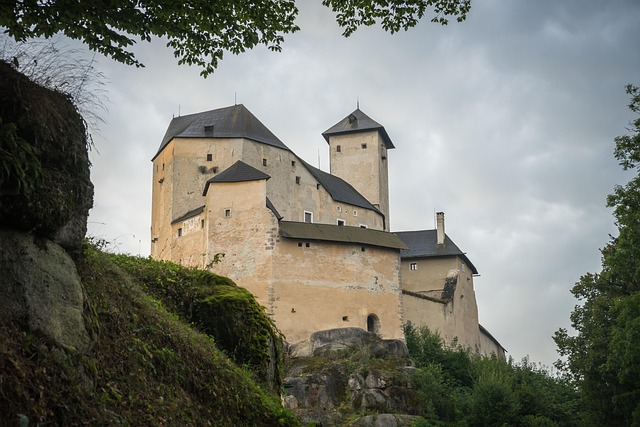
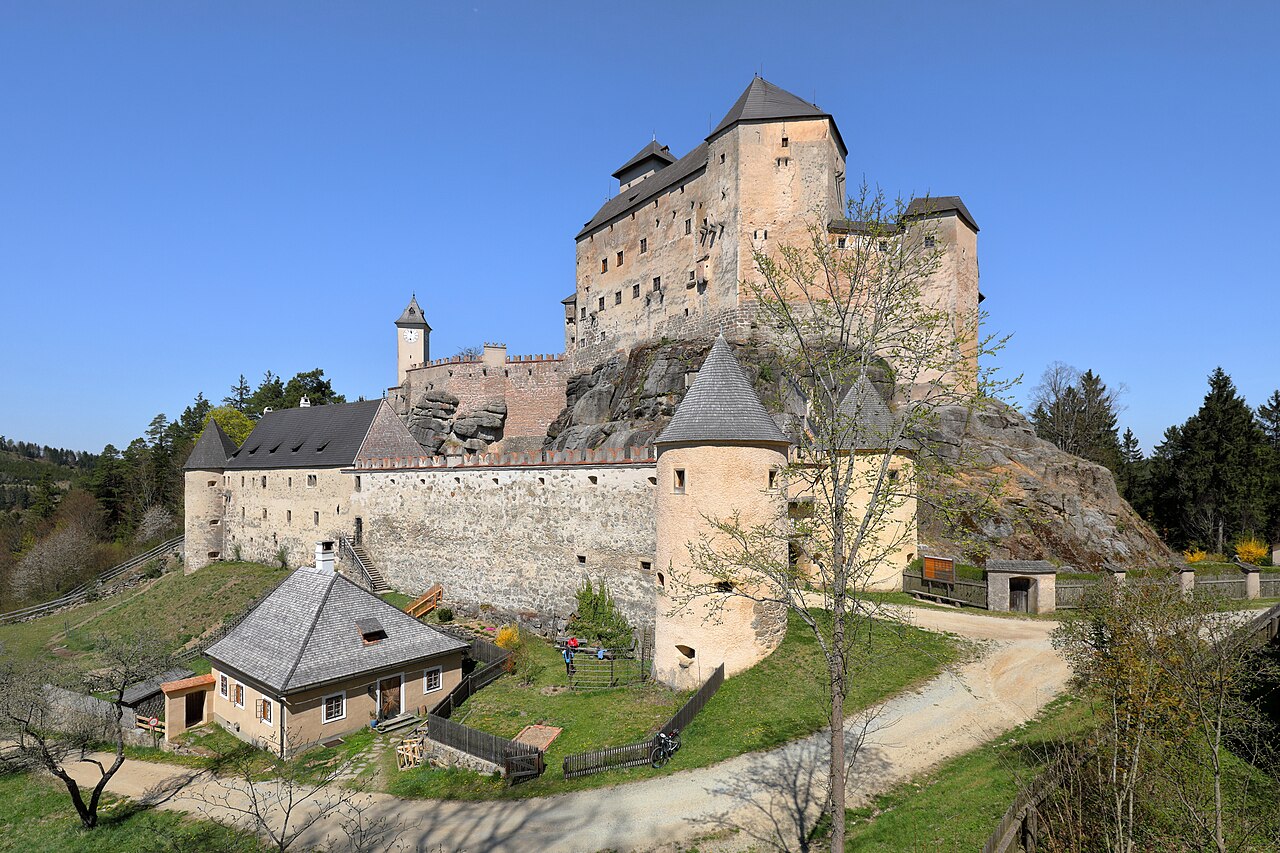
Arbesbach Castle, also called Burg Arbesbach and nicknamed the "Stockzahn des Waldviertel" (Toothpick of the Waldviertel), is a notable medieval hill castle located in the village of Arbesbach, in the province of Lower Austria. Perched atop a 22-meter-high granite rock, this castle commands impressive views over the surrounding Waldviertel region, a feature that has contributed to its historical strategic importance and modern tourist appeal.
Medieval origins and strategic role
The castle was constructed in the late 12th century by Hadmar II of Kuenring, a prominent noble of the era. Its primary function was as a border fortification, protecting the Kuenring family’s lands from incursions by Slavic groups to the north. Situated approximately 15 kilometers from the larger Rappottenstein Castle, Arbesbach served as an outwork or forward defense post, enhancing the security network of the region.
Architectural features and layout
Arbesbach Castle is characterized by its pentagonal keep, which rises about 25 meters high directly on the granite outcrop. This keep was the central defensive and residential structure of the castle, designed to maximize visibility and defensibility. At the base of the rock, there was a small bailey that likely contained auxiliary buildings and served as a courtyard for daily activities and defense.
The castle’s location on a rocky hill classifies it as a hill castle, a common medieval defensive strategy that leveraged natural topography for protection. The use of granite rock as a foundation provided a solid base and made direct assault difficult for attackers.
Destruction and decline
In 1480, Arbesbach Castle was attacked and destroyed by a band of Bohemian troops. The damage was severe enough that the castle was never fully rebuilt afterward. During the 16th century, the keep partially collapsed, accelerating the ruinous state of the structure. Following this collapse, the castle was abandoned and gradually fell into disrepair.
Restoration and modern use
Despite its ruinous condition, the castle retained cultural significance. In 1884, the Austrian Tourist Club undertook partial restoration of the keep. They installed a wooden structure inside the tower to serve as a panoramic viewing platform, which they named the Alexanderwarte. This adaptation allowed visitors to appreciate the extensive views over the Waldviertel region.
Later, in 1975, the wooden stair tower was replaced with a more durable stone structure, improving safety and longevity. Today, Arbesbach Castle is accessible to visitors, who can obtain the key to the ruin from a local bakery, a unique and charming arrangement that reflects the castle’s integration into the local community.
Visitor experience and significance
While the castle remains a ruin, its setting on a granite outcrop offers spectacular views that attract tourists and history enthusiasts. The combination of medieval architecture, natural landscape, and panoramic vistas makes Arbesbach Castle a noteworthy destination in Lower Austria.
The castle’s history as a border fortification and its association with the powerful Kuenring family provide valuable insights into the medieval defensive networks of the region. Its partial restoration and continued preservation efforts highlight the cultural importance of maintaining such historical sites.
Visitors interested in medieval architecture will appreciate the castle’s pentagonal keep design, which is relatively rare and demonstrates advanced defensive planning for its time. The castle’s ruinous state also offers a tangible connection to the turbulent history of the region, marked by conflicts such as the Bohemian raids.
Architectural details
- The pentagonal keep is a distinctive feature, standing prominently on the granite rock.
- The small bailey at the base was likely used for daily activities and as a secondary defensive area.
- The castle’s construction utilized the natural granite outcrop for enhanced defense.
- The 19th and 20th-century restorations focused on making the keep accessible and safe for visitors.
Historical context
- Built in the high medieval period, reflecting the feudal power structures of the time.
- Functioned as a strategic outwork for the Kuenring family’s main stronghold.
- Destroyed in the late 15th century during regional conflicts involving Bohemian forces.
- Partial collapse in the 16th century led to abandonment and ruin.
Visitor information
- Access requires obtaining a key from a local bakery, adding a unique local flavor to the visit.
- The castle offers panoramic views from the restored viewing platform.
- The site is open for a small fee, making it accessible to a broad range of visitors.
Frequently asked questions (FAQ)
- How do I get to Arbesbach Castle?
- Arbesbach Castle is located in the picturesque town of Arbesbach, Austria. You can reach it by car via the B38 road or by using public transportation, with the nearest train station located in the nearby town of Zwettl. Local buses may also provide access, making it convenient for visitors.
- What is the historical significance of Arbesbach Castle?
- Arbesbach Castle boasts a rich history dating back to the 13th century, originally built for defense purposes. It has served various roles throughout the centuries, including a noble residence and a strategic military site. Today, the castle stands as a testament to medieval architecture and Austrian heritage.
- When was Arbesbach Castle built?
- Construction of Arbesbach Castle began in the early 1200s, and it was completed in the subsequent decades. The castle was designed to withstand sieges and has been preserved through various renovations over the centuries. Its historical architecture reflects the styles and needs of the times in which it was built.
- Can I take guided tours of Arbesbach Castle?
- Yes, guided tours of Arbesbach Castle are available and highly recommended to fully appreciate its history and architecture. Knowledgeable guides lead visitors through the castle, sharing fascinating stories and insights into its past. Be sure to check the schedule for tour times when planning your visit.
- Why is Arbesbach Castle considered an architectural gem?
- Arbesbach Castle is considered an architectural gem due to its well-preserved medieval structures and unique design elements. The castle features impressive stone walls, elegant towers, and historical artifacts that highlight its significance. Visitors can admire the blend of functionality and beauty that characterizes many castles of this era.
- Is it possible to host events at Arbesbach Castle?
- Yes, Arbesbach Castle offers facilities for hosting various events, including weddings and corporate gatherings. The scenic location and historical ambiance provide a unique setting for special occasions. Interested parties should contact the castle management for more details on availability and arrangements.
- What are the opening hours of Arbesbach Castle?
- Arbesbach Castle is typically open to visitors from May to October, with varying hours depending on the season. It is advisable to check the official website or contact the castle for the most accurate and up-to-date information regarding opening times before planning your visit.
- What are the ticket prices for visiting Arbesbach Castle?
- Ticket prices for Arbesbach Castle are generally affordable, with discounts available for students and seniors. Children under a certain age may receive free admission, making it a great family outing. Always check the castle's official website for the latest pricing and any special promotions.
- What is the best time to visit Arbesbach Castle?
- The best time to visit Arbesbach Castle is during the spring and summer months when the weather is pleasant and the gardens are in full bloom. This period also coincides with the castle's operational schedule, allowing for the most comprehensive experience. Additionally, special events and festivals are often held during these months, enhancing your visit.
- Are there any nearby attractions to visit along with Arbesbach Castle?
- Yes, there are several nearby attractions worth exploring, including the charming town of Zwettl and its historic abbey. Nature enthusiasts can enjoy the beautiful landscapes of the Waldviertel region, which offers hiking and outdoor activities. Combining a visit to Arbesbach Castle with these nearby sites makes for a delightful day trip.
Information
Address
Arbesbach 59, Austria
Loading map...
Visitor reviews
No reviews yet. Been here? Write the first review and help other travelers!
Write the first reviewVisited this castle? Share your experience
Your review helps other travelers and adds first-hand knowledge to our encyclopedia.