Burg Rappottenstein
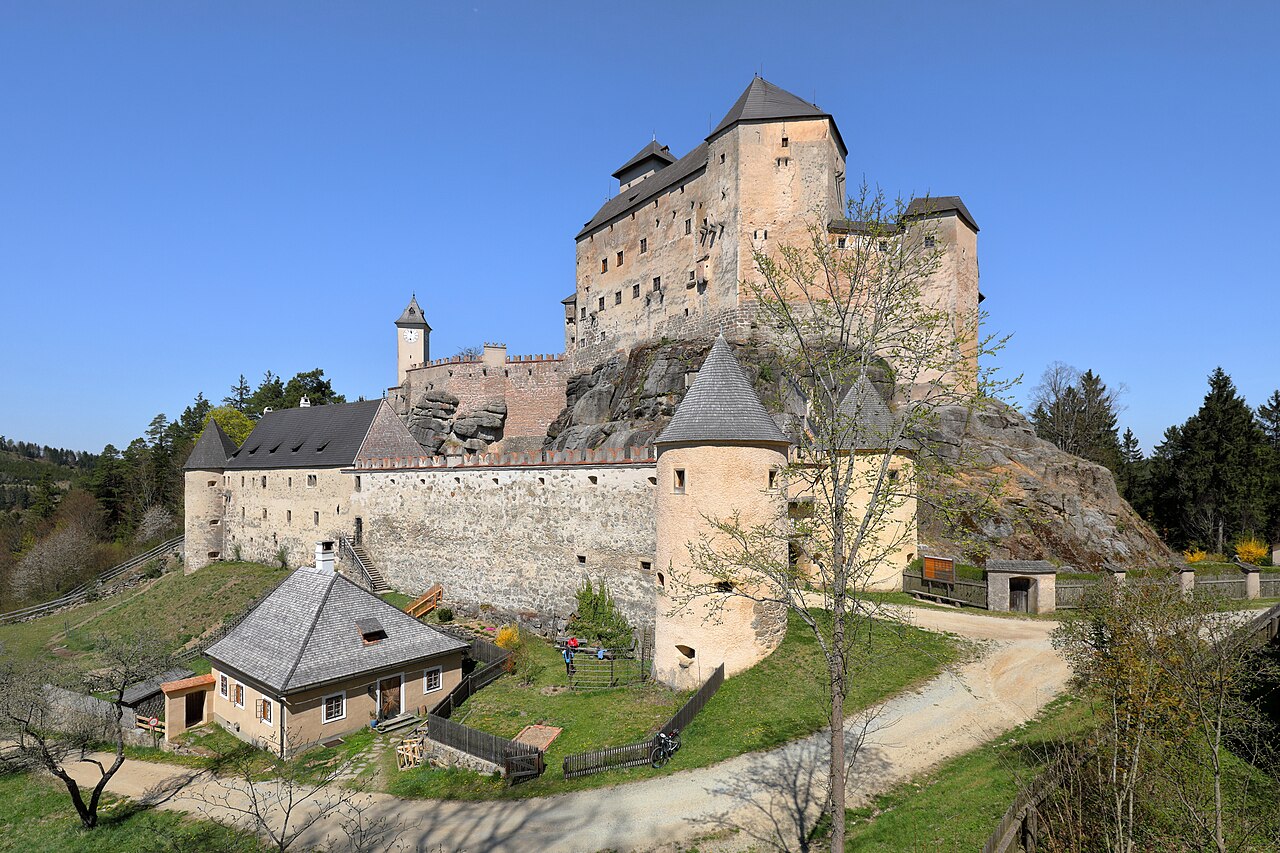
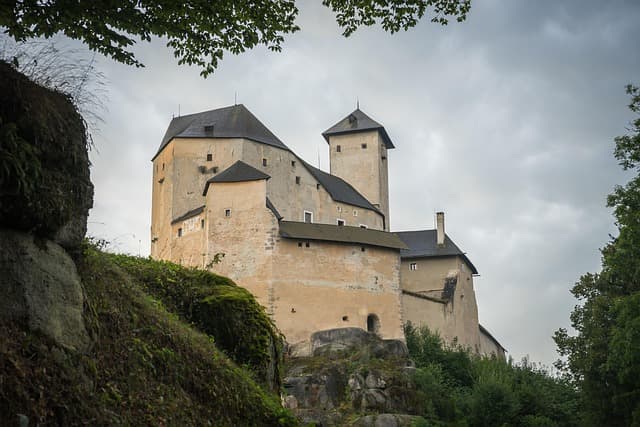
Burg Rappottenstein is a remarkable example of a medieval hill castle located in the north-western part of Lower Austria, within the scenic Waldviertel region. Built around the 12th century, this fortress stands on a high rocky hill, showcasing an elongated north-south layout that reflects its strategic and architectural evolution over centuries. It is renowned for being one of the best-preserved castles in Austria, having never been conquered, which has allowed it to retain much of its original structure and interiors.
The castle was originally constructed circa 1150 by Count Rapoto von Kuenring, a prominent nobleman and vassal to the Babenberg dukes. Burg Rappottenstein was established primarily to protect the hereditary lands of the Kuenring family and to oversee the Griessteig trade route, an ancient branch of the Behamsteig route connecting the Danube River to northern Bohemia through dense forests. This positioning made the castle a critical defensive stronghold along the Kamp River valley, forming part of a chain of fortifications designed to shield Austrian territories from Bohemian incursions.
Historical significance and ownership lineage
Throughout its history, Burg Rappottenstein played a vital role in regional defense and governance. After the end of the Kuenring family male line, the castle passed through several noble families, including the von Dachsberg in 1305, the von Starhemberg in 1423, and the lords von Landau in 1546. Each family contributed to the castle's maintenance and fortification, ensuring its continued importance as both a residence and a military bastion.
The castle's defensive capabilities were put to the test during two notable sieges. In 1597, it successfully resisted an attack by local peasants, demonstrating its robust fortifications. Later, during the Thirty Years' War in 1645, Swedish forces laid siege to Burg Rappottenstein but ultimately failed to capture it, underlining its strategic resilience.
In 1664, the castle was acquired by the counts von Abensperg und Traun, who remain its owners to this day. The family also owns several nearby estates, including Wolkersdorf, Maissau, and Petronell. Remarkably, Burg Rappottenstein survived both World Wars without damage, thanks to careful preservation efforts by its owners who maintained the original interiors and facades.
Architectural features and styles
Burg Rappottenstein is an architectural palimpsest, combining elements from the Romanesque, Gothic, and Renaissance periods. The oldest section of the castle is the southern tower, built in the sturdy Romanesque style, characterized by its massive walls and simple, rounded arches.
The eastern wing reflects the Gothic architectural style and houses several significant rooms, including the castle chapel, the knights’ hall, the kitchen, and the archive room. The archive room is particularly notable for its Gothic star-shaped vault and intricate frescoes painted in the distinctive Danube School style, which add artistic and historical value to the fortress.
Renaissance influences are evident in the western wing's arcades, the brewery, and the two gate towers. The entrance towers are remarkable for their double machicolation — a rare defensive feature allowing defenders to drop objects onto attackers below. Originally, the castle's gates were protected by drawbridges, which were later replaced by more durable stone bridges.
The second gate, adorned with sgraffito decoration, served as the main entrance until 1548. The castle's third courtyard contains various utility buildings, a water cistern, and the infamous "Hunger Tower", a dungeon with a legendary reputation for harsh imprisonment.
Inner courtyard and chapel details
The main inner courtyard is framed by three-story Renaissance arcades on the western side, providing a grand and elegant space within the fortress. The knights’ hall borders the east and south sides, while the knights’ kitchen lies to the north. A garden terrace crowned by a clock tower is located in the northern part of the castle. The clock is unique for having only an hour hand and requires daily winding of its weight-driven mechanism, reflecting the technological practices of its time.
The Gothic castle chapel, consecrated in 1379, is a two-story structure with walls approximately three meters thick, emphasizing its defensive as well as spiritual function. Inside, twelve consecration crosses mark the walls, and the vault ribs rest on intricately carved corbels. The chapel's 15th-century winged altar was restored in 1947, preserving its religious and artistic heritage.
Modern use and preservation
Today, Burg Rappottenstein serves a unique social function as the home of the Kinderburg Rappottenstein rehabilitation center. Operated by the Lower Austrian Red Cross, the center provides psychological support and trauma therapy for children, including hippotherapy using horses housed in the castle's stables. This adaptive reuse highlights the castle's ongoing relevance and the successful preservation of its historic fabric.
Some architectural elements from Burg Rappottenstein, such as ceiling panels, door paneling, and doors dating from around 1600, are preserved and displayed in the Luisenzimmer of Franzensburg Castle in Laxenburg, demonstrating the castle's influence on regional heritage and craftsmanship.
The fortress remains largely intact, with original interiors and facades carefully maintained, making it a valuable cultural monument and a testament to medieval castle architecture and noble life in Austria.
Cultural impact and media representation
Burg Rappottenstein has also attracted attention through media, notably featuring in a German television program that explored medieval life based on the castle's inner workings. This portrayal has helped raise public awareness of the castle's historical significance and the daily realities of castle inhabitants during the Middle Ages.
Its combination of architectural styles, historical resilience, and modern social role make Burg Rappottenstein a fascinating subject for historians, architects, and visitors alike.
Frequently asked questions (FAQ)
- How do I get to Burg Rappottenstein?
- Burg Rappottenstein is located in the picturesque village of Rappottenstein, Austria. You can reach the castle by car, with ample parking available nearby. Public transportation options, such as trains and buses, can also get you close to the area, followed by a short walk to the castle.
- What are the opening hours for Burg Rappottenstein?
- Burg Rappottenstein is typically open to visitors from April to October, with varying hours depending on the month. During the peak months, the castle usually opens daily from 10 AM to 6 PM. It’s advisable to check the official website for any seasonal changes or special events that might affect opening hours.
- Can I take a guided tour of the castle?
- Yes, guided tours are available at Burg Rappottenstein, providing an in-depth look at its rich history and stunning architecture. Tours are usually conducted in multiple languages, allowing visitors to fully appreciate the castle's significance. It’s recommended to book your tour in advance, especially during peak tourist seasons.
- What is the historical significance of Burg Rappottenstein?
- Burg Rappottenstein dates back to the 12th century and is one of the best-preserved medieval castles in Austria. It played a crucial role in the region's defense and served as a noble residence throughout its history. The castle is also a symbol of the local heritage and offers insights into the medieval way of life.
- Is it possible to host events at Burg Rappottenstein?
- Yes, Burg Rappottenstein offers event spaces for various occasions, including weddings, corporate events, and cultural gatherings. The unique atmosphere of the castle provides a memorable backdrop for any event. It’s best to contact the castle administration for specific details and availability.
- When is the best time to visit Burg Rappottenstein?
- The best time to visit Burg Rappottenstein is during the spring and early autumn months when the weather is mild and the landscape is particularly beautiful. These seasons offer pleasant conditions for exploring the castle and its surroundings. Additionally, visiting during special events or festivals can enhance your experience.
- What are the ticket prices for visiting Burg Rappottenstein?
- Ticket prices for Burg Rappottenstein are generally affordable, with discounts available for children, students, and seniors. Entrance fees help maintain the castle and support its preservation efforts. It’s advisable to check the castle’s official website for the latest pricing and any special offers that may be available.
- Is Burg Rappottenstein accessible for visitors with disabilities?
- Burg Rappottenstein strives to be accessible to all visitors, but due to its medieval architecture, some areas may pose challenges for those with mobility impairments. The castle provides certain accommodations and accessible routes, but it’s best to contact the administration beforehand for specific inquiries regarding accessibility options.
- What nearby attractions can I visit while at Burg Rappottenstein?
- While visiting Burg Rappottenstein, you can also explore the stunning natural landscapes of the surrounding Waldviertel region. Nearby attractions include the picturesque village of Rappottenstein and the beautiful hiking trails in the area. Additionally, you can visit other historical sites, such as nearby castles and museums, to enrich your experience.
Photo gallery

Photo by Leonhard_Niederwimmer
Information
Website
Visit websiteSources & official resources
Verify the information above using these authoritative references.
Loading map...
Visitor reviews
No reviews yet. Been here? Write the first review and help other travelers!
Write the first reviewVisited this castle? Share your experience
Your review helps other travelers and adds first-hand knowledge to our encyclopedia.