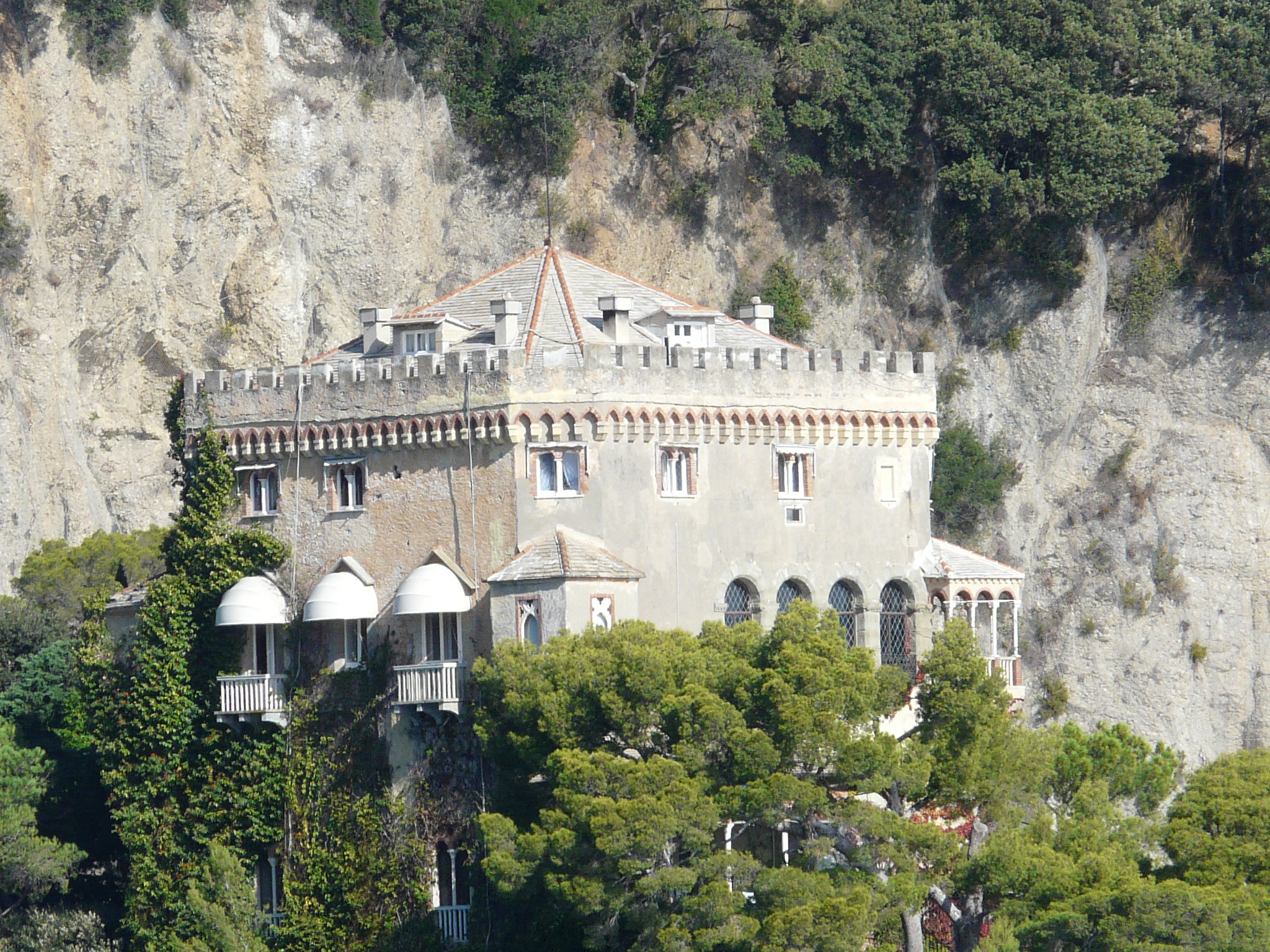
Rapallo Castle
Rapallo Castle stands as a remarkable example of a Renaissance coastal fortress strategically positioned on the seafront promenade of Rapallo, a picturesque town in the Liguria region of Italy. Constructed in 1551 by the Republic of Genoa, the castle was a direct response to the frequent and devastating pirate raids that threatened the coastal communities of the western Tigullio Gulf. Its location, architectural design, and historical evolution reflect the urgent defensive needs of the mid-16th century maritime republic and the subsequent administrative and cultural roles it played over the centuries.
The castle's inception was prompted by a catastrophic assault on Rapallo by the famed Turkish corsair Dragut on July 4, 1549. This raid resulted in numerous kidnappings and widespread destruction, exposing the town's vulnerability due to the lack of adequate fortifications. Prior to the castle's construction, Rapallo relied on scattered watchtowers and tall houses near the marina for defense, which proved insufficient against seaborne threats. In response, the Genoese Senate commissioned the building of a robust fortress to secure the shoreline and protect the local population.
Architectural design and features
Rapallo Castle exhibits a compact, rectangular plan with rounded corners, a common design choice in Renaissance military architecture intended to deflect artillery fire and reduce blind spots. The fortress is dominated by a massive square tower rising from the landward side, which served as a vantage point for surveillance and defense. The main entrance is accessed via a sturdy stone staircase, emphasizing controlled access to the interior.
On the seaward side, the castle features a small sentry box that leans precariously over the water, offering guards a clear view of the gulf and early warning of approaching vessels. Adjacent to the entrance, a modest belfry stands elevated, its bell historically used to signal alarms or mark time. The fortress walls are constructed from durable materials capable of withstanding the harsh marine environment, including persistent storms and salt corrosion, factors that have necessitated periodic restoration efforts.
Within the castle grounds lies a small chapel dedicated to Saint Cajetan, built in 1688. The chapel is distinguished by its elegant dome and bell tower, architectural features that contribute to the castle's distinctive silhouette against the coastal skyline. This religious structure underscores the multifaceted nature of the fortress, serving not only military but also spiritual needs of its occupants.
Historical context and evolution
Construction and early use
The construction of Rapallo Castle began in 1550, following a detailed assessment by Captain Gregorio Roisecco, who evaluated the town's defensive shortcomings. The project was funded by a special tax levied on the residents of Rapallo, raising 1,770 Genoese lire. The initial design was attributed to Antonio de Càrabo, whose plans emphasized both functionality and resilience against pirate incursions and natural elements.
The fortress was completed swiftly, with its inauguration on May 10, 1551, under the governance of Benedetto Fieschi Raggio. It formed part of a broader network of coastal defenses that included fortresses at Portofino, Paraggi, Santa Margherita Ligure, and Punta Pagana. This system was designed to secure the western Ligurian coastline from Ottoman and Barbary pirate threats, which were prevalent throughout the Mediterranean during this period.
Administrative and military roles
Throughout the 17th century, Rapallo Castle's role expanded beyond pure military defense. In 1608, it became the headquarters for the local captaincy, serving administrative functions and housing a temporary prison. This dual use reflected the castle's strategic importance in maintaining law and order in the region.
By 1645, the captaincy relocated, but the fortress continued to serve as a prison well into the 19th century. Following the unification of Italy, the castle was transferred to the Kingdom of Italy in 1866. It then became the base for the Guardia di Finanza, Italy's financial law enforcement agency, and operated as a district jail, highlighting its continued utility in state security and justice.
Restoration and cultural significance
In the mid-20th century, the municipality of Rapallo acquired the castle in 1958 and initiated preservation efforts beginning in 1963. These early restorations included the installation of protective rock barriers at the base of the castle to prevent wave damage, a necessary measure due to its direct exposure to the sea.
A major restoration project took place between 1997 and 1999, led by Professor Benito Paolo Torsello and funded by the European Union and Italy’s Ministry of Cultural Heritage. This comprehensive work addressed structural repairs, restoration of internal floors, fixtures, and modernization of electrical systems, ensuring the castle's preservation for future generations while adapting it for contemporary cultural use.
Today, Rapallo Castle is a well-preserved Renaissance fortress and an Italian national monument. It serves as a prestigious venue for exhibitions, conferences, and cultural events, integrating its historical legacy with modern community life. The castle remains a focal point of local identity and tradition, notably during the annual celebrations honoring Our Lady of Montallegro. On the evening of July 3, a spectacular pyrotechnic display symbolically "burns" the castle with colorful fireworks and smoke, a ritual that draws visitors and locals alike.
Unique characteristics and legacy
Unlike many Ligurian castles situated on hills or inland, Rapallo Castle's unique position directly on the seafront makes it a distinctive maritime fortification. Its compact design and robust construction allowed it to withstand the dual challenges of military threats and the harsh coastal environment.
The castle's evolution from a defensive bastion to a multifunctional site encompassing military, administrative, religious, and cultural roles exemplifies the adaptive reuse of historic structures. Its enduring presence enhances the scenic beauty of Rapallo's coastline and offers visitors a tangible connection to the region's turbulent maritime history.
In summary, Rapallo Castle is a testament to the ingenuity and resilience of Renaissance military architecture, the strategic foresight of the Republic of Genoa, and the ongoing commitment to heritage preservation in Liguria. Its story encapsulates centuries of coastal defense, community resilience, and cultural celebration, making it a significant landmark in Italy's rich tapestry of historic castles.
Frequently asked questions (FAQ)
- How do I get to Rapallo Castle?
- Rapallo Castle is conveniently located in the beautiful seaside town of Rapallo, Italy. You can reach it by taking a train to Rapallo station and then enjoying a scenic walk along the waterfront, which takes about 15 minutes. There are also local buses that can drop you near the castle if you prefer public transport.
- What is the historical significance of Rapallo Castle?
- Rapallo Castle, built in the 16th century, served as a defensive structure against pirate attacks in the Ligurian Sea. Its strategic location on the coastline allowed it to protect the harbor and the town from invasions. Today, it stands as a symbol of Rapallo's rich maritime history and is a popular sightseeing destination.
- When was Rapallo Castle constructed?
- Construction of Rapallo Castle began in 1550 and was completed in 1553. The castle was commissioned by the Republic of Genoa to fortify the area against constant threats from pirates and invaders. Its well-preserved architecture offers visitors a glimpse into the military engineering of the Renaissance period.
- Can I enter Rapallo Castle and explore its interior?
- Yes, visitors can enter Rapallo Castle and explore its interior, which includes exhibitions that highlight its historical significance and architectural features. The castle often hosts cultural events and art displays, providing a unique experience for visitors. Be sure to check the schedule for any special exhibitions during your visit.
- Why is Rapallo Castle a popular tourist attraction?
- Rapallo Castle attracts visitors due to its stunning views of the Gulf of Tigullio and its picturesque setting along the coast. Additionally, its rich history and well-preserved architecture make it an essential stop for anyone interested in the cultural heritage of the region. The combination of history, beauty, and accessibility keeps tourists coming back.
- Is it possible to take guided tours of Rapallo Castle?
- Yes, guided tours of Rapallo Castle are available, providing in-depth insights into its history and architecture. These tours often include access to areas not typically open to the public, enhancing the visitor experience. It’s advisable to book in advance, especially during the peak tourist season.
- What are the opening hours for Rapallo Castle?
- Rapallo Castle is open to visitors year-round, but the opening hours may vary depending on the season. Generally, it opens at 10 AM and closes around 6 PM, with extended hours during the summer months. Always check the official website for the most current information before your visit.
- What are the ticket prices for Rapallo Castle?
- The ticket prices for Rapallo Castle are quite reasonable, with discounts available for students and seniors. Children under a certain age often enter for free, making it an affordable outing for families. Group rates are also available, so consider visiting with friends or family for added savings.
- What is the best time to visit Rapallo Castle?
- The best time to visit Rapallo Castle is during the spring and early fall when the weather is pleasant, and the crowds are manageable. Visiting during these seasons allows you to enjoy the stunning coastal views and the surrounding gardens at their best. Summer can be hot and crowded, but the castle offers a refreshing spot to take in the scenery.
- Are there any nearby attractions to explore after visiting Rapallo Castle?
- Yes, after visiting Rapallo Castle, you can explore several nearby attractions such as the beautiful beaches of Rapallo, the charming town center, and the scenic promenade. A short boat ride can also take you to the picturesque towns of Portofino and Santa Margherita Ligure. These nearby destinations offer additional cultural experiences and breathtaking views of the Italian Riviera.
Information
Loading map...
Visitor reviews
No reviews yet. Been here? Write the first review and help other travelers!
Write the first reviewVisited this castle? Share your experience
Your review helps other travelers and adds first-hand knowledge to our encyclopedia.