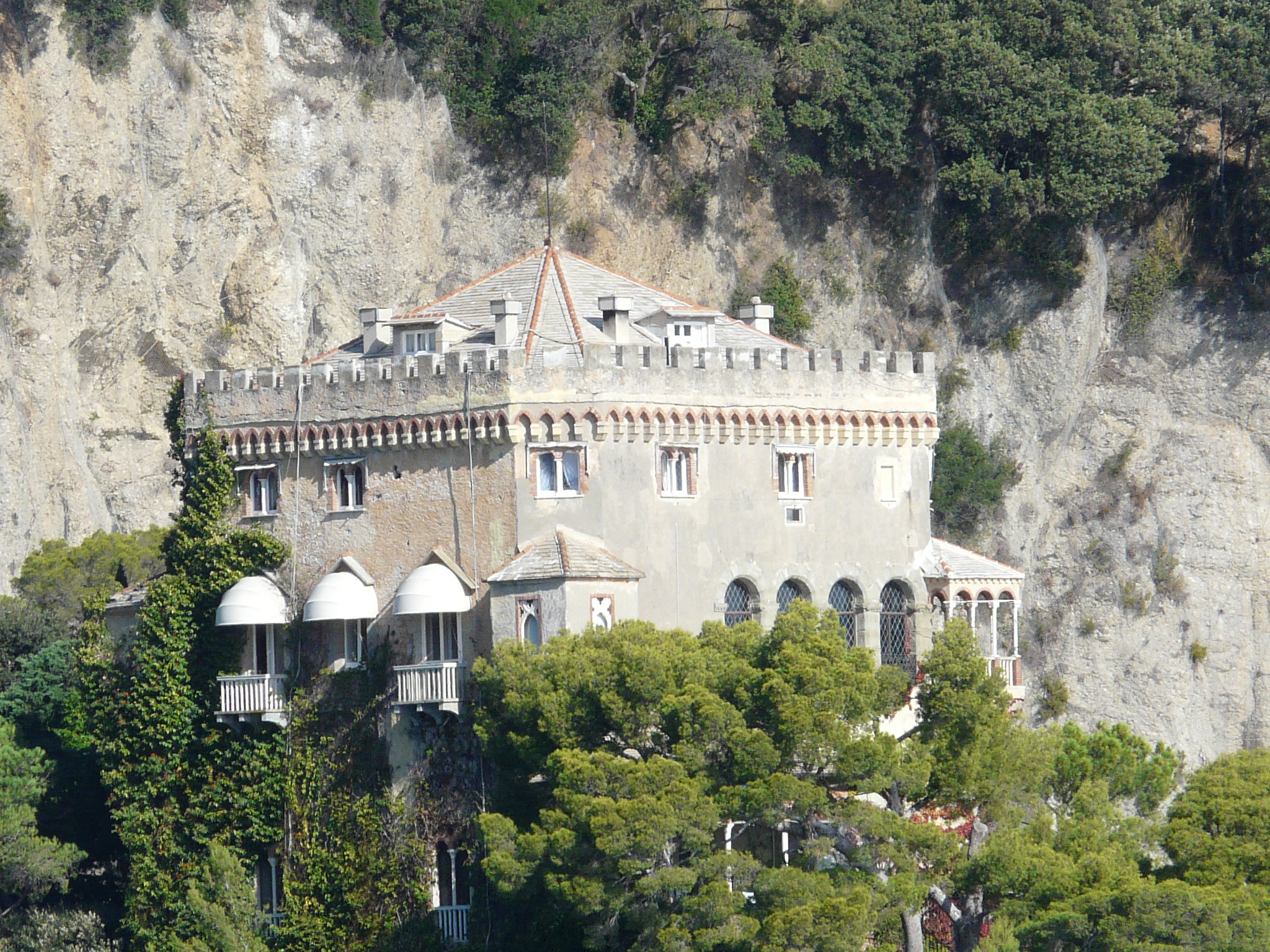
Punta Pagana Fortress
Punta Pagana Fortress is a prominent example of Renaissance military architecture located in Rapallo, Italy. Constructed in 1625 by the Republic of Genoa, this coastal fortress played a key role in the defensive network safeguarding the western Tigullio gulf. Alongside the nearby Castello di Santa Margherita Ligure and Castello di Rapallo, it formed a strategic barrier against potential naval and land assaults during a period of heightened conflict with the Duchy of Savoy.
Historical context and strategic importance
The genesis of Punta Pagana Fortress was directly linked to the escalating tensions between the Republic of Genoa and Charles Emmanuel I, Duke of Savoy. Fears of invasion prompted Genoa to bolster its coastal defenses to protect vital settlements and maritime routes. Construction began in April 1625, funded by newly imposed taxes that ensured rapid progress and the procurement of necessary materials and labor.
By December 1625, significant structural elements such as the moat and drawbridge were already in place, demonstrating the urgency and efficiency of the project. The fortress was fully completed and commissioned on 28 July 1631, equipped with ample weapons, ammunition, and gunpowder to withstand sudden attacks.
Architectural features and design
Punta Pagana Fortress exemplifies the Renaissance style of military fortifications, characterized by robust stone walls designed to resist cannon fire and a compact layout optimized for defense. The fort's design includes a moat surrounding the structure, accessed via a drawbridge, which was a common defensive feature to deter enemy advances.
The fortress's walls are thick and angled to deflect artillery, and its position on the coast provided clear sightlines to monitor naval activity in the gulf. Internally, the fort contained storage for arms and provisions, barracks for soldiers, and command quarters. Its compact footprint reflects its role as a specialized coastal defense point rather than a large garrison.
Operational history and later use
Despite its formidable construction and readiness, Punta Pagana Fortress never engaged in battle. The nearby village of San Michele di Pagana remained free from pirate raids or enemy invasions during the fort's active period. In 1644, the Genoese senate ordered the fort to be abandoned militarily, with armaments transferred to Genoa, signaling a shift in strategic priorities.
Subsequently, the fortress was garrisoned by local militia and repurposed as the headquarters for the Commissariato di Sanità di Rapallo (Health Commissariat), reflecting its adaptation to peacetime administrative functions. The fort was briefly rearmed in 1684 following the Bombardment of Genoa by the French fleet, but again saw no combat and was finally abandoned as a military installation in 1705.
In the centuries that followed, Punta Pagana Fortress became part of the private estate of the adjacent Villa Pagana. In 1959, ownership transferred to the Sovereign Military Order of Malta, which maintains the property.
Cultural and architectural significance today
Today, Punta Pagana Fortress stands as a well-preserved example of early 17th-century coastal fortifications in the Ligurian region. Its Renaissance military architecture offers insights into the defensive strategies employed by maritime republics like Genoa during a volatile period in European history.
The fortress's integration into the landscape and its relationship with nearby castles highlight the coordinated nature of Genoa's coastal defense system. Visitors and scholars alike value the site for its historical associations and architectural integrity, even though it never experienced combat.
Architectural details and layout
The fortress's compact plan includes a rectangular bastioned structure with angled walls designed to maximize defense against cannon fire. The moat and drawbridge provided controlled access, while internal chambers served as storage and living quarters. The thick stone walls and limited openings reflect the emphasis on protection and surveillance.
Relationship with surrounding fortifications
Punta Pagana Fortress was part of a triad of fortifications along the western Tigullio gulf coastline. Together with Castello di Santa Margherita Ligure and Castello di Rapallo, it created overlapping fields of fire and observation posts to deter pirate incursions and hostile naval forces.
Preservation and access
Currently under the ownership of the Sovereign Military Order of Malta, the fortress is maintained as a historical monument. Its well-preserved condition allows for study and appreciation of Renaissance military engineering. While not always open to the public, it remains an important cultural landmark in the Liguria region.
Frequently asked questions (FAQ)
- How do I get to Punta Pagana Fortress?
- Punta Pagana Fortress is located in Rapallo, Italy, and can be easily reached by public transport or car. If you are traveling by train, take a local train to Rapallo station, and then it's a short walk or taxi ride to the fortress.
- What is the historical significance of Punta Pagana Fortress?
- Punta Pagana Fortress was built in the late 16th century as a defensive structure against pirate attacks in the Ligurian Sea. It played a crucial role in protecting the coastal towns of the area and is a significant part of Rapallo's maritime history.
- When was Punta Pagana Fortress constructed?
- The construction of Punta Pagana Fortress began in 1570 and was completed in 1580. It was built under the direction of the Republic of Genoa to fortify the region during a time of increased maritime threats.
- Can I enter Punta Pagana Fortress?
- Yes, visitors can enter Punta Pagana Fortress to explore its historical architecture and enjoy panoramic views of the coastline. Guided tours are often available to enhance your understanding of the fortress's history and significance.
- Why is Punta Pagana Fortress a popular tourist attraction?
- Punta Pagana Fortress is popular due to its stunning coastal location and rich history. Visitors are drawn to its picturesque views, well-preserved structure, and the chance to learn about the historical context of the area.
- Is it possible to visit Punta Pagana Fortress year-round?
- Yes, Punta Pagana Fortress is generally open for visits throughout the year, but it's best to check for any seasonal variations in opening hours. During the summer months, the fortress may have extended hours to accommodate more tourists.
- What are the ticket prices for Punta Pagana Fortress?
- Entrance to Punta Pagana Fortress is typically free, but there may be a small fee for guided tours or special events. It's advisable to check the official website or local tourist information for the most current pricing details.
- What are the opening hours for Punta Pagana Fortress?
- Punta Pagana Fortress usually opens in the morning and closes in the late afternoon, with hours varying seasonally. For the most accurate information, it's recommended to consult the official website or contact local tourism offices before your visit.
- What are some nearby attractions to Punta Pagana Fortress?
- Nearby attractions include the beautiful beaches of Rapallo, the historic town center, and the stunning views from Mount Portofino. Visitors can also explore the nearby Santa Margherita Ligure and the picturesque fishing village of Portofino.
Information
Loading map...
Visitor reviews
No reviews yet. Been here? Write the first review and help other travelers!
Write the first reviewVisited this castle? Share your experience
Your review helps other travelers and adds first-hand knowledge to our encyclopedia.