Ranthambore Fort
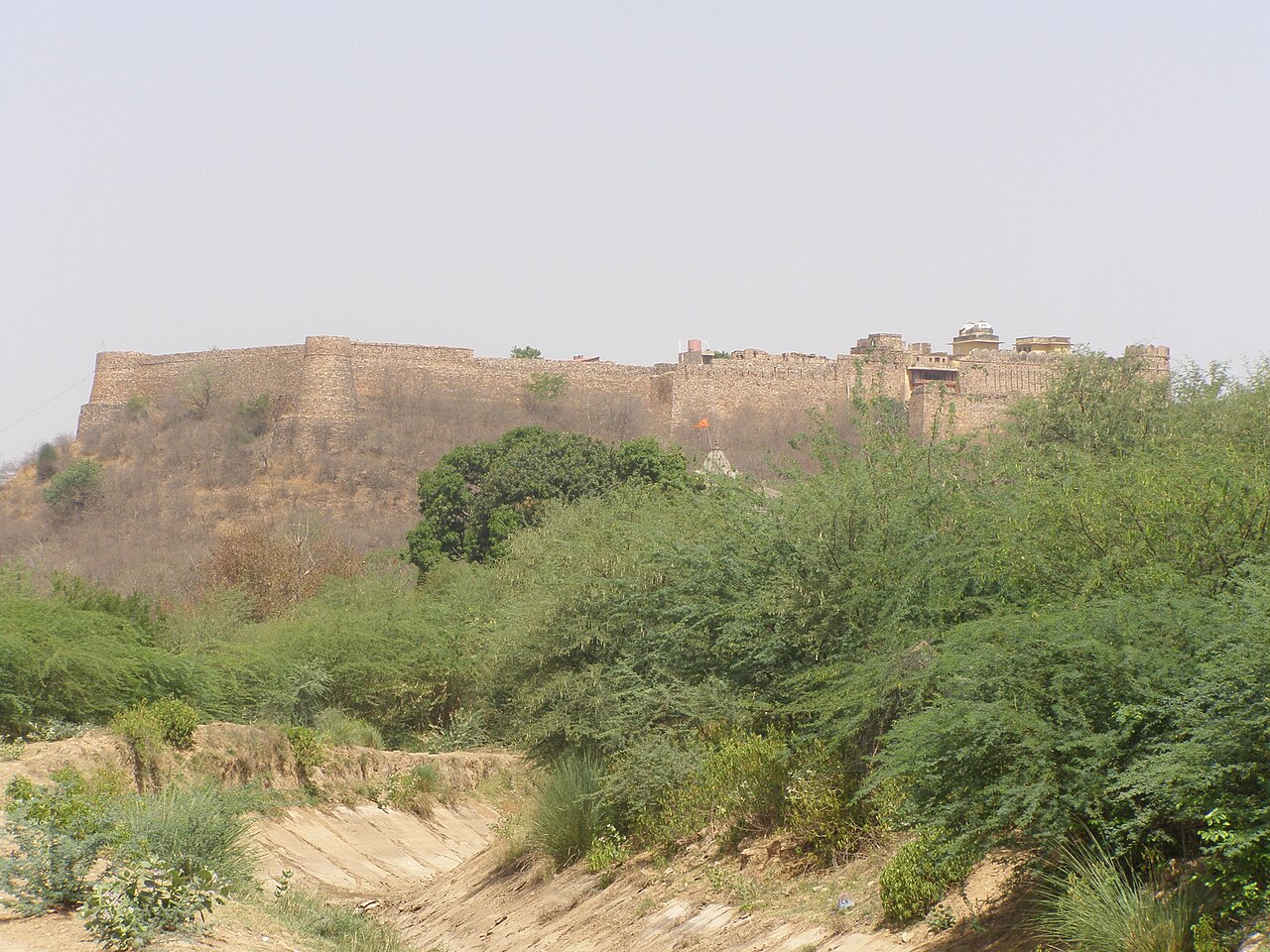
Ranthambore Fort is a monumental bastioned fortress located within the expansive Ranthambore National Park near the city of Sawai Madhopur in the Sawai Madhopur district of Rajasthan, India. This fortress stands as a significant relic of medieval Indian military architecture and history, renowned for its strategic position and robust construction. The park surrounding the fort was once the exclusive hunting grounds of the Maharajas of Jaipur until India's independence, adding to the cultural importance of the site. Today, the fort is a popular destination for tourists and history enthusiasts, offering sweeping views of the park's diverse wildlife and landscapes.
Early history and foundation
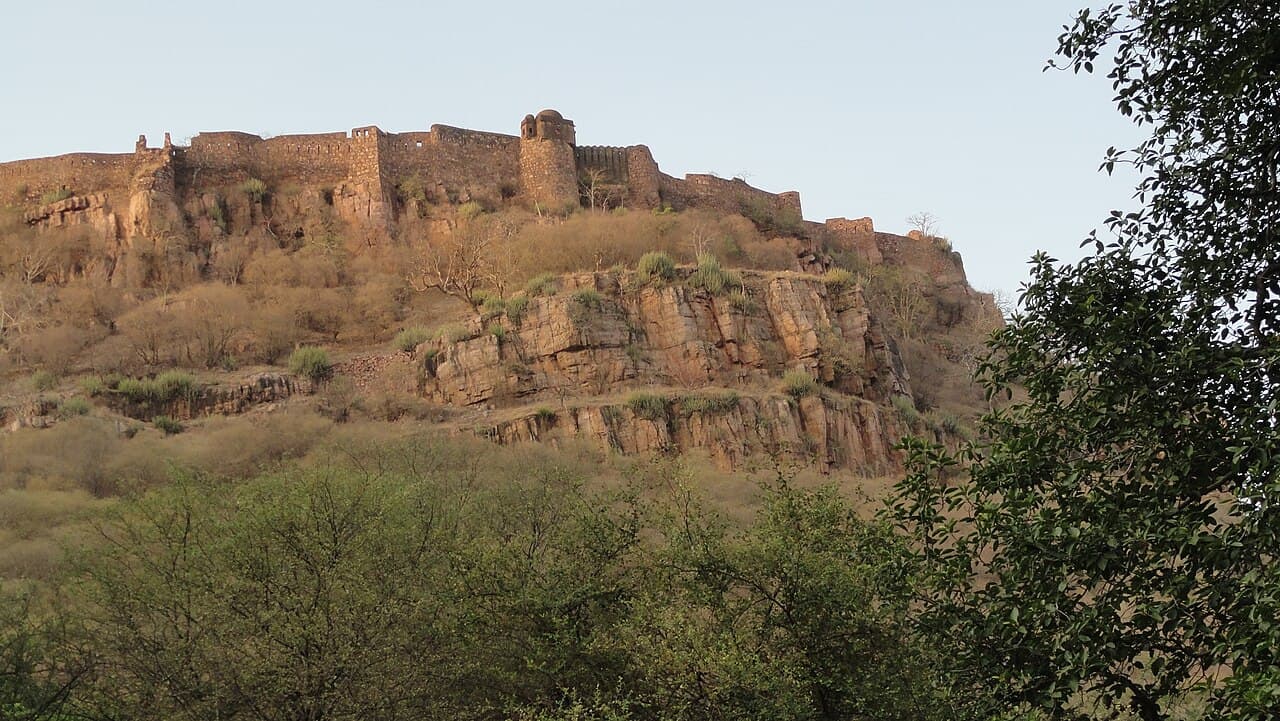
The origins of Ranthambore Fort date back to the 10th century, when Rajput King Sapaldaksha of the Chauhan dynasty laid its foundations. The fort's construction was an ongoing process, with successive rulers enhancing and expanding its defenses and internal structures over several centuries. Positioned atop a rocky outcrop approximately 700 feet above the surrounding plains, the fort's elevation provided a commanding view of the surrounding territory, making it a formidable stronghold.
Architectural features and fortifications
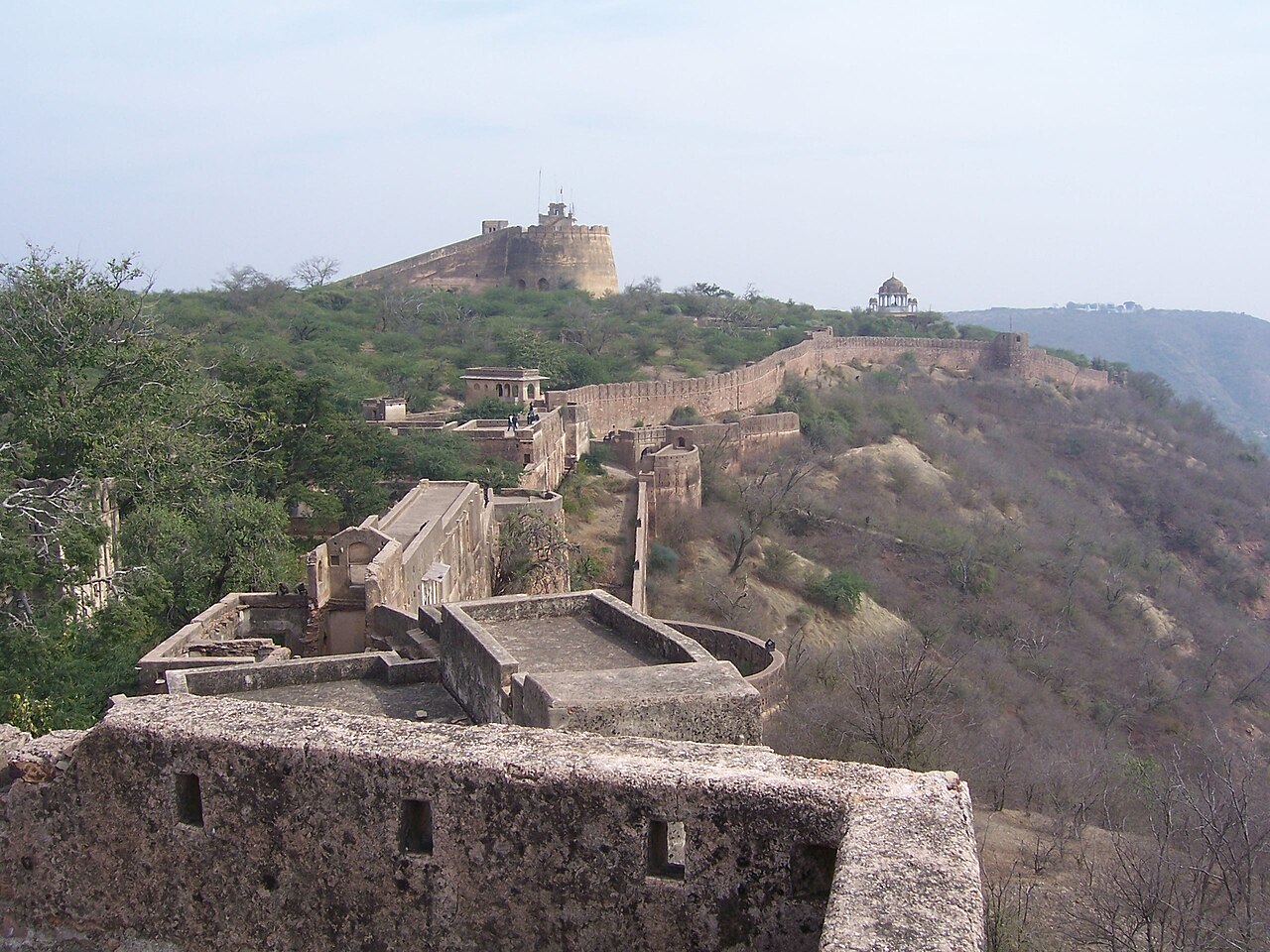
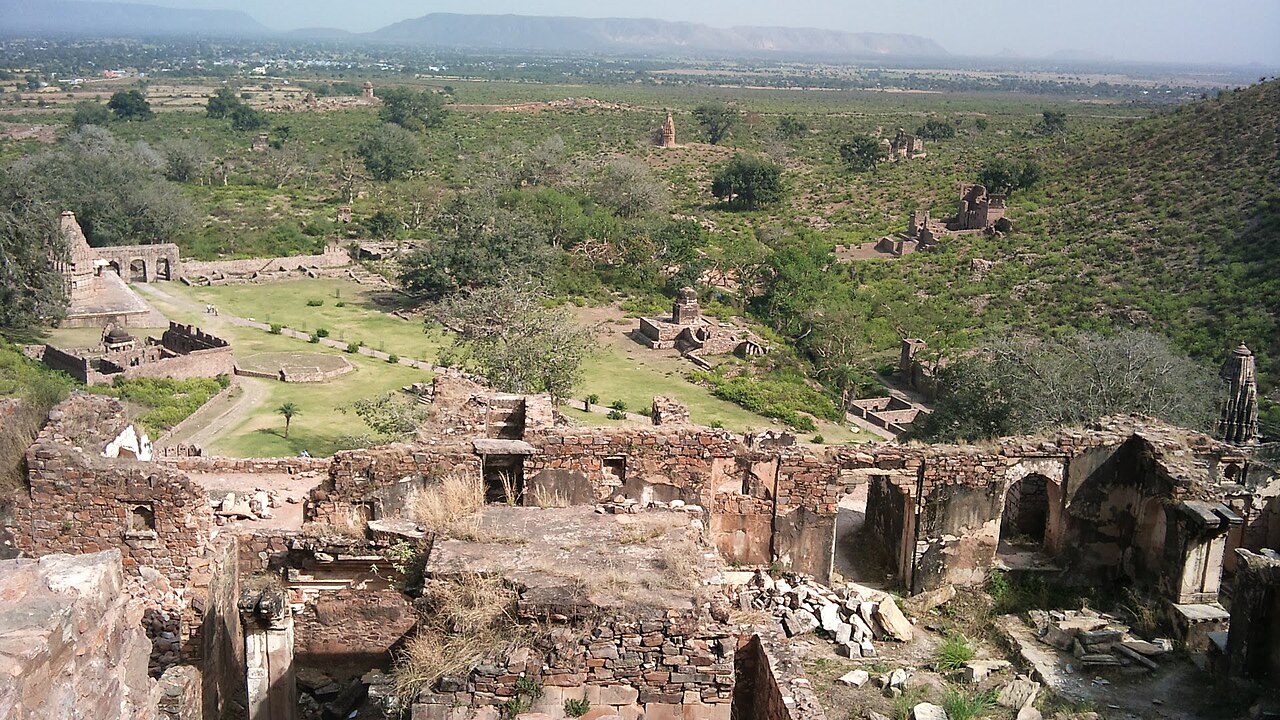
The fort exemplifies the characteristics of a bastioned fortress, featuring thick defensive walls reinforced with numerous bastions designed for artillery and archery. Its layout is adapted to the natural rocky terrain, integrating massive stone walls, gateways, and watchtowers that contribute to its impregnability. The fort complex includes several palatial buildings, temples, and water reservoirs, reflecting the dual military and residential purposes of the site. The massive gates and narrow entrances were strategically designed to slow down invading forces and provide defensive advantage to the garrison.
Strategic location and defense
Ranthambore Fort's position on a high hillock within a dense forest area made it difficult to besiege. The surrounding Ranthambore National Park provided natural camouflage and resources, while the fort's height allowed defenders to spot approaching enemies from a distance. The fort's design includes multiple layers of defense, including moats and fortified walls that were adapted over time to meet evolving military technologies.
Historical significance and rulers
Throughout its history, Ranthambore Fort was a coveted prize for many rulers due to its strategic importance. After its establishment by the Chauhans, it was contested by various powers including the Delhi Sultanate, the Hada Rajputs, and the Mewar kingdom. The fort was briefly held by the Delhi Sultanate during the medieval period, reflecting the turbulent power struggles in northern India. Later, it came under the control of the Marwar kingdom and the Mughal Empire, each leaving their mark on the fort's architecture and history.
Sieges and battles
Ranthambore Fort witnessed several significant sieges, including those led by Sultan Alauddin Khalji in the early 14th century. These sieges tested the fort's defenses and highlighted its reputation as an impregnable fortress. The fort's resilience during these conflicts is a testament to its robust design and the strategic acumen of its defenders.
Cultural and heritage importance
In recognition of its historical and architectural value, Ranthambore Fort was inscribed as a UNESCO World Heritage Site in 2013 during the 37th session of the World Heritage Committee held in Phnom Penh, Cambodia. It was listed as part of the group known as the Hill Forts of Rajasthan, which includes five other forts noted for their exemplary fortifications and cultural significance in the region.
Tourism and preservation
Today, Ranthambore Fort is well-preserved and accessible to visitors. It offers a unique blend of natural beauty and historical intrigue, attracting tourists interested in wildlife, history, and architecture. Guided tours often include visits to the fort's ancient temples, palaces, and battlements, providing insight into the life and times of the Rajput rulers. The fort's integration within the national park makes it a focal point for conservation and heritage tourism in Rajasthan.
Architectural style and construction period
The fort's architecture reflects the early medieval period of Indian history, with features typical of Rajput military construction. The use of bastions for defense, massive stone walls, and strategically placed gates are indicative of the military challenges of the time. While the core of the fort was built in the 10th century, later additions and renovations incorporated elements from successive rulers, creating a layered architectural narrative.
Materials and techniques
Constructed primarily from local sandstone and granite, the fort's walls and buildings demonstrate advanced masonry techniques of the period. The builders skillfully adapted the natural rock formations to enhance the fort's defenses, minimizing the need for artificial structures in some areas. Water harvesting systems within the fort ensured a reliable water supply during sieges, showcasing the ingenuity of its designers.
Frequently asked questions (FAQ)
- How do I get to Ranthambore Fort?
- Ranthambore Fort is located in Sawai Madhopur, India, and is accessible by road. The nearest railway station is Sawai Madhopur, which is about 10 kilometers away from the fort. You can hire a taxi or take local transportation to reach the fort from the station.
- What is the historical significance of Ranthambore Fort?
- Ranthambore Fort is a UNESCO World Heritage Site and played a crucial role in the history of Rajasthan. It was built in the 10th century and served as a strategic military outpost for the Rajput rulers. The fort's ruins reflect the rich heritage and architectural marvels of the period.
- When was Ranthambore Fort built?
- Ranthambore Fort was constructed in the 10th century, during the reign of the Chauhan dynasty. Its strategic location provided a vantage point over the surrounding area and was integral to the defense of the region. The fort has witnessed numerous battles and changes in rule throughout its history.
- Can I explore the fort on my own?
- Visitors can explore Ranthambore Fort independently, but guided tours are also available for a more informative experience. The fort has several pathways and ruins that can be navigated without a guide, allowing for personal exploration at your own pace. However, hiring a guide can enrich your visit with historical context.
- Why is Ranthambore Fort a popular tourist destination?
- Ranthambore Fort is popular due to its rich history, stunning architecture, and breathtaking views of the surrounding national park. Visitors are drawn to its unique blend of nature and heritage, making it a perfect spot for both history enthusiasts and nature lovers. The fort is also a great starting point for exploring the wildlife of Ranthambore National Park.
- Is it possible to visit Ranthambore Fort at night?
- Ranthambore Fort is generally open for visitors during the day, and night visits are not typically allowed due to safety reasons. The fort's opening hours are from sunrise to sunset, allowing visitors to enjoy the scenic beauty and historical artifacts in daylight. It's best to plan your visit accordingly.
- What are the opening hours for Ranthambore Fort?
- Ranthambore Fort is open to visitors from sunrise until sunset. The hours may vary slightly depending on the season, so it's advisable to check local listings or contact the fort authorities for the most accurate information. Planning your visit during these hours ensures you have ample time to explore the site.
- What are the ticket prices for visiting Ranthambore Fort?
- The entry fee for Ranthambore Fort is relatively inexpensive, making it accessible to a wide range of visitors. Ticket prices can vary for Indian citizens and foreign nationals, so it's recommended to check the latest rates online or at the entrance before your visit. Children may also have discounted rates.
- What is the best time to visit Ranthambore Fort?
- The best time to visit Ranthambore Fort is between October and March when the weather is pleasant and ideal for exploring the ruins. During these months, temperatures are cooler, making it comfortable for walking and sightseeing. Visiting outside of this season can be hot and less enjoyable for outdoor activities.
- Are there any nearby attractions to visit?
- Yes, there are several attractions near Ranthambore Fort, including Ranthambore National Park, famous for its tiger population and diverse wildlife. You can also explore the nearby Rajiv Gandhi Museum of Natural History and the charming village of Ranthambore. These sites complement your visit to the fort and provide a richer experience of the area.
Photo gallery

Information
Loading map...
Visitor reviews
No reviews yet. Been here? Write the first review and help other travelers!
Write the first reviewVisited this castle? Share your experience
Your review helps other travelers and adds first-hand knowledge to our encyclopedia.