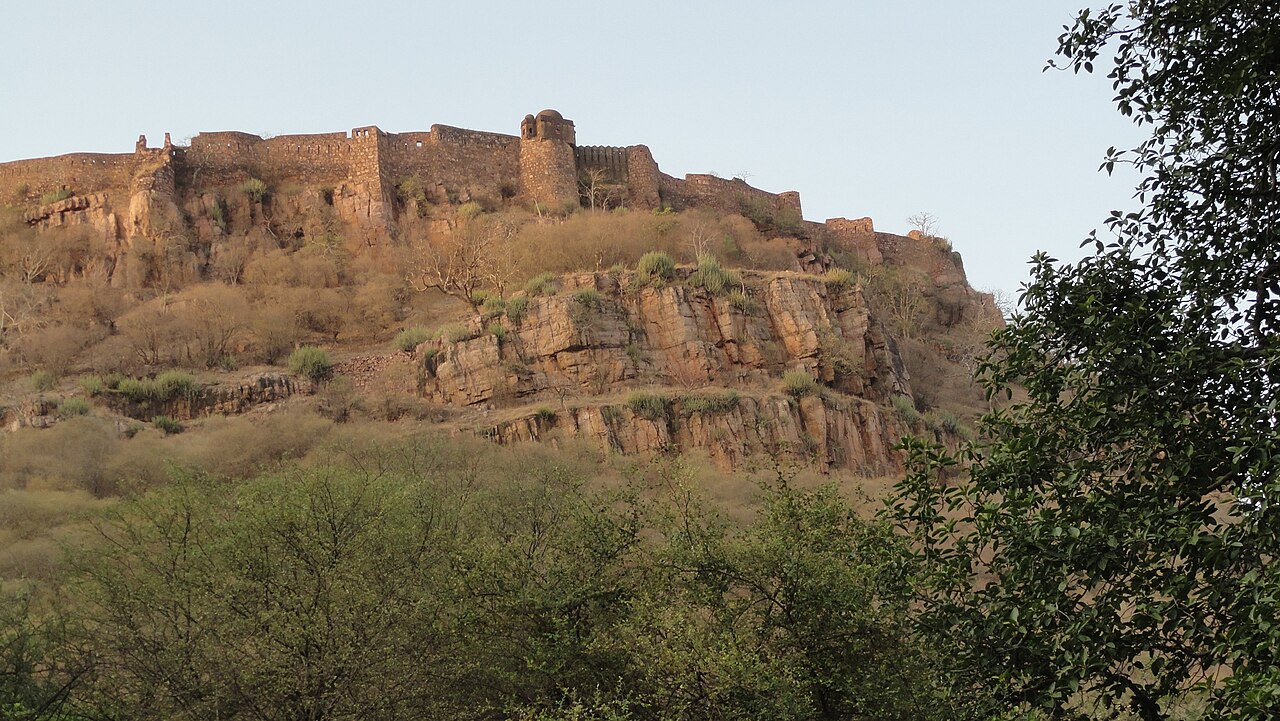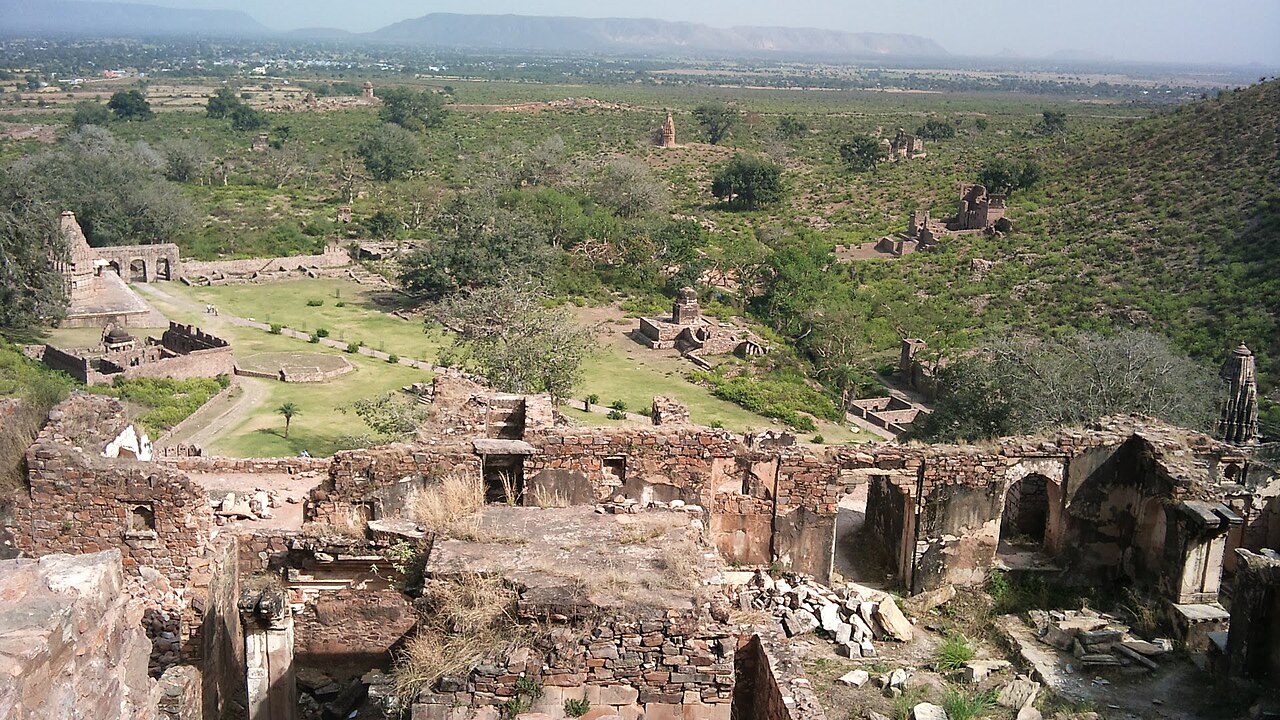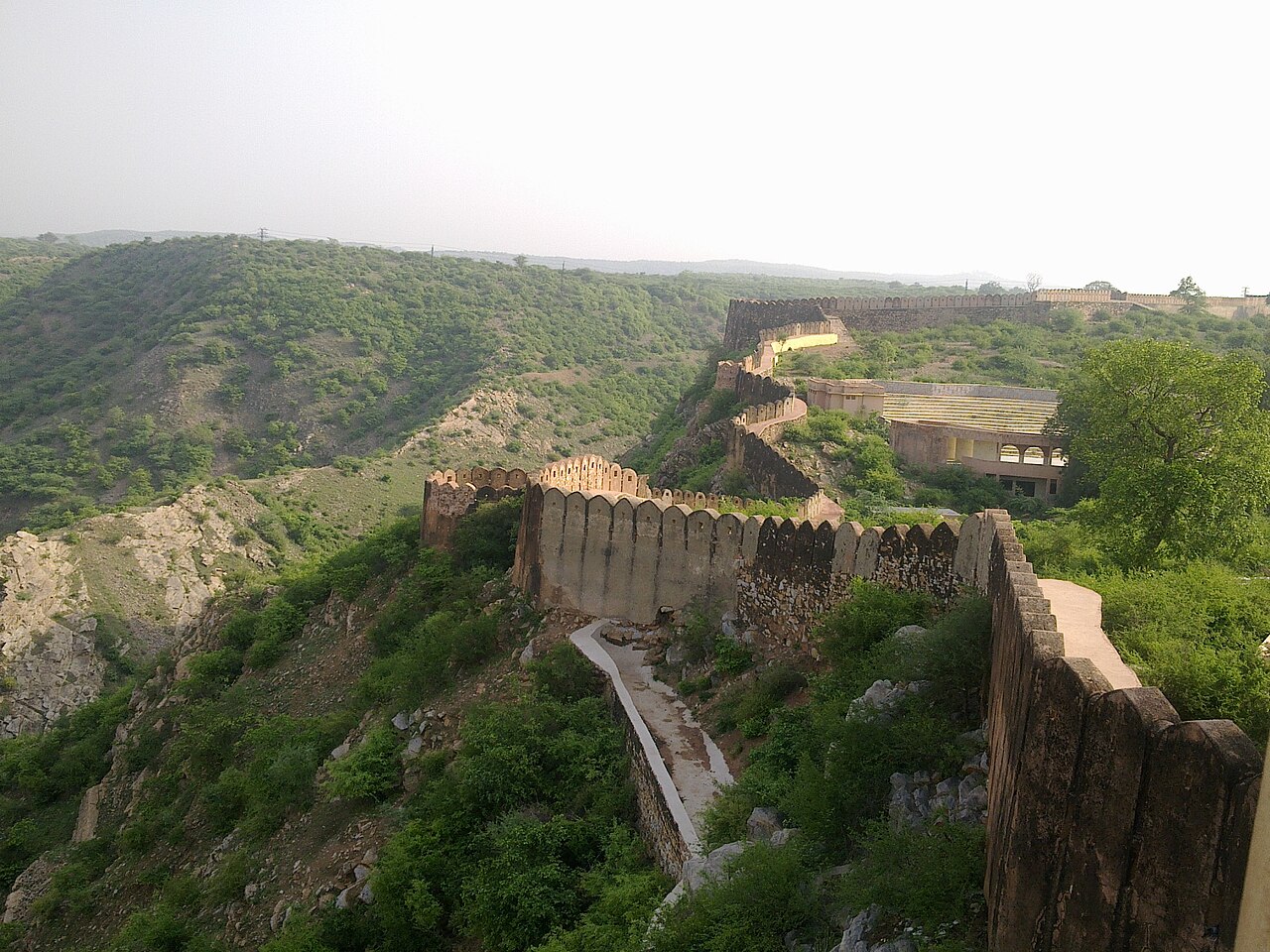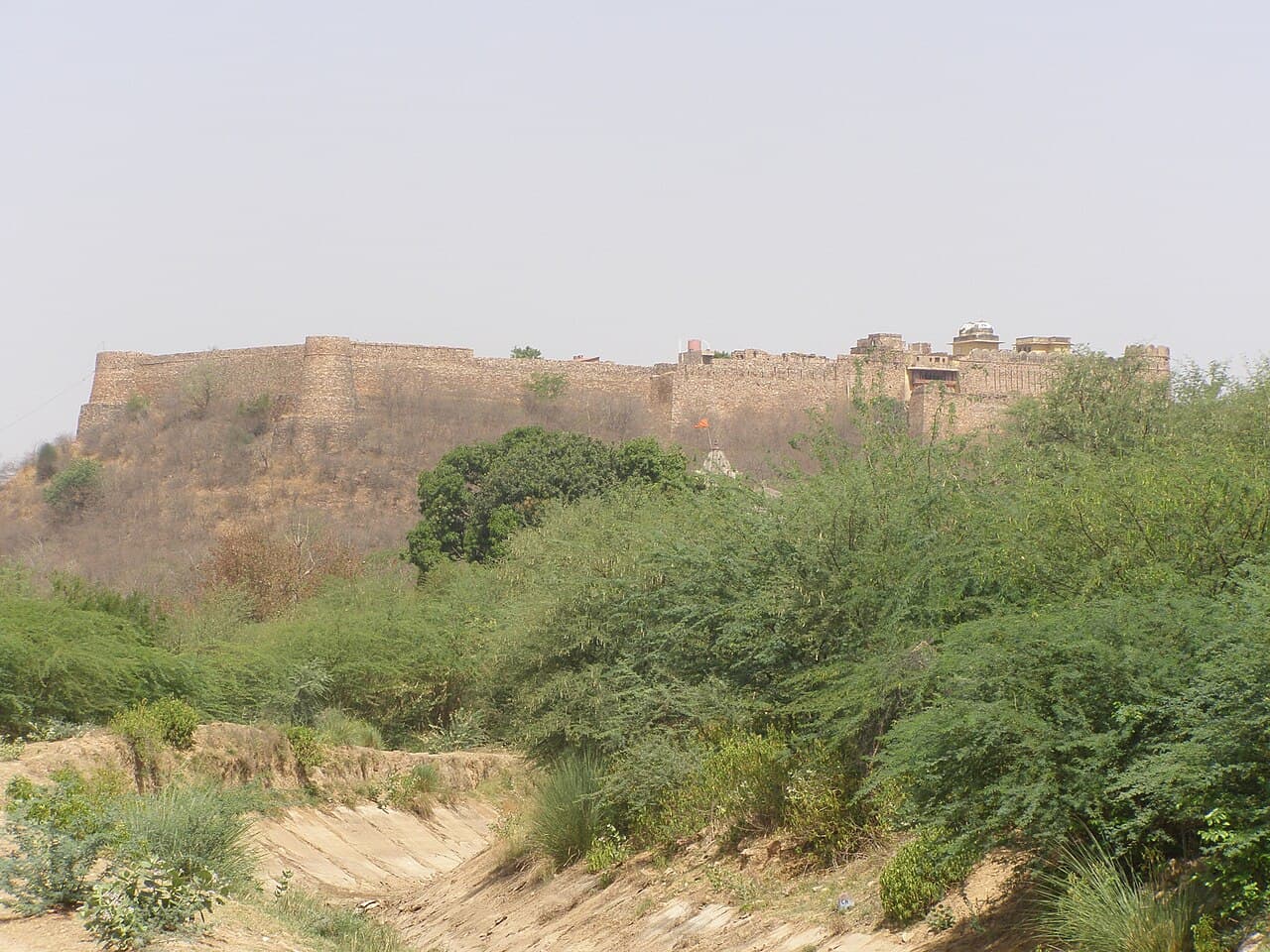
Ramathra Fort is a significant example of a bastioned fortress located in India, embodying the military architectural principles prevalent in the region during the medieval period. Though the exact city location is not specified, this fort is recognized for its robust defensive structures and strategic importance in historical conflicts.
Architectural features and design
The fort is characterized by its massive bastions which project outward from the curtain walls, allowing defenders to cover adjacent walls with crossfire, a hallmark of bastioned fortifications. These bastions are typically rounded or angular, constructed to absorb and deflect artillery fire, reflecting advancements in military architecture that emerged in response to gunpowder weaponry.
The walls of Ramathra Fort are constructed from locally sourced stone, thick and imposing, designed to withstand sieges. The fort likely includes gates with fortified entrances, ramparts, and possibly a moat or other water defenses, common in Indian forts to enhance protection.
Internal structures and layout
Inside the fort, there would be residential quarters, armories, granaries, and water reservoirs, essential for sustaining prolonged defense. The layout typically follows a strategic plan to maximize defense and accommodate the needs of the garrison and inhabitants.
Historical context and significance
Ramathra Fort's construction corresponds to a period when fortifications in India were evolving to meet the challenges posed by new warfare technologies and political dynamics. Bastioned forts were crucial in the defense strategies of various ruling powers, including regional kingdoms and empires.
The fort would have played a role in regional military campaigns and served as a stronghold for controlling surrounding territories. Its design reflects the blending of indigenous Indian fortification techniques with influences from Persian and Mughal military architecture.
Preservation and current condition
The current condition of Ramathra Fort is not extensively documented, but bastioned forts in India often face challenges from natural decay and human activity. Preservation efforts vary, with some forts maintained as heritage sites while others remain in ruins.
Visiting such a fort offers insight into the defensive strategies and architectural ingenuity of the period, highlighting the importance of bastioned fortresses in India's historical landscape.
Significance in Indian fortification history
Ramathra Fort exemplifies the transition in fort design that occurred in India during the medieval period, integrating bastioned elements to adapt to the era's warfare demands. It stands as a testament to the strategic and architectural innovations that shaped the subcontinent's military history.
Frequently asked questions (FAQ)
- What is the historical significance of Ramathra Fort?
- Ramathra Fort, built in the 17th century, played a crucial role in the region's defense and served as a strategic military outpost. Its history is intertwined with the local Rajput clans, showcasing the rich cultural heritage of Rajasthan.
- When was Ramathra Fort constructed?
- The construction of Ramathra Fort dates back to the 17th century, during a time of political unrest in the region. It was established to protect the local populace and control trade routes, highlighting its importance in historical conflicts.
- Can I visit Ramathra Fort year-round?
- Yes, Ramathra Fort is open to visitors throughout the year. However, the best time to visit is between October and March when the weather is more pleasant, making it ideal for exploration.
- What are the opening hours for Ramathra Fort?
- Ramathra Fort typically opens its gates to visitors from 9 AM to 6 PM. It is advisable to check for any specific holiday hours or events that may affect these times before planning your visit.
- Is it possible to stay overnight at Ramathra Fort?
- Yes, Ramathra Fort offers accommodation options for visitors who wish to experience a night in this historic setting. Staying overnight allows guests to soak in the serene atmosphere and enjoy stunning views of the surrounding landscape.
- What are the ticket prices for Ramathra Fort?
- The entry fee to Ramathra Fort is generally modest, making it accessible for most visitors. Prices may vary based on the type of tour or amenities included, so checking in advance is recommended.
- What nearby attractions can I explore while visiting Ramathra Fort?
- While visiting Ramathra Fort, you can explore nearby attractions such as the picturesque village of Ramathra and the scenic landscapes of Rajasthan. Other historic forts and temples in the vicinity also offer enriching experiences for travelers.
- How do I get to Ramathra Fort?
- Ramathra Fort is accessible by road, and the nearest major city is Kota, approximately 60 kilometers away. Public transport options and local taxis are available, making it convenient for visitors to reach the fort.
- Is Ramathra Fort accessible for people with disabilities?
- While efforts have been made to ensure accessibility at Ramathra Fort, some areas may pose challenges for individuals with mobility issues due to the fort's historic architecture. It is advisable to contact the fort management ahead of your visit for detailed information on accessibility options.
Photo gallery

Information
Loading map...
Visitor reviews
No reviews yet. Been here? Write the first review and help other travelers!
Write the first reviewVisited this castle? Share your experience
Your review helps other travelers and adds first-hand knowledge to our encyclopedia.