Bhangarh Fort
Bhangarh Fort is a prominent 16th-century bastioned fortress located in the Indian state of Rajasthan. Renowned for its imposing defensive architecture and intriguing historical background, the fort was established during the reign of Raja Bhagwant Das, a notable ruler of the region. The fort was constructed as the residence for his second son, Madho Singh, and served both as a military stronghold and a royal settlement.
Historical context and significance
The construction of Bhangarh Fort dates back to the late 16th century, a period marked by the flourishing of Rajput architecture and the consolidation of regional powers in Rajasthan. Raja Bhagwant Das, a prominent nobleman of the Mughal court and ruler of Amber, commissioned the fort to secure his territory and establish a seat of power for his lineage. The fort's strategic location near the Aravalli hills enhanced its defensive capabilities against potential invasions.
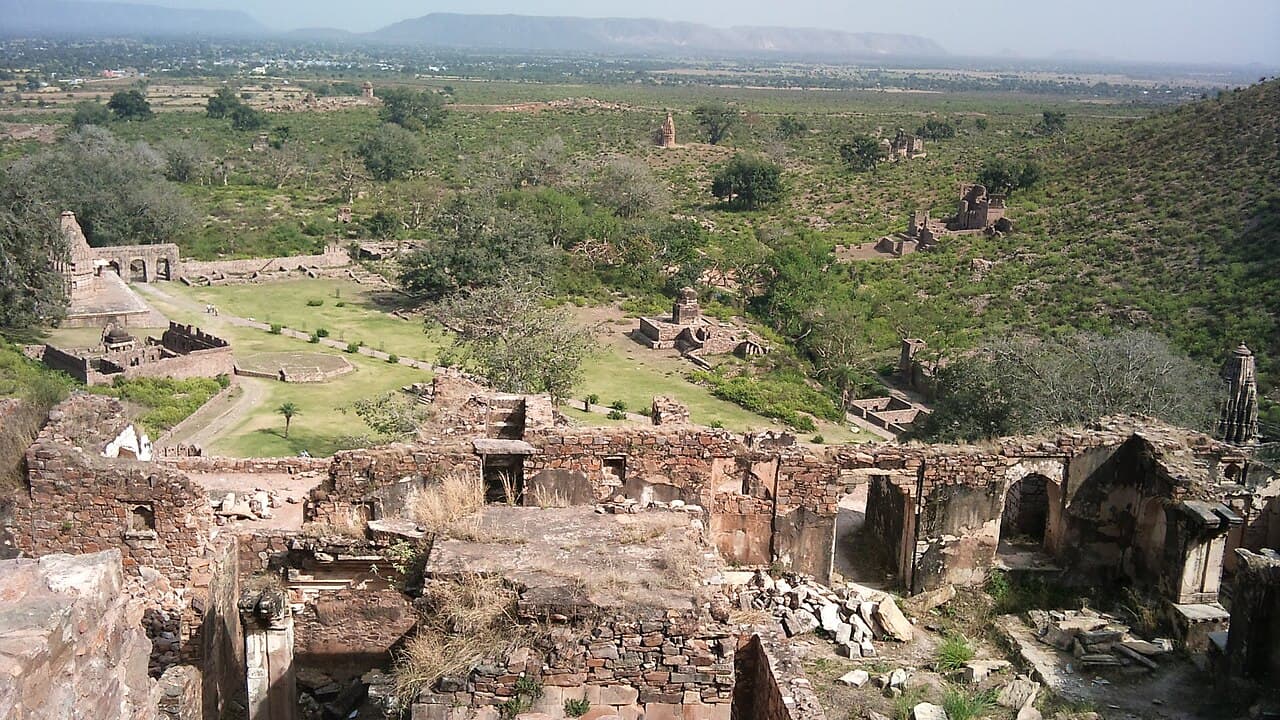
Over time, Bhangarh became a thriving town centered around the fort, with its walls enclosing residential areas, temples, markets, and administrative buildings. The fort and its precincts remain remarkably well preserved, offering valuable insights into the urban planning and military architecture of the Rajput era.
Architectural features and design
Bastioned defensive structures
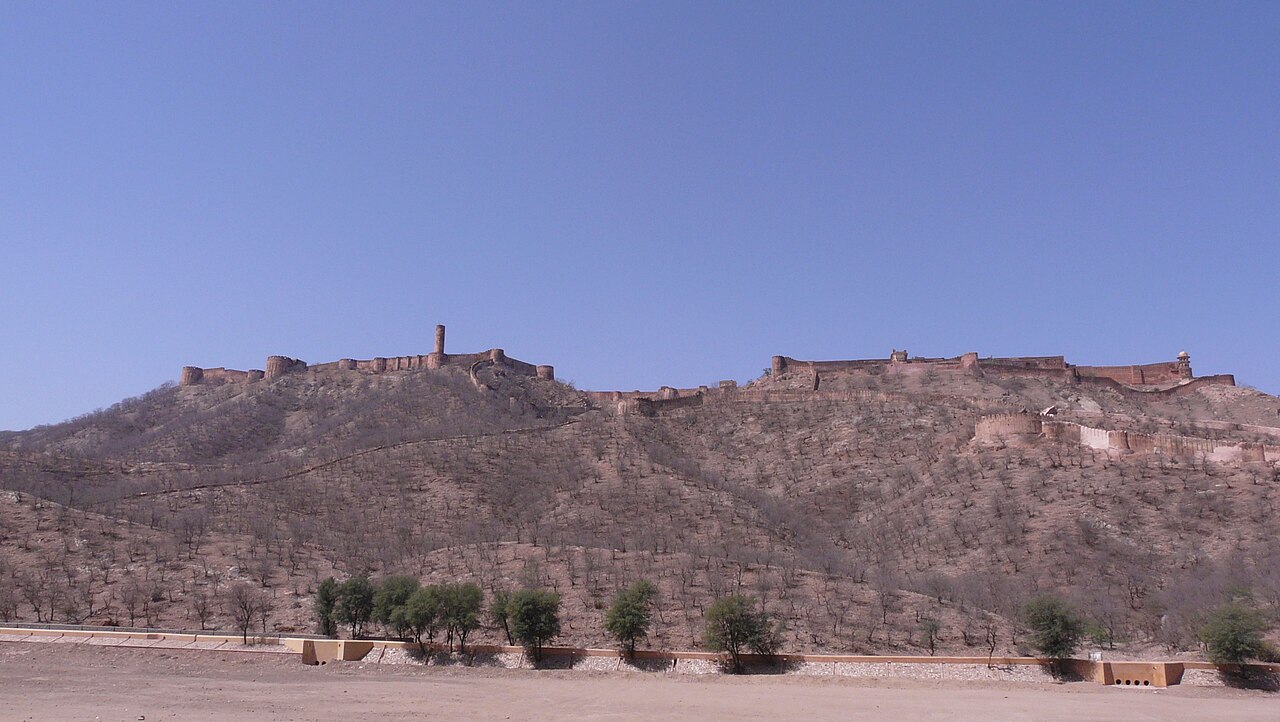
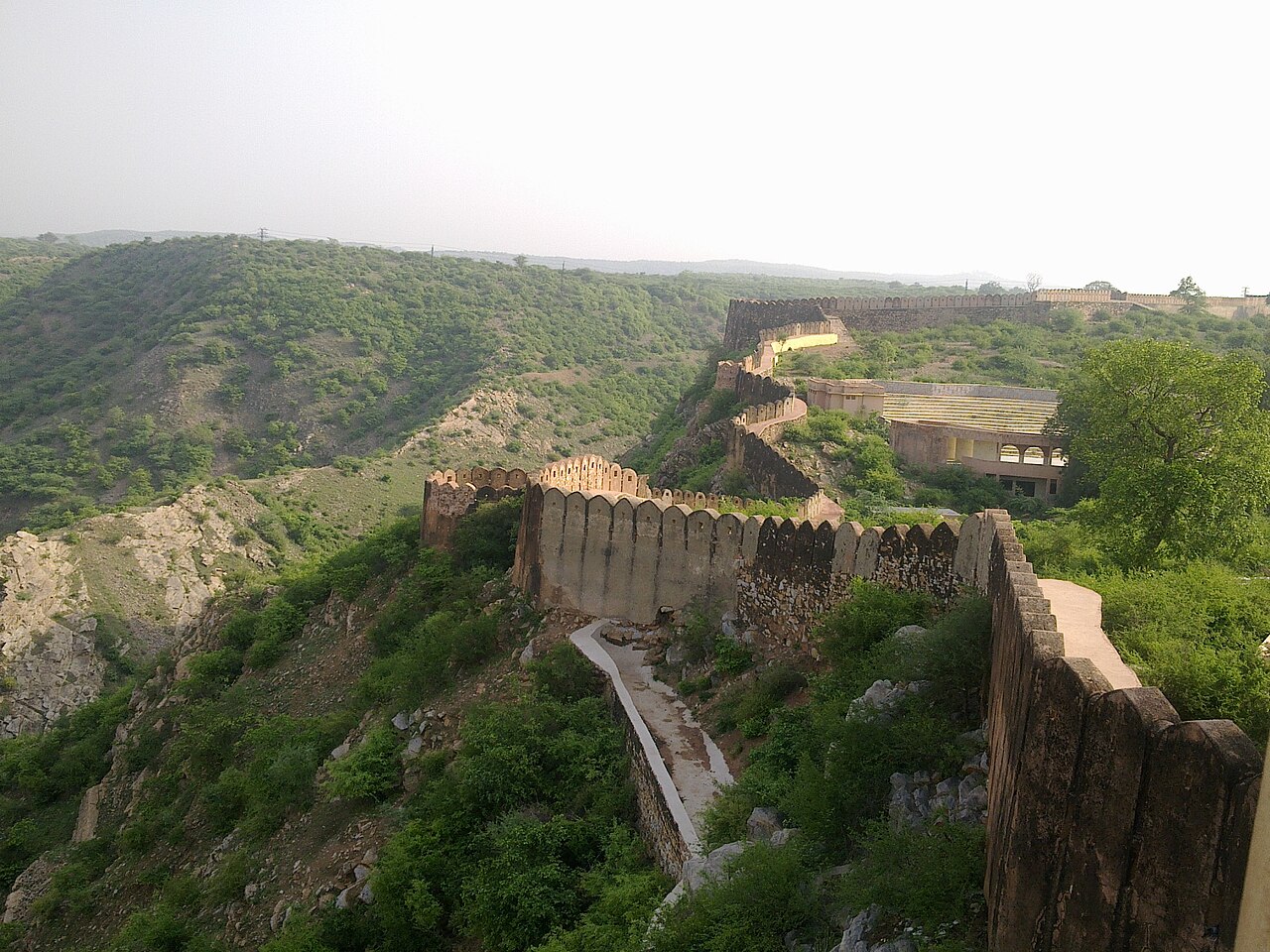
Bhangarh Fort exemplifies the bastioned fortress typology, characterized by robust stone walls reinforced with multiple bastions designed for artillery and archery defense. The walls are constructed from local sandstone, exhibiting a reddish hue typical of the region. The fortifications include massive ramparts, watchtowers, and gateways that controlled access to the inner precincts.
Gates and entryways
The fort features several well-fortified gates, including the main entrance known as the Ganesh Pol, named after the Hindu deity Ganesha. These gates were strategically designed with narrow passages and defensive features such as machicolations and arrow slits, enabling defenders to repel attackers effectively.
Interior structures and urban layout
Within the fort, the layout reflects a planned urban settlement with designated zones for royal residences, administrative offices, temples, and marketplaces. Notable structures include the temple complexes dedicated to Hindu deities, which showcase intricate stone carvings and traditional Rajput architectural motifs.
The fort's internal streets and courtyards were designed to facilitate both defense and daily life, with water reservoirs and wells ensuring a sustainable water supply during sieges.
Preservation and cultural importance
Today, Bhangarh Fort stands as a well-preserved example of Rajput military architecture and urban design from the late medieval period. The fort is under the protection of the Archaeological Survey of India and attracts numerous visitors interested in its history and reputed legends.
Local folklore often highlights the fort's reputation as one of the most haunted places in India, adding a layer of cultural mystique that draws tourists and researchers alike. Despite these tales, the fort's architectural and historical value remains the primary focus for preservation efforts.
Visiting Bhangarh Fort
Visitors to Bhangarh can explore its extensive ramparts, gates, and temples, gaining insight into the defensive strategies and lifestyle of Rajput nobility. The fort's location near the Aravalli hills offers scenic views and opportunities for hiking and photography.
Access to the fort is regulated, with visiting hours typically during daylight to ensure safety. The site is an important heritage destination that combines historical significance with natural beauty.
Frequently asked questions (FAQ)
- When was Bhangarh Fort built and by whom?
- Bhangarh Fort was built in the late 16th century by Raja Bhagwant Das, the ruler of Amber, as a residence for his son Madho Singh.
- What architectural style characterizes Bhangarh Fort?
- Bhangarh Fort is characterized by bastioned fortress architecture typical of Rajput military design, featuring robust stone walls, bastions, and fortified gates.
- Is Bhangarh Fort open to visitors?
- Yes, Bhangarh Fort is open to visitors during daylight hours. It is managed by the Archaeological Survey of India, and visitors can explore its ramparts, gates, and temples.
- Why is Bhangarh Fort considered haunted?
- Local folklore describes Bhangarh Fort as haunted due to legends and stories of curses associated with the site, making it a popular destination for those interested in paranormal tales.
- What are the key features to see at Bhangarh Fort?
- Key features include the Ganesh Pol gate, bastioned walls, temple complexes, and the fort's strategic location near the Aravalli hills offering scenic views.
Photo gallery

Information
Loading map...
Visitor reviews
No reviews yet. Been here? Write the first review and help other travelers!
Write the first reviewVisited this castle? Share your experience
Your review helps other travelers and adds first-hand knowledge to our encyclopedia.