Qila Mubarak
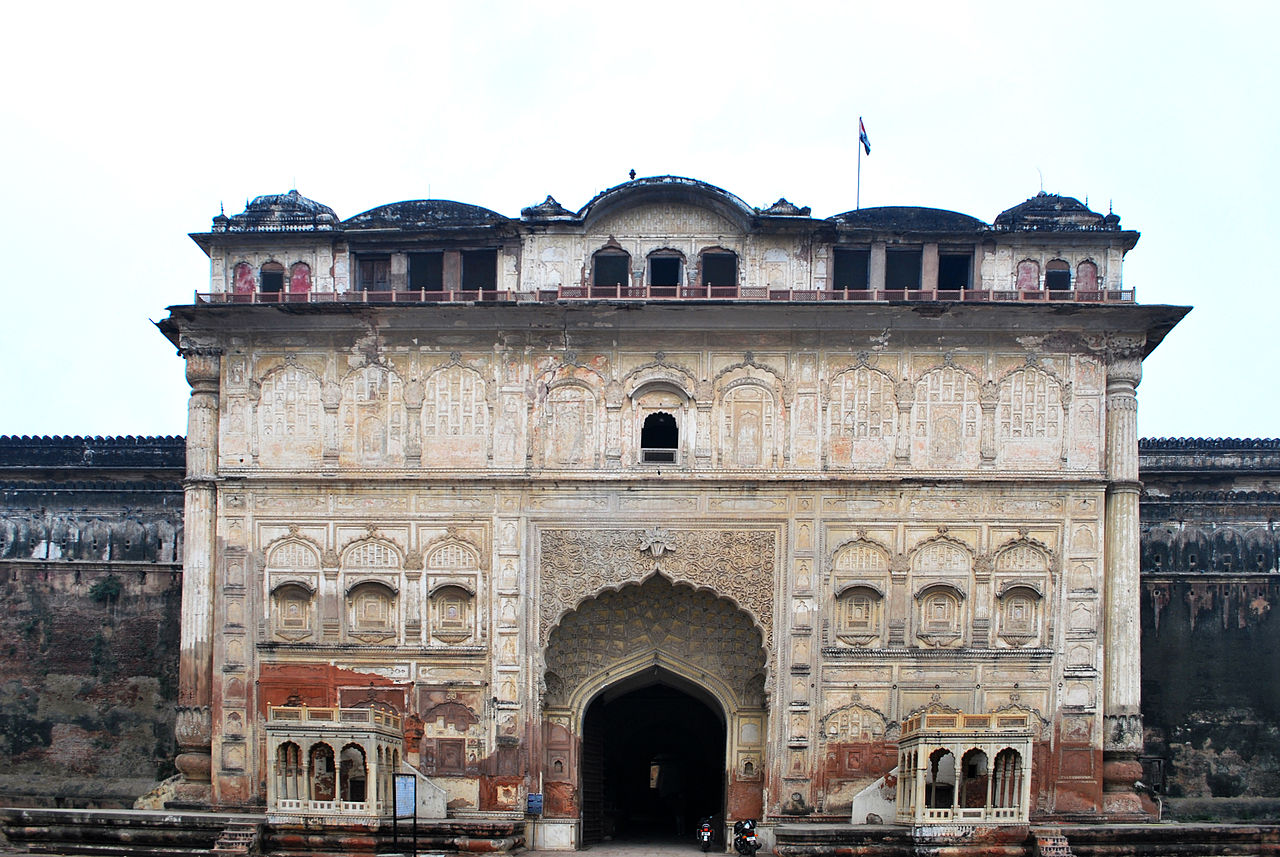
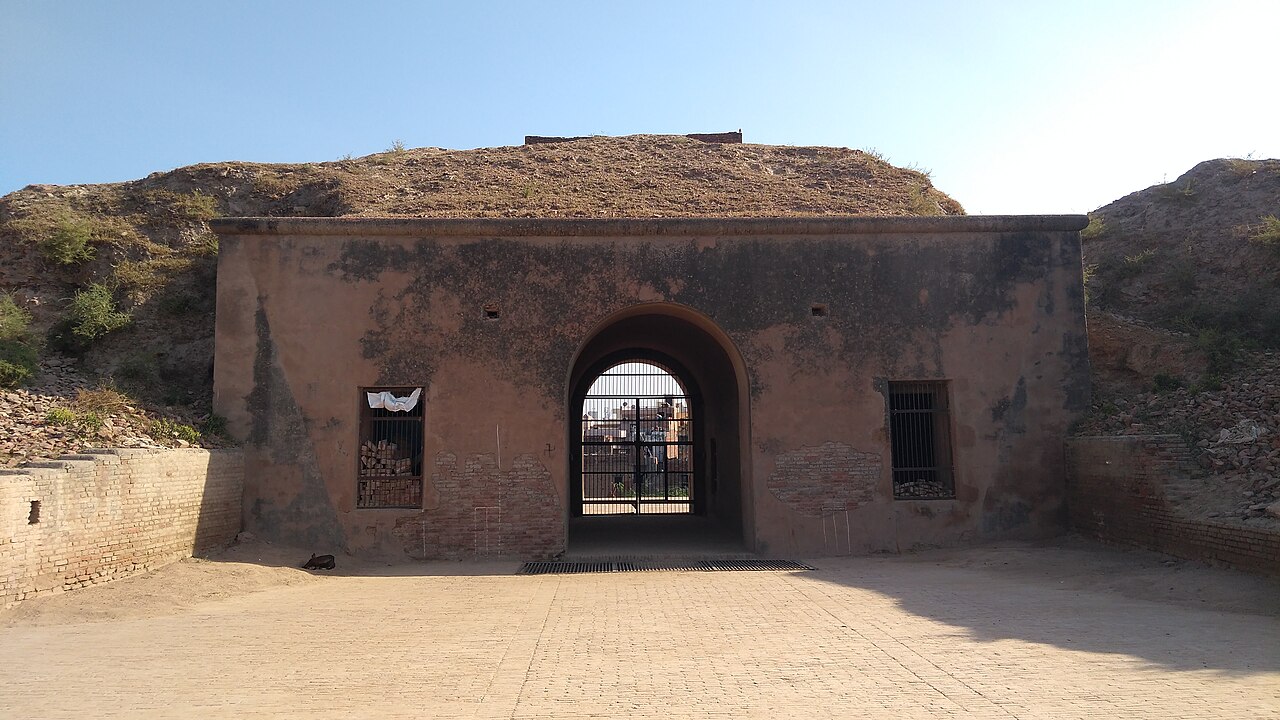
Qila Mubarak, also known as Gobindgarh Fort or Bathinda Fort, is a significant historical monument located in the city of Bathinda in Punjab, India. Recognized as a monument of national importance, it is maintained by the Archaeological Survey of India. The fort holds the distinction of being one of the oldest surviving forts in India, with its origins tracing back to as early as the Kushana period around the 1st to 3rd centuries AD. The bricks used in the fort's construction are believed to date back to this era, linking the site to the reign of the Kushana emperor Kanishka, who ruled over Northern India and Bactria.
The fort's construction is traditionally attributed to Raja Dab, a contemporary of Emperor Kanishka, highlighting the fort's ancient foundation. Throughout its long history, Qila Mubarak has witnessed numerous rulers and dynasties. By the late 10th century, it came under the control of Jayapala, a ruler of the Hindu Shahi dynasty. The fort's strategic importance continued through the centuries, serving as a military bastion and administrative center.
Historical significance and notable events
Qila Mubarak is historically renowned as the place where Razia Sultan, the first female ruler of the Delhi Sultanate, was imprisoned after her defeat and dethronement. This event adds a significant chapter to the fort's legacy, linking it to the turbulent political history of medieval India.
The fort's name, "Qila Mubarak," translates to "Blessed Fort," reflecting its esteemed status. Over the centuries, it has been known by various names, including Gobindgarh, indicating its association with the Sikh period when Maharaja Ranjit Singh fortified it further in the early 19th century.
Architectural features and fortifications
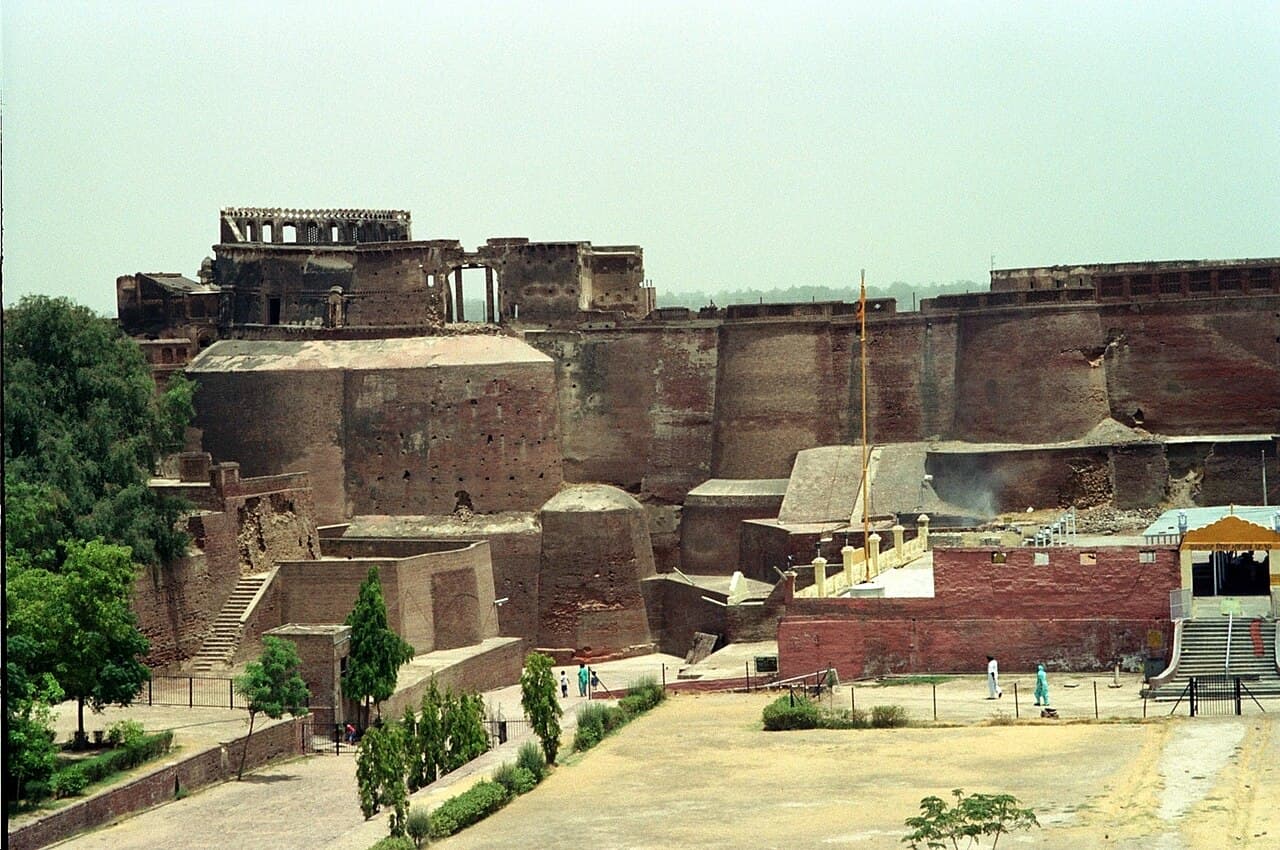
Qila Mubarak is classified as a bastioned fortress, characterized by its robust defensive structures designed to withstand artillery and siege warfare typical of the post-medieval period. The fort features massive bastions at its corners, thick stone walls, and strategically placed watchtowers that provided comprehensive surveillance over the surrounding plains.
The fortress layout includes a large central courtyard, surrounded by various chambers and halls that served administrative and residential purposes. The fort also contains several gurdwaras within its precincts, indicating its religious and cultural significance, especially during Sikh rule.
Despite its ancient origins, much of the current visible structure dates from renovations and reconstructions carried out in the 18th century and later, incorporating post-Renaissance military architectural elements adapted to the evolving warfare technologies of the time.
Current condition and public access
Today, Qila Mubarak is partially accessible to the public. While large portions of the fortress remain closed off for preservation and security reasons, visitors can explore the lawns and the gurdwaras within the fort complex. The site is under the care of the Archaeological Survey of India, which undertakes efforts to maintain and conserve its structural integrity.
The fort stands as a testament to the layered history of northern India, encompassing ancient, medieval, and early modern periods. Its enduring presence offers valuable insights into the region's military architecture and the historical narratives of the rulers who shaped its legacy.
The fort in the context of regional history
Bathinda, where Qila Mubarak is located, has historically been a strategic city due to its position on important trade and invasion routes. The fort's location allowed it to serve as a critical defensive outpost controlling access to the Punjab plains.
Throughout its history, the fort has witnessed the rise and fall of empires including the Kushanas, Hindu Shahis, Mughals, and Sikhs. Each period contributed layers to the fort's architecture and significance, making it a palimpsest of northern Indian history.
The kushana era foundations
The Kushana period, particularly under Emperor Kanishka in the 2nd century AD, was notable for its cultural and political influence across northern India and Central Asia. The bricks found at Qila Mubarak link the site to this era, suggesting that the original fortifications were established as part of Kushana efforts to secure their empire's frontiers.
Sikh period enhancements
During the early 19th century, Maharaja Ranjit Singh reinforced Qila Mubarak as part of his efforts to consolidate Sikh power in Punjab. These enhancements included strengthening the bastions and walls to withstand contemporary artillery, reflecting the fort's continued military relevance.
Frequently asked questions (FAQ)
- What is Qila Mubarak?
- Qila Mubarak is a historic fort located in the city of Patiala, India. It serves as a remarkable example of Indo-Saracenic architecture and has deep historical significance as the royal residence of the Patiala dynasty.
- When was Qila Mubarak built?
- Qila Mubarak was constructed in the 18th century, with its foundation laid in 1763. It has since been a vital part of Patiala's history, witnessing numerous events and changes over the centuries.
- Can I visit Qila Mubarak?
- Yes, Qila Mubarak is open to visitors who wish to explore its grandeur and rich history. It is advisable to check the current visiting guidelines and any restrictions before planning your trip.
- What are the opening hours of Qila Mubarak?
- Qila Mubarak is typically open to visitors from 10 AM to 5 PM, but these hours may vary on public holidays. It is best to confirm the timings before your visit to ensure a smooth experience.
- Is it possible to access Qila Mubarak with a wheelchair?
- While Qila Mubarak is a historical site with some areas accessible to visitors with mobility challenges, certain sections may pose difficulties due to stairs and uneven surfaces. It is recommended to contact the site management in advance for specific accessibility information.
- What are the ticket prices for visiting Qila Mubarak?
- Ticket prices for Qila Mubarak are generally affordable, with discounts available for students and senior citizens. Prices can change, so it is advisable to check the official website or inquire at the entrance for the latest rates.
- When is the best time to visit Qila Mubarak?
- The best time to visit Qila Mubarak is during the winter months, from October to March, when the weather is cooler and more pleasant for sightseeing. This period also coincides with various local festivals, adding to the cultural experience.
- What nearby attractions should I visit while at Qila Mubarak?
- While visiting Qila Mubarak, you can also explore nearby attractions such as the Moti Bagh Palace and the Sheesh Mahal. These sites offer additional insights into the royal heritage of Patiala and its architectural beauty.
Photo gallery

Photo by en:User:Guneeta•Public domain
Information
Loading map...
Visitor reviews
No reviews yet. Been here? Write the first review and help other travelers!
Write the first reviewVisited this castle? Share your experience
Your review helps other travelers and adds first-hand knowledge to our encyclopedia.