Asigarh Fort
Asigarh Fort, also known as Hansi Fort, is a prominent historic bastioned fortress located on the eastern bank of Amti Lake in Hansi city, in the northern Indian state of Haryana. Positioned approximately 135 kilometers from Delhi along National Highway 9, this fort occupies a commanding site spanning about 30 acres. It holds significant historical importance due to its strategic role in regional defense and administration during ancient and medieval periods.
The fort's origins trace back to early medieval times, with construction and expansions reflecting the defensive architectural styles of that era. As a bastioned fortress, Asigarh Fort features robust fortification walls reinforced with projecting bastions designed to provide overlapping fields of fire against attackers. These bastions, combined with thick ramparts and fortified gates, contributed to the fort's reputation as one of the most impregnable forts in ancient India. The fort's defensive design allowed it to control and oversee a vast network of approximately 80 surrounding forts, indicating its importance as a regional military hub.
Historical significance and control
Asigarh Fort has witnessed numerous historical events and changes in power. It played a crucial role during the medieval period as a military stronghold for various rulers who sought control over the fertile and strategically valuable region of Haryana. The fort's control over a large number of neighboring forts underscores its function as a central authority in the area's defense system.
Throughout its history, the fort was involved in various conflicts and sieges, reflecting the turbulent political landscape of northern India. Its strong defenses helped it withstand attacks and maintain control over the region for extended periods. The fort's strategic location near important trade routes further enhanced its military and economic significance.
Architectural features and layout
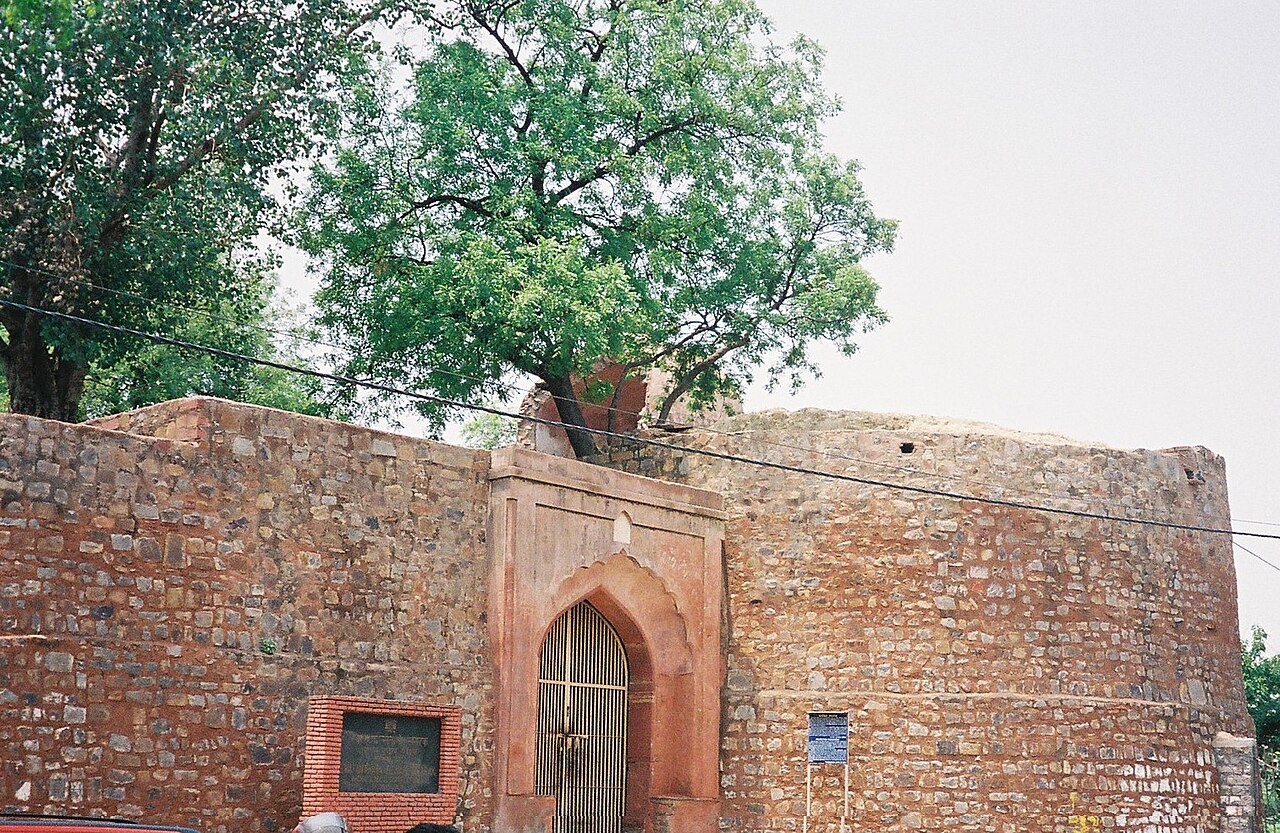
The architecture of Asigarh Fort exemplifies the principles of bastioned fort design, which became prevalent in India during the medieval period. The fort's massive stone walls are punctuated by numerous bastions that project outward, allowing defenders to cover adjacent walls with gunfire or archery. This design minimized blind spots and increased the fort's defensive capabilities against siege warfare.
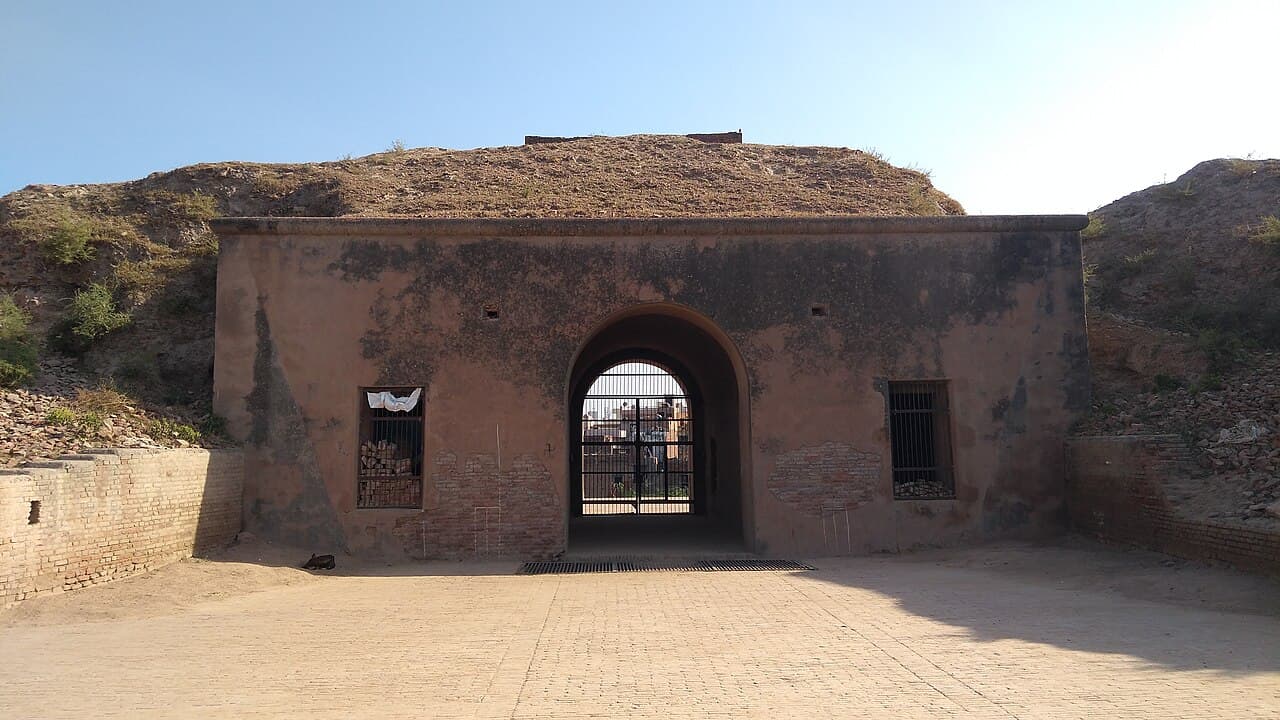
The fort complex includes multiple gates, each fortified to resist enemy assaults. These gates often featured heavy wooden doors reinforced with iron studs and were protected by additional defensive structures such as barbicans or guard chambers. Inside the fort, there are remnants of residential quarters, armories, and storehouses, indicating the fort's role as a self-sufficient military base.
Water management was a critical aspect of the fort's design, with the proximity to Amti Lake providing a reliable water source. The fort also contained internal water storage systems such as step wells and cisterns to ensure water availability during sieges.
Preservation and current status
Recognizing its historical and architectural value, the Archaeological Survey of India (ASI) declared Asigarh Fort a centrally protected monument in 1937. Since then, conservation efforts have aimed to preserve the fort's structural integrity and prevent further deterioration. Although the fort is not fully intact, significant portions of its walls and bastions remain well preserved, allowing visitors to appreciate its original defensive layout.
Today, Asigarh Fort serves as a cultural heritage site attracting historians, architects, and tourists interested in India's medieval military architecture. The fort's imposing presence and its connection to the region's history make it a valuable educational resource and a symbol of Haryana's rich past.
Visiting asigarh fort
Visitors to Asigarh Fort can explore the expansive grounds and observe the impressive bastioned walls and gates. The site offers insight into medieval fortification techniques and the strategic importance of such structures in India's history. The nearby city of Hansi provides access to amenities and additional historical sites, enhancing the visitor experience.
Efforts to promote tourism include informational signage and guided tours that explain the fort's architectural features and historical context. Visitors are encouraged to respect the site and support ongoing preservation initiatives.
Frequently asked questions (FAQ)
- When was Asigarh Fort built?
- Asigarh Fort dates back to the early medieval period, with its exact construction date not precisely documented but reflecting architectural styles from that era.
- What architectural features define Asigarh Fort?
- Asigarh Fort is characterized by its bastioned walls, projecting bastions, fortified gates, and internal water management systems like step wells and cisterns.
- Is Asigarh Fort open to visitors?
- Yes, Asigarh Fort is open to visitors who can explore the well-preserved walls and bastions, learning about its historical significance and defensive design.
- Why is Asigarh Fort historically important?
- The fort controlled around 80 neighboring forts, serving as a central military hub in the region and playing a key role in medieval conflicts and defense.
- Who manages Asigarh Fort today?
- The Archaeological Survey of India manages and protects Asigarh Fort as a centrally protected monument since 1937.
Photo gallery

Information
Current owner
Archaeological Survey of India
Loading map...
Visitor reviews
No reviews yet. Been here? Write the first review and help other travelers!
Write the first reviewVisited this castle? Share your experience
Your review helps other travelers and adds first-hand knowledge to our encyclopedia.