Qila Mubarak, Patiala
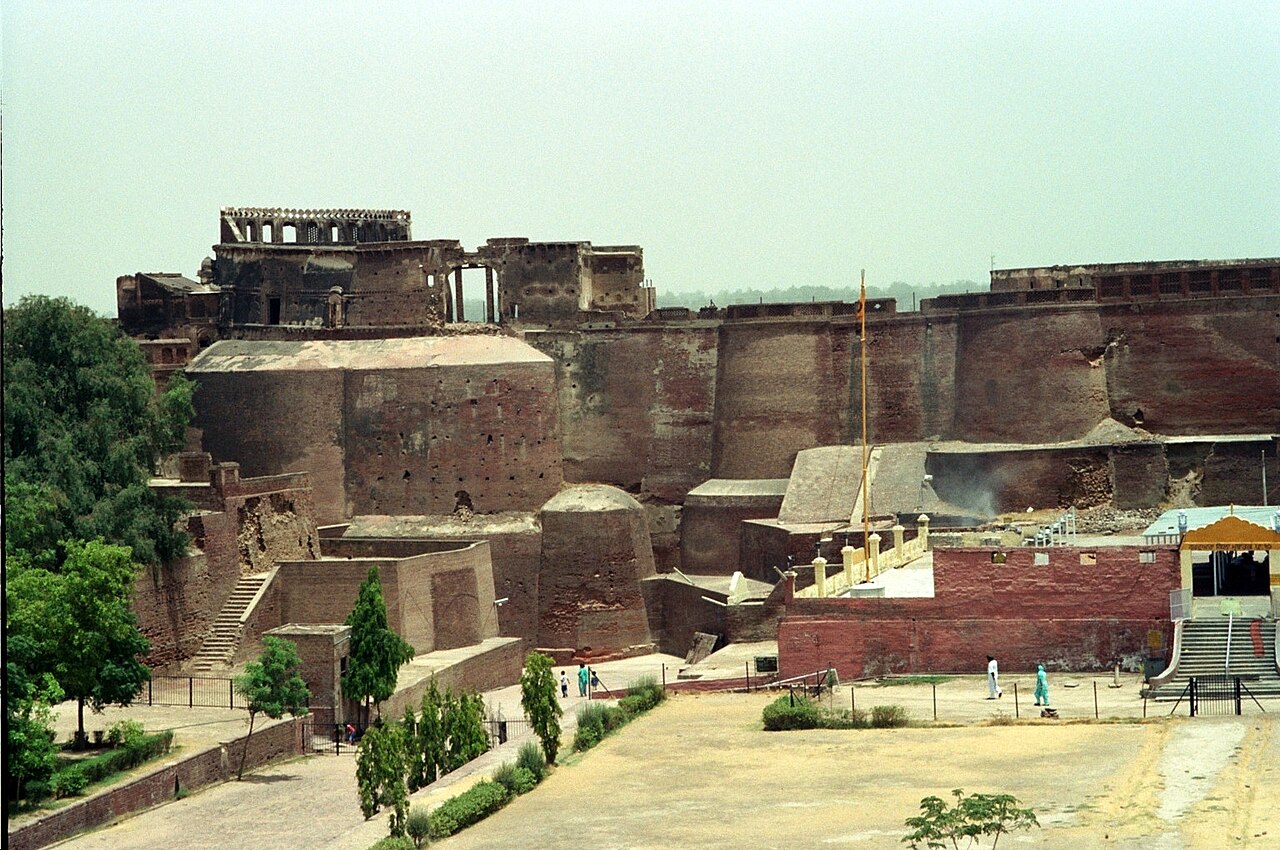
Qila Mubarak in Patiala, Punjab, India, stands as a significant example of Sikh architecture and military fortification. This bastioned fortress served as the royal residence of the Maharaja of Patiala and played a central role in the region's history. The fortress complex reflects a blend of defensive military design and regal palatial elements, characteristic of Sikh-era constructions in the 18th century.
Historical background and significance
Constructed in the mid-18th century, Qila Mubarak was commissioned by Baba Ala Singh, the founder of the Patiala dynasty. The fortress was strategically designed to serve both as a stronghold and a royal palace. Over the centuries, it witnessed numerous historical events, including battles and political developments that shaped the Sikh state of Patiala. The fort's name, "Mubarak," meaning "blessed," reflects its importance as a symbol of sovereignty and protection for the ruling family.
Architectural features and layout
The fortress exhibits typical features of a bastioned fortress with robust defensive walls and bastions designed to withstand artillery attacks. The walls are thick and high, enclosing a substantial area that includes residential quarters, administrative buildings, and ceremonial spaces. The Shish Mahal (Mirror Palace), although currently closed to the public, is renowned for its intricate mirror work and decorative artistry, representing the luxurious lifestyle of the Maharajas.
Publicly accessible areas include the Darbar Hall, which now functions as a museum displaying artifacts related to the Patiala royal family and Sikh heritage. The Sarad Khana and Jalau Khana are other notable sections within the complex, historically used for seasonal retreats and royal gatherings. The display of cannon barrels within the fort underscores its military past and strategic importance.
Current condition and conservation efforts
Despite its historical importance, Qila Mubarak is presently in a state of partial disrepair. Much of the fortress is closed to the public due to safety concerns and ongoing deterioration. The World Monuments Fund listed it among the 100 most endangered sites globally in 2004, highlighting the urgent need for conservation and restoration. Efforts to preserve the fort have been intermittent, and the challenge remains to balance public access with protecting the fragile heritage structures.
Visitor experience and access
Visitors to Qila Mubarak can explore the Darbar Hall museum and some open courtyards, gaining insight into the royal lifestyle and Sikh history. However, access to key areas like the Shish Mahal is restricted. The fort's location in Patiala makes it accessible for tourists interested in Sikh heritage and architectural history. Guided tours and informational displays help contextualize the site's significance, although visitor facilities are limited due to the fortress's condition.
Architectural style and influences
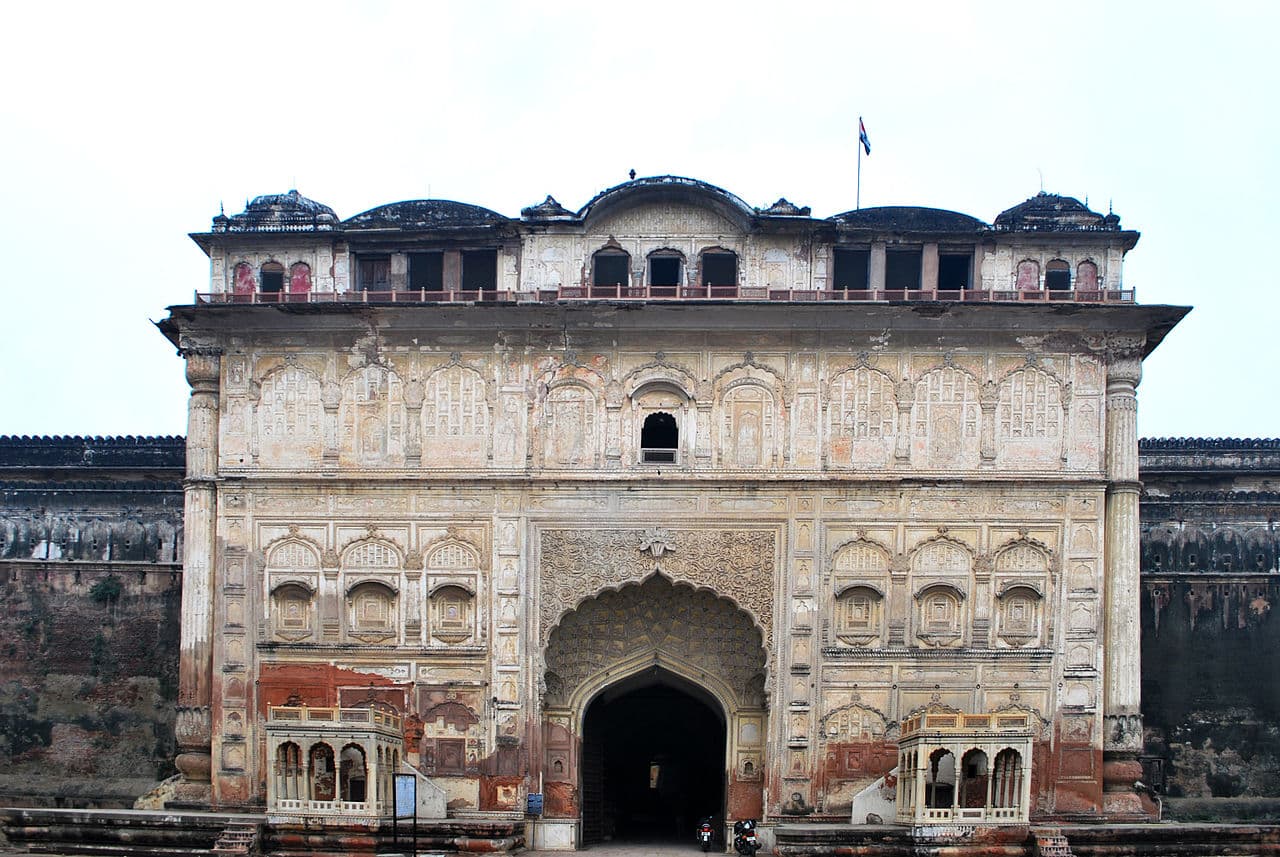
The design of Qila Mubarak reflects the Sikh architectural style prevalent during the 18th century, characterized by a fusion of Mughal and indigenous Punjabi elements. The use of bastions and thick defensive walls indicates an adaptation to the warfare technologies of the time, particularly the use of artillery. Decorative elements in the palace sections showcase intricate craftsmanship, including mirror work, frescoes, and ornamental carvings.
Historical role within the Sikh empire
As the seat of the Patiala Maharajas, Qila Mubarak was a political and military hub within the Sikh empire. It played a crucial role in the consolidation of Sikh power in the region and served as a center for administration and governance. The fortress also symbolized the sovereignty and prestige of the Patiala state, hosting important ceremonies and diplomatic events.
Frequently asked questions (FAQ)
- What is the historical significance of Qila Mubarak?
- Qila Mubarak is a historical fort in Patiala, India, built in the 18th century by Maharaja Ala Singh. It served as the residence of the royal family and symbolizes the rich heritage and architectural brilliance of the region.
- When was Qila Mubarak constructed?
- Construction of Qila Mubarak began in 1763 and was completed in 1770. This majestic castle has since stood as a testament to the grandeur of the Patiala State during its peak.
- What are the opening hours for Qila Mubarak?
- Qila Mubarak is open to visitors from 10:00 AM to 5:00 PM daily. It's advisable to check for any changes in timings during public holidays or special events.
- Can I take photographs inside Qila Mubarak?
- Yes, visitors are allowed to take photographs inside Qila Mubarak, but it's important to respect the guidelines provided by the management. Some areas may have restrictions, so be sure to observe any posted signs.
- Is it possible to access Qila Mubarak by public transport?
- Yes, Qila Mubarak is accessible by public transport, including buses and auto-rickshaws, which frequently operate in Patiala. Visitors can also use ride-sharing services for more convenience.
- What is the best time to visit Qila Mubarak?
- The best time to visit Qila Mubarak is between October and March when the weather is pleasant and ideal for sightseeing. During these months, visitors can enjoy exploring the castle without the discomfort of extreme heat.
- Are there any nearby attractions to visit after Qila Mubarak?
- Yes, after visiting Qila Mubarak, you can explore nearby attractions such as the Moti Bagh Palace and the Sheesh Mahal. These sites offer additional insights into the royal heritage of Patiala.
- What are the ticket prices for visiting Qila Mubarak?
- The ticket prices for Qila Mubarak are generally affordable, with discounts available for students and children. It is recommended to check the official website or inquire at the entrance for the latest pricing information.
Photo gallery

Information
Loading map...
Visitor reviews
No reviews yet. Been here? Write the first review and help other travelers!
Write the first reviewVisited this castle? Share your experience
Your review helps other travelers and adds first-hand knowledge to our encyclopedia.