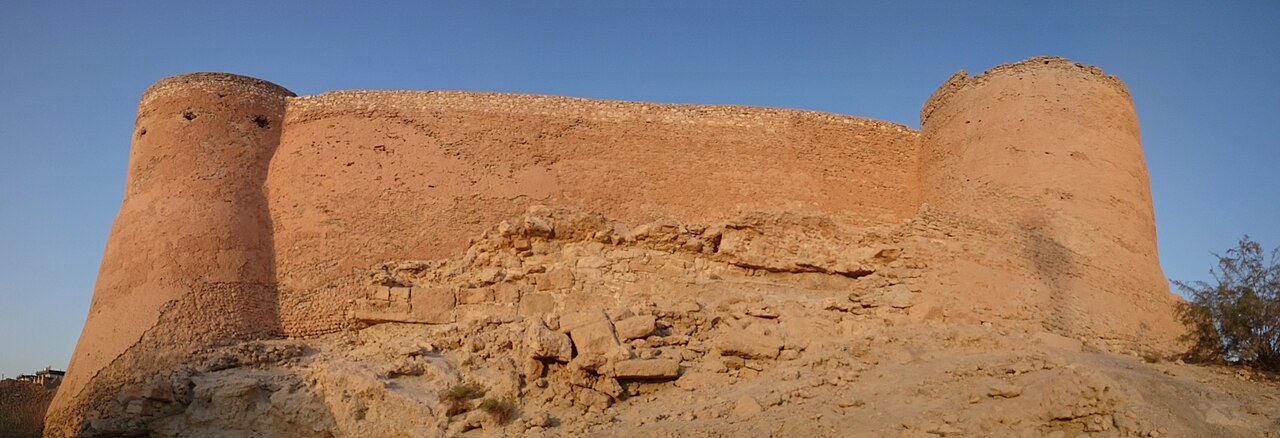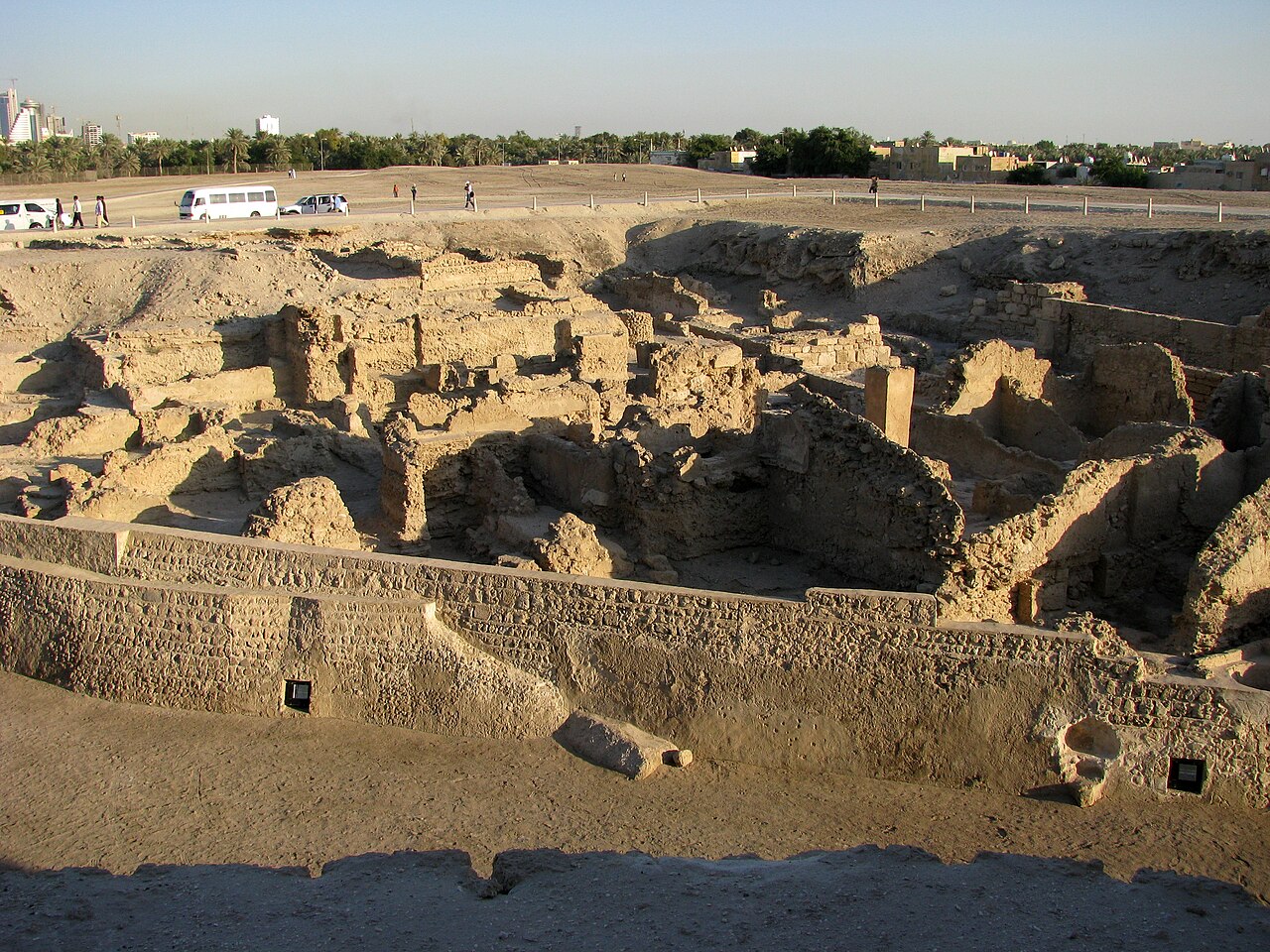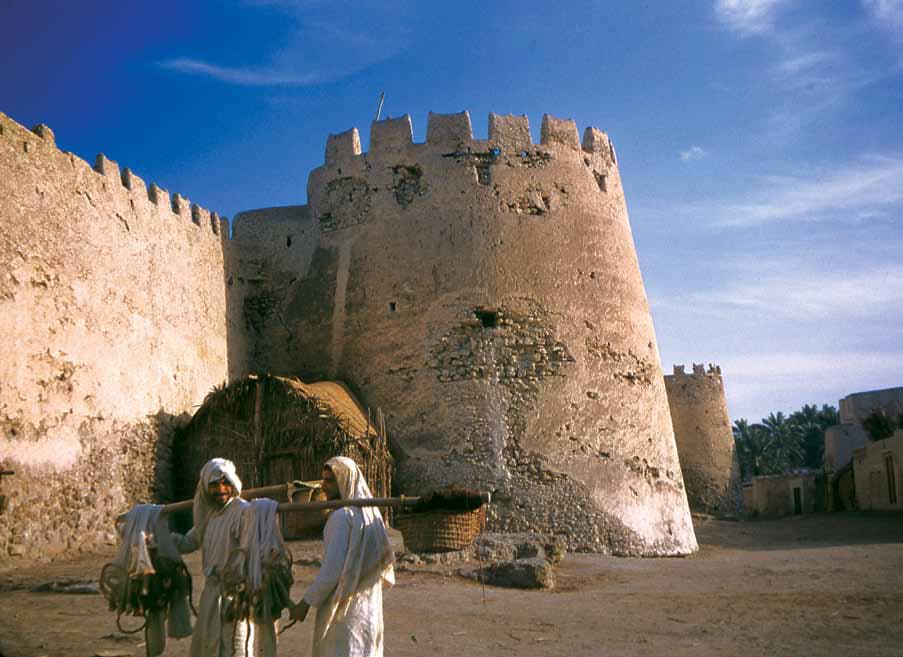
Qatif Castle
Qatif Castle, also known as Qal'at al-Qatif, Hadaret Qatif, Qasbet Al-Qatif, Madenet Al-Qatef Al Mohasana, Al-Farda, or Al-Mahfouza, was a significant ancient fortress located in the heart of Qatif, a city in the Eastern Province of Saudi Arabia. Its origins date back to the third century, when it was constructed by the Sassanid Empire. This makes Qatif Castle one of the oldest known fortifications in the Persian Gulf region, reflecting the strategic importance of Qatif as a hub for trade and military control.
The castle underwent substantial restoration and transformation in 1630 (1039 AH) under the Ottoman Empire. The Ottomans converted it into a military base and stronghold, reinforcing its role as a key defensive and administrative center along the Persian Gulf coast. The fortress also served multiple functions over the centuries, including acting as a warehouse for goods and a residential area for the local population.
Architectural features and layout
The fortress was oval-shaped, enclosed by an impregnable stone wall that surrounded a densely populated residential district. British historian John Lorimer documented its dimensions as approximately 365 meters on the eastern and western sides and 275 meters on the northern and southern sides. The castle was notable for its extensive fortifications, including a deep trench encircling the walls, which added to its defensive capabilities.
Within the walls, the castle contained eleven mosques, a royal court palace, guesthouses, and livestock pens. The residential area was densely packed, supporting a population estimated at around 5,000 people. The castle also featured about 300 shops within its markets, highlighting its role as a commercial center as well as a military fortification.
Surrounding the castle were orchards and farms, which connected the fortress to the wider oasis of Qatif. This agricultural belt was essential for sustaining the castle's inhabitants and contributed to the economic vitality of the region.
Historical significance and usage
Qatif Castle's long history reflects the changing political and military landscape of the Persian Gulf. Initially built by the Sassanids, it served as a defensive stronghold against regional threats. The Ottoman restoration in the 17th century marked a new phase in its military importance, as the empire sought to secure its coastal territories and control maritime trade routes.
Throughout its history, the castle was not only a military fortification but also a vibrant urban center. The presence of numerous mosques and a royal court palace indicates its administrative and religious significance. Its markets and residential quarters made it a bustling community hub within the fortress walls.
Demolition and legacy
In the 1980s, the castle was demolished as part of a development project following the 1979 Qatif Uprising. The area was systematically cleared of its houses and buildings, and the site was transformed into a public square and parking lots. This redevelopment resulted in the loss of much of the castle's physical structure, leaving only 18 dilapidated buildings remaining today.
The demolition of Qatif Castle represents a significant loss to Saudi Arabia's architectural and cultural heritage. Despite this, the castle remains an important symbol of the region's history, reflecting centuries of military, commercial, and social activity in the Persian Gulf.
Qatif Castle in historical context
The castle's construction during the Sassanid period places it within a broader context of Persian imperial architecture and military strategy. The Sassanids were known for building fortified settlements to protect trade routes and assert control over key territories.
The Ottoman Empire's restoration efforts in the 17th century reflect the strategic importance of the Persian Gulf during this period. The castle functioned as a military base to safeguard Ottoman interests against rival powers and local uprisings.
Military architecture and defensive features
The oval shape of the castle allowed for efficient defense, minimizing blind spots along the walls. The stone curtain walls were thick and robust, designed to withstand attacks. The surrounding deep trench served as a moat-like barrier, deterring siege engines and infantry assaults.
The castle's internal layout, with its mosques, palace, and markets, was typical of fortified urban centers in the region, combining military, religious, and commercial functions within a single enclosure.
Social and economic role
Qatif Castle was more than a fortress; it was a self-contained city. Its population of approximately 5,000 residents lived within the walls, engaging in various trades and crafts. The presence of 300 shops indicates a lively market economy, likely serving both local needs and passing merchants.
The agricultural lands surrounding the castle provided food and resources, supporting the castle's inhabitants and contributing to its sustainability.
Current status and preservation efforts
Today, Qatif Castle exists mostly in ruins, with only a few dilapidated structures remaining from the original fortress. The demolition in the 1980s has left limited physical evidence of its former grandeur.
There have been calls for preservation and archaeological study to better understand and commemorate the site's historical significance. The castle's legacy continues through historical records and the cultural memory of the Qatif region.
Frequently asked questions (FAQ)
- When was Qatif Castle originally built?
- Qatif Castle was originally constructed in the third century by the Sassanid Empire, making it one of the oldest fortresses in the Persian Gulf region.
- What was the primary purpose of Qatif Castle?
- The castle served as a military stronghold, a residential area, and a commercial center with markets and shops within its fortified walls.
- Why was Qatif Castle demolished?
- The castle was demolished in the 1980s as part of a development project following the 1979 Qatif Uprising, leading to the loss of much of its structure.
- What remains of Qatif Castle today?
- Only 18 dilapidated buildings remain from the original fortress, with the rest of the site converted into a public square and parking lots.
- How large was Qatif Castle?
- The castle measured about 365 meters on the east and west sides and 275 meters on the north and south sides, enclosing a densely populated area.
Photo gallery

Photo by Unknown authorUnknown author•Public domain
Information
Loading map...
Visitor reviews
No reviews yet. Been here? Write the first review and help other travelers!
Write the first reviewVisited this castle? Share your experience
Your review helps other travelers and adds first-hand knowledge to our encyclopedia.