Tylos Fortress
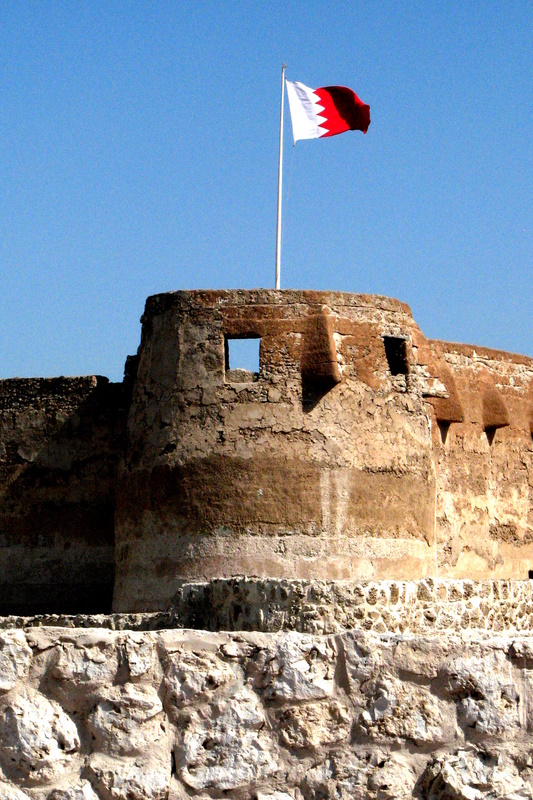
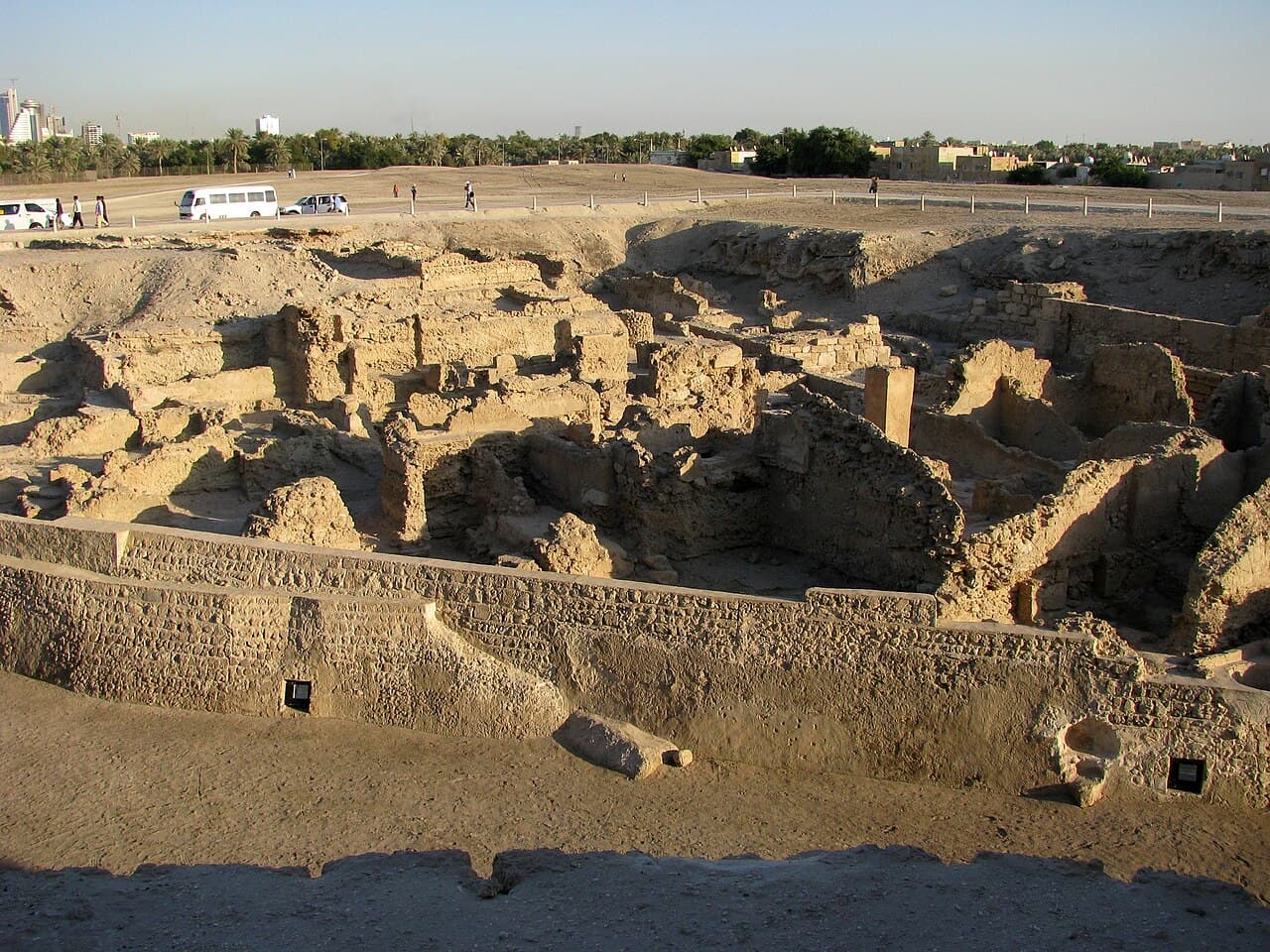
Tylos Fortress is an ancient coastal fortress located on the northeast corner of the tell of Qal'at al-Bahrain in the village of Al Qalah, Bahrain. This site has a remarkable history of continuous human habitation dating back to around 2300 BC, making it a significant archaeological and historical landmark in the Persian Gulf region. The fortress itself stands as a testament to the strategic importance of Bahrain throughout antiquity and the medieval period.
The tell of Qal'at al-Bahrain was once the capital of the ancient Dilmun civilization, a prominent trading and cultural center in the Bronze Age. Although the exact date of construction of Tylos Fortress remains unknown, archaeological evidence strongly suggests it was built during the reign of the Sassanid king Ardashir I (226–241 AD). At that time, Bahrain was known as Tylos and was a vital maritime hub. The fortress was likely constructed to protect navigation in the Persian Gulf from threats such as Arab Bedouin raids and piracy.
Historical context and strategic significance
The Sassanid Empire dominated the eastern coast of Arabia and governed the region through Arab vassal tribes. Tylos Fortress functioned as a military and administrative complex within a harbor town, underscoring its role in controlling maritime trade routes and regional security. After the 7th century, the fortress and the town appear to have diminished in importance, likely declining to a small fishing village as political and economic centers shifted.
Medieval revival and commercial transformation
During the 13th century, the site experienced a resurgence under the Salghurid Atabaks of Fars, who converted the old fortress into a commercial warehouse. This period coincided with the rule of the Il-Khanate Mongol dynasty, which controlled large parts of Persia and the Middle East. The harbor flourished as a trading post connecting China, India, and the Persian Gulf.
Notably, eight date presses, known as madbasa or mudabissa, were installed within the fortress, enabling the production of approximately 15,000 kilograms of date honey annually. This highlights the fortress's role not only as a military installation but also as a center of economic activity and food processing during the medieval period.
Architectural features and layout
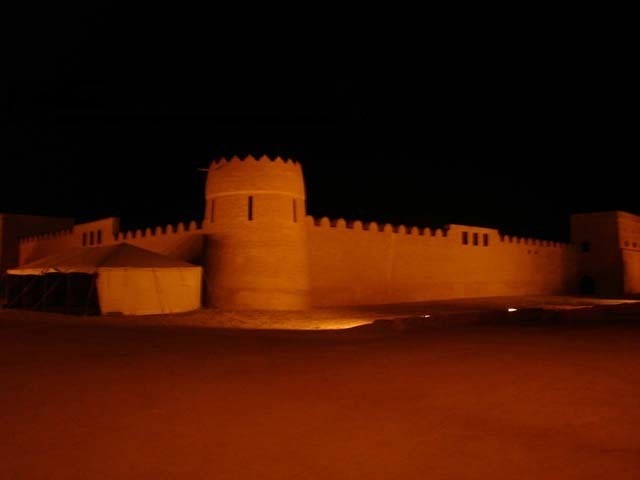
Tylos Fortress was designed as a coastal fortress with a square ground plan measuring approximately 55 by 55 meters. It was surrounded by a protective moat, a common defensive feature in fortifications of the period. The fortress's walls were reinforced with round towers positioned at each corner and at the midpoint of the north, east, and south sides, providing comprehensive defensive coverage.
The main entrance was located on the west side, fortified by two additional towers, enhancing the gate's security against potential attackers. This layout reflects typical Sassanid military architecture adapted for coastal defense, emphasizing both surveillance and protection against naval threats.
Archaeological discovery and current condition
The fortress was rediscovered during archaeological excavations in the latter half of the 20th century. Today, Tylos Fortress is an archaeological site that is freely accessible to visitors. However, as with many ancient ruins, visitors are advised to avoid entering the fragile remains to preserve the site.
While the fortress itself is largely in ruins, its impressive scale and strategic location provide valuable insights into the region's historical maritime defenses. Visiting Tylos Fortress offers a unique opportunity to explore the early medieval military architecture of Bahrain and complements a visit to the nearby Bahrain Fort (Qal'at al-Bahrain), which has a rich history spanning several centuries.
Relationship with Bahrain Fort and regional history
Bahrain Fort, also known as Al Bahrain Fort or Qal'at al-Bahrain, lies on the same tell as Tylos Fortress and represents a later phase of fortification on this historically significant site. Bahrain Fort was constructed between the late 13th and early 14th centuries by the Princes of Hormuz, who controlled the strategic Strait of Hormuz and the Persian Gulf's principal harbors.
The construction of Bahrain Fort involved extensive building and restoration that destroyed parts of the earlier tell, including remnants of the Tylos Fortress. This newer fortification was designed to withstand artillery attacks and played a central role during Portuguese and Ottoman conflicts in the region.
The proximity of these two forts illustrates the continuous strategic importance of the site from antiquity through the medieval and early modern periods. While Tylos Fortress served as a Sassanid coastal defense and later a medieval trading hub, Bahrain Fort became a key military bastion during the age of European colonial expansion and regional power struggles.
Visiting Tylos Fortress and nearby attractions
Visitors to Tylos Fortress can explore the archaeological site freely, though care should be taken to respect the fragile ruins. The fortress offers a fascinating glimpse into Bahrain's early medieval history and maritime defenses.
Nearby, the Bahrain Fort Museum provides extensive exhibits on the history and archaeology of the region, enhancing the visitor experience. The museum is conveniently located next to the beach, making it a pleasant destination for those interested in the cultural heritage of Bahrain.
For those interested in exploring further, the larger Qal'at al-Bahrain archaeological site encompasses layers of history from the Dilmun civilization through to the Portuguese period, offering a comprehensive understanding of Bahrain's historical significance in the Persian Gulf.
Frequently asked questions (FAQ)
- What is Tylos Fortress?
- Tylos Fortress, located in Al Qalah, Bahrain, is a historical site that dates back to the 3rd century BC. It was once part of the ancient civilization of Dilmun and served as a significant trading hub in the region. The fortress features impressive architectural elements that reflect the rich cultural heritage of Bahrain.
- When was Tylos Fortress built?
- Tylos Fortress was constructed around the 3rd century BC, during the height of the Dilmun civilization. It has undergone various renovations and restorations over the centuries, allowing visitors to appreciate its historical significance and architectural beauty today.
- How do I get to Tylos Fortress?
- Tylos Fortress is accessible by car or taxi from major cities in Bahrain. Public transportation options are limited, so it is recommended to plan ahead, especially if you are visiting from Manama or other distant areas.
- What are the opening hours for Tylos Fortress?
- Tylos Fortress is typically open to visitors from 8 AM to 4 PM daily, but it is advisable to check for any seasonal changes or special holiday hours before your visit. Arriving early can provide a quieter experience, allowing you to explore the site at your leisure.
- Is it possible to take guided tours of Tylos Fortress?
- Yes, guided tours are available for visitors who wish to learn more about the history and significance of Tylos Fortress. These tours often include insights into the architectural features and archaeological findings, enhancing your overall experience.
- Can I take photos at Tylos Fortress?
- Absolutely! Photography is encouraged at Tylos Fortress, allowing visitors to capture the stunning views and intricate details of the architecture. However, it's important to be respectful of other visitors while taking pictures.
- What is the best time to visit Tylos Fortress?
- The best time to visit Tylos Fortress is during the cooler months, from November to March, when temperatures are more pleasant for outdoor exploration. Early mornings or late afternoons are also ideal for avoiding the midday heat and enjoying beautiful lighting for photography.
- Are there any nearby attractions to visit?
- Yes, Tylos Fortress is close to several other attractions, including the Bahrain National Museum and the ancient burial mounds at A'ali. Exploring these sites can provide a fuller understanding of Bahrain's rich history and cultural landscape.
- What are the ticket prices for Tylos Fortress?
- Entrance to Tylos Fortress is generally free for visitors, making it an accessible option for everyone. However, check for any special events or exhibitions that may have associated fees.
Photo gallery

Loading map...
Visitor reviews
No reviews yet. Been here? Write the first review and help other travelers!
Write the first reviewVisited this castle? Share your experience
Your review helps other travelers and adds first-hand knowledge to our encyclopedia.