Abu Mahir Fort
Abu Mahir Fort, also known as Bu Maher Fort or Qal'at Bu Maher, is a historic coastal fortress located on Muharraq Island in Bahrain. This fort occupies a strategic position guarding the entrance to Muharraq Bay, alongside the older Arad Fort on the opposite shore. Its location and architectural features reflect its role in the defense of Bahrain's waters and trade routes.
The origins and early history of Abu Mahir Fort
The site of Abu Mahir Fort has a long military history dating back to the 16th century during the period of Portuguese rule in the region. The earliest fortification here was likely a simple watchtower or small fort constructed by the Portuguese to control maritime navigation and protect their interests in the Arabian Gulf. This initial structure laid the groundwork for the later fortifications that would occupy the site.
Construction of the present fort in the 19th century
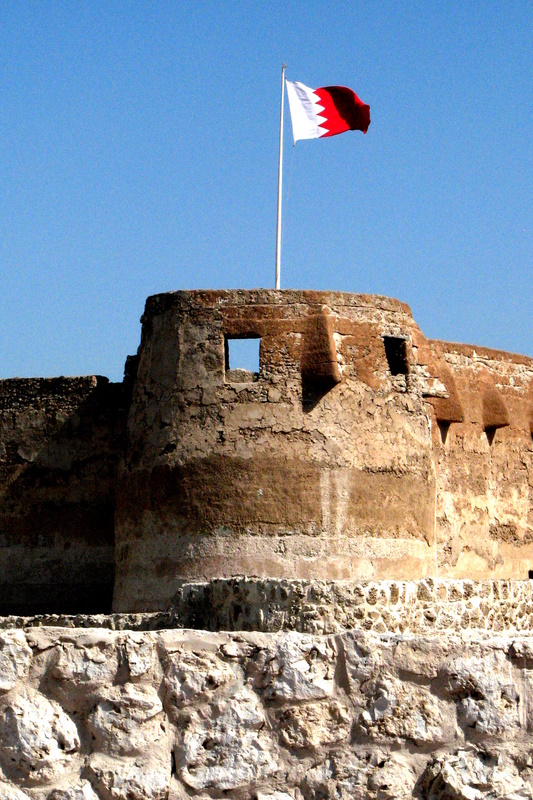
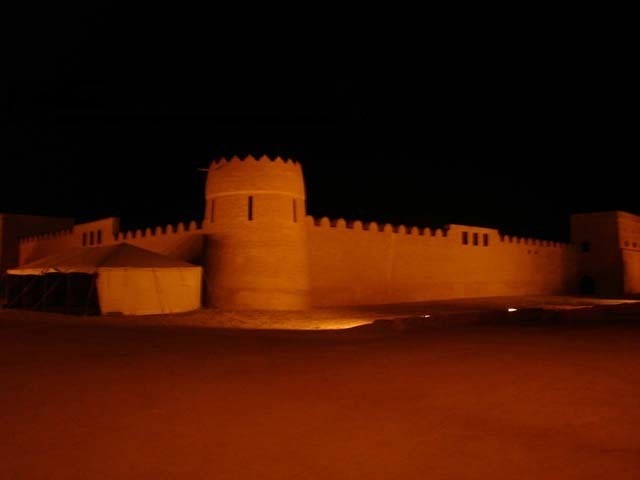
The current fort was constructed in 1840 by Shaikh Abdullah bin Ahmed Al Khalifa, a member of the ruling Al Khalifa family. It is believed that this construction reused the remains of the earlier Portuguese fortifications. The fort was built with a rectangular plan and featured circular towers at each of its four corners, a common defensive design element intended to provide overlapping fields of fire and better protection against attackers.
Abu Mahir Fort's design is characteristic of coastal fortresses of the period, intended to protect the bay from naval threats. Together with Arad Fort, it formed a defensive network controlling access to Muharraq Bay and safeguarding the island's maritime approaches.
Damage and partial reconstruction
In 1868, the fort suffered significant damage when it was bombarded by British warships. This attack was part of the broader strategic conflicts in the Gulf region during the 19th century, reflecting the geopolitical tensions involving local rulers and European powers. The bombardment left the fort in ruins for some time.
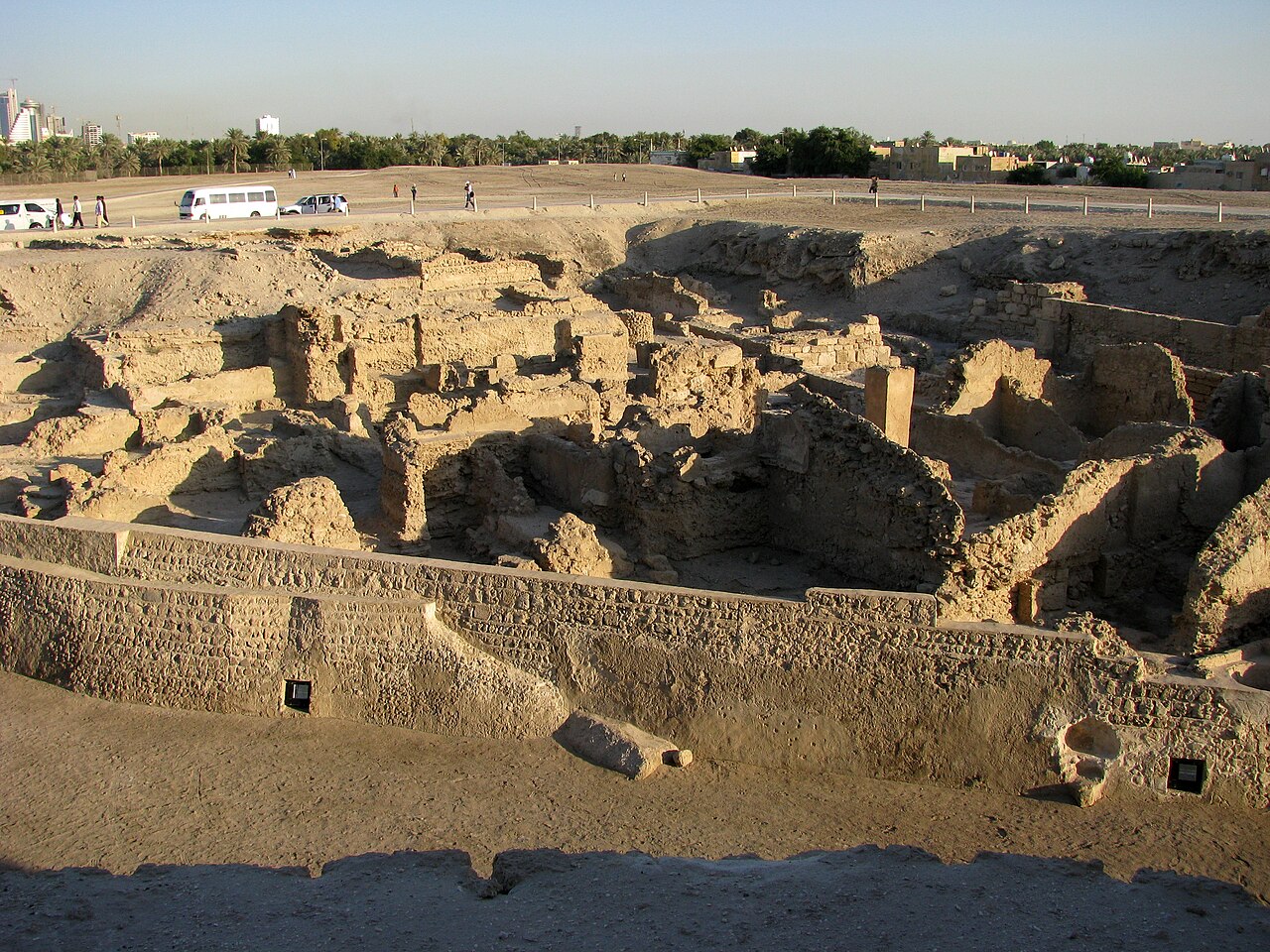
During the 1970s, efforts were made to partially rebuild Abu Mahir Fort. These restoration works aimed to preserve the historical structure and maintain its cultural significance. Archaeological excavations carried out in 2010 uncovered the fort's foundations and revealed an ancient Arabic date press room, known locally as a madbasa or mudabissa. This discovery highlights the site's historical role not only in military defense but also in local agricultural practices.
Architectural features and layout
Abu Mahir Fort's architecture reflects practical military design adapted to its coastal environment. The rectangular layout with four circular corner towers provided robust defense capabilities, allowing defenders to cover all approaches. The thick walls and elevated towers were designed to withstand cannon fire and provide vantage points for surveillance.
The fort's proximity to the water meant it was part of a coastal defense system, with its position enabling control over naval traffic entering Muharraq Bay. The discovery of the madbasa within the fort's precincts adds an unusual dimension to its architecture, indicating multifunctional use including agricultural processing.
Visiting Abu Mahir Fort today
Today, Abu Mahir Fort is a notable tourist attraction in Bahrain, drawing visitors interested in the island's military history and coastal defenses. Access to the fort is unique because it cannot be reached by land due to the surrounding area being a coast guard base. Visitors must take a short boat trip arranged through the Bahrain National Museum in Manama, where tickets can be purchased.
On-site, there is a small exhibition that provides insights into the fort's history and archaeological findings. The visit to Abu Mahir Fort is often combined with a trip to the Bahrain National Museum, which offers extensive displays on Bahrain's cultural heritage and history.
Significance and heritage value
Abu Mahir Fort stands as a testament to Bahrain's strategic maritime history and the interplay of regional powers in the Arabian Gulf. Its layered history from Portuguese occupation to 19th-century Al Khalifa rule, and its role in coastal defense, make it an important cultural landmark. The fort's preservation and archaeological discoveries contribute to understanding Bahrain's historical landscape and heritage conservation efforts.
Frequently asked questions (FAQ)
- How do I visit Abu Mahir Fort?
- Abu Mahir Fort can only be accessed by boat due to the surrounding coast guard base. Visitors can purchase tickets for a short boat trip to the fort at the Bahrain National Museum in Manama.
- What is the historical significance of Abu Mahir Fort?
- Abu Mahir Fort played a key role in protecting Muharraq Bay alongside Arad Fort. It reflects Bahrain's maritime defense history from the Portuguese period through the 19th century.
- When was Abu Mahir Fort built?
- The current fort was built in 1840 by Shaikh Abdullah bin Ahmed Al Khalifa, reusing earlier Portuguese fortifications on the site.
- Can I see archaeological findings at the fort?
- Yes, archaeological excavations uncovered the fort's foundations and an ancient Arabic date press room called a madbasa, which is part of the small exhibition at the site.
- Is Abu Mahir Fort open year-round?
- Visiting hours may vary, so it is best to check with the Bahrain National Museum for current opening times and ticket availability before planning your visit.
Information
Address
Block 216, Bahrain
Loading map...
Visitor reviews
No reviews yet. Been here? Write the first review and help other travelers!
Write the first reviewVisited this castle? Share your experience
Your review helps other travelers and adds first-hand knowledge to our encyclopedia.