Qasr ibn Wardan
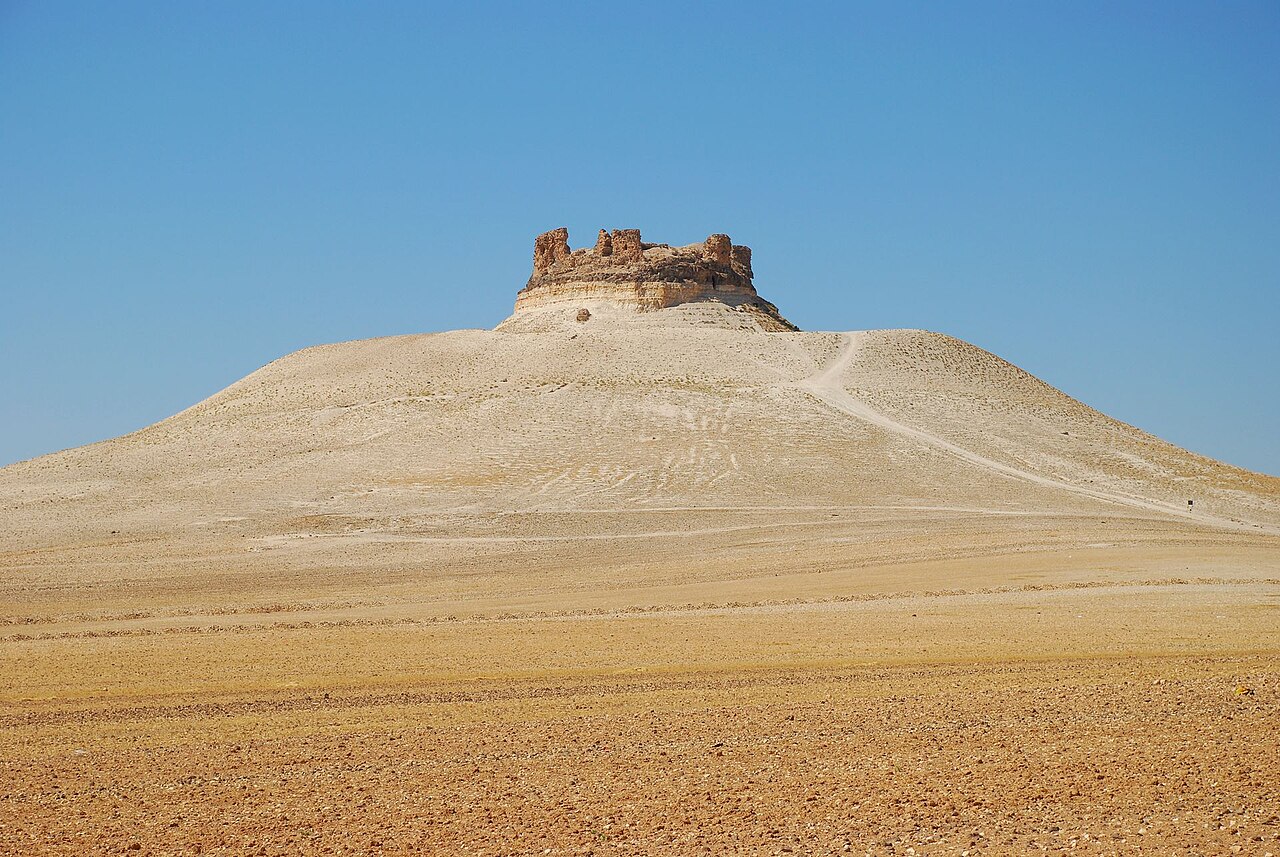
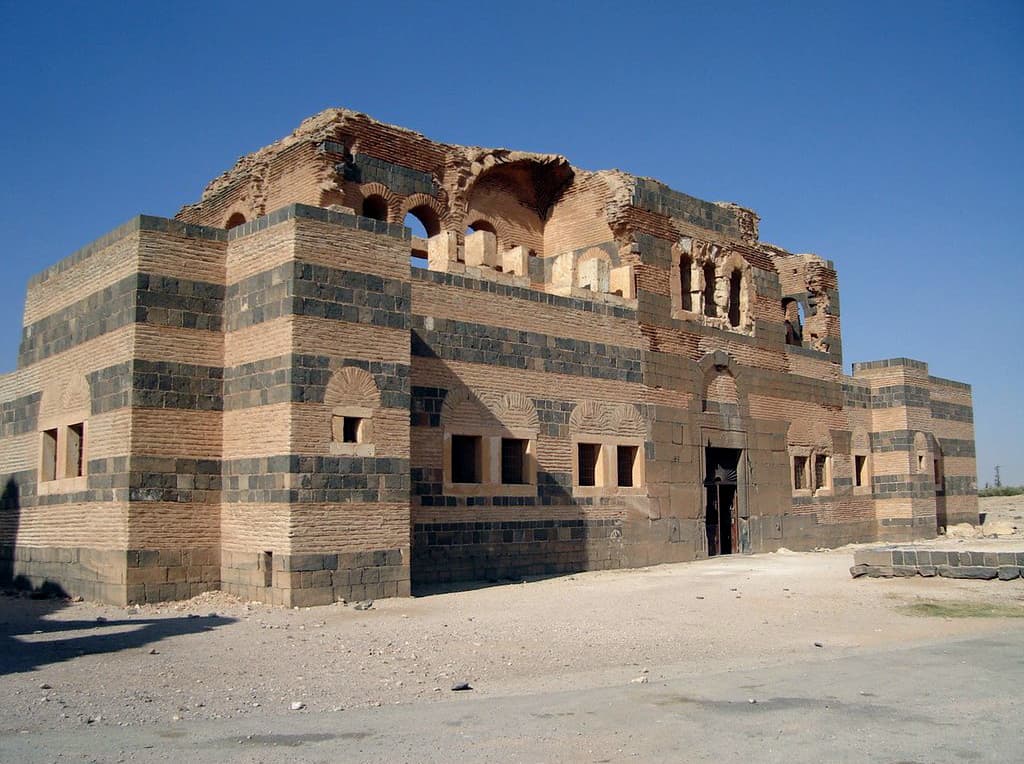
Qasr Ibn Wardan is a remarkable 6th-century archaeological site located in the Syrian Desert, northeast of the city of Hama and near the small settlement that shares its name. This site is known primarily for the ruins of a Byzantine-era fortress, which exemplifies the military architecture and strategic planning of the early medieval period in the region. The fortress was constructed during the reign of the Byzantine Emperor Justinian I in the mid-6th century, as part of a broader effort to strengthen the empire's eastern frontier against potential threats.
The site of Qasr Ibn Wardan consists of a hamlet located to the east of a modern road, with the fortress ruins lying to the west. The hamlet itself had a modest population of 467 according to the 2004 census by the Syria Central Bureau of Statistics. The fortress ruins stand as a testament to the region's historical significance and its role in Byzantine military strategy.
Historical context and strategic importance
Qasr Ibn Wardan was built during a turbulent period marked by frequent conflicts between the Byzantine Empire and neighboring powers, including the Sassanian Persians and various Arab tribes. The fortress formed part of a network of defensive structures designed to secure the empire's eastern borders and protect vital trade routes crossing the Syrian Desert.
The construction of the fortress was commissioned under Emperor Justinian I, who ruled from 527 to 565 AD. His ambitious building program aimed to restore and reinforce imperial authority across the empire, particularly in frontier regions vulnerable to invasion. Qasr Ibn Wardan's location was carefully chosen for its strategic vantage point, allowing for surveillance of the surrounding desert landscape and early warning of approaching forces.
Architectural features and design
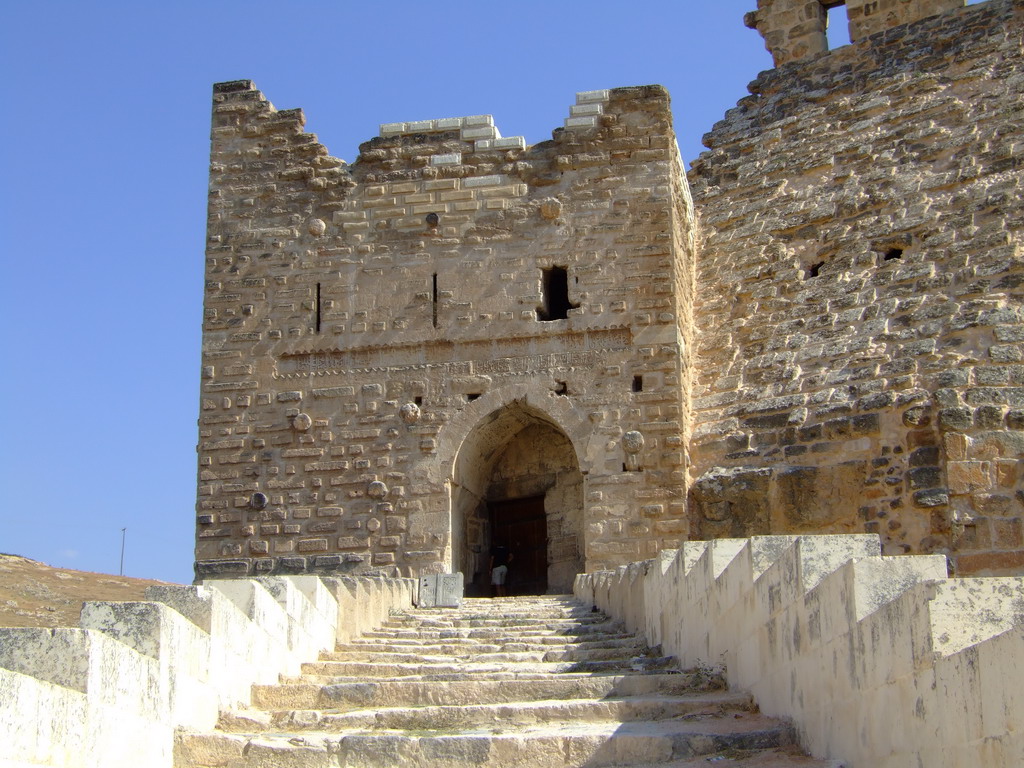
The fortress at Qasr Ibn Wardan is an example of Byzantine military architecture that incorporates elements adapted to the harsh desert environment. The structure was built primarily from stone, with large blocks forming thick defensive walls designed to withstand siege warfare. The fortress featured a rectangular plan with towers at the corners and along the walls, providing overlapping fields of fire for archers and defenders.
One of the most distinctive architectural elements of Qasr Ibn Wardan is the use of finely dressed stone blocks, some of which were transported from distant quarries, reflecting the importance of the site. The fortress also included a central courtyard, living quarters for soldiers, storage rooms, and cisterns to collect and store water, essential for survival in the arid climate.
The design reflects a blend of functional military needs and the aesthetic preferences of the Byzantine period, with some decorative elements visible in the surviving stonework. The fortress walls were reinforced with battlements and crenellations, which provided cover for defenders while allowing them to observe and repel attackers.
Construction techniques
The builders of Qasr Ibn Wardan employed advanced masonry techniques characteristic of Byzantine construction. The stone blocks were carefully cut and fitted without the extensive use of mortar, relying on precise craftsmanship to create stable and durable walls. This method contributed to the fortress's resilience, allowing portions of the structure to survive to the present day despite centuries of exposure to the elements and human activity.
Current condition and archaeological significance
Today, Qasr Ibn Wardan exists as ruins that provide valuable insights into early medieval fortification methods and Byzantine frontier policy. The site has been subject to archaeological study, revealing details about the layout, construction, and historical context of the fortress.
Although much of the structure has deteriorated over time, significant portions of the walls and towers remain standing, allowing visitors and researchers to appreciate the scale and complexity of the original fortress. The ruins are an important cultural heritage site within Syria, reflecting the region's layered history and its role as a crossroads of civilizations.
Visitor information and accessibility
Access to Qasr Ibn Wardan is primarily for those interested in archaeology and history, as the site is remote and lacks extensive tourist infrastructure. Visitors should be prepared for desert conditions and limited facilities. The hamlet nearby provides some local context but few amenities.
Due to its status as an archaeological site, preservation efforts focus on protecting the remaining structures from further decay. Visitors are encouraged to respect the site and contribute to its conservation by following guidelines established by local authorities.
Frequently asked questions (FAQ)
- How do I get to Qasr ibn Wardan?
- Qasr ibn Wardan is located in the Syrian Arab Republic, approximately 60 kilometers northeast of Aleppo. You can reach the castle by car or arrange for local transportation services, which are commonly available in nearby cities.
- What is the historical significance of Qasr ibn Wardan?
- Qasr ibn Wardan is an important example of early Islamic architecture, dating back to the 6th century. It served as a palace and fortress, reflecting the power and influence of the Umayyad dynasty during its peak.
- When was Qasr ibn Wardan built?
- The construction of Qasr ibn Wardan began in the 6th century, with its architectural design showcasing the artistic innovation of the time. It was primarily built during the reign of the Byzantine Empire, later adopted by the Umayyads.
- Can I visit Qasr ibn Wardan year-round?
- Yes, Qasr ibn Wardan is open to visitors throughout the year. However, it is advisable to check local conditions and security updates before planning your visit, as accessibility can vary.
- Why is Qasr ibn Wardan considered an architectural marvel?
- Qasr ibn Wardan is renowned for its intricate stone carvings, impressive archways, and well-preserved frescoes. The castle's unique design combines elements of Byzantine and Islamic architecture, making it a significant study in historical architectural evolution.
- Is it possible to take guided tours of Qasr ibn Wardan?
- Yes, guided tours are available at Qasr ibn Wardan, offering insights into its history and architecture. These tours are conducted by knowledgeable local guides who can enhance your understanding of the site's significance.
- What are the ticket prices for visiting Qasr ibn Wardan?
- Ticket prices for Qasr ibn Wardan are generally affordable, allowing visitors to explore the site without breaking the bank. It is recommended to check for any updates on entry fees before your visit, as they may change seasonally.
- What are the opening hours for Qasr ibn Wardan?
- Qasr ibn Wardan typically opens from morning until late afternoon, with hours varying by season. To ensure you have ample time to explore, it is best to arrive early in the day.
- What are some nearby attractions to Qasr ibn Wardan?
- Nearby attractions include the ancient city of Aleppo, known for its Citadel and vibrant souks, as well as other historical sites scattered throughout the region. Exploring these attractions can provide a deeper understanding of Syrian history and culture.
Photo gallery

Information
Loading map...
Visitor reviews
No reviews yet. Been here? Write the first review and help other travelers!
Write the first reviewVisited this castle? Share your experience
Your review helps other travelers and adds first-hand knowledge to our encyclopedia.