Chmemis Castle — Syria castle

Chmemis Castle

Chmemis Castle: medieval fortress ruins near Salamiyah, Syria
High Medieval (11th–13th c.)
Ruins

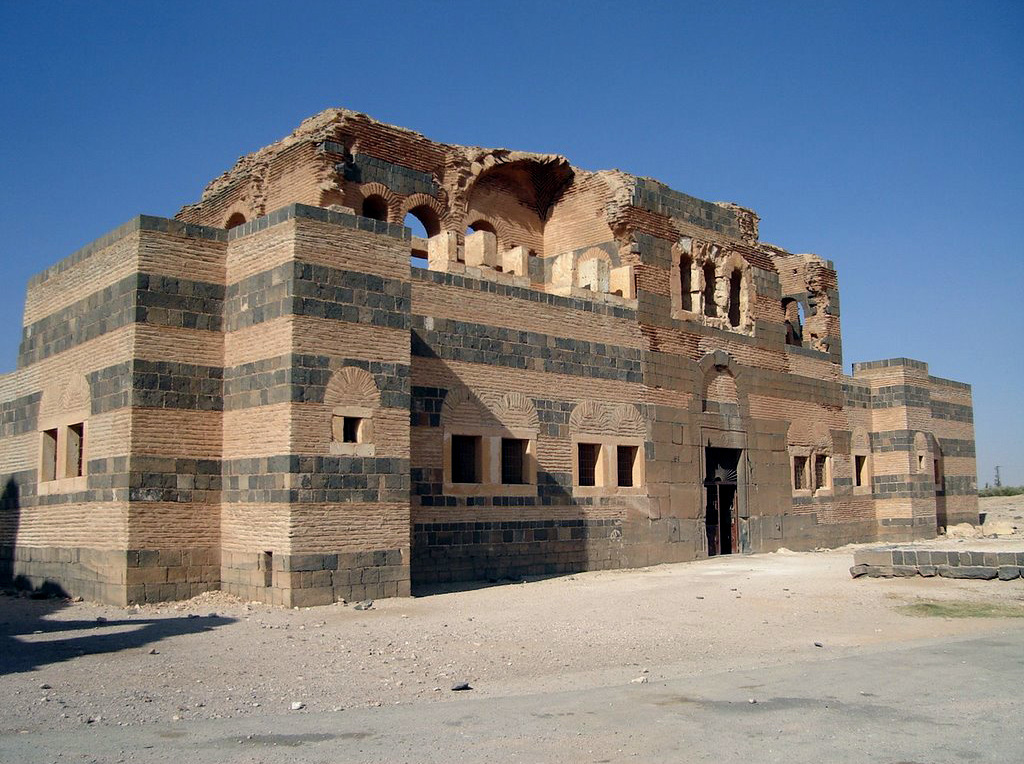
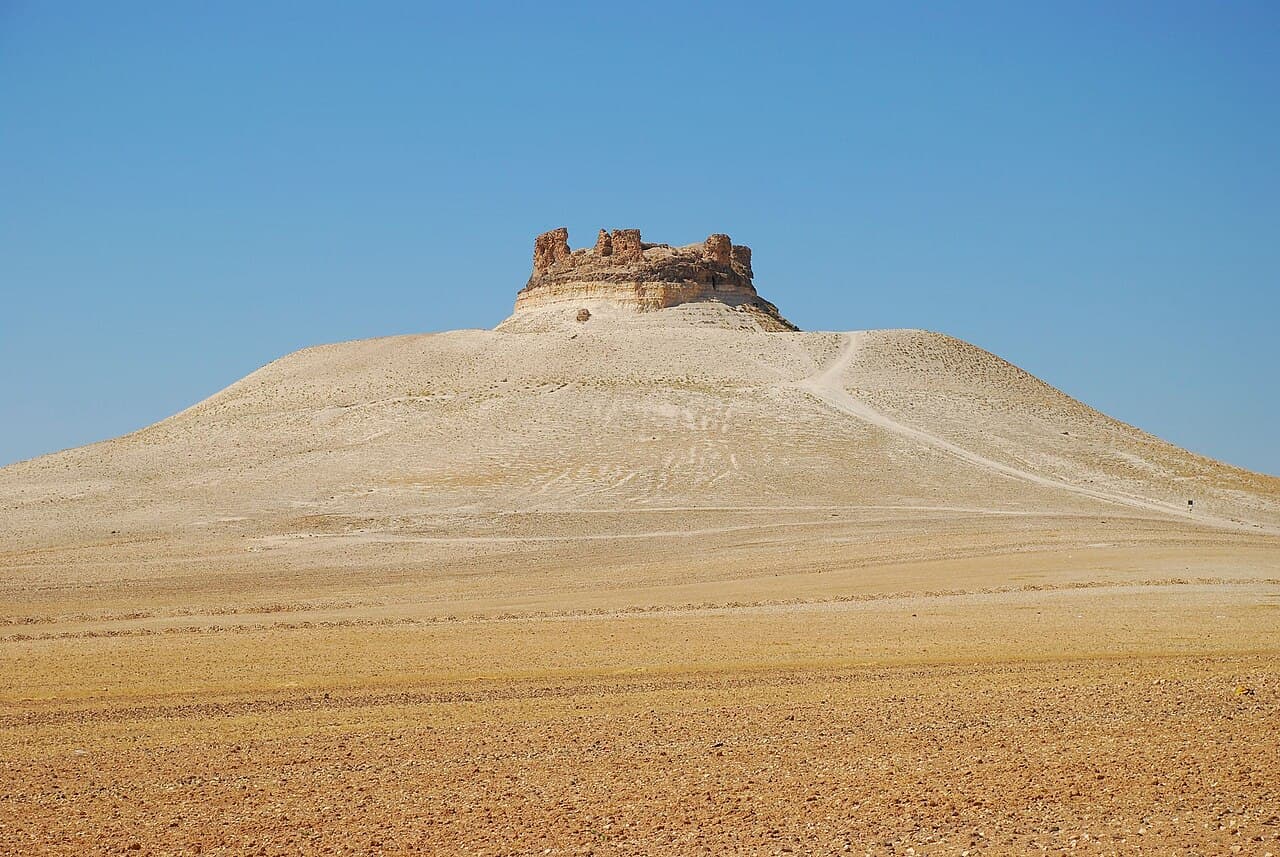
Chmemis Castle, also known as ash-Shmemis or ash-Shmamis, is a medieval fortress situated in the Syrian Arab Republic. This 13th-century castle lies approximately 3 kilometers northwest of the town of Salamiyah and about 30 kilometers southeast of the city of Hama. The castle is perched on a prominent hill, a strategic location that allowed it to control the surrounding landscape and trade routes during the High Medieval period.

Historical context and strategic importance

The castle was constructed during the High Medieval era, a time marked by frequent conflicts and shifting control in the Levant region. Its position near Salamiyah placed it along key communication and trade routes between major cities in Syria. The fortress served both defensive and administrative functions, acting as a military stronghold to protect the area from invasions and rebellions.

Chmemis Castle's location on elevated terrain provided a commanding view of the surrounding plains, enabling early detection of approaching forces. This advantage was typical of hill castles built in the medieval period to maximize defense capabilities.

Architectural features and layout

Although now in a state of ruins, archaeological studies reveal that Chmemis Castle was originally a robust fortified complex. The castle's design incorporated thick defensive walls constructed from local stone, which enclosed a courtyard and various internal buildings. The remains indicate the presence of towers that would have been used for surveillance and defense.

The castle likely included a main gatehouse, battlements, and possibly a keep or donjon, which was common in medieval fortifications of the region. The use of natural rock formations in the castle's construction also suggests it was partially a rock castle, integrating the terrain into its defenses.

Defensive structures

The surviving walls show evidence of crenellations and arrow slits, features designed to allow defenders to repel attackers while minimizing exposure. The castle's elevated position, combined with these fortifications, would have made it a formidable obstacle for any besieging force.

Current condition and archaeological significance

Today, Chmemis Castle stands as a significant archaeological ruin. The site has not been fully restored but remains an important source of information about medieval military architecture in Syria. The ruins provide insight into the construction techniques and strategic priorities of the period.

Due to its historical and cultural value, the castle is of interest to historians, archaeologists, and visitors interested in the medieval history of the Levant. Its partial preservation allows for ongoing study and potential future conservation efforts.

Access and location

Located near Salamiyah, the castle is accessible by road, though the exact visitor facilities and opening hours are not well documented. The site offers a glimpse into Syria's medieval past amidst a landscape that has witnessed centuries of history.

Frequently asked questions (FAQ)

How do I get to Chmemis Castle?
Chmemis Castle is located in the Syrian Arab Republic, approximately 30 kilometers from the city of Homs. Visitors can reach the castle by car or local transportation options available in nearby cities. It is advisable to use a GPS or a map for precise navigation, as some roads may be less well-marked.
What is the historical significance of Chmemis Castle?
Chmemis Castle dates back to the Crusader period and is renowned for its strategic importance in controlling the region. It showcases a blend of medieval architecture and history, reflecting the various cultures that have influenced the area. The castle serves as a testament to the military and political history of Syria.
When was Chmemis Castle built?
Chmemis Castle was constructed in the 12th century during the Crusades, primarily as a fortress and defensive structure. Its construction reflects the architectural styles and military strategies of the time, making it a valuable historical site. Over the centuries, it has witnessed numerous battles and events that have shaped its history.
Can I visit Chmemis Castle year-round?
Yes, Chmemis Castle is open to visitors throughout the year, though the best time to visit is during the spring and autumn months when the weather is mild. During summer, temperatures can be quite high, which may affect your experience. Always check local conditions and any travel advisories before planning your visit.
Why is Chmemis Castle considered an architectural treasure?
Chmemis Castle is considered an architectural treasure due to its impressive fortifications and unique design, which include thick stone walls and intricate battlements. The castle exemplifies the military architecture of the Crusader era and reflects the engineering prowess of its builders. Its preservation allows visitors to appreciate the craftsmanship of the time.
Is it possible to take guided tours of Chmemis Castle?
Yes, guided tours are available for visitors who wish to learn more about the history and architecture of Chmemis Castle. These tours often provide in-depth insights and stories that enhance the visitor experience. It is recommended to book a tour in advance, especially during peak tourist seasons.
What are the opening hours for Chmemis Castle?
Chmemis Castle typically opens at 9 AM and closes at 5 PM, but hours may vary seasonally. It is advisable to check for any specific changes in opening times before your visit. Arriving early can help you avoid crowds and enjoy a more immersive experience.
Are there any nearby attractions to explore after visiting Chmemis Castle?
Yes, several nearby attractions complement your visit to Chmemis Castle, including other historical sites and beautiful natural landscapes. The ancient city of Palmyra is a short drive away and offers fascinating ruins to explore. Additionally, the surrounding countryside provides opportunities for hiking and enjoying the scenic views.
What are the ticket prices for Chmemis Castle?
Ticket prices for Chmemis Castle are generally affordable, making it accessible to a wide range of visitors. Discounts may be available for students and groups, so it's worth inquiring about any special rates. Always check the official site or local sources for the most up-to-date pricing information before your visit.

Photo gallery

Chmemis Castle
Click to view

Photo by Bertramz•CC BY-SA 3.0

1 photo • Click any image to view in full screen

Information

Archaeological Site / Ruins

Loading map...

Visitor reviews

No reviews yet. Been here? Write the first review and help other travelers!

Write the first review

Visited this castle? Share your experience

Your review helps other travelers and adds first-hand knowledge to our encyclopedia.
Write a review

(5/5)

0/2000 characters

Your review will be visible after admin approval

Nearby castles

26.4 km
Hama Castle — Syria castle

Hama Castle

, Syria

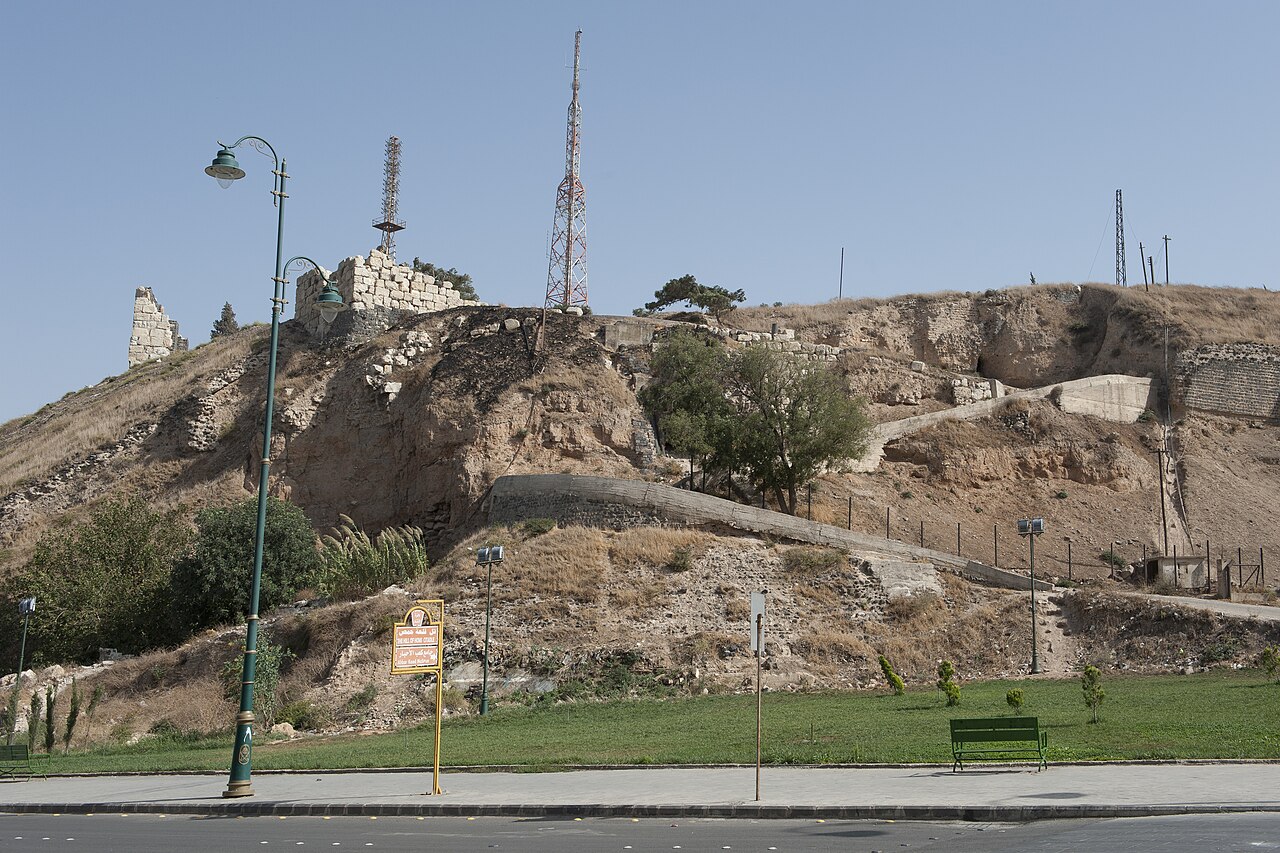
Hama Castle is an ancient fortress located in Hama, Syria, prominently situated on a large earthen mound, or tell, on the western bank of the Orontes River. This strategic position has made the site a focal point of military and administrative control for millennia. The castle's origins trace back to the Seleucid period when the city was known as Epiphania, marking the earliest recorded fortress construction on this elevated site. The initial stronghold served the Seleucid Empire's strategic and administrative needs, guarding important regional routes and river access. Early history and strategic importance Following the Seleucid era, Hama Castle came under Roman control, maintaining its significance as a fortified site during Roman rule. The fortress witnessed a pivotal moment early in the Islamic expansion when Abu Ubaidah ibn al-Jarrah captured it around 18 AH (approximately 639 CE), underscoring its importance during the Muslim conquests. Over the centuries, the castle's control shifted among various powers, including the Qarmatians in 291 AH (904–905 CE), the Mirdasid dynasty, Seljuks, Zengids, and ultimately the Ayyubids. Each ruling entity left architectural and cultural imprints on the fortress, adapting it to evolving military technologies and regional threats. Medieval reconstruction and military role In 1157, a devastating earthquake severely damaged the castle, necessitating extensive rebuilding. The Zengid leader Nur ad-Din Zangi spearheaded significant restoration efforts, enhancing the fortress’s defensive capabilities to meet contemporary military challenges. Later, after the Mongol destruction of 1258, the Mamluk Sultan Baibars undertook further repairs, reaffirming the castle’s strategic role during the medieval period. These successive reconstructions highlight the castle's enduring military value across centuries of conflict in the region. Decline and archaeological rediscovery The castle’s military importance waned following the 1401 order by Timur to demolish the fortress after securing the city, leaving it largely in ruins. Under Ottoman administration, the fortress gradually fell into decay, marking the end of its active military function. In the 20th century, archaeological research led by a Danish team under Harold Ingholt between 1931 and 1938 confirmed the site's continuous occupation, uncovering layers that span from the 5th millennium BCE through the Mamluk era. This research enriched understanding of the castle’s complex historical narrative and its role in regional history. Architectural features and archaeological remains Today, the most visible remnants of Hama Castle include a substantial stone retaining wall, or revetment, encircling the earthen mound that once supported the fortress. This wall demonstrates how the castle’s builders adapted their fortifications to the natural elevation of the tell, creating a fortified base for the structures above. Portions of these stone walls remain intact, offering insights into the castle’s defensive layout and construction techniques. Notable artifacts and decorative elements Excavations at the site uncovered a basalt stone altar, indicating ceremonial or religious practices during some phase of the castle’s occupation. Additionally, a staircase lined with stone lions was found, suggesting decorative efforts that symbolized protection and power, enhancing the fortress's imposing presence. The discovery of various pottery vessels and jewelry pieces throughout the stratified layers reflects the diverse cultural influences and inhabitants that occupied the castle over millennia. Comparative architectural significance Historical accounts have drawn comparisons between the overall design of Hama Castle and that of the Aleppo Castle, implying similarities in layout and architectural style within Syrian military architecture traditions. While detailed plans or dimensions of Hama Castle have not survived, this association situates it within a broader context of medieval fortress construction in the region. Present-day status and cultural heritage The top of the tell is currently covered with trees and serves as a public park, preserving the archaeological remains beneath a landscaped setting. This green space balances recreational use with the conservation of cultural heritage, allowing visitors to experience the historical significance of the site in a natural environment. The preservation of the castle’s remnants provides valuable opportunities for ongoing archaeological study and public education about Syria’s rich historical legacy.

Details
41.8 km
Qasr ibn Wardan — Syria castle

Qasr ibn Wardan

, Syria

Qasr Ibn Wardan is a remarkable 6th-century archaeological site located in the Syrian Desert, northeast of the city of Hama and near the small settlement that shares its name. This site is known primarily for the ruins of a Byzantine-era fortress, which exemplifies the military architecture and strategic planning of the early medieval period in the region. The fortress was constructed during the reign of the Byzantine Emperor Justinian I in the mid-6th century, as part of a broader effort to strengthen the empire's eastern frontier against potential threats.The site of Qasr Ibn Wardan consists of a hamlet located to the east of a modern road, with the fortress ruins lying to the west. The hamlet itself had a modest population of 467 according to the 2004 census by the Syria Central Bureau of Statistics. The fortress ruins stand as a testament to the region's historical significance and its role in Byzantine military strategy.Historical context and strategic importanceQasr Ibn Wardan was built during a turbulent period marked by frequent conflicts between the Byzantine Empire and neighboring powers, including the Sassanian Persians and various Arab tribes. The fortress formed part of a network of defensive structures designed to secure the empire's eastern borders and protect vital trade routes crossing the Syrian Desert.The construction of the fortress was commissioned under Emperor Justinian I, who ruled from 527 to 565 AD. His ambitious building program aimed to restore and reinforce imperial authority across the empire, particularly in frontier regions vulnerable to invasion. Qasr Ibn Wardan's location was carefully chosen for its strategic vantage point, allowing for surveillance of the surrounding desert landscape and early warning of approaching forces.Architectural features and designThe fortress at Qasr Ibn Wardan is an example of Byzantine military architecture that incorporates elements adapted to the harsh desert environment. The structure was built primarily from stone, with large blocks forming thick defensive walls designed to withstand siege warfare. The fortress featured a rectangular plan with towers at the corners and along the walls, providing overlapping fields of fire for archers and defenders.One of the most distinctive architectural elements of Qasr Ibn Wardan is the use of finely dressed stone blocks, some of which were transported from distant quarries, reflecting the importance of the site. The fortress also included a central courtyard, living quarters for soldiers, storage rooms, and cisterns to collect and store water, essential for survival in the arid climate.The design reflects a blend of functional military needs and the aesthetic preferences of the Byzantine period, with some decorative elements visible in the surviving stonework. The fortress walls were reinforced with battlements and crenellations, which provided cover for defenders while allowing them to observe and repel attackers.Construction techniquesThe builders of Qasr Ibn Wardan employed advanced masonry techniques characteristic of Byzantine construction. The stone blocks were carefully cut and fitted without the extensive use of mortar, relying on precise craftsmanship to create stable and durable walls. This method contributed to the fortress's resilience, allowing portions of the structure to survive to the present day despite centuries of exposure to the elements and human activity.Current condition and archaeological significanceToday, Qasr Ibn Wardan exists as ruins that provide valuable insights into early medieval fortification methods and Byzantine frontier policy. The site has been subject to archaeological study, revealing details about the layout, construction, and historical context of the fortress.Although much of the structure has deteriorated over time, significant portions of the walls and towers remain standing, allowing visitors and researchers to appreciate the scale and complexity of the original fortress. The ruins are an important cultural heritage site within Syria, reflecting the region's layered history and its role as a crossroads of civilizations.Visitor information and accessibilityAccess to Qasr Ibn Wardan is primarily for those interested in archaeology and history, as the site is remote and lacks extensive tourist infrastructure. Visitors should be prepared for desert conditions and limited facilities. The hamlet nearby provides some local context but few amenities.Due to its status as an archaeological site, preservation efforts focus on protecting the remaining structures from further decay. Visitors are encouraged to respect the site and contribute to its conservation by following guidelines established by local authorities.

Early Medieval (5th–10th c.)
Details
44.2 km
Citadel of Homs — Syria castle

Citadel of Homs

Homs, Syria

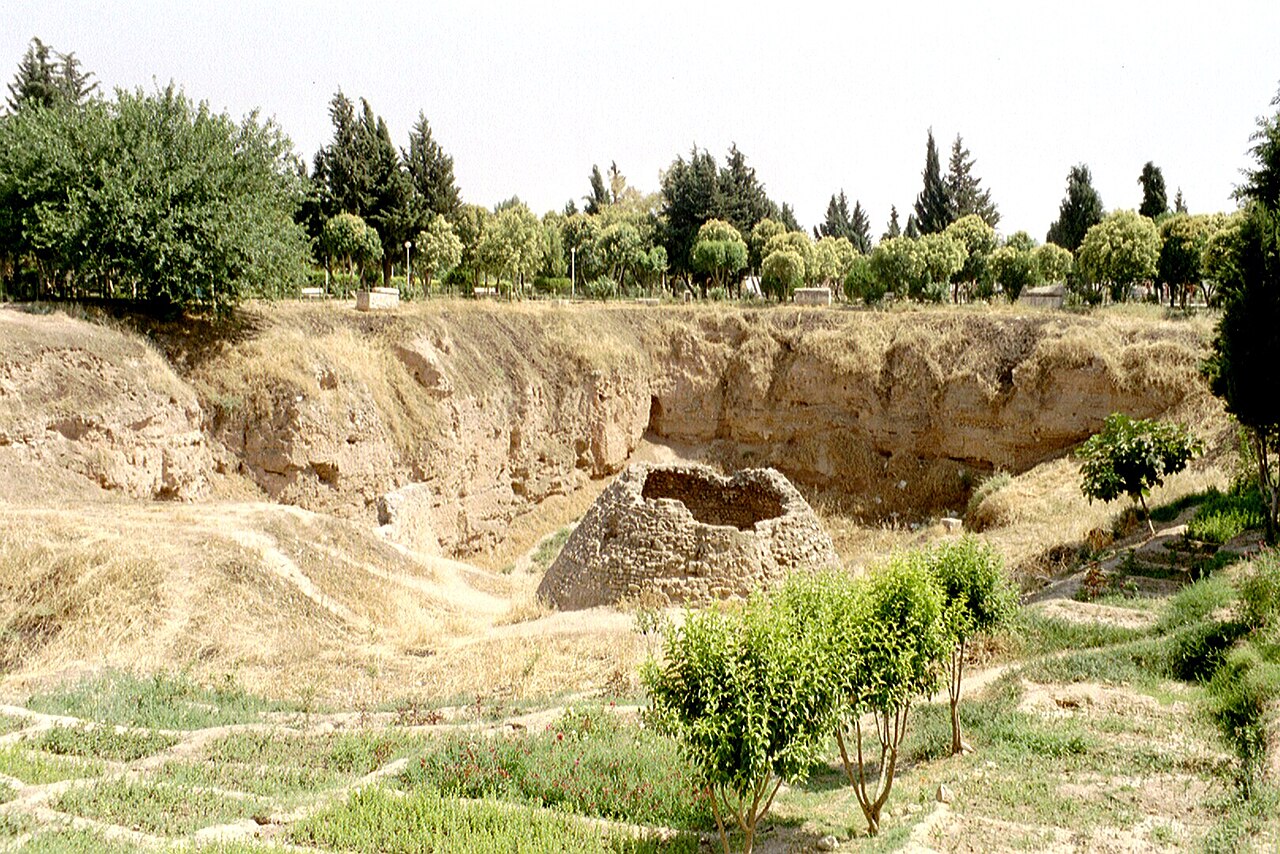
The Citadel of Homs stands as a monumental testament to the rich and complex history of fortifications in the Syrian Arab Republic. Located on an artificial mound southwest of the Old City of Homs, this hill castle encapsulates millennia of architectural evolution and strategic military importance. Its origins trace back to the 3rd millennium BCE, making it one of the oldest continuously inhabited fortified sites in the region. Throughout its extensive history, the citadel has witnessed the rise and fall of numerous civilizations, each leaving a distinct imprint on its structure and function. During the Roman period, the fortress transcended its initial defensive purpose to become a complex administrative and residential center. Under the patronage of Julia Domna, a prominent figure in Roman Syria and wife of Emperor Septimius Severus, the citadel expanded significantly. The construction of semi-circular walls enclosing living quarters, storerooms, and official buildings reflected the military and architectural innovations of the era. Early islamic transformation and medieval fortifications With the advent of the early Islamic period around 750 CE, the citadel underwent a major transformation under the Umayyad dynasty. It was formalized as a fortified stronghold, serving both military and administrative functions. By the 12th century, specifically in 1104 CE, the fortress was famously associated with Usama ibn Munqidh, a renowned warrior and poet of the Hamdanid era, earning the moniker "Citadel of Usama." The citadel endured significant challenges, including a devastating earthquake in 1170 CE. The reconstruction efforts led by the Muslim leader Nūr ad-Dīn revitalized its defenses and infrastructure. The subsequent Ayyubid period brought further enhancements, notably the construction of two towers attributed to Asad ad-Din Shirkuh, a key military commander. These towers bear inscriptions that serve as enduring markers of the citadel's strategic importance during the 12th century. Mamluk and ottoman eras Throughout the Mamluk and Ottoman periods, the citadel was continuously fortified to adapt to evolving military technologies and threats. The fortress's walls and towers were strengthened, and its role as a military base was maintained. However, the 19th century brought considerable destruction when Ibrahim Pasha's Egyptian forces partially demolished the citadel during their campaigns in the 1830s. Architectural features and archaeological remains The citadel is situated on a large artificial mound approximately 275 meters in diameter and rising 32 meters high, with an elevation between 500 and 533 meters above sea level. This tell comprises numerous layers of mudbrick construction, revealing cycles of occupation, destruction, and rebuilding over thousands of years. Signs of burning in some layers indicate periods of conflict and upheaval. Defensive structures dating back to the Roman era include the semi-circular enclosing walls that protected the citadel's core areas. The surviving Ayyubid towers on the northern side, inscribed with the name of Asad ad-Din Shirkuh, highlight the fortress's medieval military architecture. The summit hosts a small mosque used during later Islamic periods, emphasizing the citadel's religious as well as military significance. Within the citadel, a complex network of cisterns and burial vaults underscores the advanced engineering and cultural practices of its inhabitants. A particularly notable feature is a hidden cave containing a natural spring, historically protected by iron bars to ensure a reliable water supply during sieges. This spring's management reflects sophisticated water engineering integral to the fortress's sustainability. Modern history and preservation Following the extensive damage inflicted in the 19th century, the citadel was partially leveled and repurposed by French colonial forces and later Syrian military units, which further altered its original form. It served as a military base until the late 1980s, after which stewardship was transferred to Syria's Directorate-General of Antiquities and Museums for preservation and archaeological study. Today, the Citadel of Homs remains largely in a ruined condition, with only fragments of its once formidable defenses and buildings surviving. Despite this, it continues to offer invaluable insights into the region's layered history, from ancient times through the medieval Islamic era to modern conflicts. The citadel's enduring presence on the Syrian landscape makes it a significant cultural and historical landmark. Cultural significance and historical narratives Historical accounts from the 19th century describe the citadel as not only a military fortress but also a site of religious importance. The small mosque at the summit once housed a manuscript of the Quran believed to have been written by an early caliph, highlighting the site's spiritual heritage. The concealed spring and the fortress's strategic location further enhanced its role as a sanctuary in times of turmoil. The citadel's association with prominent figures such as Julia Domna, Usama ibn Munqidh, Nūr ad-Dīn, and Asad ad-Din Shirkuh enriches its historical narrative, linking it to key moments in Syrian and Islamic history. Its architectural layers embody the transitions between empires and cultures, reflecting the dynamic history of the Levant region. While much of the citadel lies in ruins, ongoing archaeological interest and conservation efforts aim to preserve its legacy. The site offers scholars and visitors alike a tangible connection to the ancient and medieval worlds, underscoring the enduring significance of the Citadel of Homs as a symbol of resilience and cultural continuity in Syria.

Early Medieval (5th–10th c.)
Details