Qasr el `Uweinid
Qasr el `Uweinid is a notable example of a bastioned fortress located in Jordan, distinguished by its robust defensive features designed to withstand sieges and attacks. While the exact city location remains unspecified, the fortress contributes to the rich tapestry of Jordan's medieval military architecture.
The fortress exemplifies the strategic use of bastions, projecting angular structures that allow defenders to cover adjacent walls with crossfire, an architectural advancement that became prominent in the late medieval period and was further developed during the Renaissance. These bastions provided enhanced protection against artillery and improved the fortress's defensive capabilities.
The architectural design and features of Qasr el `Uweinid
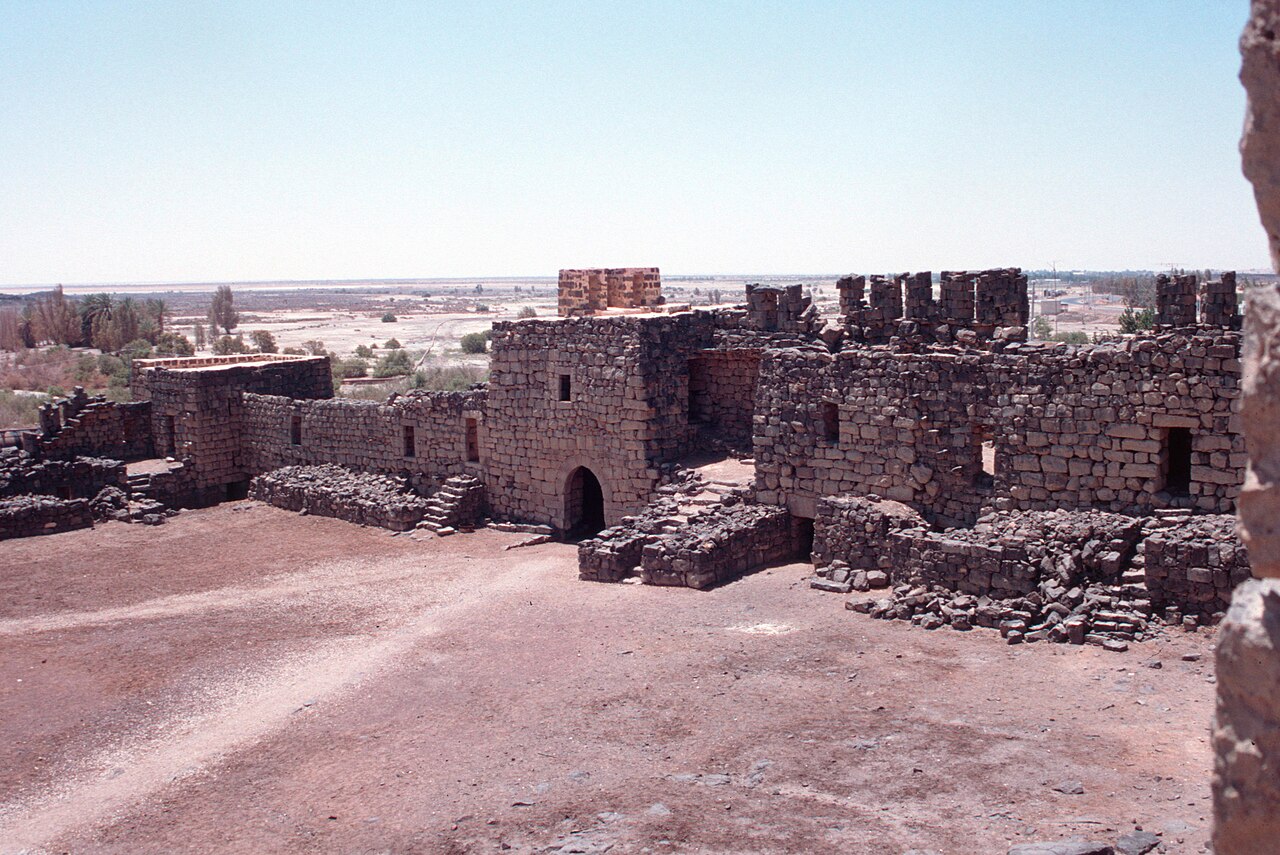
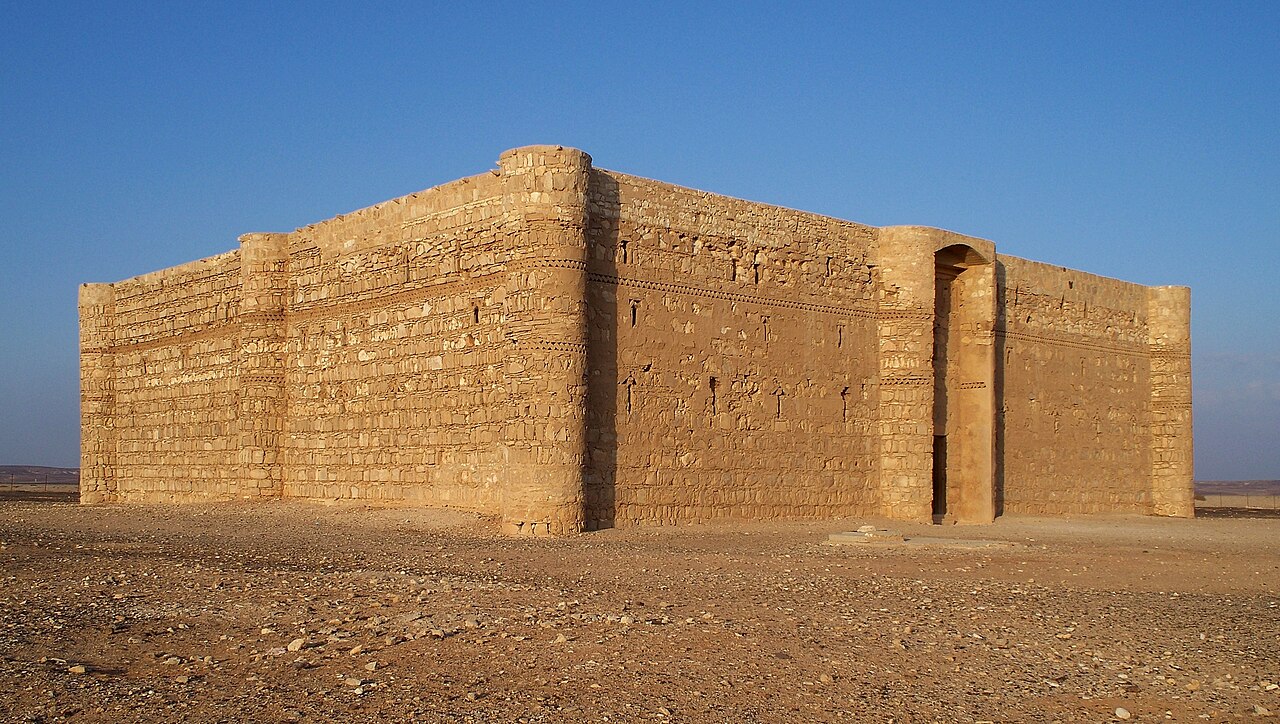
Qasr el `Uweinid's design reflects the principles of fortification that prioritize strong defensive walls and bastions. The fortress likely incorporates thick stone curtain walls, reinforced by bastions at critical points to eliminate blind spots. These bastions would have been equipped with artillery placements or platforms for archers, enabling defenders to repel attackers effectively.
The layout probably includes a central courtyard surrounded by residential and service buildings, typical of bastioned fortresses, providing space for garrisons and supplies. Gatehouses with defensive mechanisms such as portcullises and murder holes would control access, while narrow slit windows and embrasures allowed defenders to fire while remaining protected.
Construction techniques and materials
The fortress is likely constructed from locally sourced stone, shaped and laid to create thick, durable walls capable of resisting bombardment. The masonry would combine rough-hewn stones with finely dressed blocks at corners and openings to ensure structural integrity. Mortar binding and careful layering would enhance the walls' resilience.
Historical context and significance
While specific historical records of Qasr el `Uweinid are scarce, bastioned fortresses in Jordan typically date from the late medieval to early modern periods, reflecting the region's strategic importance along trade routes and borders. Such fortresses served as military strongholds, administrative centers, and safe havens during times of conflict.
The development of bastioned fortifications in the region was influenced by evolving military technology, particularly the introduction of gunpowder artillery, which required new defensive designs to counteract cannon fire. Qasr el `Uweinid embodies this transition, representing a shift from traditional medieval castles to more modern fortresses.
Preservation and current condition
The current condition of Qasr el `Uweinid is not extensively documented, but bastioned fortresses in Jordan often survive as partially preserved ruins or restored sites. Preservation efforts focus on stabilizing walls and bastions to prevent further decay while maintaining historical authenticity.
Visitors to such sites can typically observe the fortress's imposing walls, bastions, and remnants of internal structures, offering insights into the military architecture and historical landscape of the region.
Visiting and cultural importance
Although specific visitor information for Qasr el `Uweinid is unavailable, similar fortresses in Jordan attract tourists interested in history and architecture. These sites provide valuable educational opportunities and contribute to cultural heritage tourism.
Understanding Qasr el `Uweinid's architectural and historical context enhances appreciation of Jordan's role in regional defense and the evolution of military fortifications.
Frequently asked questions (FAQ)
- What is Qasr el `Uweinid?
- Qasr el `Uweinid is a bastioned fortress in Jordan known for its distinctive defensive architecture featuring projecting bastions.
- When was Qasr el `Uweinid likely built?
- The fortress likely dates to the late medieval period, reflecting the era's military architectural advances against artillery.
- What architectural features characterize Qasr el `Uweinid?
- It features thick stone walls, bastions for crossfire defense, gatehouses, and a central courtyard typical of bastioned fortresses.
- Is Qasr el `Uweinid open to visitors?
- Specific visitor information is not available, but similar fortresses in Jordan are often accessible for historical tourism and study.
- Why are bastioned fortresses important?
- Bastioned fortresses represent a key development in military architecture, designed to counteract cannon fire and improve defensive coverage.
Photo gallery

Information
Loading map...
Visitor reviews
No reviews yet. Been here? Write the first review and help other travelers!
Write the first reviewVisited this castle? Share your experience
Your review helps other travelers and adds first-hand knowledge to our encyclopedia.