Qasr Azraq
Qasr al-Azraq, meaning "Blue Fortress" in Arabic, is a prominent desert fortress located in eastern Jordan near the town of Azraq, approximately 100 kilometers east of Amman. This fortress is one of the most significant examples of desert castles in the region, distinguished by its strategic position adjacent to the Azraq oasis, the sole reliable water source in an expansive desert landscape. The availability of water made this site a critical military and trade hub throughout history.
The site of Qasr al-Azraq has a long history of occupation and strategic use, dating back to antiquity when the settlement was known as Basie. The Romans were the first to utilize the location for military purposes, recognizing the importance of controlling the oasis. Archaeological evidence indicates the presence of an early mosque within the fortress complex, highlighting its continued significance through the early Islamic period.
Architectural evolution and construction materials
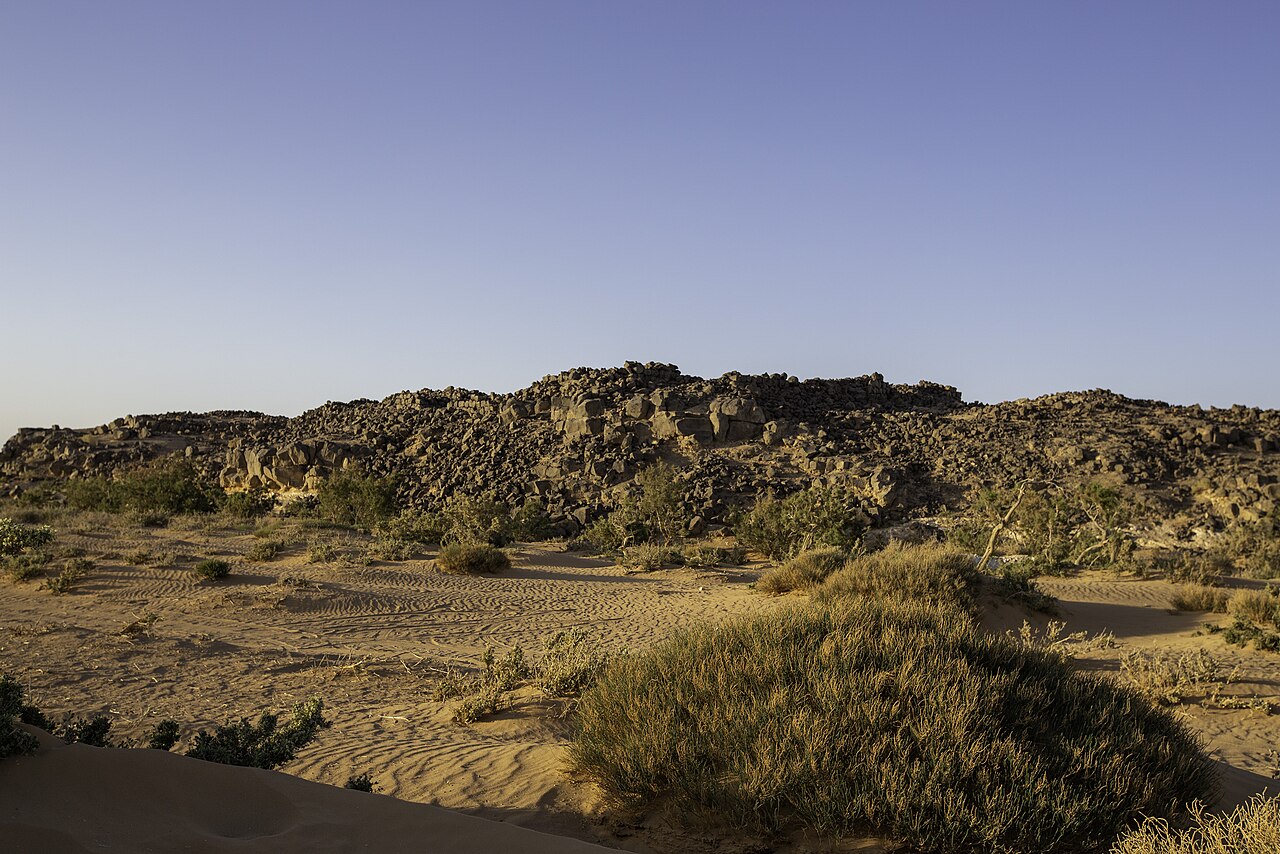
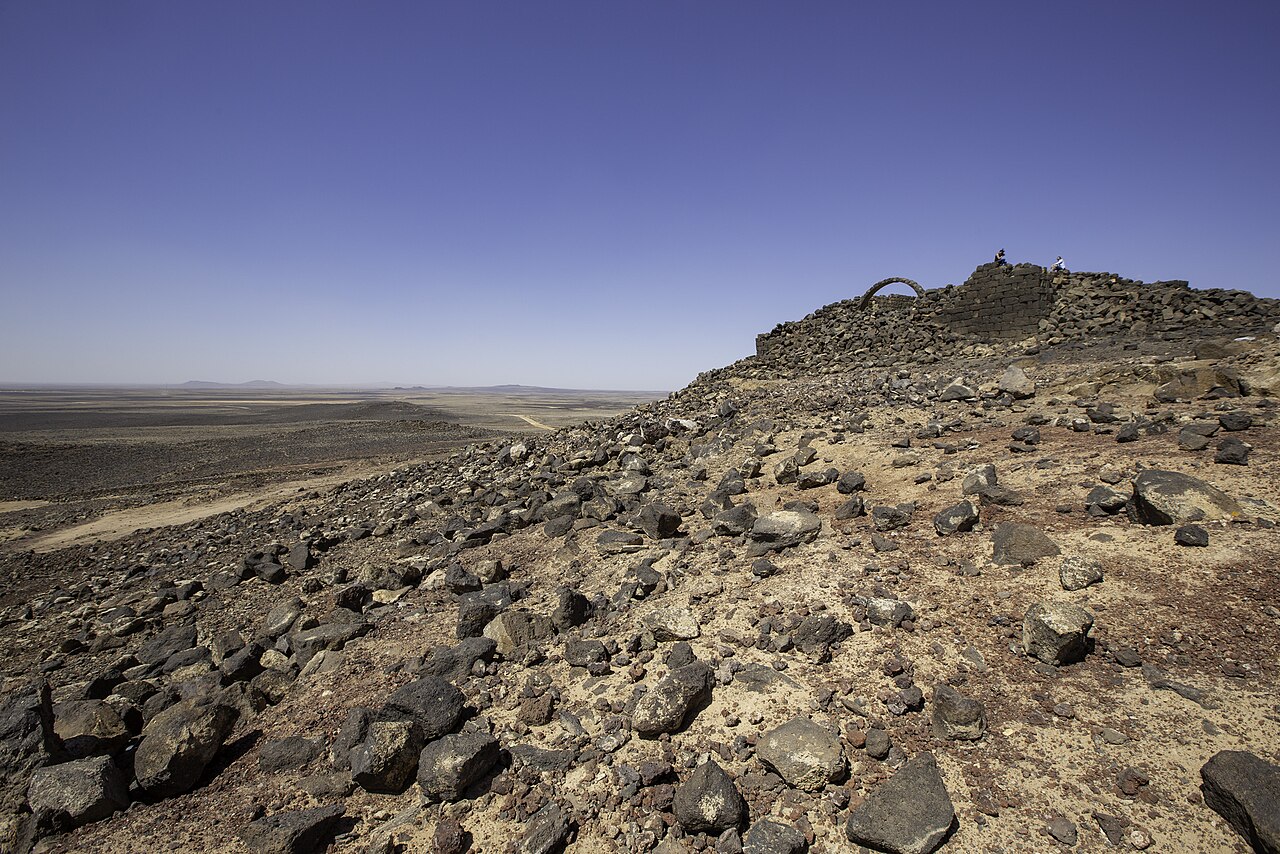
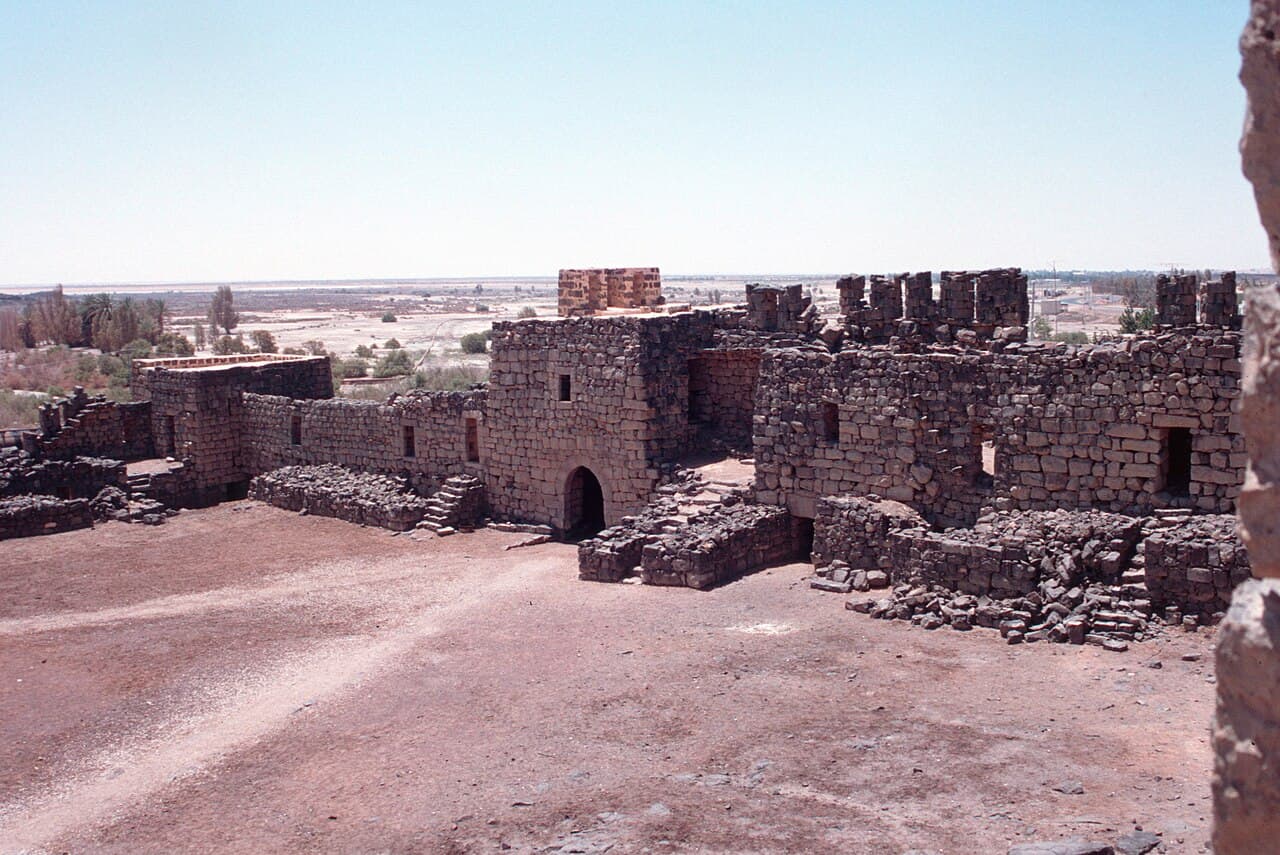
The fortress as it stands today largely reflects the extensive renovations and expansions carried out during the 13th century under the ayyuibid dynasty. The Ayyubids reconstructed the fortress using locally quarried basalt stone, which gives the castle its characteristic dark appearance, setting it apart from other structures in the region typically built from lighter stone. The use of basalt not only provided durability but also helped the fortress blend into the surrounding volcanic landscape.
Qasr al-Azraq is classified as a hill castle, as it is strategically situated on a slight elevation, providing commanding views of the surrounding desert and oasis. The fortress features thick defensive walls, towers, and a system designed to enhance its defensive capabilities against potential invaders. The layout includes a central courtyard, residential quarters, storage rooms, and water cisterns to sustain occupants during sieges.
Historical significance through the ages
Throughout its history, Qasr al-Azraq has served various ruling powers in the region. After the Romans, the fortress was incorporated into the Islamic world and saw significant modifications during the early medieval period. Its strategic value persisted due to the oasis, which was essential for controlling caravan routes across the desert.
During the Ottoman Empire, Qasr al-Azraq continued to function as a military outpost, maintaining its relevance in regional defense networks. The fortress gained international fame during the Arab Revolt of 1917-1918 when T. E. Lawrence, famously known as "Lawrence of Arabia," used it as a base of operations. Lawrence's detailed accounts in his book Seven Pillars of Wisdom brought widespread attention to the fortress, making it a notable historical and cultural landmark.
Visitor experience and cultural heritage
Today, Qasr al-Azraq stands as a well-preserved example of medieval military architecture in a desert environment. Visitors can explore the fortress's robust walls, towers, and internal chambers, gaining insight into the defensive strategies employed in the arid landscape. The site offers a tangible connection to the region's complex history, from Roman times through the Islamic period and the dramatic events of the early 20th century.
The fortress's unique construction from basalt and its association with Lawrence of Arabia make it a popular destination for tourists interested in history, architecture, and Middle Eastern heritage. Its location near the Azraq oasis also highlights the vital role of natural resources in shaping historical settlement and military strategy in desert regions.
Architectural features
- Thick basalt walls that provide strong defense against attacks and harsh desert conditions.
- Corner towers used for surveillance and defense.
- Central courtyard that served as a gathering and operational space.
- Water cisterns essential for sustaining the garrison during sieges.
- Moat system enhancing the fortress's defensive perimeter.
Historical layers
The fortress encapsulates layers of history, from Roman military occupation to early Islamic religious significance, followed by Ayyubid military architecture and Ottoman use. Each period contributed to the fortress's form and function, making it a palimpsest of Middle Eastern history.
Strategic importance
Control of the Azraq oasis meant control over water and trade routes in the desert, making Qasr al-Azraq a key military and economic asset for successive empires. Its location allowed for monitoring and regulating caravan traffic, as well as providing a secure base for military campaigns.
Frequently asked questions (FAQ)
- How do I get to Qasr Azraq?
- Qasr Azraq is easily accessible by car or public transport from major cities in Jordan, such as Amman. The castle is located approximately 100 kilometers east of the capital, and there are signposts along the way to guide you to this historical site.
- What is the historical significance of Qasr Azraq?
- Qasr Azraq has a rich history that dates back to the Roman period and served as a military fortress in various eras. It is famously associated with T. E. Lawrence, who used it as a base during the Arab Revolt in World War I, making it an important site for both history enthusiasts and tourists.
- When was Qasr Azraq built?
- Construction of Qasr Azraq began in the early 13th century during the Ayyubid dynasty, and it was later renovated by the Mamluks. The castle's distinctive black basalt stone construction reflects its historical and architectural significance in the region.
- Can I enter Qasr Azraq without a guide?
- Yes, visitors can explore Qasr Azraq on their own; however, hiring a local guide is recommended for a more enriching experience. The guide can provide valuable insights into the castle's history, architecture, and the surrounding area.
- Why is Qasr Azraq a popular tourist destination?
- Qasr Azraq attracts visitors due to its unique architectural features, historical importance, and stunning desert surroundings. Its well-preserved structure offers a glimpse into the past, making it a must-see for anyone interested in Jordanian history and culture.
- Is it possible to visit Qasr Azraq year-round?
- Yes, Qasr Azraq is open to visitors throughout the year, but the best time to visit is during the cooler months from October to April. This period provides a more comfortable climate for exploring the castle and its surroundings.
- What are the opening hours for Qasr Azraq?
- Qasr Azraq is typically open to visitors from 8:00 AM to 6:00 PM during the summer and 8:00 AM to 4:00 PM in the winter. It's advisable to check for any changes in hours or special events before your visit.
- Are there any nearby attractions to visit?
- Yes, nearby attractions include the Azraq Wetland Reserve, which is home to diverse wildlife and beautiful landscapes. Additionally, the town of Azraq itself offers insights into local culture and history, making it a worthwhile stop after visiting the castle.
- What are the ticket prices for visiting Qasr Azraq?
- As of now, the entrance fee for Qasr Azraq is quite affordable, making it accessible for tourists. It's recommended to check the official tourism website or local sources for the most current pricing and any applicable discounts.
Photo gallery

Information
Loading map...
Visitor reviews
No reviews yet. Been here? Write the first review and help other travelers!
Write the first reviewVisited this castle? Share your experience
Your review helps other travelers and adds first-hand knowledge to our encyclopedia.