Mardin Castle
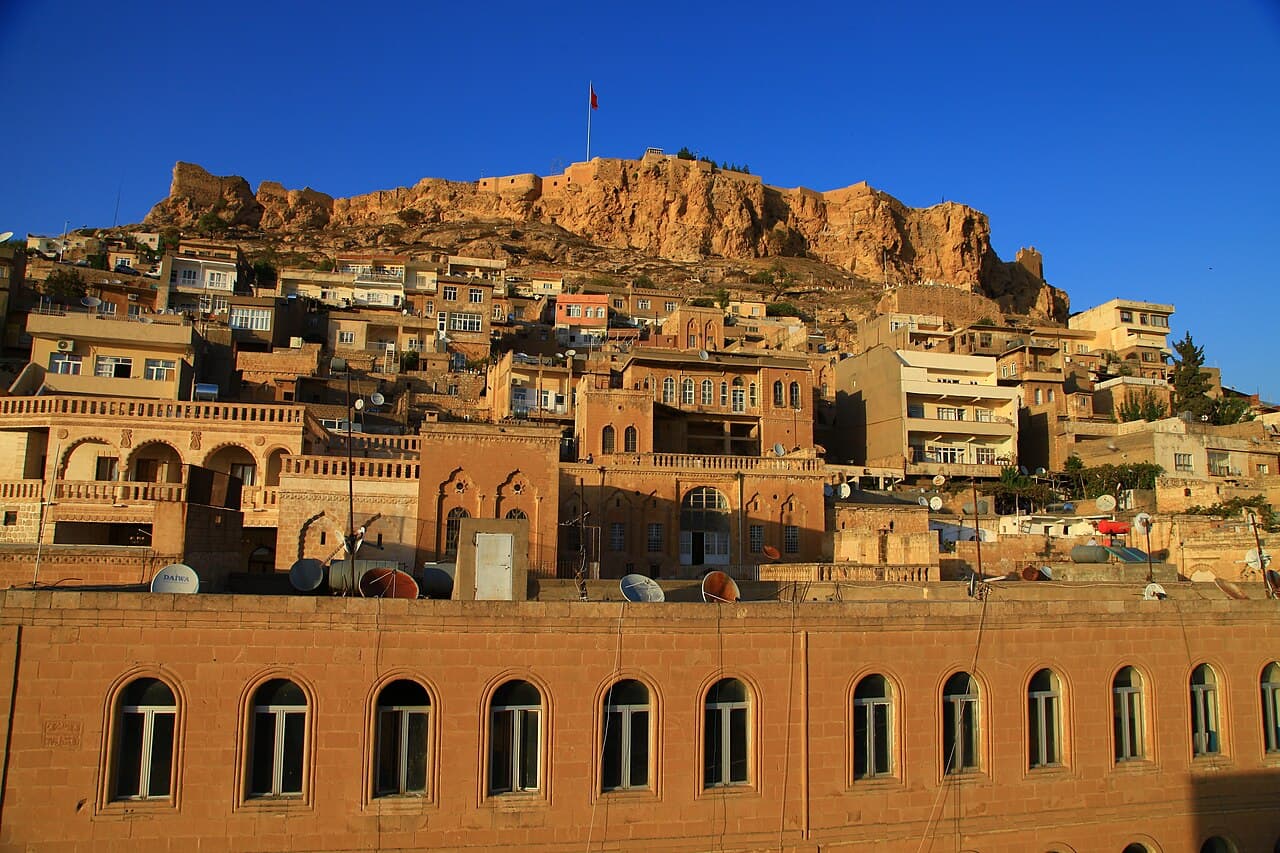
Mardin Castle, perched atop a commanding hill overlooking the ancient city of Mardin in southeastern Turkey, stands as a monumental testament to over three millennia of military architecture and regional history. Often referred to as the "Eagle's Nest," this fortress has witnessed the rise and fall of empires, serving as a critical defensive stronghold due to its strategic location near the borders of modern-day Syria and Iraq. The castle's enduring presence reflects the complex cultural and political shifts that have shaped Upper Mesopotamia throughout history.
The legendary origins and early history
The origins of Mardin Castle are steeped in legend and historical intrigue. According to local tradition, the initial construction dates back to the 4th century BCE, attributed to a Babylonian Zoroastrian named Shad Buhari. It is said that after recovering from an illness while residing atop the hill, Shad Buhari chose the site to build a palace, which later evolved into the fortress known today. While archaeological evidence for this early phase remains limited, the story underscores the site's ancient significance and its early role as a place of refuge and power.
Medieval construction and expansion
The most substantial phase of construction began in the 10th century under the Hamdanid dynasty, a period marked by significant regional power struggles in Upper Mesopotamia. The Hamdanids fortified the hilltop, establishing the foundations for a robust military installation. This initial fortification was further enhanced during the rule of the Artuqid dynasty from the 11th to 13th centuries. The Artuqids, known for their architectural patronage, expanded the castle's walls and improved its defensive capabilities, reflecting the turbulent political environment of the medieval Middle East.
Architectural features and defensive design
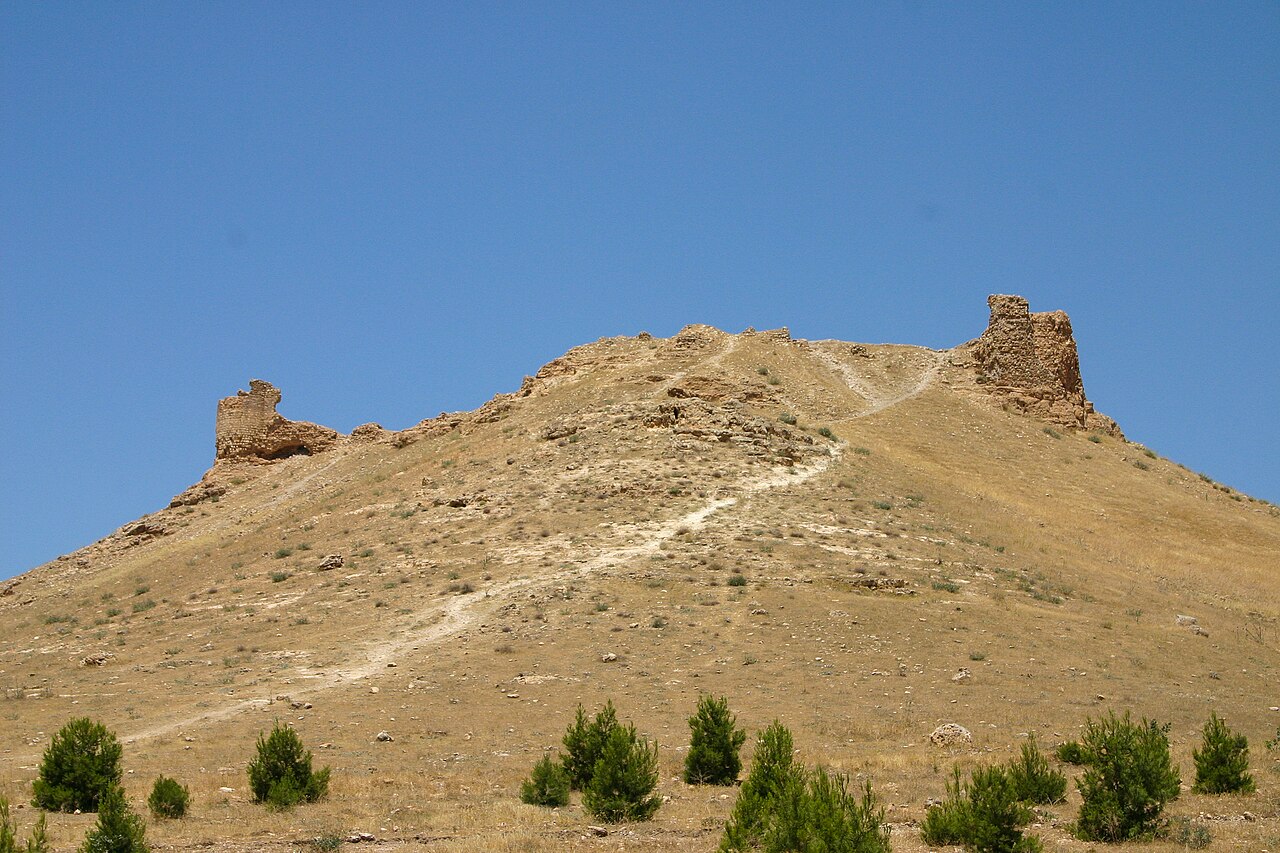
Mardin Castle exemplifies the characteristics of a hill castle, utilizing its natural elevation of approximately 1,000 meters above the Mesopotamian plain to maximize visibility and defense. The fortress is enclosed by thick stone walls that conform to the contours of the hill, creating a formidable barrier against invaders. Although detailed plans of the castle's interior are scarce, the structure likely included battlements, watchtowers, and typical of medieval fortifications in the region.
The use of durable local stone has contributed to the castle's longevity, withstanding centuries of conflict and environmental challenges. The castle's design strategically integrates the natural rock formations of the hill, enhancing its defensive posture and making direct assault difficult for attackers.
Ottoman period and later history
During the Ottoman era, particularly under the reign of Sultan Selim III in the late 18th and early 19th centuries, the fortress underwent partial restoration. These efforts aimed to strengthen the empire's frontier defenses amid ongoing regional instability. Despite these renovations, Mardin Castle gradually lost its military significance as modern warfare and political changes rendered such fortifications obsolete.
In the early 20th century, the castle assumed a darker role as a prison and detention center during the Armenian genocide. Both Orthodox and Catholic Armenians were held within its walls before facing execution, marking a tragic chapter in the fortress's long history.
Modern use and preservation efforts
Today, Mardin Castle remains under military control, currently housing a NATO radar facility that underscores its continued strategic importance due to proximity to volatile border regions. The fortress has also been the focus of preservation efforts aimed at stabilizing the hill and preventing dangerous rockfalls that threaten the city below.
Visitors to the site can access the outer ramparts, which offer panoramic views of Mardin and the surrounding Mesopotamian plain, showcasing the castle's commanding vantage point. However, access to the interior remains restricted due to its active military use.
Architectural and cultural significance
Mardin Castle stands as a remarkable example of a hill castle that has adapted through centuries of changing rulers and military technologies. Its layered construction reflects the diverse cultural influences of the Babylonian, Hamdanid, Artuqid, and Ottoman periods. The fortress not only symbolizes the military history of the region but also serves as a cultural landmark embodying the resilience and continuity of the city of Mardin.
The castle's integration with the natural landscape and its enduring stone walls make it a significant subject for the study of medieval fortification architecture in the Middle East. Its survival through millennia highlights the effective use of local materials and strategic siting in castle construction.
Frequently asked questions (FAQ)
- How do I visit Mardin Castle?
- Mardin Castle is currently under military control with restricted access to the interior. Visitors can access the outer ramparts to enjoy panoramic views of Mardin and the surrounding region.
- What is the historical significance of Mardin Castle?
- Mardin Castle has served as a defensive fortress for over three millennia, reflecting the region's complex history from the Babylonian era through medieval dynasties to the Ottoman period.
- When was Mardin Castle primarily constructed?
- The primary construction phases of Mardin Castle occurred between the 10th and 13th centuries under the Hamdanid and Artuqid dynasties, building upon legendary earlier origins.
- Why is Mardin Castle strategically important?
- Its location atop a hill approximately 1,000 meters above the Mesopotamian plain offers extensive visibility and control over the surrounding area, making it a key military site historically and today.
- Can I explore the interior of Mardin Castle?
- Access to the interior of Mardin Castle is restricted due to its current use as a military installation housing a NATO radar facility. Visitors are limited to the outer ramparts.
Photo gallery

Information
Current owner
Military (NATO)
Loading map...
Visitor reviews
No reviews yet. Been here? Write the first review and help other travelers!
Write the first reviewVisited this castle? Share your experience
Your review helps other travelers and adds first-hand knowledge to our encyclopedia.