Qala-i-Jangi
Qala-i-Jangi is a significant 19th-century bastioned fortress situated near Mazar-i-Sharif in northern Afghanistan. The fortress holds a pivotal place in modern Afghan history due to its role during the early stages of the War in Afghanistan (2001–2021). Originally constructed in the 19th century, Qala-i-Jangi was designed as a fortified military garrison to serve the interests of regional warlords and local rulers. Its strategic location near Mazar-i-Sharif made it a key defensive stronghold in the region.
Architectural features and design
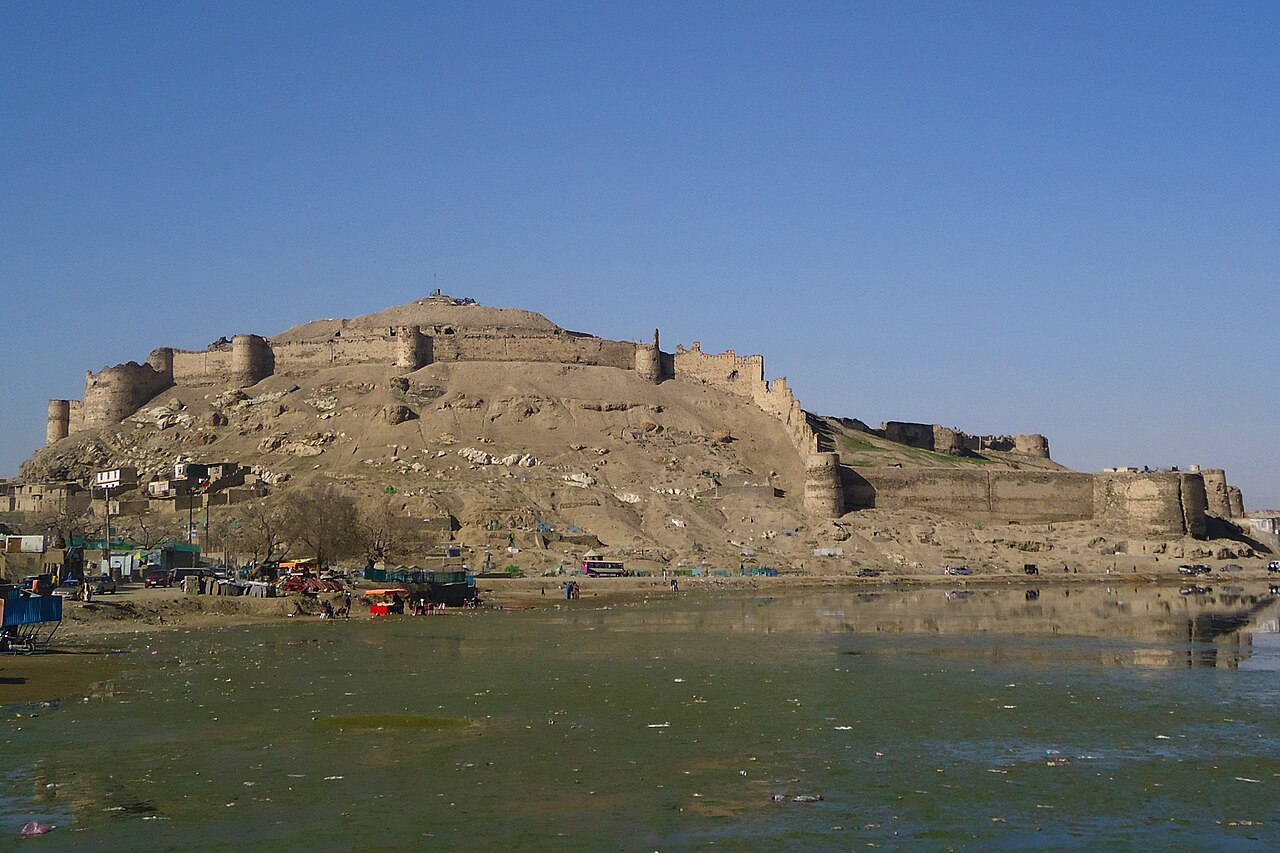
The fortress is classified as a bastioned fortress, a style characterized by angular bastions projecting outward from the main walls to provide defensive fire coverage along the curtain walls. This design reflects military architectural principles that were prevalent in the 19th century, aiming to improve the fortress's ability to withstand artillery and infantry assaults. The walls of Qala-i-Jangi are robust and thick, constructed from local materials suitable for defense and durability. The fortress includes several bastions positioned at strategic points, enabling defenders to cover all approaches.
Within the walls, the fortress comprises various military structures including barracks, storage facilities, and defensive towers. The layout is functional, emphasizing defense and control rather than residential comfort or ornamentation. The fortress's design reflects the military needs of the period and the tactical requirements of controlling northern Afghanistan.
Historical significance and the battle of qala-i-jangi
Qala-i-Jangi is most famously known for the Battle of Qala-i-Jangi in 2001, a violent uprising during the initial phase of the U.S.-led invasion of Afghanistan. The fortress was used as a prison to hold Taliban prisoners captured by the Northern Alliance, led by General Abdul Rashid Dostum. The uprising began when Taliban detainees revolted inside the fortress, leading to a brutal and prolonged battle that resulted in the deaths of at least 470 people, including CIA officer Johnny "Mike" Spann, the first American casualty in combat during the Afghanistan war.
The battle underscored the fortress's strategic importance as a military garrison and detention center. It also highlighted the complexities and dangers of the conflict in Afghanistan, where longstanding rivalries and the presence of foreign forces intersected violently.
Role in afghan military history
Throughout the 19th and 20th centuries, Qala-i-Jangi served various military purposes, primarily as a garrison for controlling northern Afghanistan. Under the command of General Dostum during the early 2000s, it functioned as a key base for Northern Alliance operations against Taliban forces. The fortress's robust construction and strategic location made it a valuable asset for controlling the surrounding region.
While not a castle in the traditional medieval European sense, Qala-i-Jangi's bastioned design places it within the category of fortresses adapted for modern warfare tactics of the 19th century. Its continued military use into the 21st century reflects its enduring strategic value.
Current condition and accessibility
Today, Qala-i-Jangi remains a well-preserved example of a 19th-century bastioned fortress, though its condition is affected by the conflicts that have taken place within and around it. The fortress is not a typical tourist site due to its military significance and security concerns in the region. Access may be restricted, and visitors should be aware of the sensitive nature of the site.
Despite these limitations, Qala-i-Jangi stands as a notable historical and architectural landmark in northern Afghanistan, representing a period of transition in military architecture and the turbulent history of the region.
Frequently asked questions (FAQ)
- How do I get to Qala-i-Jangi?
- Qala-i-Jangi is located near Mazar-i-Sharif, Afghanistan, and can be accessed via local transportation options such as taxis or buses from the city center. It's advisable to check local travel advisories and arrange transportation in advance for a smooth visit.
- What is the historical significance of Qala-i-Jangi?
- Qala-i-Jangi is a historic fortress renowned for its role during the 2001 U.S. invasion of Afghanistan, serving as a site of fierce fighting and a pivotal moment in the conflict. The fortress has a rich history dating back to the late 19th century, showcasing the strategic importance of the location throughout various conflicts.
- When was Qala-i-Jangi built?
- Qala-i-Jangi was constructed in the late 19th century, specifically around 1885, during the rule of Amir Abdur Rahman Khan. Its unique architectural style reflects the military and cultural influences of the time, making it an important site for historical study.
- Can I take photos inside Qala-i-Jangi?
- Visitors are generally allowed to take photos of the exterior and within certain areas of Qala-i-Jangi, but it is essential to respect any signage or guidelines regarding photography. Always seek permission when photographing people or sensitive areas.
- Why is Qala-i-Jangi a popular tourist destination?
- Qala-i-Jangi attracts visitors due to its dramatic history, stunning architecture, and the stories of resilience surrounding its past. The fortress offers a unique insight into Afghan history and culture, making it a significant stop for those interested in the region's heritage.
- Is it possible to explore the interior of Qala-i-Jangi?
- Yes, visitors can explore certain areas of the interior of Qala-i-Jangi, although access may be limited in some sections due to safety concerns. It is advisable to join a guided tour for a comprehensive experience and to ensure you are aware of any safety regulations.
- What are the opening hours for Qala-i-Jangi?
- Qala-i-Jangi is typically open to visitors from early morning until late afternoon, but exact hours can vary. It is recommended to check in advance or contact local tour operators for the most current visiting hours before planning your trip.
- What is the best time to visit Qala-i-Jangi?
- The best time to visit Qala-i-Jangi is during the spring (March to May) and autumn (September to November) when the weather is mild and pleasant. Summer months can be extremely hot, while winter may bring cold temperatures and potential snowfall.
- Are there any nearby attractions to visit after Qala-i-Jangi?
- Yes, after visiting Qala-i-Jangi, you can explore the nearby Blue Mosque in Mazar-i-Sharif, which is a stunning architectural marvel and an important pilgrimage site. Other attractions include local bazaars where you can experience Afghan culture and cuisine.
Photo gallery

Information
Loading map...
Visitor reviews
No reviews yet. Been here? Write the first review and help other travelers!
Write the first reviewVisited this castle? Share your experience
Your review helps other travelers and adds first-hand knowledge to our encyclopedia.