Citadel of Ghazni
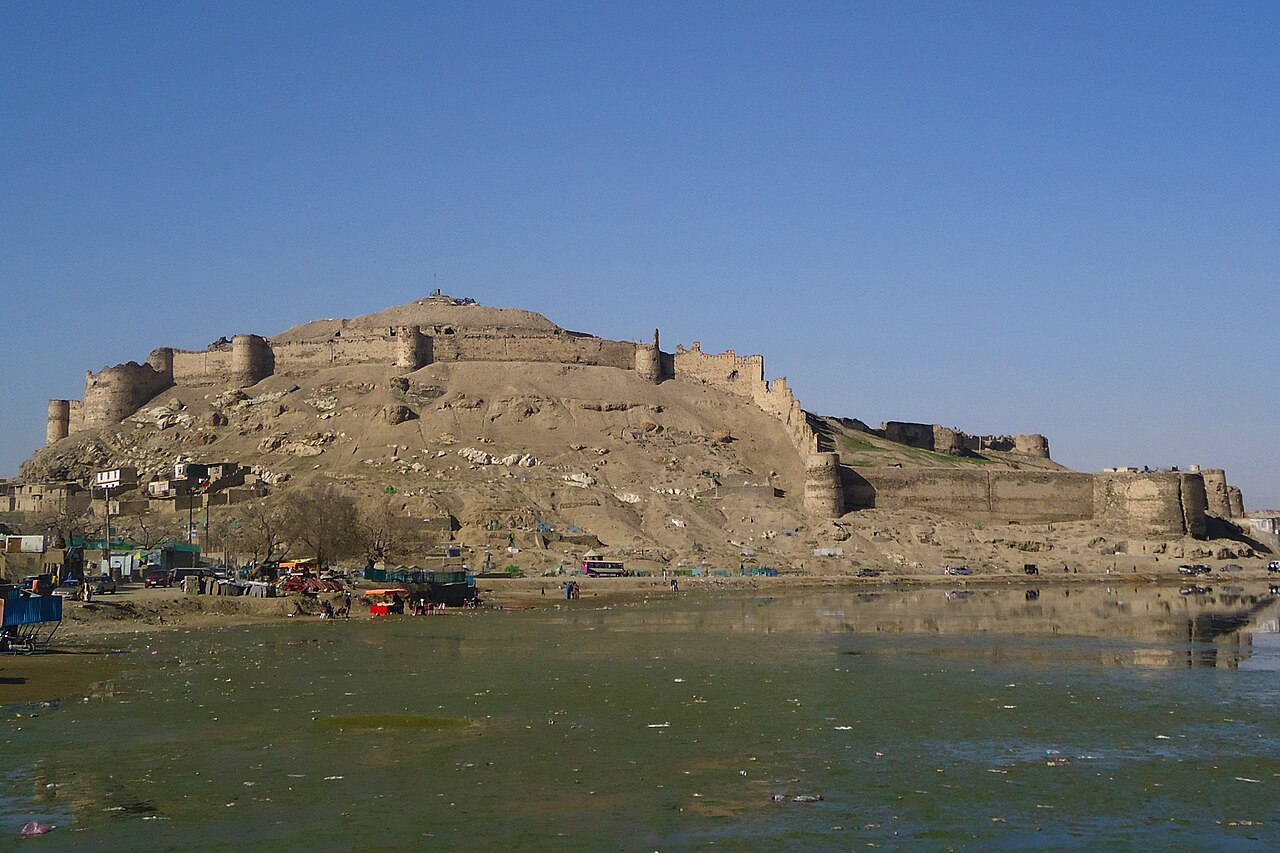
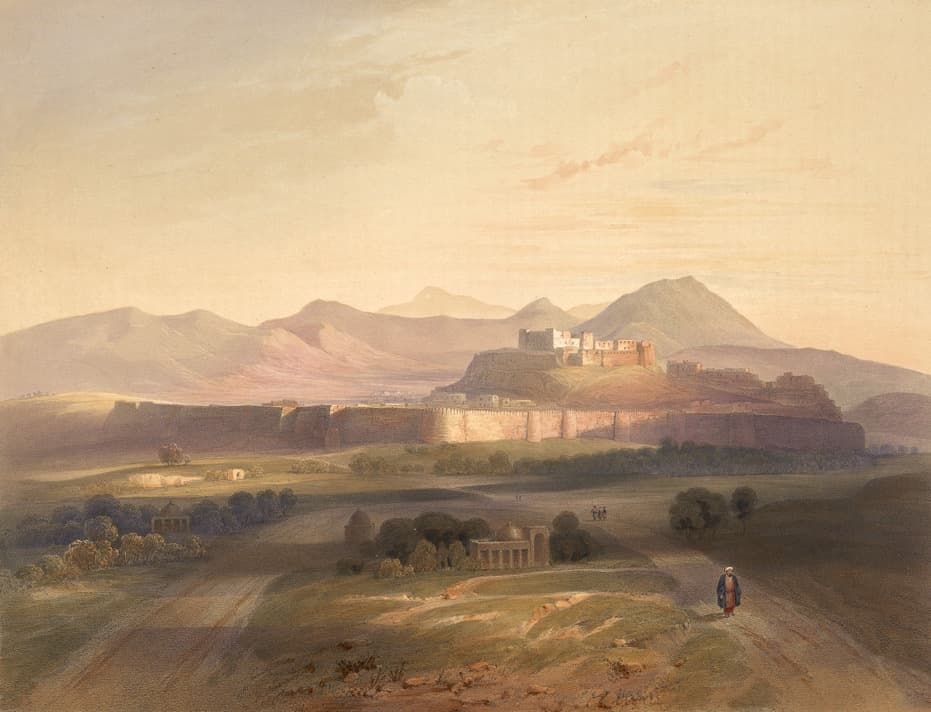
The Citadel of Ghazni, also known as Ghuznee or Ghazna, is a prominent medieval fortress located in the heart of Ghazni city in east-central Afghanistan. Constructed in the 13th century, this imposing bastioned fortress was designed to encircle and protect the town of Ghazni, which served as the capital of the powerful Ghaznavid Empire. The fortress's walls and towers formed a formidable defensive complex, with the citadel itself rising approximately 50 metres (150 feet) above the surrounding landscape, dominating the city's skyline and serving as a symbol of the region's historical significance.
Historical context and strategic importance
The Citadel of Ghazni was built during the high medieval period to safeguard the city and its inhabitants against invasions and military threats. Ghazni's status as the capital of the Ghaznavid Empire made it a key political and military center. The fortress was constructed to defend the city from rival powers such as the Ghurid Empire, whose expansionist ambitions in the region posed a significant threat to Ghaznavid dominance. The citadel's defensive capabilities were crucial during the frequent conflicts and power struggles that characterized the region in the 12th and 13th centuries.
Architectural features and fortress design
The citadel's architecture is typical of a bastioned fortress, featuring massive walls reinforced by numerous towers designed to provide overlapping fields of fire and increased defensive strength. Originally, the fortress had 32 towers, which were strategically placed to cover all approaches and create a nearly impregnable barrier against attackers. The walls and towers were constructed using locally sourced materials, including stone and brick, which contributed to the fortress's durability and imposing presence.
The fortress layout includes a central keep or stronghold, which served as the last line of defense and housed the ruling elite. The design also incorporated gates and battlements that allowed defenders to repel sieges effectively. The height of the citadel at 50 metres provided a commanding view of the surrounding terrain, enabling early detection of enemy movements and facilitating communication across the fortress and city.
Current condition and preservation challenges
Today, the Citadel of Ghazni faces significant threats to its preservation. More than half of its original 32 towers have been destroyed or severely damaged over time. The collapse of one tower in June 2019 was widely documented and shared on social media, highlighting the urgent need for conservation efforts. The fortress's central location within Ghazni city and proximity to major roads expose it to ongoing risks from urban development and environmental factors.
The lack of adequate funding, combined with heavy seasonal rains and decades of internal conflicts in Afghanistan, has accelerated the deterioration of the citadel's structures. Efforts to preserve this important cultural heritage site have been hindered by the country's complex political and security situation, making restoration and protection challenging.
Cultural heritage and significance
The Citadel of Ghazni is not only a military stronghold but also a symbol of Afghanistan's rich medieval history and architectural ingenuity. It stands as a testament to the Ghaznavid Empire's influence in the region and its role in shaping the political and cultural landscape of Central Asia during the high medieval period. The fortress's design reflects the military architectural advancements of its time, combining defensive functionality with imposing aesthetics.
Despite its current state of disrepair, the citadel remains a significant archaeological and historical site. It attracts scholars and visitors interested in medieval Islamic architecture, Central Asian history, and the legacy of the Ghaznavid dynasty. Preservation of the citadel is crucial for understanding the region's past and maintaining its cultural identity.
Frequently asked questions (FAQ)
- How do I get to the Citadel of Ghazni?
- The Citadel of Ghazni is accessible by road from major cities in Afghanistan, including Kabul. Local transportation options, such as taxis or buses, can help you reach the site. It's advisable to check local travel advisories and road conditions before planning your visit.
- What is the historical significance of the Citadel of Ghazni?
- The Citadel of Ghazni has a rich history, dating back to the 11th century when it served as a strategic fortress and the capital of the Ghaznavid Empire. It symbolizes the region's historical importance in trade and military strategy. The citadel has witnessed many battles and changes in power, making it a vital part of Afghanistan's heritage.
- When was the Citadel of Ghazni built?
- The construction of the Citadel of Ghazni began in the 11th century, under the rule of Sultan Mahmud of Ghazni. Over the centuries, it has undergone various modifications and restorations, reflecting different architectural styles and military needs. Its enduring presence highlights the architectural ingenuity of its time.
- Can I visit the Citadel of Ghazni?
- Yes, visitors can explore the Citadel of Ghazni, but it's advisable to check local security conditions before planning your visit. Guided tours may be available to help you understand the site's historical context and significance. Always prioritize safety and follow local guidelines when visiting.
- Why is the architecture of the Citadel of Ghazni important?
- The architecture of the Citadel of Ghazni is significant because it showcases the military engineering techniques used during the Ghaznavid period. The citadel's robust design and strategic location illustrate its role in defense and governance. Its architectural features have influenced subsequent fortifications in the region.
- Is it possible to take photographs at the Citadel of Ghazni?
- Yes, photography is generally allowed at the Citadel of Ghazni, but it's important to be respectful of local customs and regulations. Some areas may have restrictions, especially regarding military sites or sensitive locations. Always ask for permission if in doubt.
- What are the opening hours for the Citadel of Ghazni?
- The Citadel of Ghazni is typically open to visitors during daylight hours, but exact opening times may vary. It's best to check locally or with your tour guide for the most accurate information before your visit. Planning to arrive early can help you avoid crowds.
- What are some nearby attractions to visit after the Citadel of Ghazni?
- After visiting the Citadel of Ghazni, you can explore other historical sites in the area, such as the ancient city of Ghazni and the nearby Minaret of Jam. The region is rich in history and offers opportunities to learn about Afghan culture. Be sure to allocate time for these additional sites to enhance your experience.
- What is the ticket price for entering the Citadel of Ghazni?
- The entrance to the Citadel of Ghazni is often free, but there may be a nominal fee for guided tours or special access areas. It's advisable to check for any changes in pricing or policies before your visit. This ensures that you have the most current information for a smooth experience.
Photo gallery

Photo by Lieutenant James Rattray•Public domain
Information
Loading map...
Visitor reviews
No reviews yet. Been here? Write the first review and help other travelers!
Write the first reviewVisited this castle? Share your experience
Your review helps other travelers and adds first-hand knowledge to our encyclopedia.