Achasanseong
Achasanseong (Korean: 아차산성; Hanja: 阿且山城) is a significant Three Kingdoms-era earthen fortress located on Mount Achasan in Seoul, South Korea. This ancient fortress, originally constructed by the Baekje kingdom, played a crucial role in the military defense strategies of the Korean peninsula during a turbulent period marked by frequent conflicts among the Three Kingdoms: Baekje, Goguryeo, and Silla. Positioned at an altitude of approximately 200 meters above sea level, Achasanseong covers a perimeter close to 1 kilometer with an area of about 3,375 square meters, embodying the typical characteristics of a bastioned fortress designed for strategic defense.
The strategic importance and historical context
The fortress first appears in historical records in the Samguk Sagi, an important Korean historical chronicle, which notes that King Chaekgye of Baekje ordered the fortification of Achasanseong to defend against anticipated invasions by the northern kingdom of Goguryeo. This defensive measure highlights Achasanseong’s role in protecting the Baekje capital of Hansŏng from northern threats. Its location on Mount Achasan provided a commanding view over the surrounding terrain, making it a critical military outpost.
In the year 475 AD, the fortress fell to Goguryeo forces during their successful campaign against Baekje. Following the capture of Achasanseong, King Gaero of Baekje was taken to the fortress where he was executed, marking a significant turning point in the power dynamics of the region. Later, in 553 AD, the fortress and the surrounding Han River valley were seized by the kingdom of Silla, further shifting control in the peninsula.
Architectural features and construction
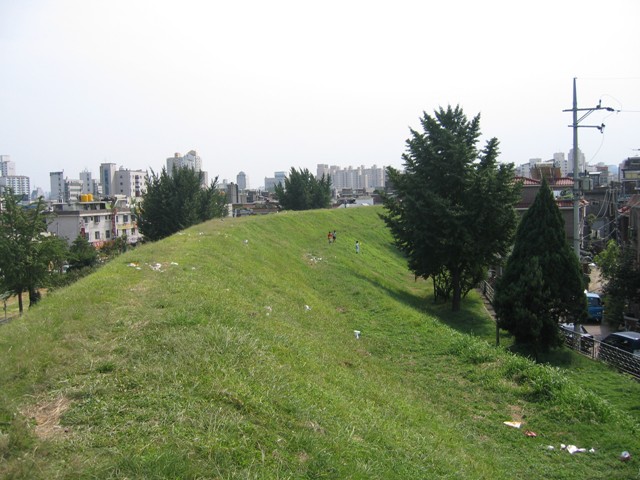
Achasanseong is primarily an earthen fortress, constructed using compacted soil and stone, a common technique in Korean fortifications of the period. The fortress’s walls were built with a combination of earthworks and stone reinforcements, designed to absorb and withstand assaults. The bastioned design includes projecting angles or bastions that allowed defenders to cover adjacent walls with crossfire, enhancing the fortress’s defensive capability against siege tactics.
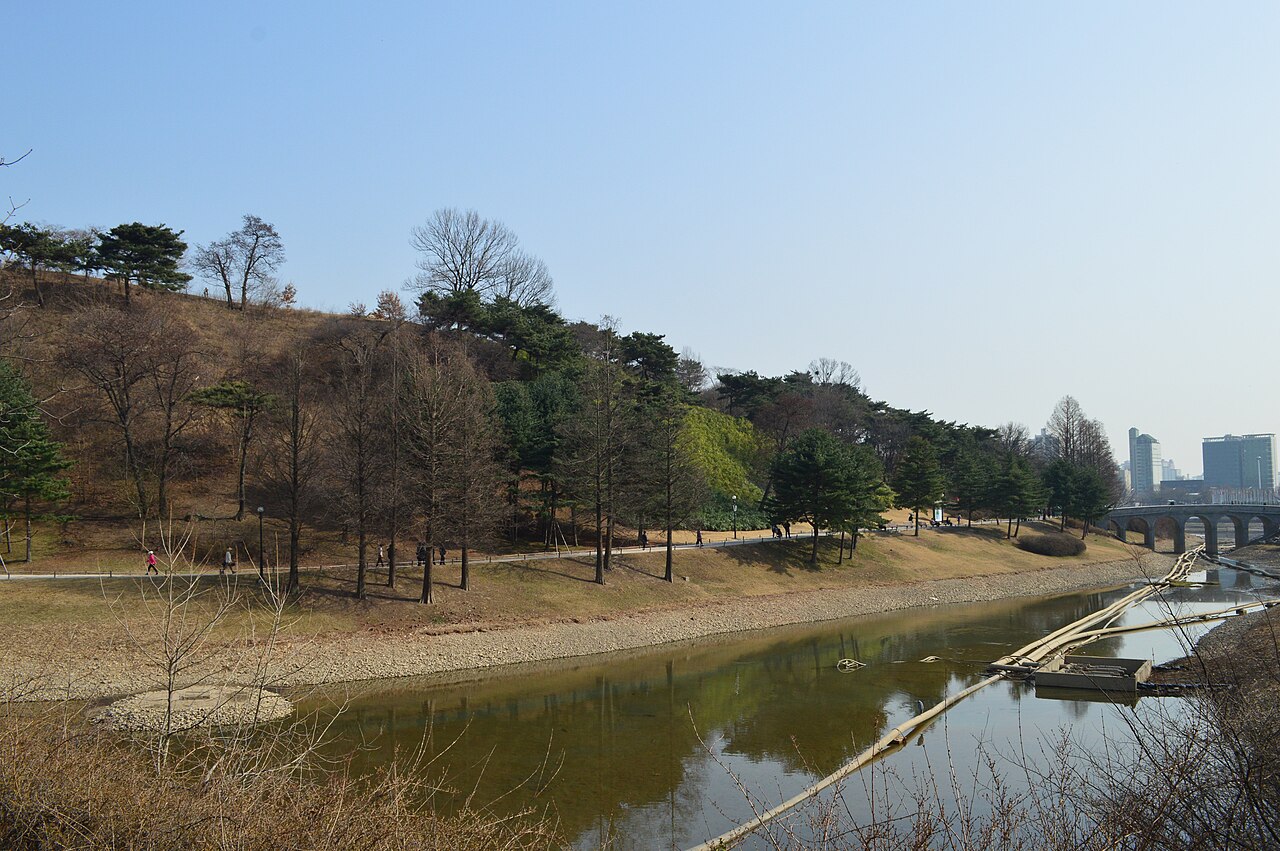
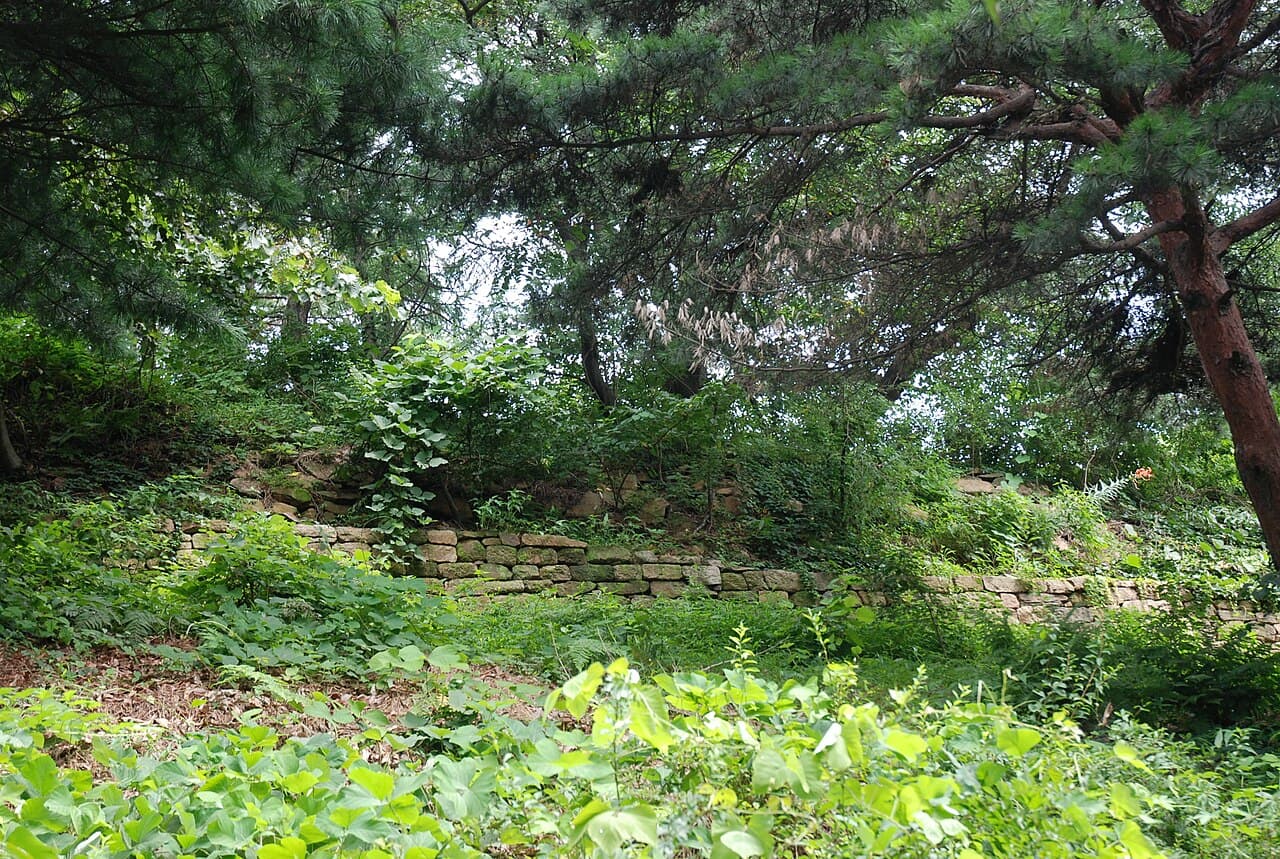
The fortress layout follows the natural contours of Mount Achasan, integrating with the mountain’s topography to maximize defensive advantage. The walls enclose a roughly 1-kilometer perimeter, with gates and watchtowers strategically placed to monitor and control access. Although much of the original structure has weathered the centuries, remnants of the walls and foundations remain visible, providing insight into ancient Korean military architecture.
Notable historical events and figures
Achasanseong’s history is marked by its involvement in several key military campaigns during the Three Kingdoms period. The fortress was a focal point during the Goguryeo invasion of Baekje in 475 AD, which led to the capture and execution of King Gaero. This event underscores the fortress’s significance as a military stronghold.
Later, the fortress was contested by the kingdom of Silla, which expanded its territory by conquering the Han River valley in 553 AD. The fortress also features in the story of the Goguryeo general On Dal, who is said to have died at Achasanseong while attempting to reclaim it, adding a layer of heroic legend to its history.
Preservation and modern significance
Designated as a historic landmark in 1973, Achasanseong is recognized for its cultural and historical value in South Korea. The site has become a popular destination for local tourists and history enthusiasts, offering hiking opportunities and a glimpse into Korea’s ancient military past.
Today, visitors can explore the remains of the fortress walls and enjoy panoramic views from Mount Achasan. The site’s preservation efforts focus on maintaining the integrity of the earthen walls and promoting awareness of the fortress’s role in the Three Kingdoms era.
Visitor experience and accessibility
The fortress is accessible via hiking trails that lead to the summit of Mount Achasan. These trails are well-maintained and suitable for a range of fitness levels, making Achasanseong a favored spot for both casual visitors and history buffs. Informational signage throughout the site provides context about the fortress’s history and architecture.
Achasanseong’s location within the metropolitan area of Seoul allows easy access for tourists and residents alike, blending natural beauty with historical exploration.
Frequently asked questions (FAQ)
- How do I get to Achasanseong fortress?
- Achasanseong fortress is accessible via hiking trails on Mount Achasan in Seoul, with well-marked paths suitable for most visitors.
- What is the historical significance of Achasanseong?
- Achasanseong was a key military fortress during the Three Kingdoms period, originally built by Baekje to defend against Goguryeo invasions.
- Can I see original structures at Achasanseong?
- Visitors can observe remnants of the fortress walls and foundations, showcasing ancient Korean earthen fortress construction techniques.
- When was Achasanseong designated a historic landmark?
- Achasanseong was officially designated as a historic landmark in 1973, recognizing its cultural and historical importance.
- Is Achasanseong suitable for family visits?
- Yes, the hiking trails to Achasanseong are generally safe and accessible for families, offering educational and outdoor experiences.
Photo gallery

Information
Loading map...
Visitor reviews
No reviews yet. Been here? Write the first review and help other travelers!
Write the first reviewVisited this castle? Share your experience
Your review helps other travelers and adds first-hand knowledge to our encyclopedia.