Pulpís Castle
Pulpís Castle stands prominently atop a mountain in the Sierra de Irta, near the town of Santa Magdalena de Pulpis in Spain. This hill castle boasts a rich history spanning from its 11th century origins as a Muslim stronghold through its transformation under Christian military orders during the High Medieval period.
The castle's strategic location on a rugged hilltop provided natural defenses and commanding views over the surrounding landscape, making it a vital military asset during the turbulent centuries of the Reconquista. Originally constructed by Muslim forces in the 11th and 12th centuries, the fortress served as a fortified refuge and control point within the mountainous terrain of the region.
Its early history was marked by a series of contests for control between Muslim rulers and Christian kingdoms. In 1190, Alfonso II of Aragon captured the castle and granted it to the Knights Templar, a powerful Christian military order. However, this possession was short-lived as the castle soon fell back into Muslim hands. A decisive conquest occurred in 1233 when James I of Aragon definitively secured Pulpís Castle alongside the nearby Peñíscola, solidifying Christian dominance in the area.
Medieval military orders and ownership transitions
Following the Christian conquest, Pulpís Castle became closely associated with several military-religious orders that played crucial roles in the defense and administration of frontier territories. In 1244, the castle was granted to the Order of Calatrava, known for their martial prowess and dedication to protecting Christian lands.
Later, in 1277, ownership transferred to the Knights Templar, who undertook significant rebuilding and expansion efforts to strengthen the castle's fortifications. The Templars maintained control until their dissolution in the early 14th century, after which the castle passed to the Order of Montesa. This order governed the fortress under the jurisdiction of the Commander of Chivert, overseeing the defense of the region.
Architectural features and fortifications
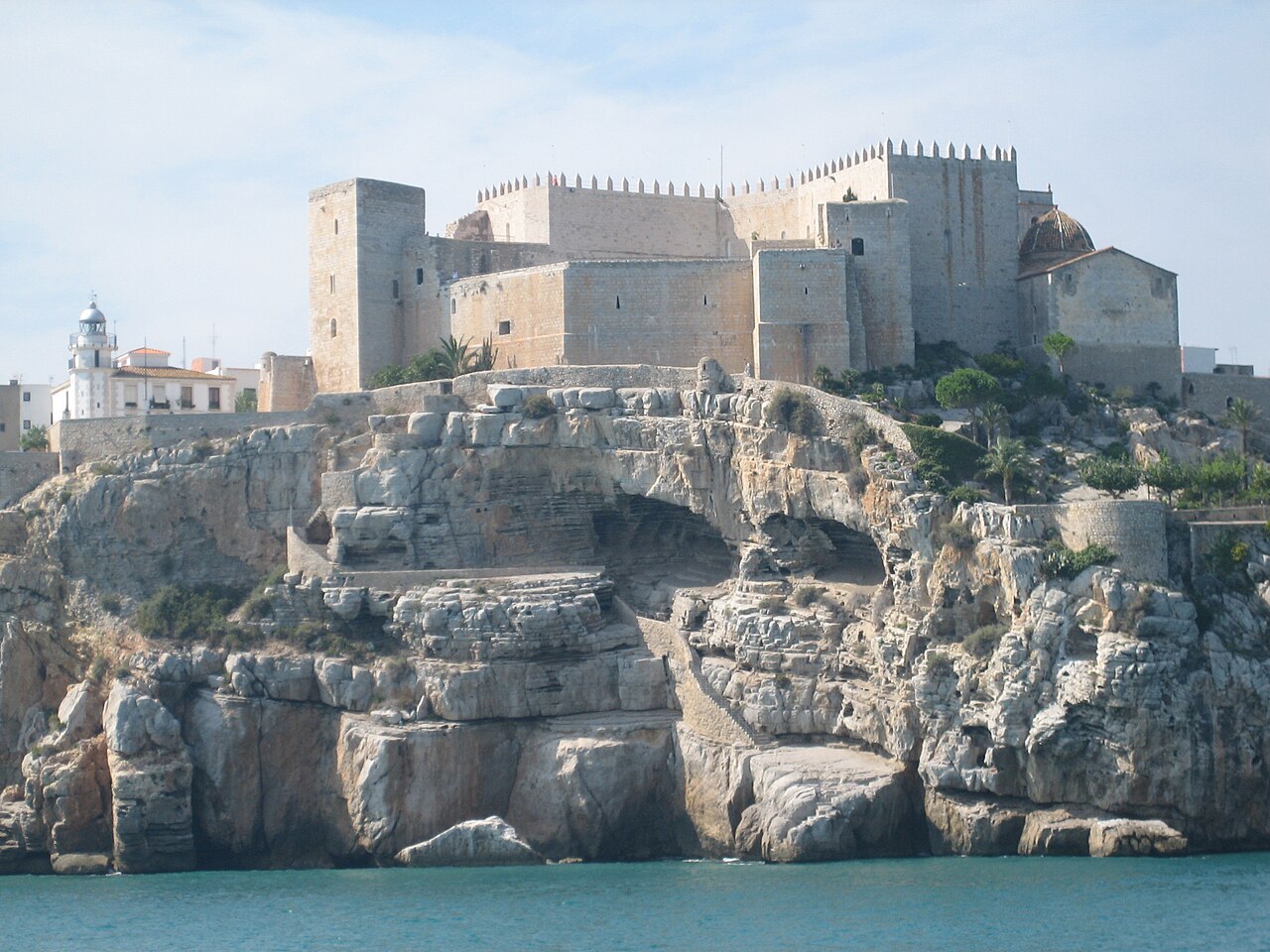
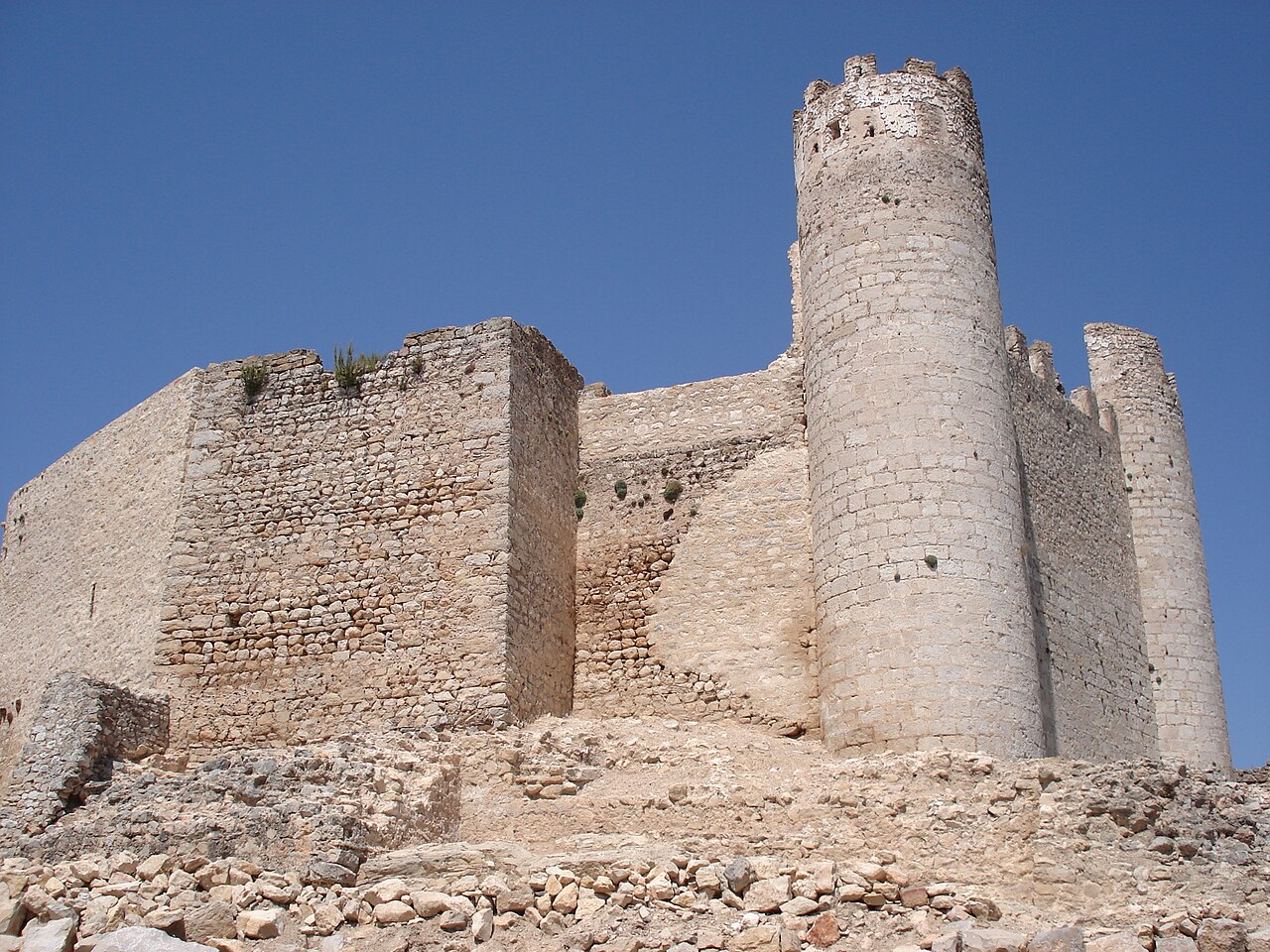
Pulpís Castle exhibits a quadrangular layout with an irregular perimeter adapted to the natural contours of the hilltop. The design includes a single enclosure encompassing an inner courtyard, a typical feature of medieval hill castles intended to maximize defensibility.
The castle's main entrance is a notable defensive complex, protected by a large keep known locally as the torre de l’Homenatge. This keep served as the last line of defense and a symbol of lordly power. The entrance path is deliberately indirect, featuring two successive curtain walls arranged to force attackers into a zigzag approach, exposing them to defensive fire from the castle's defenders.
Architectural analysis reveals that the walls near the entrance retain elements of the original Muslim construction, characterized by specific masonry techniques and materials. In contrast, much of the remaining fortifications, including the square towers and perimeter walls, reflect the extensive modifications and expansions carried out by the Templars during their tenure.
Within the enclosure lies a well-preserved cistern or aljibe, an essential feature for water storage that allowed the castle's occupants to withstand sieges and droughts. This cistern, along with other surviving structures, provides valuable insight into the castle's functional design and the daily life of its inhabitants.
Historical significance and later decline
Throughout the High Medieval and into the 16th century, Pulpís Castle served as a critical military post guarding the newly conquered Christian territories against incursions, notably from Berber pirates who threatened the nearby Mediterranean coast. Its fortifications were maintained with varying degrees of care to meet these ongoing threats.
However, as the geopolitical landscape changed and the threat of pirate raids diminished, the castle's military importance waned. By the late 16th century, it was largely abandoned and fell into a state of gradual decay. Despite this decline, the ruins of Pulpís Castle remain a testament to the region's complex history of conquest, defense, and cultural interchange between Muslim and Christian civilizations.
Current state and cultural heritage
Today, Pulpís Castle is recognized as an important cultural and historical landmark within the Valencian Community. It is protected under Spanish and regional heritage laws and managed by local authorities, including the Diputación de Castellón. Visitors to the site can explore the ruins, which cover over 2,000 square meters, and observe the architectural features that reveal the castle's layered past.
The site offers valuable educational opportunities for understanding medieval military architecture, the role of religious military orders, and the historical dynamics of the Reconquista. While largely in a ruined state, the castle's remains, including the keep, curtain walls, towers, and cistern, continue to attract historians, archaeologists, and tourists interested in Spain's rich medieval heritage.
Frequently asked questions (FAQ)
- How do I get to Pulpís Castle from Santa Magdalena de Pulpis?
- Pulpís Castle is located about 2 kilometers from Santa Magdalena de Pulpis in the Sierra de Irta. Visitors can reach the castle by hiking up the hill, following marked trails that lead to the summit where the ruins stand.
- What is the historical significance of Pulpís Castle?
- Pulpís Castle played a strategic role during the Reconquista, changing hands between Muslim and Christian forces. It was held by notable military orders such as the Knights Templar and the Order of Calatrava, reflecting its importance in medieval frontier defense.
- Can I visit the interior of Pulpís Castle?
- While the castle is largely in ruins, visitors can explore the remains of the keep, curtain walls, towers, and the cistern. Caution is advised due to uneven terrain and unstable structures, but the site offers a fascinating glimpse into medieval military architecture.
- When is the best time to visit Pulpís Castle?
- The best time to visit Pulpís Castle is during the spring and autumn months when the weather is mild and the surrounding natural landscape is particularly scenic. Summer can be hot, so early morning visits are recommended.
- Is there an entrance fee to visit Pulpís Castle?
- Currently, there is no entrance fee to visit Pulpís Castle. It is an open historic site managed by local authorities, allowing free access to visitors interested in exploring its ruins.
Information
Sources & official resources
Verify the information above using these authoritative references.
Loading map...
Visitor reviews
No reviews yet. Been here? Write the first review and help other travelers!
Write the first reviewVisited this castle? Share your experience
Your review helps other travelers and adds first-hand knowledge to our encyclopedia.