Pulad Castle
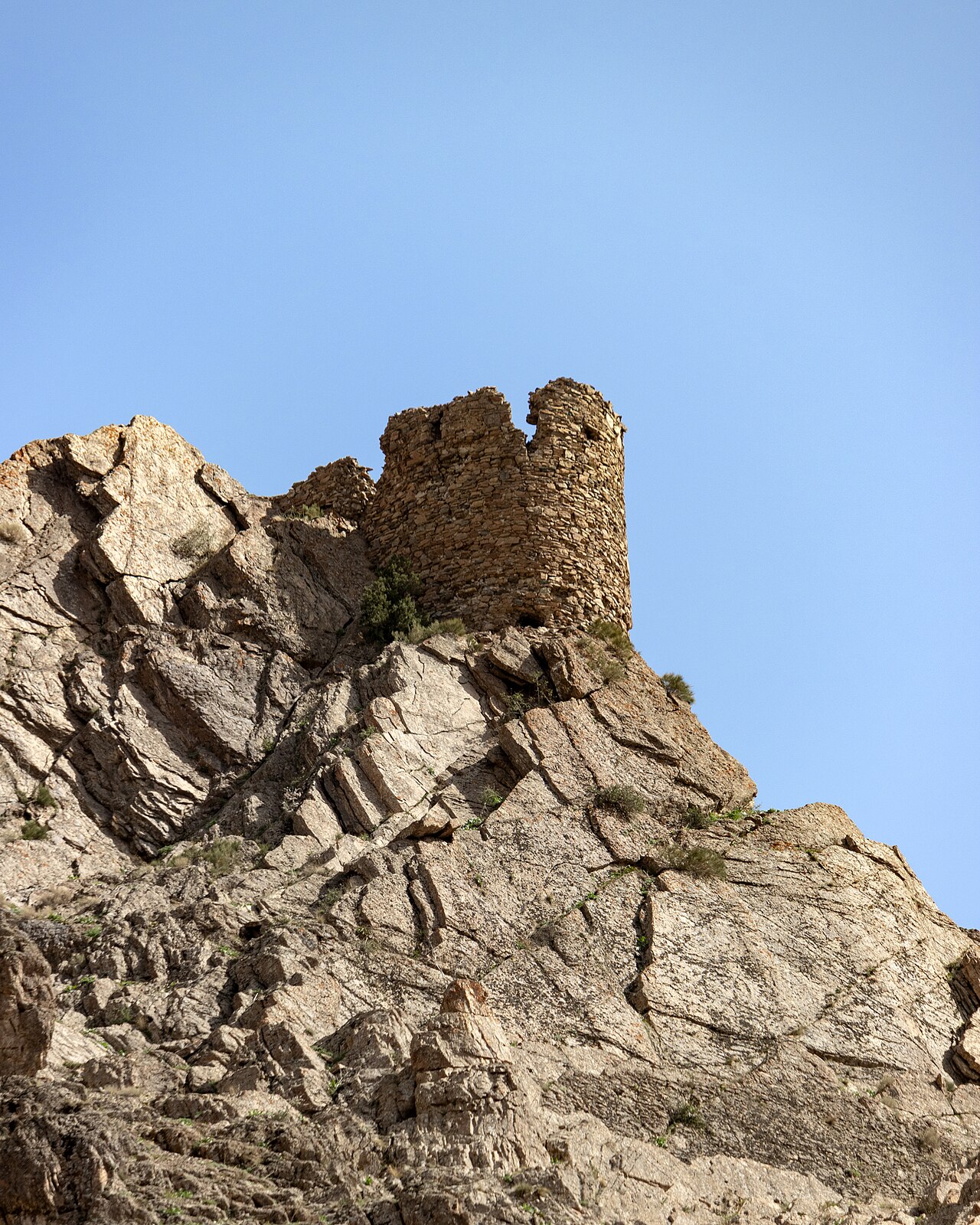
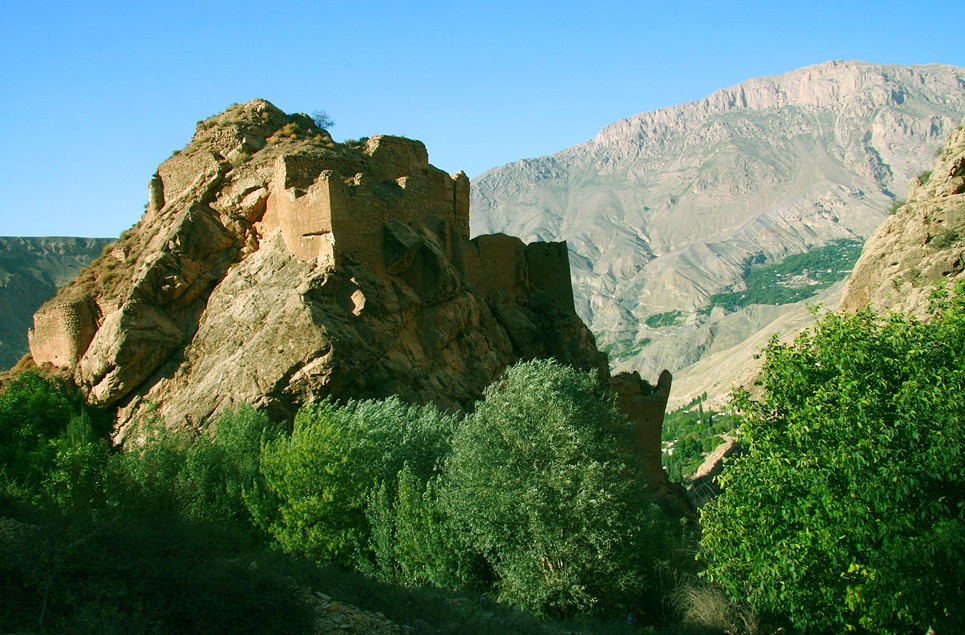
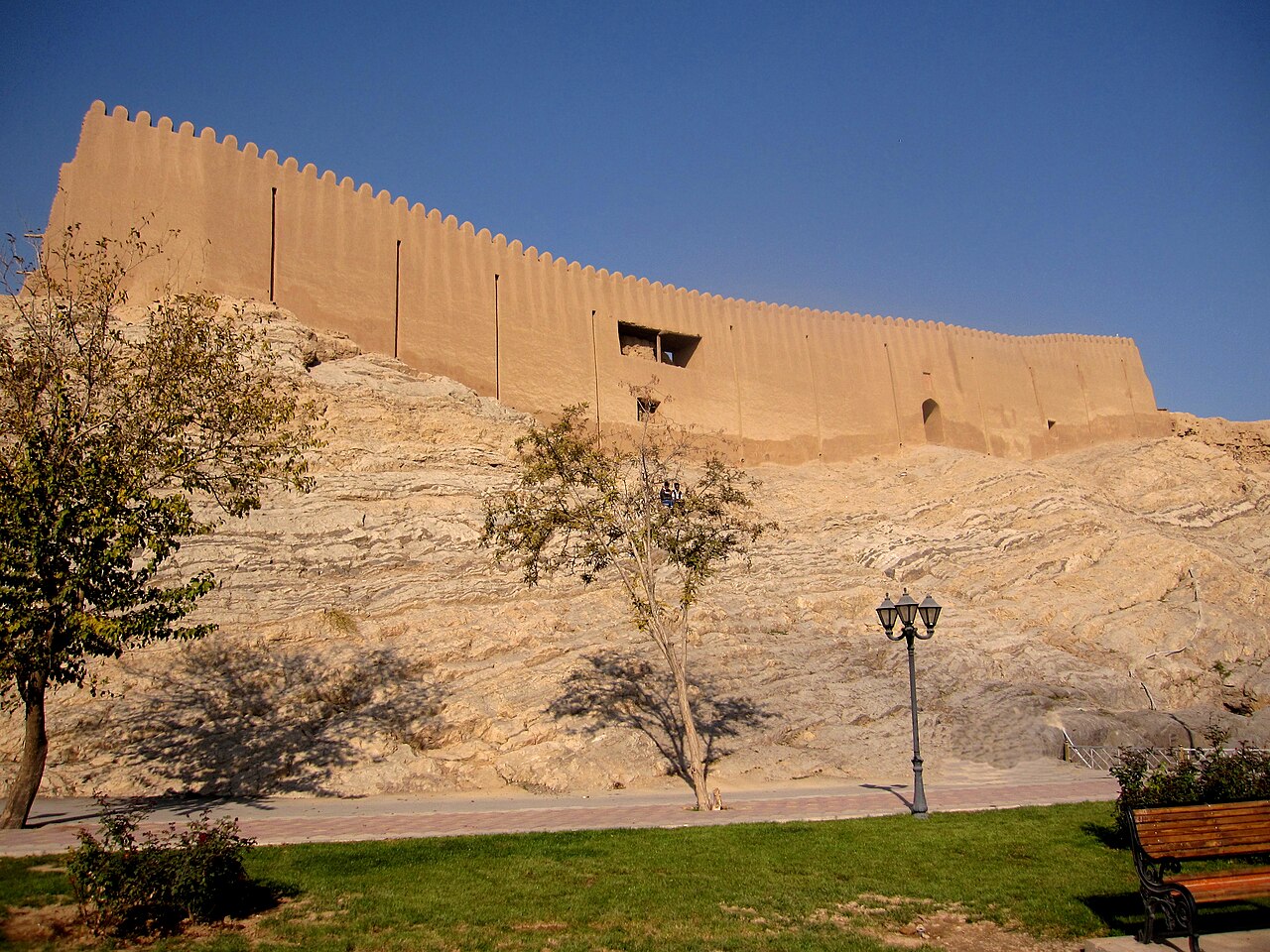
Pulad Castle (Persian: قلعه پولاد) is a significant historical fortress located in Nur County, within the Mazandaran Province of northern Iran. This hill castle is perched strategically on elevated terrain, which provided natural defensive advantages against invaders throughout its history. The castle's origins trace back to the Seljuk dynasty, situating its construction broadly in the 11th to 13th centuries, a period marked by extensive castle-building across the region to secure key routes and territories.
Historical context and significance
The Seljuk dynasty was a major medieval Turko-Persian empire that controlled large parts of Central Asia and the Middle East, including Iran. During this era, fortifications like Pulad Castle were crucial for maintaining control over the region's mountainous and forested areas, especially in Mazandaran Province, which borders the Caspian Sea and features rugged terrain. The castle likely served both military and administrative functions, protecting local populations and overseeing trade routes.
Architectural features and construction
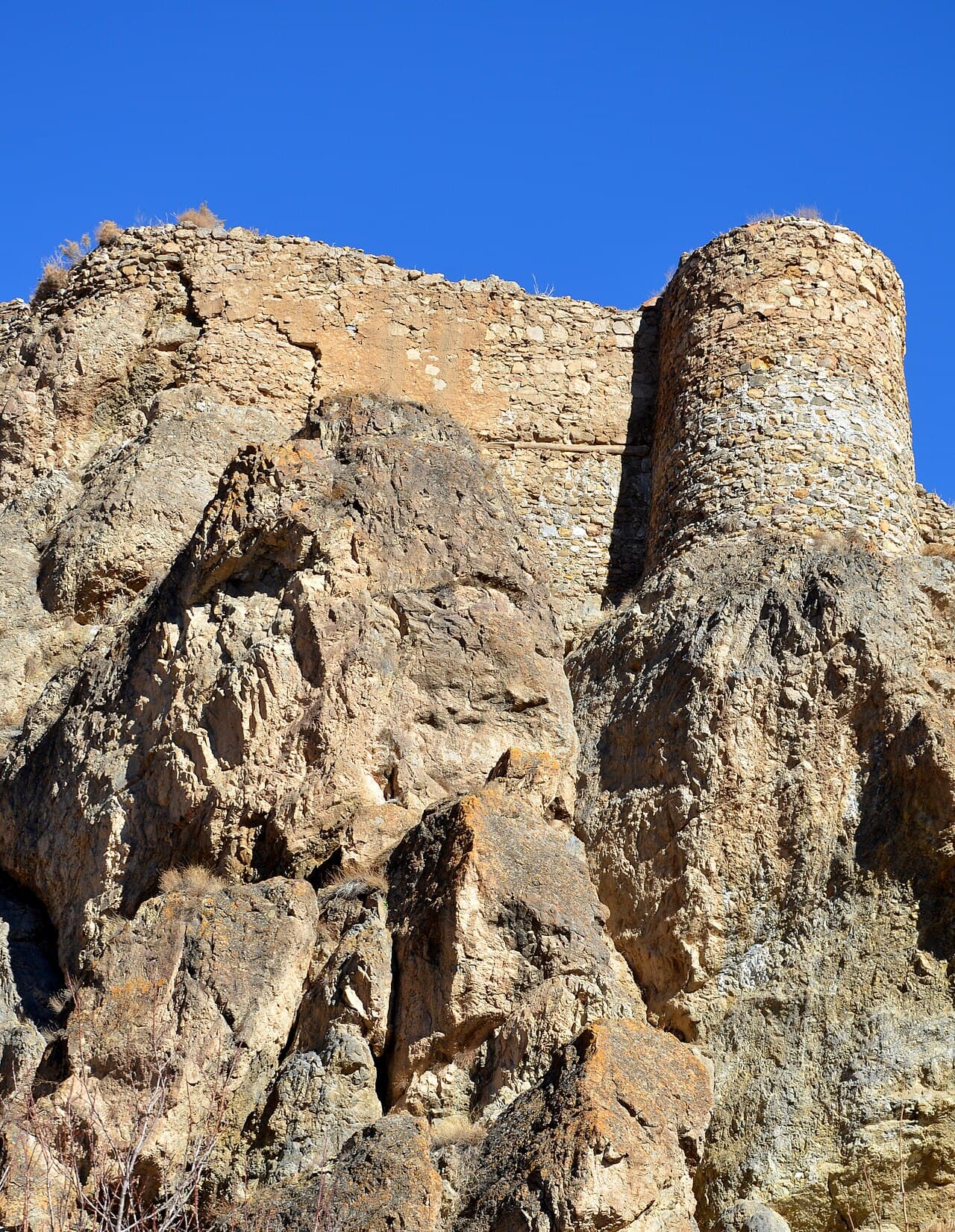
Pulad Castle exemplifies typical Seljuk military architecture adapted to a hilltop location. The fortress would have included thick defensive walls constructed from locally sourced stone and mortar, designed to withstand sieges and attacks. The elevated position allowed defenders to monitor surrounding valleys and control access points effectively.
While detailed architectural surveys are limited, it is probable that the castle featured towers or bastions at key points along the walls to provide flanking fire and observation posts. The entrance would have been fortified with a gatehouse and possibly a moat or ditch to impede attackers. Inside, the castle likely contained residential quarters, storage rooms, and areas for troop deployment.
Geographical setting and strategic importance
Situated in the lush and mountainous region of Mazandaran, Pulad Castle commands views over important valleys and routes connecting the interior of Iran to the Caspian coast. This location was essential for controlling movement and trade, as well as for defense against rival factions or invading forces during the turbulent medieval period.
Current condition and preservation
Today, Pulad Castle remains a partially preserved ruin, with some sections of its walls and foundations still visible. The site offers valuable insights into Seljuk-era fortifications and medieval military architecture in northern Iran. Preservation efforts have been limited, and the castle is vulnerable to natural erosion and human impact. However, it continues to attract historians, archaeologists, and visitors interested in Iran's rich medieval heritage.
Visiting Pulad Castle
While not as widely known as some other Iranian castles, Pulad Castle is accessible to visitors interested in history and architecture. The surrounding region's natural beauty complements the historical experience, with opportunities for hiking and exploration of the Mazandaran landscape. Visitors should prepare for limited facilities on-site and consider guided tours to fully appreciate the castle's historical context.
Legacy and cultural importance
Pulad Castle stands as a testament to the strategic military planning of the Seljuk dynasty and their influence on Iranian architecture and regional control. It contributes to the broader understanding of medieval fortifications in the Caspian region and reflects the complex history of Mazandaran Province as a borderland between various empires and cultures.
Frequently asked questions (FAQ)
- What is the historical significance of Pulad Castle?
- Pulad Castle, located in Nur County, Iran, is a remarkable example of medieval Persian architecture. It has served as a strategic military stronghold and a royal residence throughout its history, reflecting the rich cultural heritage of the region.
- When was Pulad Castle built?
- Pulad Castle was constructed during the Seljuk period, around the 11th century. Its design and construction techniques are emblematic of the architectural advancements of that era, showcasing the ingenuity of Persian builders.
- Can I visit Pulad Castle year-round?
- Yes, Pulad Castle is open to visitors throughout the year. However, the best time to visit is during the spring and autumn months, when the weather is mild and conducive for exploring the castle and its surroundings.
- What are the opening hours for Pulad Castle?
- Pulad Castle typically opens its doors to visitors from 9 AM to 6 PM daily. It is advisable to check for any seasonal changes in opening hours before planning your visit.
- Is it possible to access Pulad Castle by public transport?
- Yes, Pulad Castle is accessible by public transport from nearby towns. Local buses and taxis can take you to Nur County, from where you can reach the castle with a short hike or drive.
- What are the ticket prices for visiting Pulad Castle?
- The ticket prices for Pulad Castle are quite reasonable, typically ranging from 100,000 to 200,000 IRR for adults. Discounts may be available for students and children, making it an affordable destination for families.
- Are there any nearby attractions to Pulad Castle?
- Yes, there are several nearby attractions, including the beautiful nature of Nur County and other historical sites. Visitors can explore the lush landscapes and enjoy the scenic beauty of the region, making it a perfect day trip.
- What makes the architecture of Pulad Castle unique?
- The architecture of Pulad Castle is characterized by its robust stone walls and intricate designs that reflect Persian architectural traditions. The castle's strategic design allowed it to withstand various sieges, showcasing the defensive ingenuity of its builders.
Photo gallery

Information
Loading map...
Visitor reviews
No reviews yet. Been here? Write the first review and help other travelers!
Write the first reviewVisited this castle? Share your experience
Your review helps other travelers and adds first-hand knowledge to our encyclopedia.