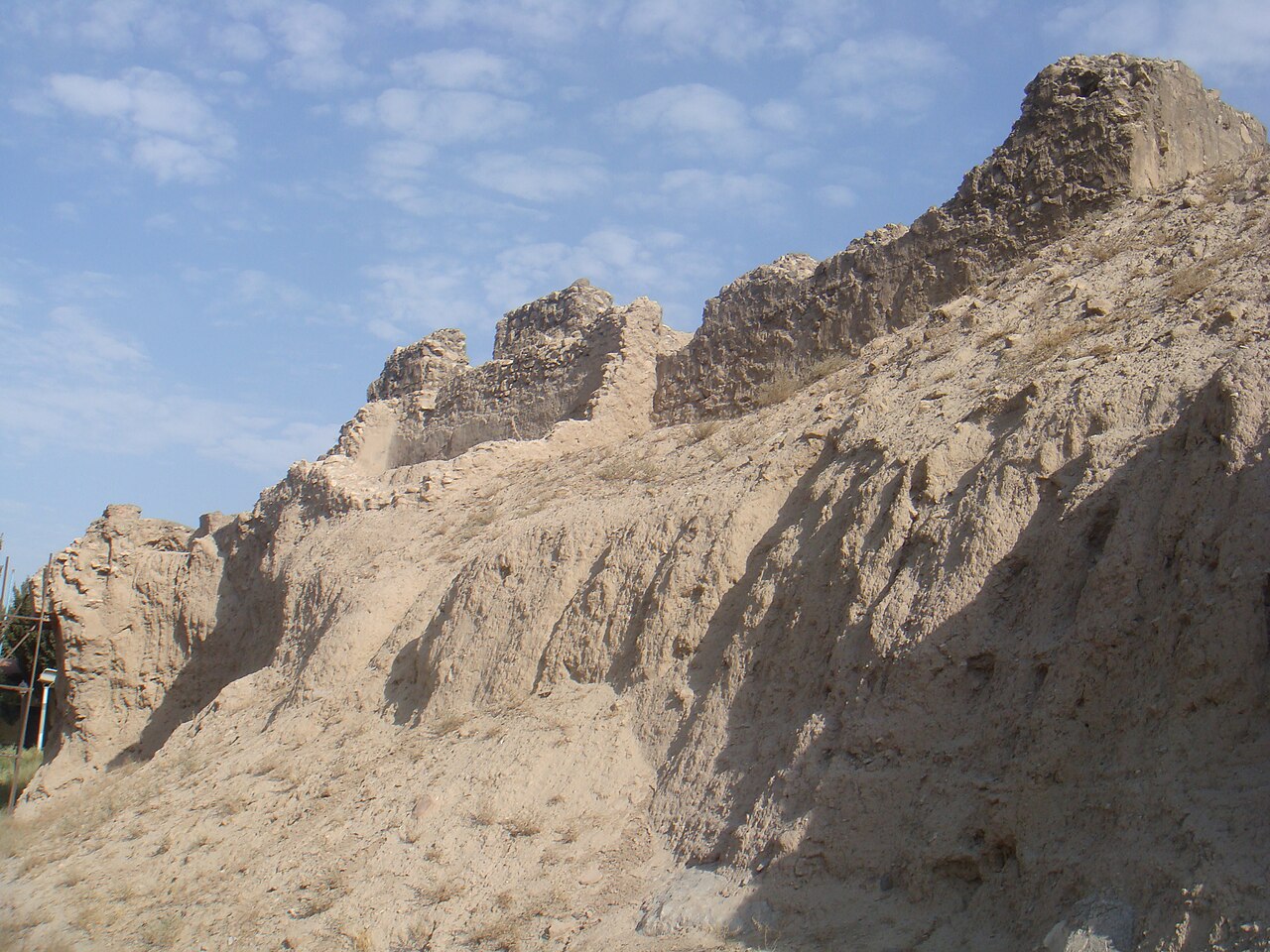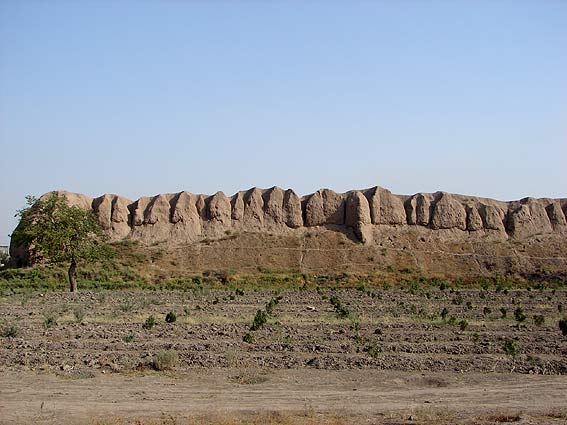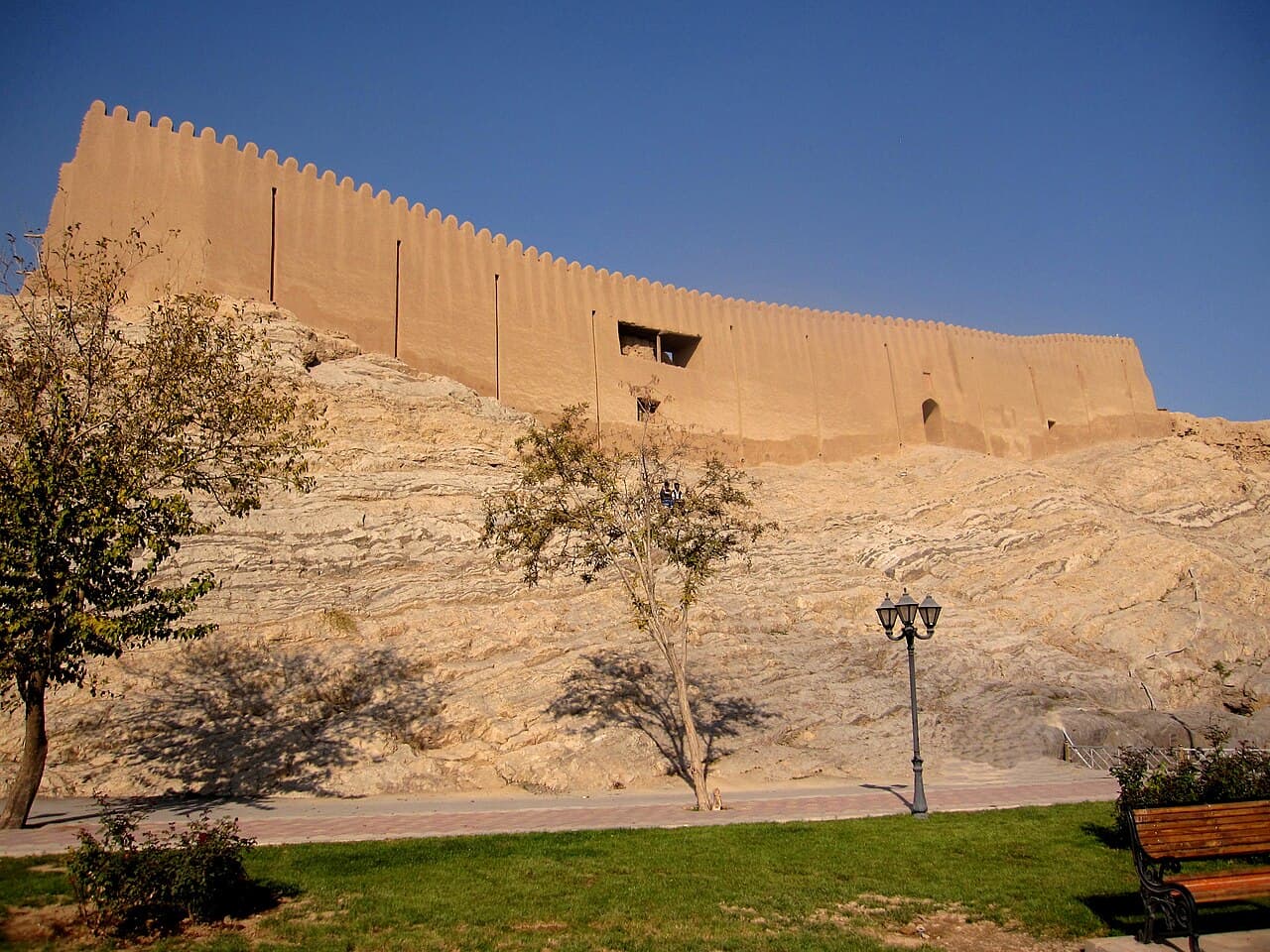
Ray Castle (Persian: باروی ری), also known as the Rey Fortification or Ghal'eh Rey, is a prominent ancient defensive structure situated on a hill overlooking Cheshmeh-Ali within the historic city of Rey, now incorporated into modern Greater Tehran, Iran. This hill castle is among the oldest fortifications in the region, with origins tracing back to the Median kingdom over 2,300 years ago. The city of Rey itself holds a much longer history, with archaeological evidence showing continuous habitation since approximately 6000 BCE, marking it as one of the oldest urban settlements in the Iranian plateau.
Historical significance and early origins
The strategic location of Ray Castle atop a hill provided a commanding view of the surrounding plains, making it a vital military stronghold throughout various periods of Persian history. The castle's earliest known construction dates to the Early Median period, which established it as a key defensive site against rival powers. The Median kingdom, known for its consolidation of Iranian tribes, used fortifications like Ray Castle to secure its territories.
Over subsequent centuries, the castle and the city of Rey played significant roles under the Achaemenid Empire and later the Seleucid Empire. Historical records and archaeological findings suggest that after the initial Median construction, the fortress underwent rebuilding and reinforcement. Some sources indicate that an earlier structure was destroyed by an earthquake and subsequently rebuilt by Seleucus I Nicator, the founder of the Seleucid Empire, although concrete archaeological evidence for this remains limited.
Ray Castle during the Sasanian and Islamic periods
During the Sasanian era (224–651 CE), Ray Castle gained prominence as a major administrative and military center. It was home to influential noble families such as the House of Mehran, who wielded considerable power in the region. The fortress was integral to the defense system protecting the Sasanian capital region and served as a refuge during invasions.
Following the Muslim conquest of Persia in the 7th century, the castle continued to hold military importance. The city's strategic location on major trade and communication routes ensured that Ray Castle remained relevant as a defensive bastion, although over time, the fortress's role diminished as political and military centers shifted elsewhere.
Architectural features and layout
Ray Castle is characterized by its elevated position on a natural hill, which enhances its defensive capabilities. The fortification included thick stone walls adapted to the contours of the hill, with battlements and watchtowers positioned to provide surveillance over the surrounding territory. The castle's design reflects typical Median and later Persian military architecture, combining natural topography with man-made defenses.
The castle complex likely included gates, courtyards, and residential quarters for military commanders and noble families. Although much of the original structure has been lost or damaged over centuries, archaeological remains and historical descriptions highlight the castle's robust construction and strategic planning.
Decline, damage, and preservation efforts
By the 19th century, Ray Castle had fallen into significant ruin. The site bears the marks of natural disasters, including earthquakes, which contributed to the destruction of earlier structures. A notable historical feature from this period is a Qajar era inscription carved into the rock face below the castle ruins, commemorating Fath-Ali Shah Qajar in 1831.
Modern efforts to preserve and restore Ray Castle have been undertaken to protect this valuable cultural heritage site. These initiatives aim to stabilize the remaining walls and archaeological features while facilitating scholarly research and public education about the castle's historical importance.
Ray Castle's place in Iranian heritage
As one of the oldest known fortifications in Iran, Ray Castle represents a critical link to the region's ancient past. Its continuous use from the Median kingdom through the Sasanian period and into the Islamic era illustrates the enduring strategic importance of Rey as a city and military site. The castle's ruins today serve as a tangible reminder of the complex history of Persian empires and the evolution of military architecture in Iran.
Visitors to the site can appreciate the castle's commanding location and imagine its role in the defense of one of Persia's oldest cities. While much of the original structure has been lost, ongoing archaeological work continues to reveal new insights into the castle's construction phases and historical context.
Frequently asked questions (FAQ)
- What is the historical significance of Ray Castle?
- Ray Castle dates back to the Median kingdom over 2,300 years ago and served as a strategic military stronghold through various Persian empires, including the Sasanian period.
- Where is Ray Castle located?
- Ray Castle is located on a hill above Cheshmeh-Ali in the ancient city of Rey, which is now part of Greater Tehran, Iran.
- Can visitors see the remains of Ray Castle today?
- Yes, visitors can see the ruins of Ray Castle, which include stone walls and remnants of fortifications, although much of the original structure has been lost over time.
- What architectural features does Ray Castle have?
- The castle features thick stone walls, battlements, watchtowers, gates, and courtyards, reflecting typical Median and Persian military architecture adapted to its hilltop location.
- What efforts are being made to preserve Ray Castle?
- Modern reconstruction and preservation efforts aim to stabilize the ruins and protect this significant cultural heritage site for future generations.
Photo gallery

Information
Loading map...
Visitor reviews
No reviews yet. Been here? Write the first review and help other travelers!
Write the first reviewVisited this castle? Share your experience
Your review helps other travelers and adds first-hand knowledge to our encyclopedia.