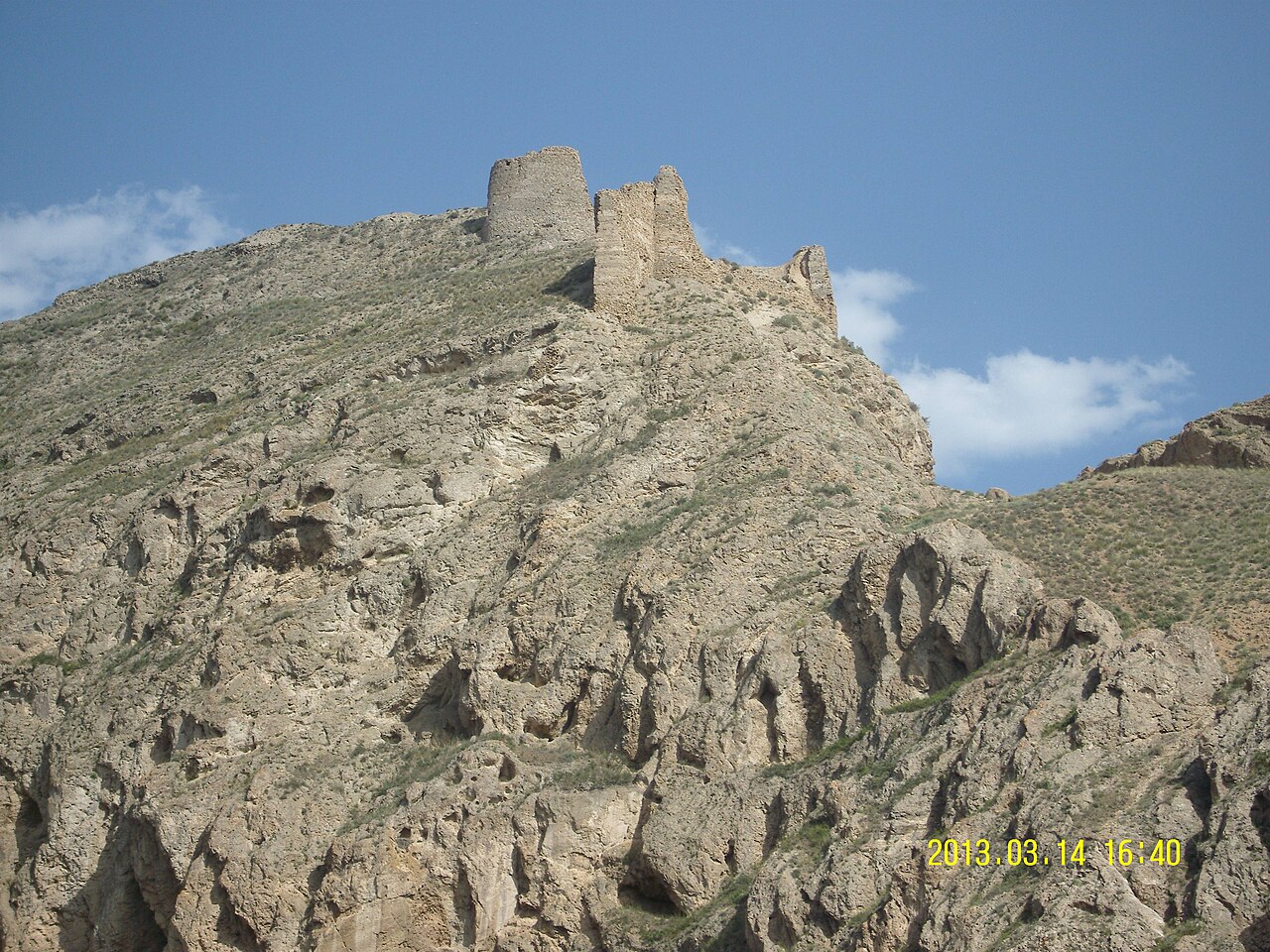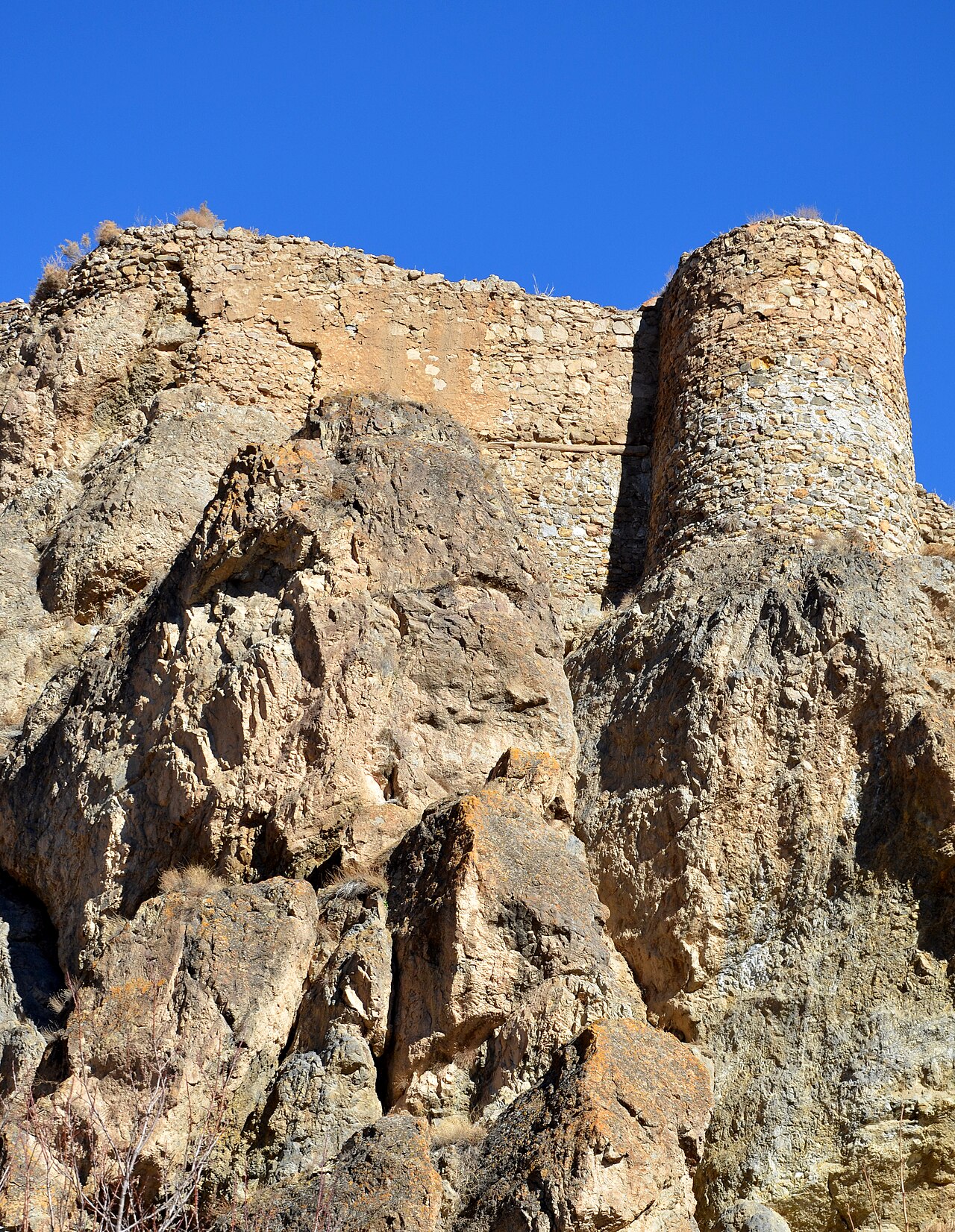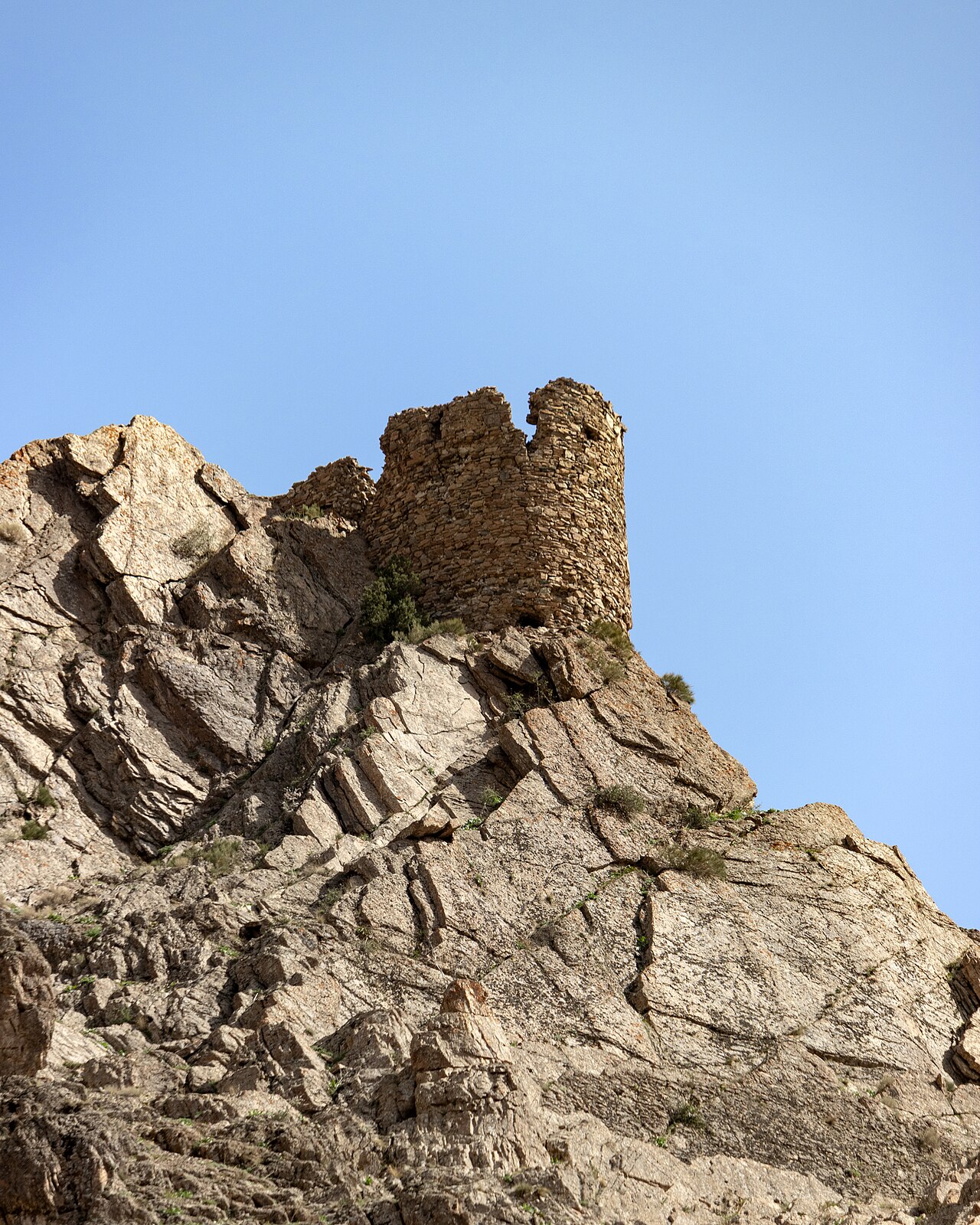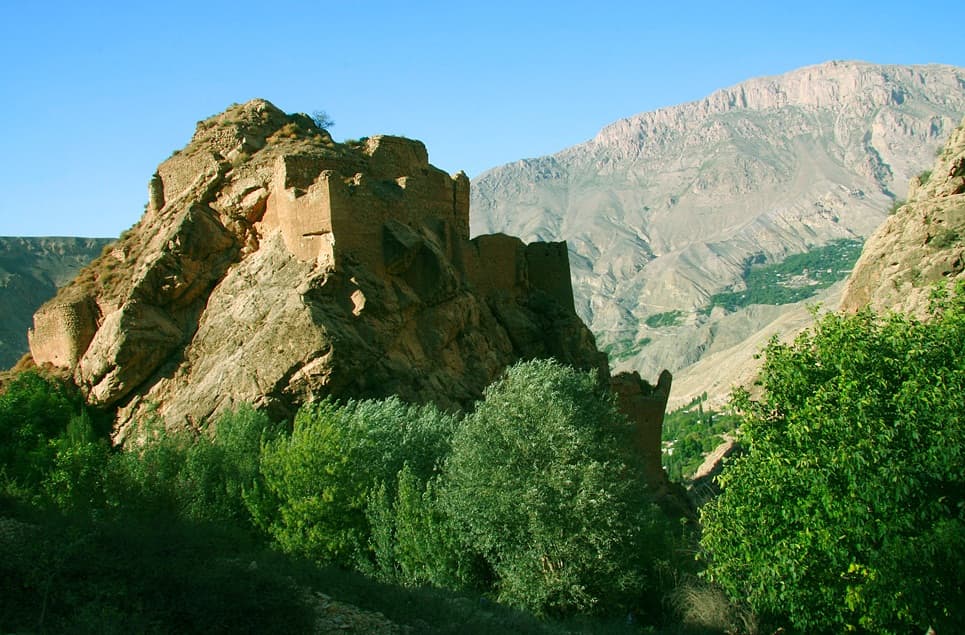
Malek Bahman Castle is a prominent hill castle located in the northern region of Iran, notable for its strategic placement and historical significance. Perched atop a steep hill, the castle was designed to oversee and control the surrounding landscape, serving both as a defensive stronghold and a symbol of power.
Historical background and significance
The origins of Malek Bahman Castle date back to the early medieval period, with some evidence suggesting construction phases spanning several centuries. The castle played a crucial role during various regional conflicts, guarding important trade routes and providing refuge during invasions. Its location in the mountainous terrain of northern Iran offered natural protection, making it a formidable fortress throughout its active use.
Architectural features and construction
The castle exemplifies traditional hill castle architecture, integrating the natural topography into its defensive design. The stone walls follow the contours of the hill, creating a complex layout that includes towers, battlements, and gatehouses. The construction utilizes locally sourced stone and mortar, with thick walls designed to withstand sieges and attacks.
Defensive structures
Malek Bahman Castle features multiple defensive elements typical of hill castles, such as watchtowers positioned to maximize visibility across valleys and approaches. The battlements provided archers with protected firing positions. Access to the castle was controlled through narrow, winding paths and fortified gates, complicating enemy advances.
Internal layout
Inside the castle, remnants of residential quarters, storage rooms, and water cisterns have been identified. These facilities indicate that the castle was designed to support a garrison for extended periods. The presence of courtyards and chambers suggests a multifunctional use, combining military, administrative, and domestic functions.
Preservation and current condition
Today, Malek Bahman Castle stands as partially preserved ruins. While some walls and towers remain intact, other sections have succumbed to natural erosion and human activity over the centuries. Efforts to document and conserve the site have been undertaken, highlighting its cultural and historical value within Iran.
Visiting Malek Bahman Castle
The castle is accessible to visitors interested in exploring Iran's medieval fortifications and hilltop castles. Due to its elevated position, reaching the site requires a moderate hike, offering panoramic views of the surrounding landscape. Visitors should prepare for rugged terrain and check local guidance for access and opening times.
Nearby attractions
The region around Malek Bahman Castle includes other historical sites and natural landmarks, making it a destination for cultural tourism and hiking enthusiasts. Exploring the area provides insight into the broader historical context of northern Iran's defensive architecture and settlement patterns.
Frequently asked questions (FAQ)
- When was Malek Bahman Castle built?
- Malek Bahman Castle dates back to the early medieval period, with construction phases likely spanning several centuries.
- What type of castle is Malek Bahman Castle?
- Malek Bahman Castle is classified as a hill castle, strategically built on elevated terrain for defense.
- Is Malek Bahman Castle open to visitors?
- Yes, visitors can access Malek Bahman Castle, though reaching it involves a moderate hike due to its hilltop location.
- What are the main architectural features of Malek Bahman Castle?
- The castle features stone walls, watchtowers, battlements, fortified gates, and internal courtyards designed for defense and habitation.
- What is the current condition of Malek Bahman Castle?
- The castle is partially preserved, with some walls and towers intact while other sections are in ruins due to erosion and time.
Photo gallery

Information
Loading map...
Visitor reviews
No reviews yet. Been here? Write the first review and help other travelers!
Write the first reviewVisited this castle? Share your experience
Your review helps other travelers and adds first-hand knowledge to our encyclopedia.