Ammameh Castle — Iran castle

Ammameh Castle

Ammameh Castle: historic Ziyarid hill castle in Tehran province, Iran

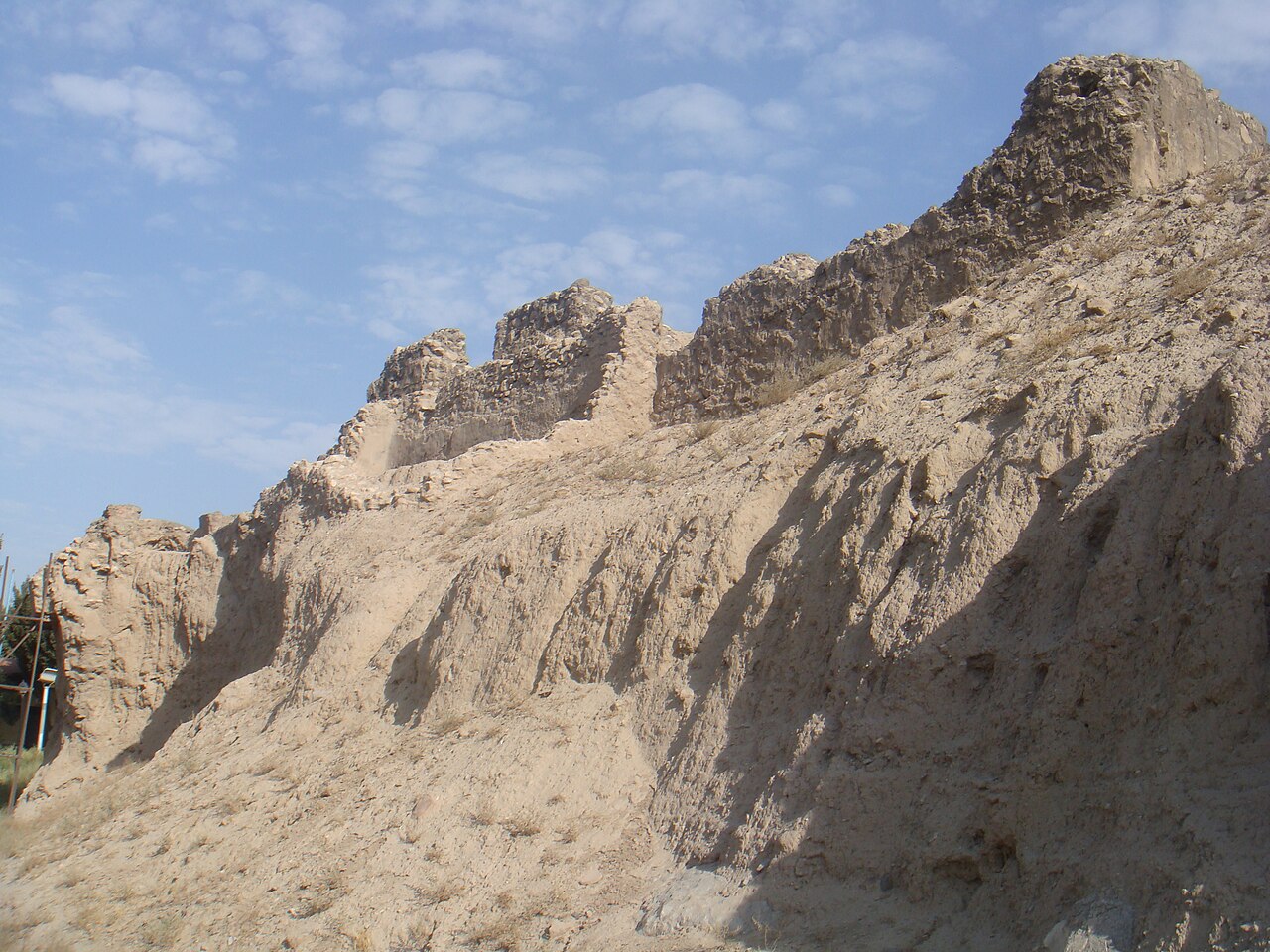
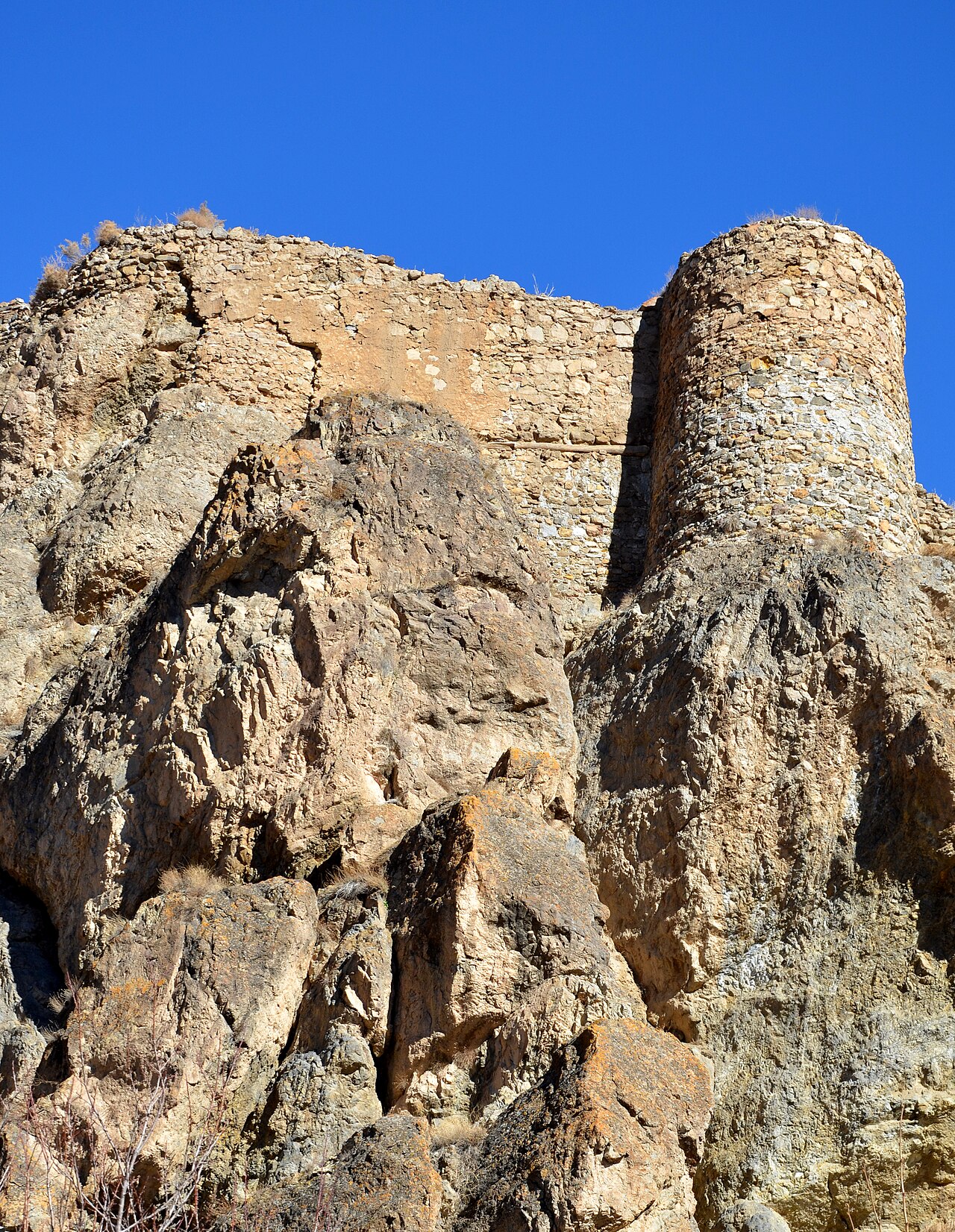
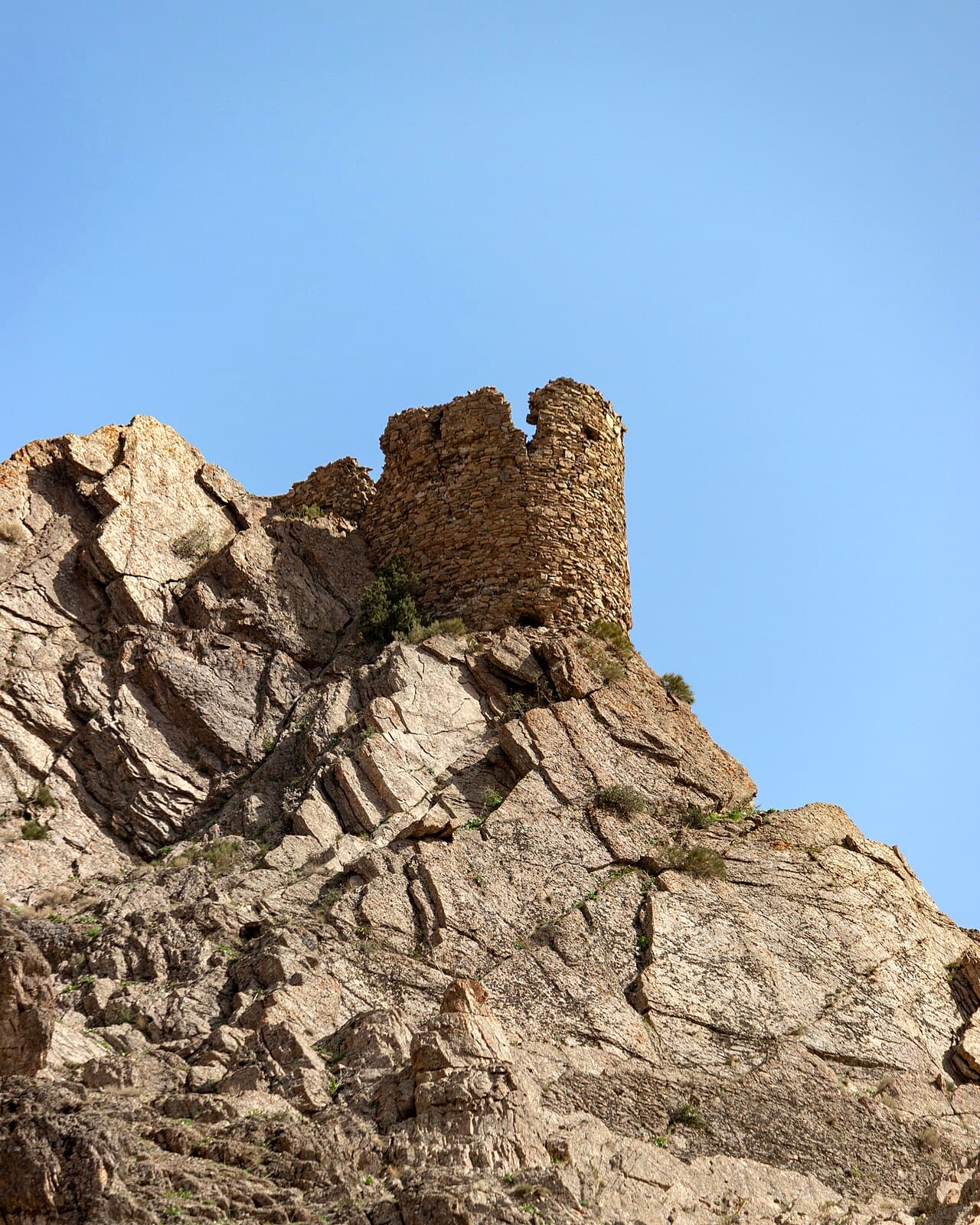
Ammameh Castle, also referred to as Maziar Castle, is a significant historical fortress situated in Ammameh village, within Shemiranat County of Tehran Province, Iran. This hill castle is an enduring relic from the Ziyarid dynasty, which ruled parts of northern Iran during the 10th and 11th centuries. The castle's strategic location atop a hill provided a commanding view of the surrounding landscape, essential for defense and surveillance in its era.

Historical context and significance

The Ziyarid dynasty was a local Iranian dynasty that emerged in the early 10th century, primarily ruling the region of Tabaristan and parts of northern Iran. Ammameh Castle was constructed during this period as a defensive stronghold to protect the region from external invasions and internal conflicts. The castle's association with the Ziyarids links it to a time of political fragmentation and regional autonomy in Iran following the decline of the Abbasid Caliphate's central power.

The alternative name, Maziar Castle, honors Maziar, a prominent Iranian noble and military leader of the 9th century who resisted Arab conquest and is celebrated in Iranian history for his defiance. While the castle itself dates from the later Ziyarid period, the name reflects the cultural memory and local reverence for Maziar's legacy.

Architectural features and construction

Ammameh Castle exemplifies the typical characteristics of a hill castle, built on elevated terrain to maximize defensive capabilities. The fortress incorporates stone masonry walls that follow the contours of the hill, creating a natural barrier against attackers. The walls are punctuated by towers and battlements designed for archers and lookouts.

The castle's layout likely includes a central courtyard, surrounded by residential quarters, storage rooms, and defensive structures. While detailed architectural plans are limited, the castle's ruins indicate the presence of gatehouses and possibly a keep or main tower that served as the last line of defense.

Construction techniques used in Ammameh Castle reflect the building practices of the early medieval Islamic period in Iran, combining robust stonework with mortar binding. The choice of location and materials demonstrates an understanding of both the natural environment and military engineering.

Current condition and preservation

Today, Ammameh Castle stands as partially preserved ruins, with some sections of the walls and towers still visible. The site has suffered from natural erosion and the passage of time, but it remains an important cultural and historical landmark in the region. Efforts to study and preserve the castle contribute to understanding the architectural and historical heritage of the Ziyarid dynasty and early Islamic Iran.

Visiting Ammameh Castle

The castle is accessible to visitors interested in Iran's medieval history and architectural heritage. Its location in the scenic Tehran Province offers opportunities for hiking and exploring the natural surroundings. Visitors can observe the castle's defensive structures and enjoy panoramic views from the hilltop.

Due to the castle's condition as ruins, visitors are advised to exercise caution when exploring the site. There may be limited facilities, so preparation is recommended. Ammameh Castle provides a tangible connection to Iran's early medieval period and the legacy of the Ziyarid dynasty.

Frequently asked questions (FAQ)

What is the historical significance of Ammameh Castle?
Ammameh Castle is a remarkable example of Persian architecture and serves as a testament to the rich history of the region. It was built during the Islamic period and has witnessed various historical events, making it a valuable site for understanding Iran's cultural heritage.
When was Ammameh Castle built?
Ammameh Castle was constructed in the early Islamic era, around the 10th century. Its enduring structure reflects the architectural styles of that time and the castle has been preserved as a vital piece of Iran's historical narrative.
Can I visit Ammameh Castle year-round?
Yes, Ammameh Castle is open to visitors throughout the year. However, it's best to check local weather conditions and any potential seasonal closures before planning your visit.
What are the opening hours for Ammameh Castle?
Ammameh Castle typically opens at 9 AM and closes at 5 PM, but these hours may vary during holidays. It's advisable to verify the current hours before your visit to ensure a smooth experience.
Is it possible to explore the castle's architecture?
Absolutely! Visitors can explore the unique architectural features of Ammameh Castle, including its impressive towers and intricate masonry. Guided tours are often available, providing insights into its historical and architectural significance.
When is the best time to visit Ammameh Castle?
The best time to visit Ammameh Castle is during the spring and autumn months when the weather is mild and pleasant. Avoiding the peak summer heat ensures a more enjoyable exploration of the castle and its surroundings.
What are some nearby attractions to Ammameh Castle?
Near Ammameh Castle, you can find several other historical sites and natural attractions, such as ancient ruins and scenic landscapes. Visiting these nearby sites can enrich your experience and provide a deeper understanding of the region's history.
How much is the ticket price for Ammameh Castle?
The ticket price for Ammameh Castle is quite affordable, making it accessible to a wide range of visitors. Discounts may be available for students and groups, so it's worth inquiring at the ticket office upon arrival.
How do I get to Ammameh Castle?
Ammameh Castle is accessible by various modes of transportation, including buses and taxis from nearby cities. It is recommended to check local transportation options or consider renting a car for a more convenient journey to the castle.

Photo gallery

Ammameh Castle
Click to view

Photo by Kaveh Parseh•CC BY-SA 4.0

1 photo • Click any image to view in full screen

Information

Hill Castle

Loading map...

Visitor reviews

No reviews yet. Been here? Write the first review and help other travelers!

Write the first review

Visited this castle? Share your experience

Your review helps other travelers and adds first-hand knowledge to our encyclopedia.
Write a review

(5/5)

0/2000 characters

Your review will be visible after admin approval

Nearby castles

36.9 km
Ray Castle — Iran castle

Ray Castle

Rey, Iran

Ray Castle (Persian: باروی ری), also known as the Rey Fortification or Ghal'eh Rey, is a prominent ancient defensive structure situated on a hill overlooking Cheshmeh-Ali within the historic city of Rey, now incorporated into modern Greater Tehran, Iran. This hill castle is among the oldest fortifications in the region, with origins tracing back to the Median kingdom over 2,300 years ago. The city of Rey itself holds a much longer history, with archaeological evidence showing continuous habitation since approximately 6000 BCE, marking it as one of the oldest urban settlements in the Iranian plateau. Historical significance and early origins The strategic location of Ray Castle atop a hill provided a commanding view of the surrounding plains, making it a vital military stronghold throughout various periods of Persian history. The castle's earliest known construction dates to the Early Median period, which established it as a key defensive site against rival powers. The Median kingdom, known for its consolidation of Iranian tribes, used fortifications like Ray Castle to secure its territories. Over subsequent centuries, the castle and the city of Rey played significant roles under the Achaemenid Empire and later the Seleucid Empire. Historical records and archaeological findings suggest that after the initial Median construction, the fortress underwent rebuilding and reinforcement. Some sources indicate that an earlier structure was destroyed by an earthquake and subsequently rebuilt by Seleucus I Nicator, the founder of the Seleucid Empire, although concrete archaeological evidence for this remains limited. Ray Castle during the Sasanian and Islamic periods During the Sasanian era (224–651 CE), Ray Castle gained prominence as a major administrative and military center. It was home to influential noble families such as the House of Mehran, who wielded considerable power in the region. The fortress was integral to the defense system protecting the Sasanian capital region and served as a refuge during invasions. Following the Muslim conquest of Persia in the 7th century, the castle continued to hold military importance. The city's strategic location on major trade and communication routes ensured that Ray Castle remained relevant as a defensive bastion, although over time, the fortress's role diminished as political and military centers shifted elsewhere. Architectural features and layout Ray Castle is characterized by its elevated position on a natural hill, which enhances its defensive capabilities. The fortification included thick stone walls adapted to the contours of the hill, with battlements and watchtowers positioned to provide surveillance over the surrounding territory. The castle's design reflects typical Median and later Persian military architecture, combining natural topography with man-made defenses. The castle complex likely included gates, courtyards, and residential quarters for military commanders and noble families. Although much of the original structure has been lost or damaged over centuries, archaeological remains and historical descriptions highlight the castle's robust construction and strategic planning. Decline, damage, and preservation efforts By the 19th century, Ray Castle had fallen into significant ruin. The site bears the marks of natural disasters, including earthquakes, which contributed to the destruction of earlier structures. A notable historical feature from this period is a Qajar era inscription carved into the rock face below the castle ruins, commemorating Fath-Ali Shah Qajar in 1831. Modern efforts to preserve and restore Ray Castle have been undertaken to protect this valuable cultural heritage site. These initiatives aim to stabilize the remaining walls and archaeological features while facilitating scholarly research and public education about the castle's historical importance. Ray Castle's place in Iranian heritage As one of the oldest known fortifications in Iran, Ray Castle represents a critical link to the region's ancient past. Its continuous use from the Median kingdom through the Sasanian period and into the Islamic era illustrates the enduring strategic importance of Rey as a city and military site. The castle's ruins today serve as a tangible reminder of the complex history of Persian empires and the evolution of military architecture in Iran. Visitors to the site can appreciate the castle's commanding location and imagine its role in the defense of one of Persia's oldest cities. While much of the original structure has been lost, ongoing archaeological work continues to reveal new insights into the castle's construction phases and historical context.

Early Medieval (5th–10th c.)
Details
36.9 km
Rashkan Castle — Iran castle

Rashkan Castle

, Iran

Rashkan Castle is a historic fortress located on Kuh-e Safaije mountain in the Gilan region of northern Iran. This hill castle was originally constructed during the Parthian era (circa 3rd century BCE to 3rd century CE), a period marked by the rise of the Parthian Empire, one of the great ancient Iranian dynasties. The fortress's name honors Arsaces, the founder of the Parthian dynasty, reflecting its strong cultural and historical ties to this influential period in Iranian history. The site of Rashkan Castle has a deep historical significance, with archaeological evidence indicating human activity in the area dating back to the Late Iron Age (around 1000 BCE). Artifacts linked to cultures near Damghan suggest early settlement and strategic importance long before the fortress's construction. Rashkan's location near the ancient city of Ray (Rey) further underscores its role in regional defense and governance over many centuries. Architectural features and layout The fortress is strategically perched on the steep slopes and cliffs of Kuh-e Safaije, adopting a roughly triangular plan that follows the natural topography. Its defensive walls are built primarily of stone bound with mortar, designed to maximize strength and resilience. The southern plateau of the castle contains the most significant buildings, protected by three bastions constructed in various historical phases, illustrating the site's continuous adaptation and fortification. A prominent watchtower crowns the summit of the mountain, accessible by two intact staircases, which served as an observation post to monitor the surrounding landscape. The western walls are notable for their use of large standardized bricks approximately 45 by 45 by 15 centimeters in size, a characteristic shared with other ancient Iranian structures such as the Gorgan Wall. This combination of stone and brickwork highlights the architectural evolution and varied construction techniques employed over time. Historical context and cultural significance Parthian origins and sasanian period Rashkan Castle was initially established by the Parthians, who controlled vast territories across Iran and beyond. While the fortress's primary construction dates to this era, its strategic position near Ray suggests it likely remained a defensive stronghold during the subsequent Sasanian Empire (3rd to 7th centuries CE). Although direct archaeological evidence of Sasanian occupation within Rashkan is limited, nearby sites such as Češme-Ali and Tape-Mil reveal traces of Sasanian presence, implying ongoing regional importance. Islamic era developments Following the Islamic conquest of Persia in the 7th century, Rashkan Castle continued to be inhabited and modified, reflecting new cultural and architectural influences. Excavations have uncovered a stone superstructure built atop earlier brick foundations and a western madrasa featuring an iwan, an arched hall typical of Abbasid Caliphate architecture. These additions demonstrate the site's adaptation to Islamic educational and religious functions during the early medieval period. Artifacts such as polished ceramics from the Buyid dynasty and a coin bearing the image of Shah Rukh Mirza, a Timurid ruler, indicate continued occupation and use of Rashkan through the late medieval period. This layered history reflects the fortress's enduring significance across multiple Iranian dynasties. Damage, decline, and preservation The fortress suffered considerable damage during the Mongol invasions of the 13th century, which devastated many parts of Iran. As the nearby city of Ray declined in prominence and Tehran rose as a political center, Rashkan Castle gradually lost its military and administrative roles. Industrial activities in modern times have caused damage to the northern sections of the complex, but many archaeological remains remain visible today. Numerous artifacts recovered from Rashkan and surrounding sites, including Parthian bronze coins, ceramics, and architectural fragments, are preserved in the National Museum of Iran in Tehran. These finds provide valuable insights into the site's long occupation and cultural transitions. Archaeological significance and ongoing research Rashkan Castle offers a unique window into the military architecture and cultural history of northern Iran from the Late Iron Age through the Timurid period. Its well-defined layout, combining natural topography with constructed defenses, illustrates ancient Iranian fortification strategies. The site's stratified remains document architectural evolution from Parthian stonework and brick foundations to Islamic-era educational structures. Ongoing archaeological studies continue to uncover details about Rashkan's role in regional defense, its relationship to the city of Ray, and its adaptation to changing political and cultural landscapes over more than a millennium. The castle stands as a testament to the layered history of Iranian civilization and the enduring strategic importance of its geographic location.

High Medieval (11th–13th c.)
Details
37.6 km
Pulad Castle — Iran castle

Pulad Castle

Nur County, Iran

Pulad Castle (Persian: قلعه پولاد) is a significant historical fortress located in Nur County, within the Mazandaran Province of northern Iran. This hill castle is perched strategically on elevated terrain, which provided natural defensive advantages against invaders throughout its history. The castle's origins trace back to the Seljuk dynasty, situating its construction broadly in the 11th to 13th centuries, a period marked by extensive castle-building across the region to secure key routes and territories. Historical context and significance The Seljuk dynasty was a major medieval Turko-Persian empire that controlled large parts of Central Asia and the Middle East, including Iran. During this era, fortifications like Pulad Castle were crucial for maintaining control over the region's mountainous and forested areas, especially in Mazandaran Province, which borders the Caspian Sea and features rugged terrain. The castle likely served both military and administrative functions, protecting local populations and overseeing trade routes. Architectural features and construction Pulad Castle exemplifies typical Seljuk military architecture adapted to a hilltop location. The fortress would have included thick defensive walls constructed from locally sourced stone and mortar, designed to withstand sieges and attacks. The elevated position allowed defenders to monitor surrounding valleys and control access points effectively. While detailed architectural surveys are limited, it is probable that the castle featured towers or bastions at key points along the walls to provide flanking fire and observation posts. The entrance would have been fortified with a gatehouse and possibly a moat or ditch to impede attackers. Inside, the castle likely contained residential quarters, storage rooms, and areas for troop deployment. Geographical setting and strategic importance Situated in the lush and mountainous region of Mazandaran, Pulad Castle commands views over important valleys and routes connecting the interior of Iran to the Caspian coast. This location was essential for controlling movement and trade, as well as for defense against rival factions or invading forces during the turbulent medieval period. Current condition and preservation Today, Pulad Castle remains a partially preserved ruin, with some sections of its walls and foundations still visible. The site offers valuable insights into Seljuk-era fortifications and medieval military architecture in northern Iran. Preservation efforts have been limited, and the castle is vulnerable to natural erosion and human impact. However, it continues to attract historians, archaeologists, and visitors interested in Iran's rich medieval heritage. Visiting Pulad Castle While not as widely known as some other Iranian castles, Pulad Castle is accessible to visitors interested in history and architecture. The surrounding region's natural beauty complements the historical experience, with opportunities for hiking and exploration of the Mazandaran landscape. Visitors should prepare for limited facilities on-site and consider guided tours to fully appreciate the castle's historical context. Legacy and cultural importance Pulad Castle stands as a testament to the strategic military planning of the Seljuk dynasty and their influence on Iranian architecture and regional control. It contributes to the broader understanding of medieval fortifications in the Caspian region and reflects the complex history of Mazandaran Province as a borderland between various empires and cultures.

High Medieval (11th–13th c.)
Details