Puerta de Tierra
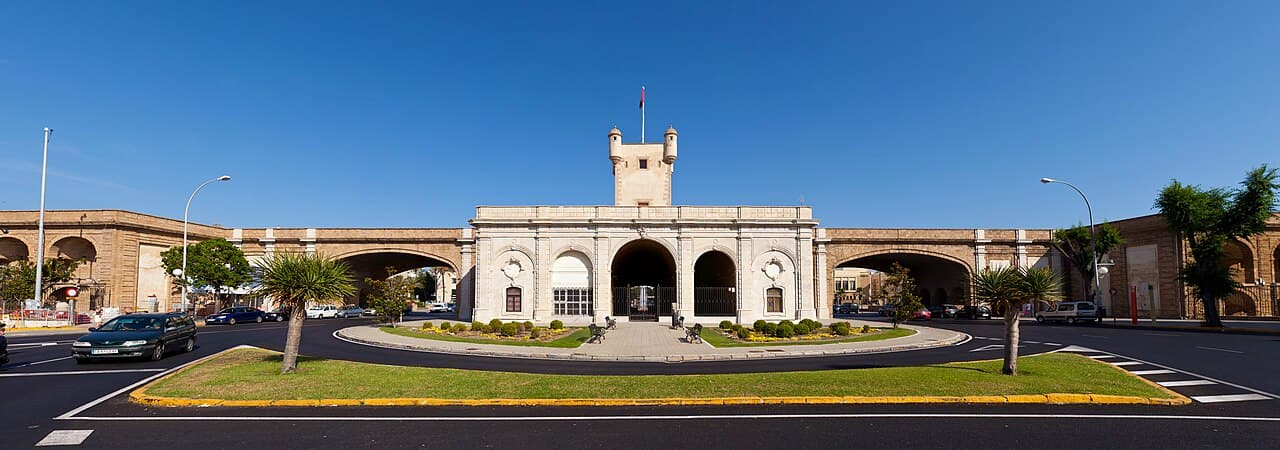
Puerta de Tierra is a historic bastioned fortress located in the city of Cádiz, in the southwestern region of Andalusia, Spain. This fortress served as a crucial defensive structure protecting the old city of Cádiz, which is one of the oldest continuously inhabited cities in Western Europe. The name "Puerta de Tierra" translates to "Land Gate," reflecting its role as the main gateway from the mainland onto the peninsula where Cádiz is situated.
Historical context and strategic importance
The origins of Puerta de Tierra date back to the late 17th century and early 18th century, a period marked by intense military and naval conflicts involving Spain and other European powers. Cádiz was a vital port city with significant commercial and military importance, especially during the Spanish Empire's height. The fortress was constructed to protect the city from land-based attacks, particularly from invading forces attempting to breach Cádiz’s defenses.
The fortress was part of a larger system of fortifications designed to safeguard Cádiz’s peninsula, which is surrounded by water on three sides. This strategic position made Cádiz a key naval base and trading hub, necessitating robust defenses against both sea and land assaults.
Architectural features and design
Puerta de Tierra exemplifies the bastioned fortress architectural style, characterized by angled bastions that allowed defenders to cover adjacent walls with overlapping fields of fire. This design was typical of the 17th and 18th centuries and reflected advances in military engineering responding to the increased use of artillery.
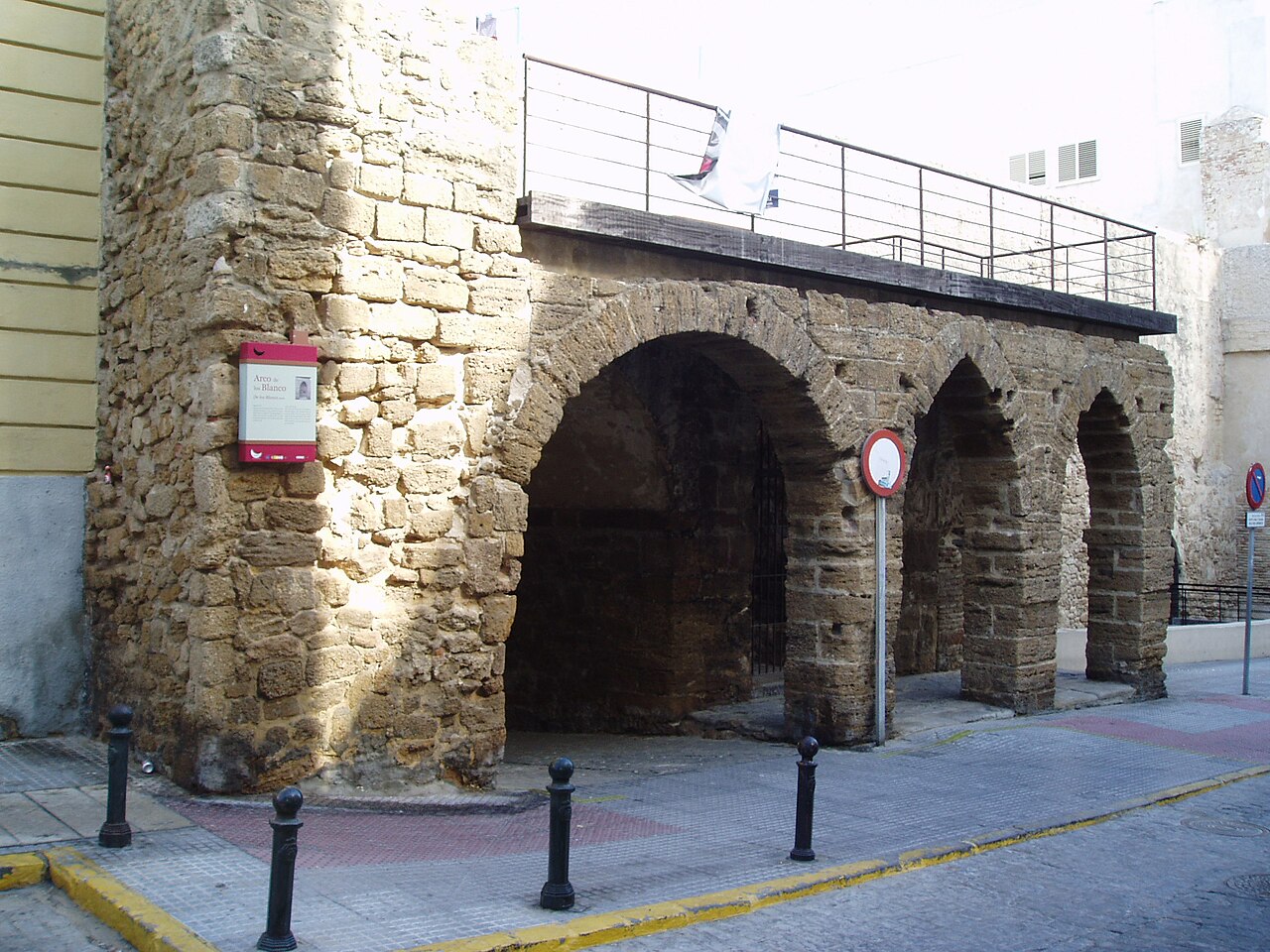
The fortress includes massive defensive walls, bastions, and gates. The walls are constructed from stone and brick, designed to withstand cannon fire and sieges. The main gate, also called Puerta de Tierra, served as the controlled entry point into the city, fortified with heavy doors and defensive features such as guardhouses and artillery placements.
The bastions are prominent features, projecting outward from the main walls to provide defensive coverage and reduce blind spots. These bastions were equipped with cannons and other artillery pieces to repel attackers.
Role in military history
Throughout its history, Puerta de Tierra played a significant role in several military engagements, including conflicts during the War of Spanish Succession and the Napoleonic Wars. Its fortifications helped protect Cádiz from sieges and invasions, contributing to the city's resilience during times of war.
The fortress was maintained and upgraded over the centuries to adapt to evolving military technology and threats. By the 19th century, while its military importance declined with changes in warfare and the expansion of the city beyond its walls, Puerta de Tierra remained a symbol of Cádiz’s historical defense system.
Modern status and cultural significance
Today, Puerta de Tierra is recognized as a significant cultural and historical landmark in Cádiz. Although parts of the fortress have been altered or integrated into the expanding urban landscape, many sections of the bastioned walls and gates remain well preserved.
The fortress is accessible to visitors and serves as a reminder of Cádiz’s rich military and architectural heritage. It is often included in historical tours and cultural itineraries highlighting the city’s evolution from a fortified port to a modern urban center.
Efforts to preserve and restore the fortress continue, emphasizing its importance as part of Spain’s coastal defense history and its role in safeguarding one of the country’s most historic cities.
Architectural details and construction techniques
The construction of Puerta de Tierra utilized local materials such as limestone and brick, combined with lime mortar, typical of Spanish military architecture of the period. The fortress's walls are thick and angled to deflect cannonballs, and the bastions are designed with low profiles to minimize exposure to enemy fire.
The gate itself was heavily fortified, with multiple layers of defense including a barbican and a drawbridge in earlier phases. Defensive walkways along the walls allowed soldiers to patrol and quickly respond to threats. The fortress also included barracks and storage facilities for munitions and supplies.
Influence of military engineering
The design of Puerta de Tierra reflects the influence of the Italian school of military engineering, which emphasized star-shaped fortresses with bastions to maximize defensive coverage. This style was widely adopted across Europe in response to the development of gunpowder artillery.
Integration with the city
The fortress was integrated into the urban fabric of Cádiz, marking the boundary between the fortified old city and the surrounding countryside. Its presence shaped the city's growth patterns and influenced the development of roads and neighborhoods around the gate.
Visiting Puerta de Tierra
The fortress is open to the public and can be explored on foot. Visitors can walk along portions of the defensive walls and view the bastions and gates up close. Informational plaques provide historical context, and guided tours are available to explain the fortress's role in Cádiz’s history.
The best time to visit is during spring and autumn when the weather is mild. The site is accessible year-round, with no entrance fee, making it a popular destination for both tourists and locals interested in history and architecture.
Frequently asked questions (FAQ)
- What is the historical significance of Puerta de Tierra?
- Puerta de Tierra served as the main defensive gate protecting the city of Cádiz from land-based attacks during the 17th and 18th centuries.
- Can I visit Puerta de Tierra year-round?
- Yes, Puerta de Tierra is open to visitors throughout the year during daylight hours with free admission.
- What architectural style is Puerta de Tierra built in?
- Puerta de Tierra is a bastioned fortress reflecting military architectural principles of the post-Renaissance period, influenced by Italian military engineering.
- Is Puerta de Tierra accessible for walking tours?
- Yes, visitors can explore the fortress on foot, including walking along the defensive walls and viewing the bastions and gates.
- Are there guided tours available at Puerta de Tierra?
- Guided tours are available and provide detailed historical and architectural information about the fortress and its role in Cádiz's defense.
Photo gallery

Information
Opening hours
Open year-round, daylight hours
Ticket prices
Free
Current owner
Municipality of Cádiz
Loading map...
Visitor reviews
No reviews yet. Been here? Write the first review and help other travelers!
Write the first reviewVisited this castle? Share your experience
Your review helps other travelers and adds first-hand knowledge to our encyclopedia.