Pskov Krom
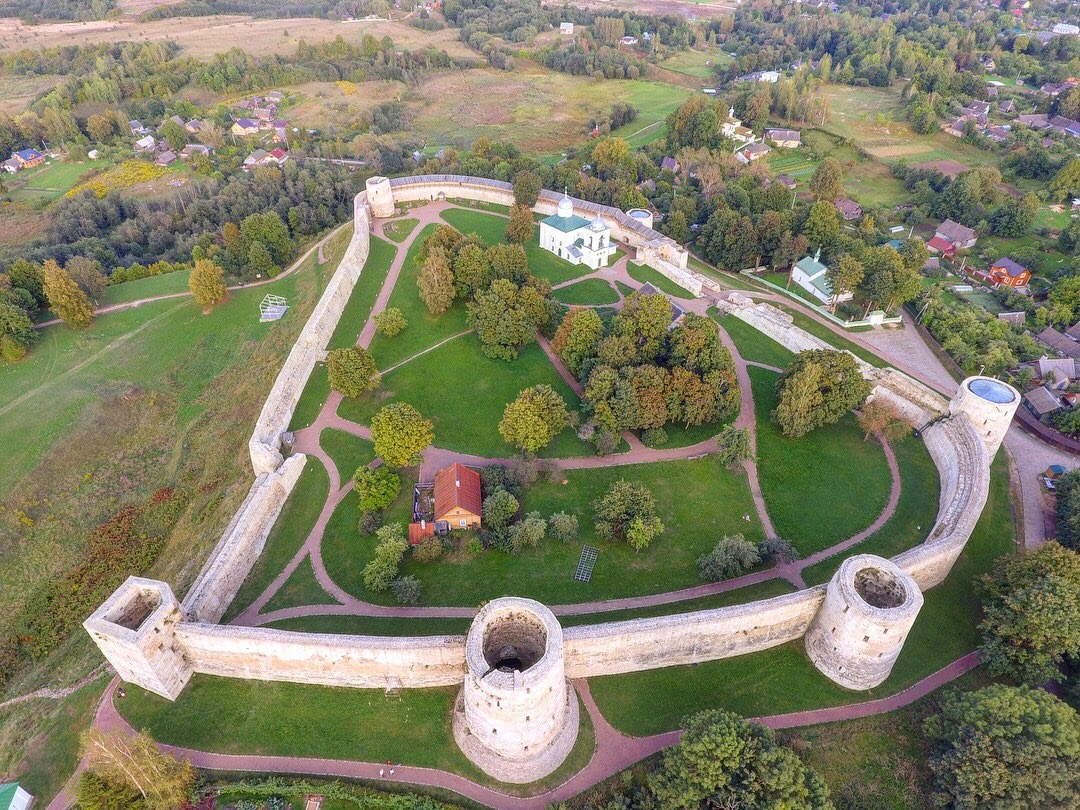
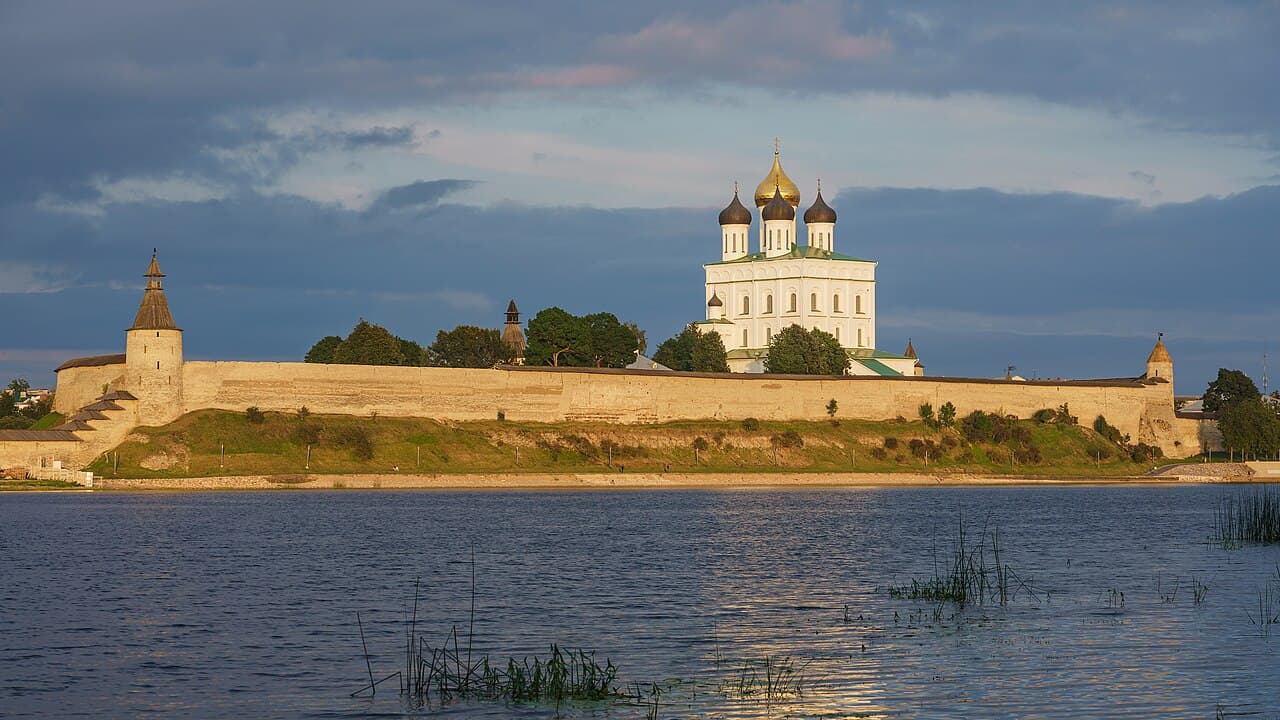
The Pskov Krom, also referred to as the Pskov Kremlin, is a historic citadel situated in the city of Pskov, Russia. It occupies a prominent position at the confluence of the Velikaya and Pskova rivers, which provided natural defensive advantages. The fortress is a significant example of late medieval military architecture in Russia, with its construction primarily dating back to the 15th century.
Historical background and strategic importance
The origins of the Pskov Krom trace back to early medieval times, but its most notable development occurred during the late medieval period. The fortress served as the administrative and religious center of Pskov, playing a crucial role in the defense of the northwestern borders of the Russian lands. Its position at the junction of two rivers made it a key point for controlling trade routes and military movements.
Throughout its history, the Pskov Krom was involved in numerous military conflicts, including sieges and battles, reflecting the turbulent political landscape of the region. It was a vital stronghold during the Livonian War in the 16th century and resisted multiple attacks from foreign invaders.
Architectural features and fortifications
The Pskov Krom is classified as a bastioned fortress, a style that incorporates angled bastions projecting from the walls to provide overlapping fields of fire for defenders. This design was advanced for its time and enhanced the fortress's defensive capabilities against artillery and infantry assaults.
The fortress walls, constructed primarily from local limestone, are thick and robust, featuring multiple towers and gates that controlled access to the inner precincts. The walls were built starting in the late 15th century, reflecting the transition from earlier wooden fortifications to more durable stone structures.
Key architectural elements include the Vlasyevskaya Tower, the Rybnitskaya Tower, and the Pokrovskaya Tower, each serving specific defensive and observation functions. The fortress also contains a cathedral within its walls, underscoring its dual role as a military and religious center.
Religious and cultural significance
Within the walls of the Pskov Krom stands the Trinity Cathedral, an important religious monument originally built in the 10th century and rebuilt several times, most notably in the 17th century. The cathedral is a symbol of Pskov's spiritual heritage and architectural tradition, featuring distinctive Russian Orthodox design elements.
The Krom has long been a cultural hub, hosting religious ceremonies and serving as the seat of the Pskov bishopric. Its preservation allows visitors to appreciate the intertwining of military and religious life in medieval Russia.
Preservation and current status
Today, the Pskov Krom is well preserved and remains one of the most important historical landmarks in Russia. It attracts scholars, tourists, and architecture enthusiasts interested in medieval fortifications and Russian history.
Conservation efforts have maintained the fortress's structural integrity and historical authenticity. The site is accessible to the public, offering guided tours that explain its architectural features, historical context, and cultural importance.
Visiting the Pskov Krom
Visitors to the Pskov Krom can explore its extensive walls, towers, and the interior cathedral. The fortress's riverside location provides scenic views and a tangible connection to the natural landscape that shaped its defensive strategy.
The site often hosts cultural events and exhibitions that celebrate Pskov's heritage. It is recommended to visit during the warmer months for comfortable exploration and to fully appreciate the outdoor architecture.
Frequently asked questions (FAQ)
- How do I get to Pskov Krom?
- Pskov Krom is easily accessible by public transport, including buses and trains from major cities in Russia. If you are driving, there are designated parking areas nearby, making it convenient for visitors.
- What is the historical significance of Pskov Krom?
- Pskov Krom, also known as the Pskov Kremlin, is a historic fortress that has played a crucial role in the defense of the region since the 12th century. It is a UNESCO World Heritage Site and showcases the rich history and architectural heritage of medieval Russia.
- When was Pskov Krom built?
- The construction of Pskov Krom began in the 12th century, with significant expansions and renovations occurring over the centuries. The fortress was strategically important during various conflicts, particularly during the era of the Grand Duchy of Moscow.
- Can I take guided tours of Pskov Krom?
- Yes, guided tours are available and highly recommended for visitors who wish to learn more about the history and architecture of Pskov Krom. Tours typically include access to key areas of the fortress and insights from knowledgeable guides.
- Why is the architecture of Pskov Krom unique?
- The architecture of Pskov Krom is characterized by its blend of Russian, Byzantine, and Gothic styles, reflecting the cultural influences that shaped the region. The fortress features impressive stone walls, towers, and churches that showcase the craftsmanship of past eras.
- Is it possible to visit Pskov Krom year-round?
- Yes, Pskov Krom is open to visitors year-round, although some areas may have restricted access during winter months due to weather conditions. It's advisable to check the official website for any seasonal changes in opening hours.
- What are the opening hours for Pskov Krom?
- Pskov Krom typically opens at 10 AM and closes at 6 PM, with extended hours during the summer months. Visitors should verify specific hours before their visit, as they may vary on holidays and for special events.
- What are the ticket prices for visiting Pskov Krom?
- Ticket prices for Pskov Krom are generally affordable, with discounts available for students, seniors, and group visits. It's best to check the official website for the most current pricing and any special offers.
- What nearby attractions should I visit when at Pskov Krom?
- When visiting Pskov Krom, you can also explore the nearby Trinity Cathedral and the Pskov Historical, Architectural and Art Museum. The surrounding area offers beautiful parks and riverside walks that enhance the overall experience of your visit.

Information
Loading map...
Visitor reviews
No reviews yet. Been here? Write the first review and help other travelers!
Write the first reviewVisited this castle? Share your experience
Your review helps other travelers and adds first-hand knowledge to our encyclopedia.