Izborsk Fortress
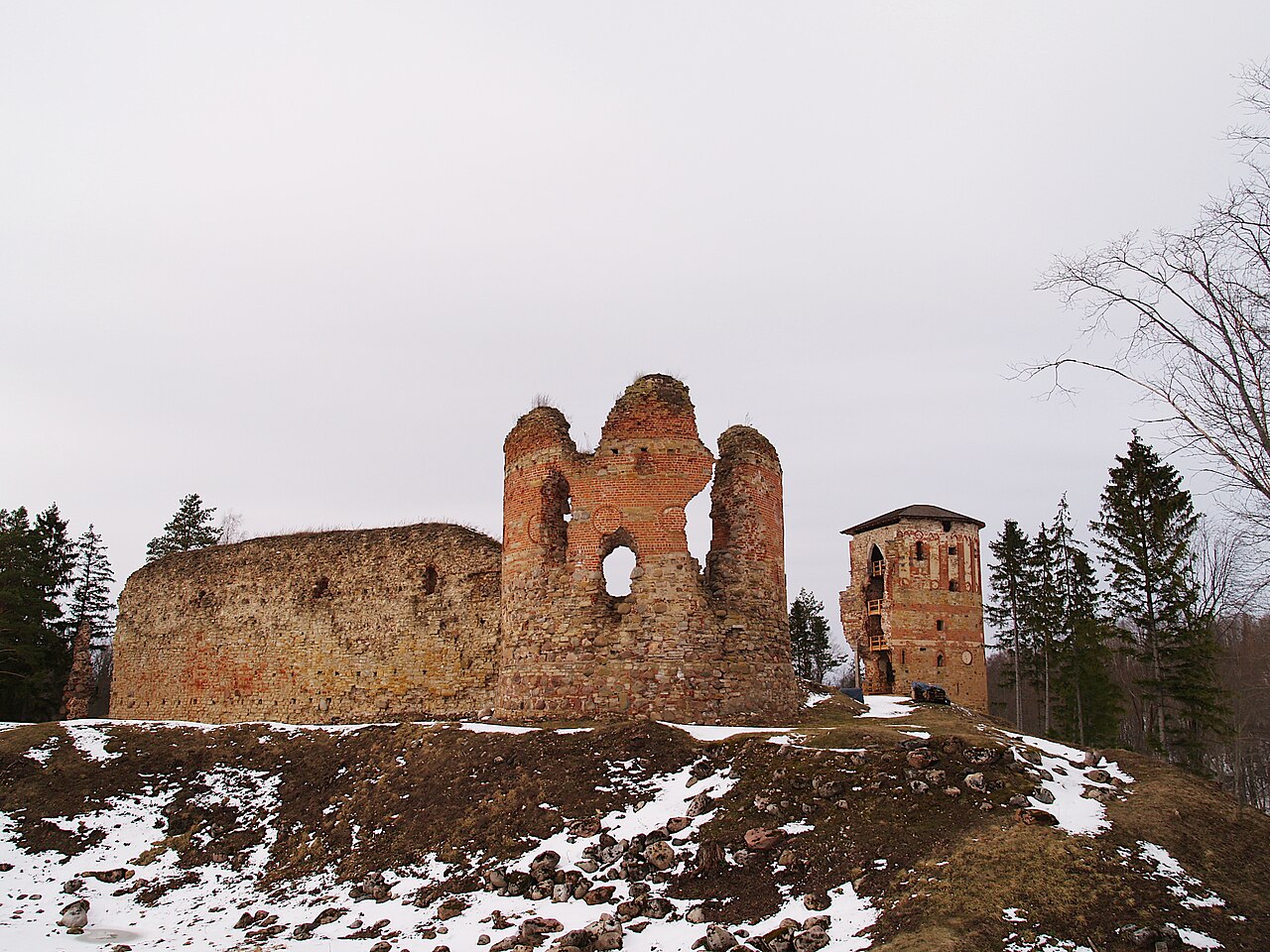
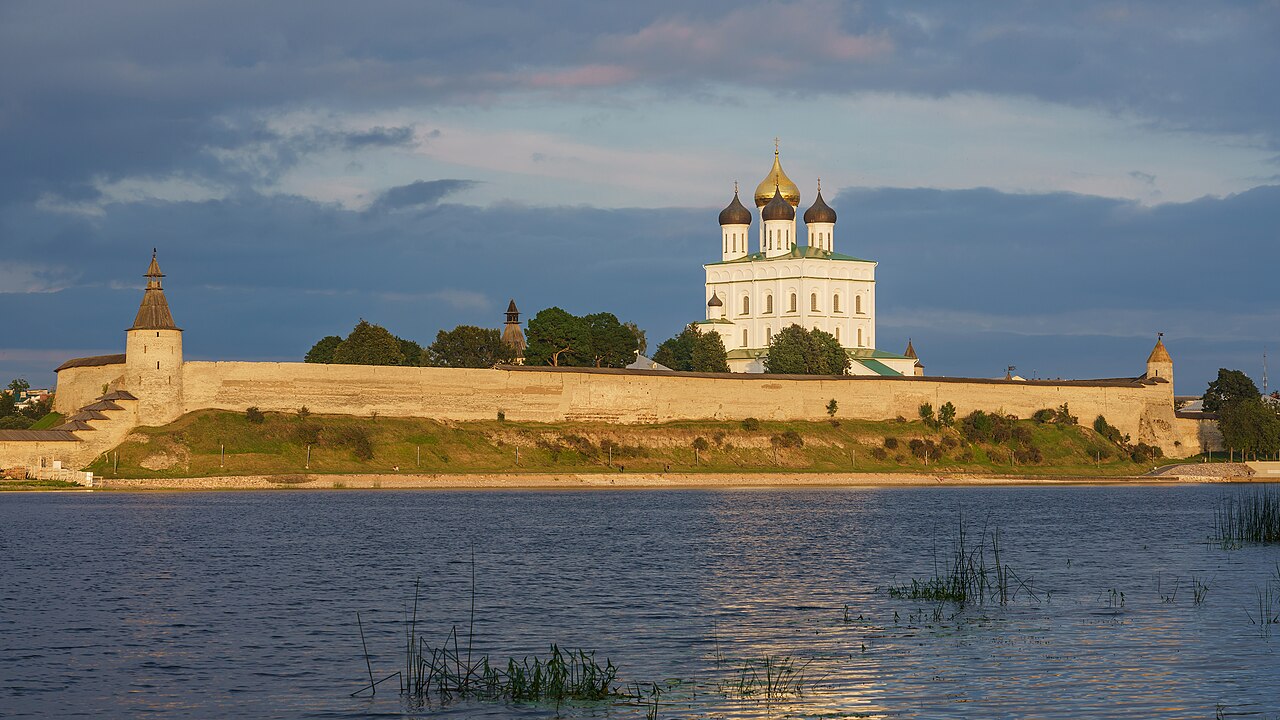
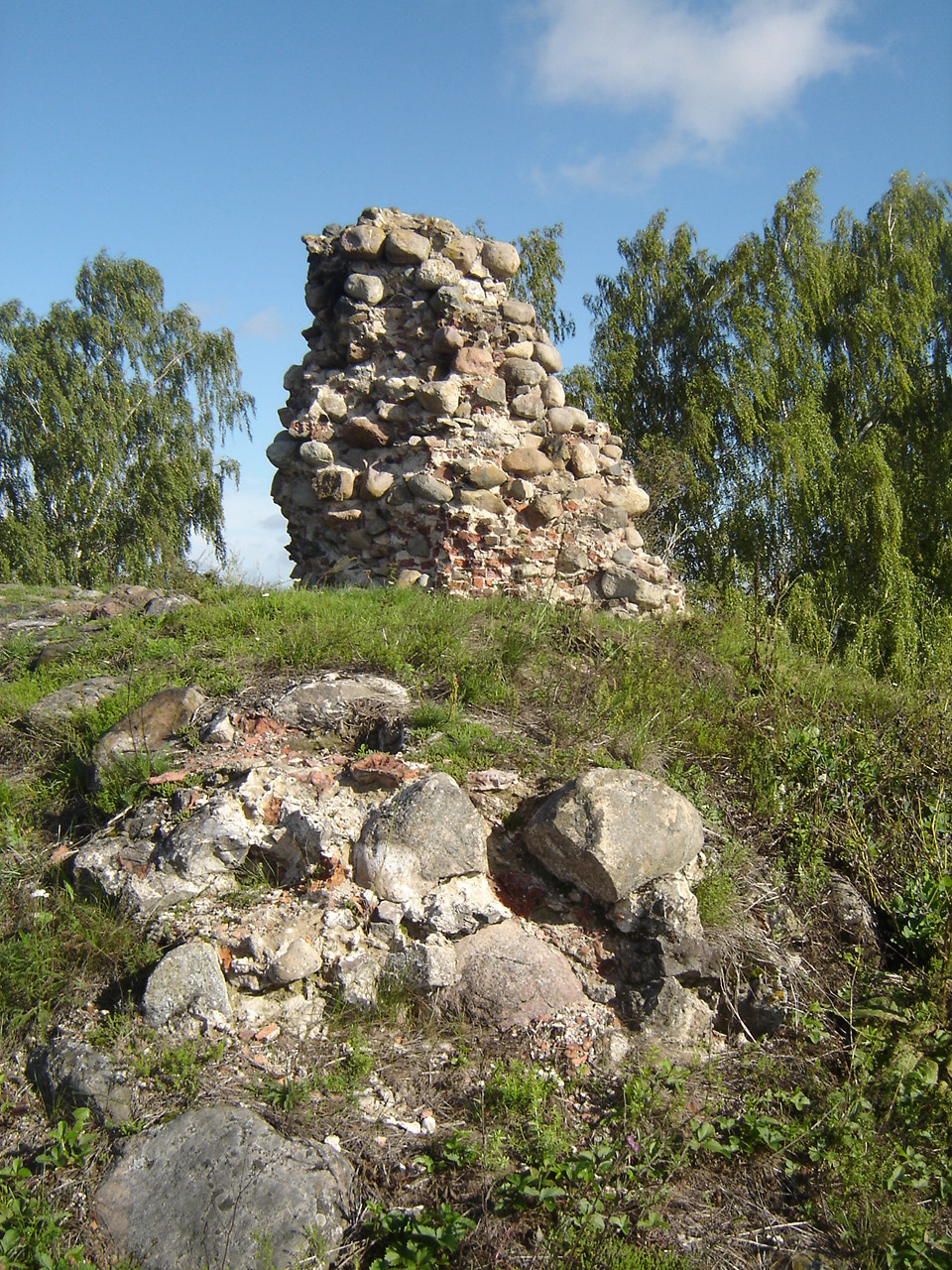
Izborsk Fortress stands as one of the most ancient and architecturally significant fortifications in Western Russia. Its origins trace back to the early medieval period, with the site historically linked to the Varangian era and the early East Slavic tribes known as the Krivichs. The fortress is prominently known for its role in the defense of the northwestern Russian borders and its unique bastioned design that evolved through the late medieval period.
Historical background and early significance
The earliest recorded mention of Izborsk appears in the Russian Primary Chronicle, which identifies the town as the seat of Truvor, brother of the Varangian prince Rurik, during 862-864. Although the legendary burial mound attributed to Truvor still attracts visitors, archaeological investigations have not confirmed a Varangian settlement at Izborsk. Instead, findings indicate that the area was a vital center for the Krivichs, an East Slavic tribe, during the early medieval period.
The next documented reference to Izborsk is from 1233, when the fortress was captured by the Livonian Brothers of the Sword, a military order active in the Baltic region. This event underscores the strategic importance of Izborsk as a frontier fortress controlling access to Russian lands from the west.
Construction and architectural evolution
The relocation and fortification in 1302
In 1302, the nearby city of Pskov undertook the relocation of the fortress to a more defensible site. This move marked the beginning of the fortress's transformation into a stone bastioned stronghold. The most ancient surviving structure within the fortress is the Lukovka Tower ("Onion Tower"), built in 1330. At the time of its construction, it was the only stone building west of Pskov, originally adjoining a wooden defensive wall.
Development of stone fortifications
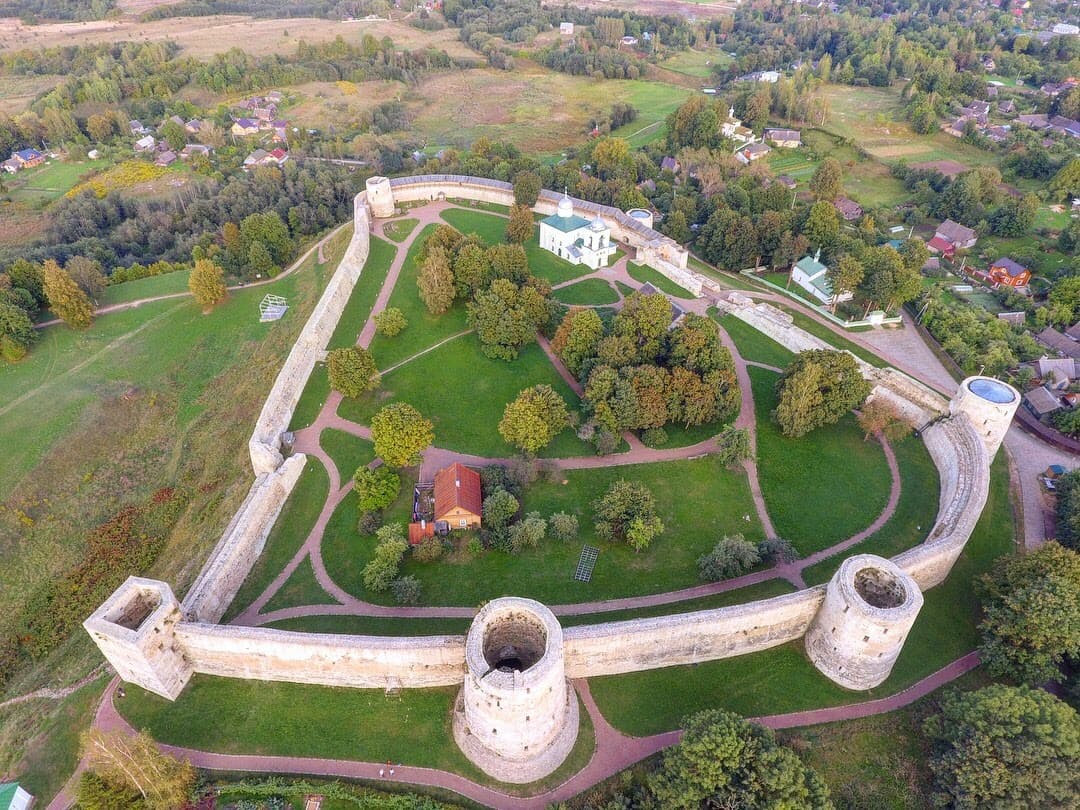
Following the Lukovka Tower, seven additional stone towers were constructed, connected by a new stone curtain wall that replaced the earlier wooden defenses. This comprehensive stone fortification system exemplifies the late medieval military architecture in the region, designed to withstand sieges and assaults.
Architectural features and layout
The fortress's design reflects a bastioned fortress typology, characterized by multiple stone towers integrated into thick defensive walls. The Lukovka Tower served initially as a watchtower before becoming part of the broader defensive network. The fortress also contains a 16th-century Nativity Church within its walls, illustrating the integration of religious structures in military complexes of the period.
Near the fortress lies a museum dedicated to stone crosses, highlighting the cultural and religious heritage of the region.
Military history and strategic importance
Throughout the 16th century, Izborsk remained a smaller yet strategically crucial fortress guarding Russia's northwestern borders. It was considered impregnable, a reputation challenged dramatically in 1569 when a small Lithuanian regiment seized it under suspicious circumstances. The capture was facilitated by Teterin, a Russian defector disguised as an oprichnik, who ordered the gates to be opened under false pretenses.
This event deeply alarmed Ivan the Terrible, who quickly retook the fortress but responded with severe reprisals against suspected conspirators. The incident exacerbated Ivan's paranoia and distrust towards the administration of nearby cities such as Novgorod and Pskov.
Modern history and territorial changes
Following the Treaty of Tartu in 1920, Izborsk became part of Estonia, a status it maintained until early 1945. After World War II, with both Russia and Estonia incorporated into the Soviet Union, the border was shifted westwards, returning Izborsk to the Russian Soviet Federative Socialist Republic. Today, it remains within the Russian Federation, preserving its historical legacy as a vital medieval fortress.
Preservation and visitor information
Izborsk Fortress is well preserved and accessible to visitors interested in medieval Russian military architecture and history. Its combination of ancient stone towers, walls, and religious buildings provides a comprehensive glimpse into the defensive strategies and cultural life of the late medieval period in this region.
Frequently asked questions (FAQ)
- How do I get to Izborsk Fortress?
- Izborsk Fortress is located in the small town of Izborsk, which is approximately 30 kilometers southwest of Pskov. You can reach the fortress by car or public transport, with buses running from Pskov to Izborsk several times a day. It is advisable to check the local bus schedules ahead of your visit.
- What is the historical significance of Izborsk Fortress?
- Izborsk Fortress is one of the oldest fortifications in Russia, dating back to the 14th century. It played a crucial role in protecting the region from invasions and has witnessed numerous historical events over the centuries. Today, it stands as a symbol of Russian heritage and resilience.
- When was Izborsk Fortress built?
- Construction of Izborsk Fortress began in 1330 and continued over several decades, with various expansions and modifications. The fortress was strategically built to defend the Pskov region and has maintained its historical architecture through the years. It is an excellent example of medieval Russian military architecture.
- Can I enter Izborsk Fortress during my visit?
- Yes, visitors can enter Izborsk Fortress and explore its towers and walls. There are designated paths and areas where you can walk and enjoy the views from the fortress. It is advisable to check for any guided tours or informational materials available on-site to enhance your visit.
- Why is Izborsk Fortress considered an architectural marvel?
- Izborsk Fortress is renowned for its impressive stone walls, towers, and unique architectural elements that reflect medieval military design. The fortress showcases a blend of Russian and European architectural styles, making it a significant point of interest for history and architecture enthusiasts. Its strategic layout and robust construction have allowed it to withstand the test of time.
- Is it possible to visit Izborsk Fortress year-round?
- Yes, Izborsk Fortress is open to visitors throughout the year, although opening hours may vary by season. During the winter months, some areas may be less accessible due to weather conditions. It is recommended to check the official website or local resources for the most up-to-date information regarding opening hours before your visit.
- What are the ticket prices for entering Izborsk Fortress?
- The ticket prices for Izborsk Fortress are quite affordable, typically ranging from 100 to 300 rubles for adults, with discounts for students and children. Group rates may also be available, making it an excellent option for school trips or family outings. It's best to check the current ticket rates before your visit, as they may change seasonally.
- What is the best time to visit Izborsk Fortress?
- The best time to visit Izborsk Fortress is during the late spring and early autumn months, from May to September, when the weather is mild and pleasant. This period allows for comfortable outdoor exploration of the fortress and its surroundings. Additionally, many cultural events and festivals are held during these months, enhancing the visitor experience.
- Are there any nearby attractions to visit after Izborsk Fortress?
- Yes, there are several nearby attractions to explore after visiting Izborsk Fortress. The scenic Lake Izborsk, known for its natural beauty, is a short distance away, as well as the ancient Izborsk village, which features traditional wooden architecture and local museums. These sites offer a glimpse into the region's rich history and culture.
Photo gallery

Information
Loading map...
Visitor reviews
No reviews yet. Been here? Write the first review and help other travelers!
Write the first reviewVisited this castle? Share your experience
Your review helps other travelers and adds first-hand knowledge to our encyclopedia.