Prozor Castle
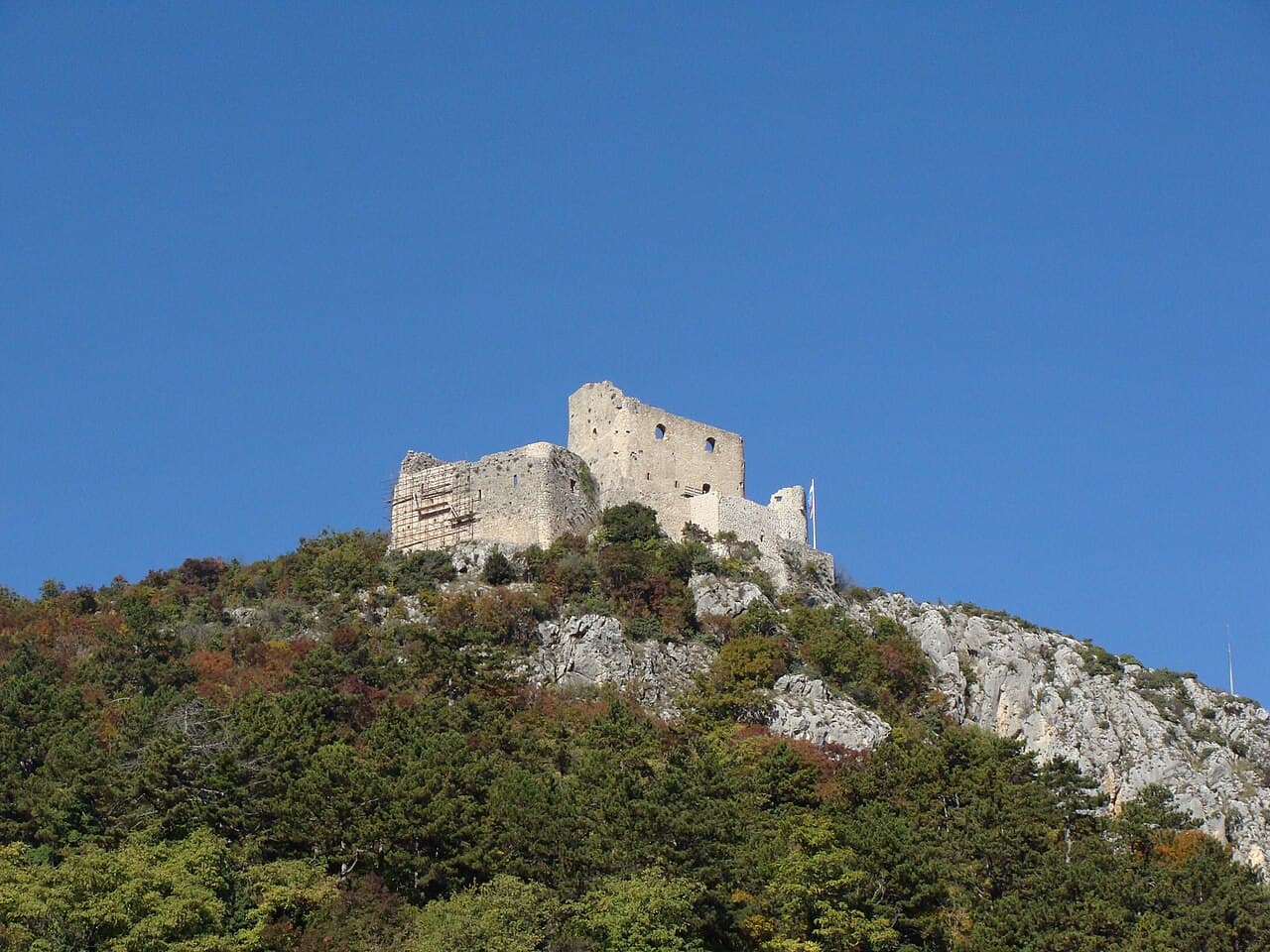
Prozor Castle, locally known as Tvrđava Prozor, stands prominently above the town of Vrlika in the Split-Dalmatia region of Croatia. This late medieval fortress occupies a commanding position on an isolated rock detached from the cliffs of the Svilaja mountain range, towering some 200 meters above the town. Its strategic location allowed it to oversee and defend the Vrlika valley and surrounding territories, playing a crucial role in the defense against Ottoman expansion during the turbulent centuries of the 15th to 17th centuries.
The site of Prozor Castle has a history that predates the present structure. Archaeological and historical evidence suggests that a smaller fortification existed here before the current castle was built, possibly founded by the Illyrian tribe of the Dalmatae well before Roman times. This earlier stronghold laid the groundwork for the later medieval fortress that would emerge as a key defensive bastion in the region.
Early history and medieval origins
The fortress was first documented in 1406 under the name Castrum Werhlychky. It was gifted by Ladislaus of Naples, who was King of Naples, Hungary, and Croatia, to his deputy Hrvoje Vukčić Hrvatinić, one of the most powerful Bosnian noblemen of his era. Hrvoje undertook significant expansion and fortification of the castle, transforming it into a formidable stronghold capable of resisting Ottoman incursions. It was during his tenure that the castle acquired the name Prozor, meaning "window" in Croatian, likely referring to its panoramic vantage point over the valley below.
Following Hrvoje's death in 1416, ownership passed to Ivaniš Nelipić, a prominent Croatian nobleman. Upon Ivaniš's death in 1435, the fortress passed through marriage to the influential Frankopan family, marking the beginning of a period of contested possession. The castle's control shifted among various noble families and political entities, reflecting the complex feudal dynamics of the Kingdom of Croatia during the late medieval period.
Strategic role in croatian-ottoman conflicts
Prozor Castle formed part of a defensive network alongside the castles of Glavaš and Potravnik, which collectively guarded the southern frontier of the Kingdom of Croatia. This chain of fortifications was vital in resisting the advancing Ottoman Empire during the Hundred Years' Croatian-Ottoman War.
In 1522, the castle fell to the Ottomans during a significant siege. The capture was marked by a brutal massacre of the local inhabitants who had sought refuge within the fortress walls, while the mercenary soldiers who surrendered were spared. The Ottomans maintained control of Prozor Castle until 1688, during which time the fortress served as a military outpost consolidating Ottoman influence in the region.
Fortress architecture and layout
Constructed on a rocky outcrop, Prozor Castle's design took advantage of the natural defensive features of the terrain. The fortress is dominated by a tall keep (donjon), which served as the last line of defense and residence for the lord or commander. Surrounding the keep is an open courtyard that once contained residential buildings and a chapel, reflecting the castle's dual military and domestic functions.
The courtyard was protected by lower ramparts and a round tower, enhancing the defensive perimeter. A drawbridge once provided controlled access to the keep, emphasizing the castle's fortified nature. Additionally, a water tank within the complex ensured a supply of water during sieges, a critical feature for prolonged defense.
Later history and decline
After the Ottoman retreat in 1688, Prozor Castle passed into the hands of the Republic of Venice, and later the Austrian Empire. Under Austrian rule, the fortress lost its strategic importance and gradually fell into disrepair. Some sources indicate that the castle was already in ruins by 1715. The region briefly came under French control from 1805 to 1813 before reverting to Austrian administration until the end of World War I.
Today, Prozor Castle remains a partially restored ruin. Its remnants include the keep, sections of stone walls, the chapel foundations, and other structural elements that hint at its former grandeur. The castle is freely accessible to visitors, who can reach it by a trail starting near the Roman Catholic parish church in Vrlika, involving a short drive and a 25-minute walk.
Cultural significance and tourism
Prozor Castle is not only a monument to the turbulent medieval history of Croatia but also a symbol of resilience against foreign invasions. Its commanding position and historical narrative attract visitors interested in medieval architecture, Croatian history, and the legacy of the Ottoman wars in Europe.
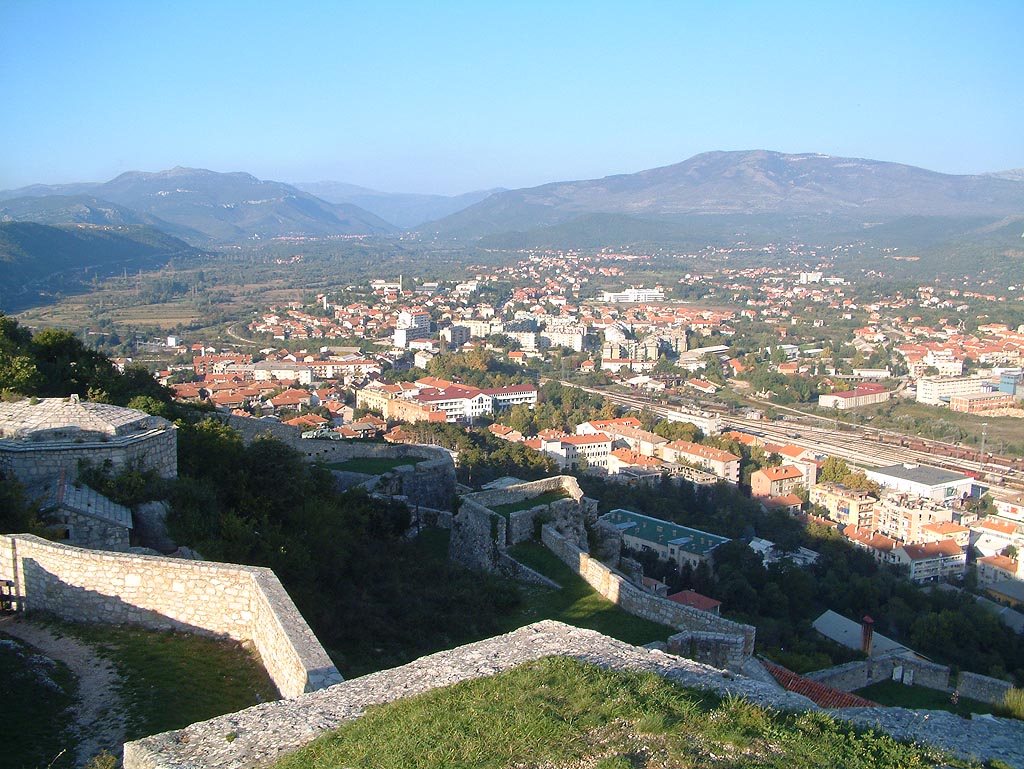
The castle's ruins offer panoramic views of the Vrlika valley and the surrounding mountain ranges, making it a favored destination for hikers and history enthusiasts. Efforts to preserve and partially restore the fortress have helped maintain its status as an important cultural heritage site in the Split-Dalmatia region.
Visitor information
- The castle is open year-round with free admission.
- Access involves a short drive from Vrlika town center followed by a moderate hike.
- Visitors should wear suitable footwear due to the uneven terrain and rocky paths.
- Nearby attractions include the town of Vrlika, the Cetina river spring, and the Dinara mountain.
Prozor Castle remains a poignant reminder of Croatia's medieval past and its strategic importance in the defense of the region. Its ruins stand as a testament to centuries of conflict, noble lineage, and architectural adaptation to the demands of warfare and residence.
Frequently asked questions (FAQ)
- How do I get to Prozor Castle?
- Prozor Castle is located in Vrlika, Croatia, and can be accessed by car or public transport. The nearest major city is Split, which is approximately 70 kilometers away, making it a convenient day trip for visitors. There are local buses that connect Split to Vrlika, and from there, you can reach the castle on foot.
- What is the historical significance of Prozor Castle?
- Prozor Castle, built in the 15th century, played an important role in the defense against Ottoman invasions in Croatia. It served as a strategic fortification for local nobility and has witnessed many historical events over the centuries. Today, it stands as a testament to Croatia's rich history and architectural heritage.
- When was Prozor Castle built?
- Prozor Castle was constructed in the 15th century, specifically around the year 1542. Its design reflects the architectural styles of the time, incorporating both defensive and residential features. This historical structure has been well-preserved and offers insight into the medieval period in Croatia.
- Can I visit Prozor Castle year-round?
- Yes, Prozor Castle is open to visitors year-round, but it's advisable to check for any seasonal hours or special events before planning your visit. The castle offers guided tours that provide valuable information about its history and architecture. However, accessibility may vary during winter months due to weather conditions.
- Why is Prozor Castle a popular tourist attraction?
- Prozor Castle attracts visitors due to its stunning architecture, rich history, and picturesque location overlooking the Cetina River valley. The castle not only provides a glimpse into Croatia's past but also offers breathtaking views of the surrounding landscape, making it a favorite spot for photographers and history enthusiasts alike. Additionally, its proximity to other attractions in the region enhances its appeal.
- Is it possible to enter the castle during my visit?
- Yes, visitors can enter Prozor Castle and explore its various rooms and towers. Guided tours are available, providing insights into the castle's history and architecture. Visitors are encouraged to take their time and enjoy the scenic views from the castle's vantage points.
- What are the opening hours for Prozor Castle?
- Prozor Castle typically opens at 9:00 AM and closes at 5:00 PM, but hours may vary during the off-peak season or holidays. It is recommended to check the official website or local tourism information for the most accurate and updated hours before your visit. Planning ahead will ensure you have enough time to explore the castle and its surroundings.
- Are there any nearby attractions to visit?
- Yes, there are several nearby attractions to Prozor Castle, including the beautiful Cetina River, which is perfect for outdoor activities like hiking and rafting. Visitors can also explore the nearby town of Vrlika, known for its charming streets and local cuisine. Additionally, the stunning Krka National Park is just a short drive away, offering breathtaking waterfalls and nature trails.
- What are the ticket prices for Prozor Castle?
- Ticket prices for Prozor Castle are generally affordable, with discounts available for students and seniors. Entry fees help maintain the castle and fund preservation efforts. It is advisable to check the official website for the latest pricing and any special offers before your visit.
Photo gallery

Loading map...
Visitor reviews
No reviews yet. Been here? Write the first review and help other travelers!
Write the first reviewVisited this castle? Share your experience
Your review helps other travelers and adds first-hand knowledge to our encyclopedia.