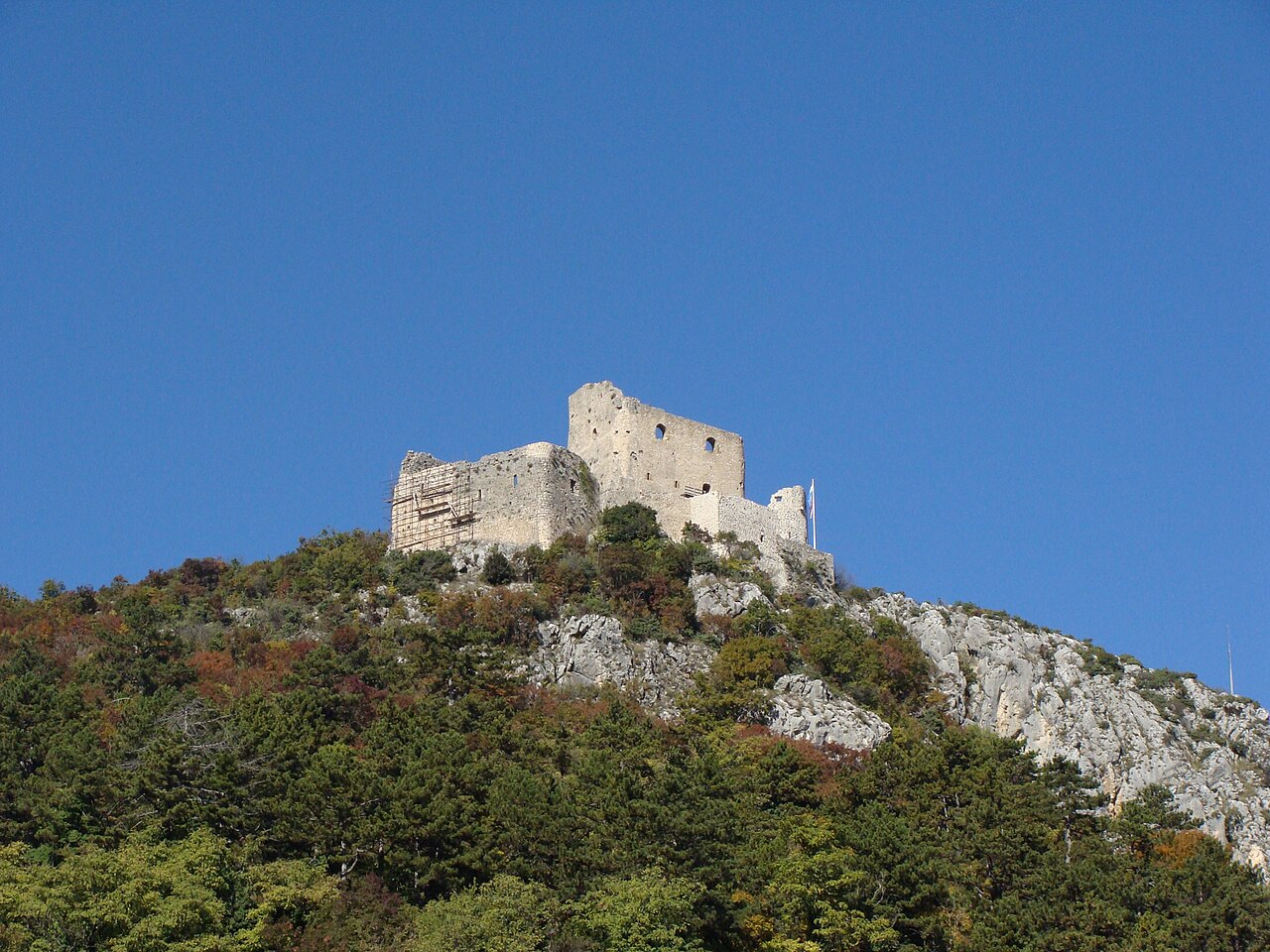
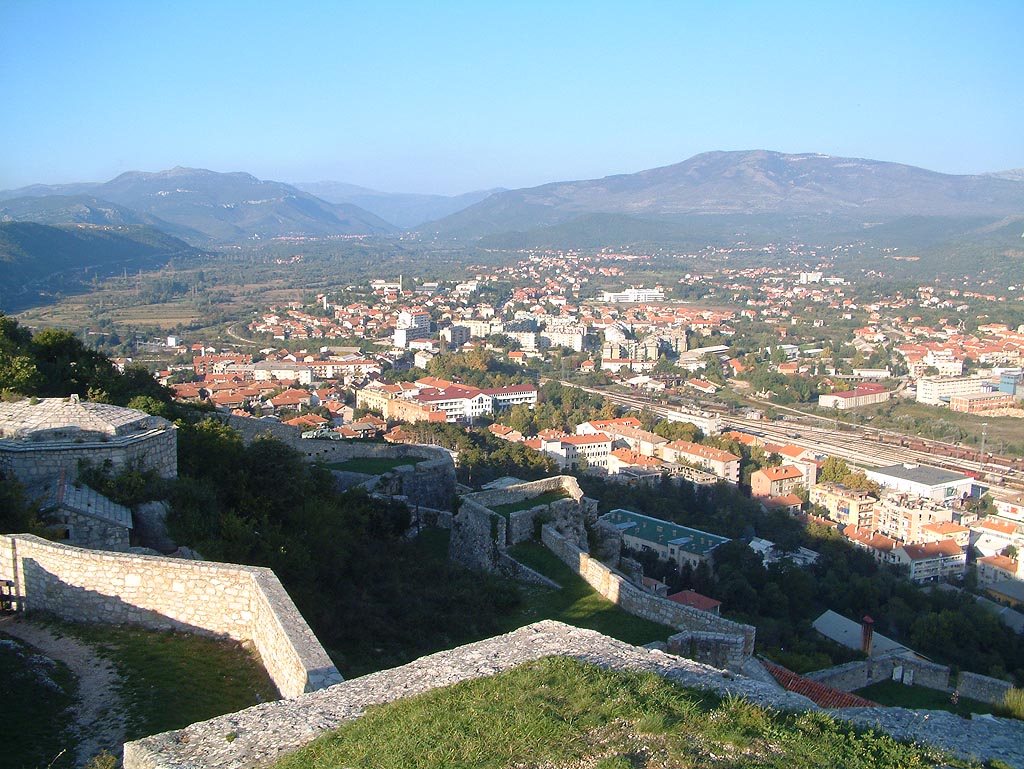
Glavaš Castle, also historically known as the fortress of Dinarić, is a significant late-medieval stronghold located near the village of Validžići, close to Kijevo in the Šibenik-Knin County of Croatia. This castle is perched on the slopes of the Dinara Mountain, a strategic position that underscored its importance during the turbulent times of the 15th and 16th centuries when the Kingdom of Croatia faced the expanding threat of the Ottoman Empire.
Constructed in the 15th century, Glavaš Castle was likely established by the noble Nelipić family as part of a defensive network designed to protect southern Croatia. The castle formed a crucial link in a chain of fortifications that included Prozor Castle and Potravnik Castle, all intended to slow or deter Ottoman advances into Croatian territory.
Historical context and ownership
The early history of Glavaš Castle is closely tied to the fate of the Nelipić family, a powerful Croatian noble lineage that played a pivotal role in the region's defense. After the Nelipić family line ended in 1434, the castle was transferred by King Sigismund of Luxembourg, who ruled over Hungary and Croatia, to the Croatian noble family Talovac. Over the following decades, the castle changed hands among several Croatian noble families, reflecting the complex feudal and political dynamics of the time.
In 1522, the castle fell to the Ottoman Empire, marking a significant shift in regional control. The Ottomans maintained possession of Glavaš Castle for nearly two centuries, using it as a military outpost until their defeat in 1718, after which the castle was abandoned and gradually fell into ruin. This abandonment marked the end of its strategic military importance in the region.
Architectural features and strategic importance
While detailed architectural records of Glavaš Castle are scarce, its location on the slope of Dinara Mountain suggests it was designed to take advantage of natural defensive features. The castle was part of a small but vital defensive chain that helped protect the southern borders of the Kingdom of Croatia from Ottoman incursions.
Typically, castles of this period and region featured stone walls, towers for surveillance and defense, and possibly a keep or donjon as a last line of defense. The castle's elevated position would have provided commanding views of the surrounding landscape, enabling early warning of approaching forces.
Connection with nearby fortifications
Glavaš Castle's role as part of a defensive network alongside Prozor and Potravnik Castles highlights its strategic function. These fortresses collectively formed a barrier against Ottoman expansion, signaling the importance of coordinated defense in the medieval Croatian frontier.
Current condition and visitor information
Today, Glavaš Castle stands as a ruined fortress, freely accessible to visitors who are willing to undertake a short hike uphill from the nearest road. The ruins offer a glimpse into the region's medieval past and the defensive efforts against Ottoman incursions.
Although much of the original structure has not survived intact, the site remains a valuable cultural and historical landmark. Visitors can explore the remains of the castle's walls and foundations while enjoying the natural beauty of the surrounding Dinara Mountain region.
Visitor tips
- Wear sturdy footwear suitable for hiking, as the path to the castle involves an uphill trek.
- Visit during daylight hours to fully appreciate the views and the ruins.
- Combine a visit to Glavaš Castle with nearby historical sites such as Prozor Castle for a broader understanding of the area's medieval defensive network.
Cultural and historical significance
Glavaš Castle exemplifies the challenges faced by the Kingdom of Croatia during the late medieval period, particularly in resisting Ottoman expansion. Its history reflects the shifting political landscape of the region, marked by noble family rivalries, royal interventions, and the eventual Ottoman conquest.
The castle's enduring legacy lies in its representation of Croatian medieval fortification architecture and its role as a symbol of resistance and strategic defense. Despite its ruined state, Glavaš Castle continues to attract historians, archaeologists, and visitors interested in the military and cultural history of Croatia.
Frequently asked questions (FAQ)
- How do I get to Glavaš Castle?
- Glavaš Castle is located in Kijevo, Croatia, and is accessible by car. The nearest major city is Split, which is about an hour's drive away. Public transport options may be limited, so consider renting a car for convenience.
- What is the historical significance of Glavaš Castle?
- Glavaš Castle dates back to the late Middle Ages and played a vital role in the defense of the region. It is a symbol of local heritage and reflects the architectural styles of its time, showcasing the history of feudal lords in Croatia. The castle's ruins offer a glimpse into the past and attract history enthusiasts.
- When was Glavaš Castle built?
- Glavaš Castle was constructed in the 15th century, primarily as a defensive structure. Over the centuries, it has undergone various modifications and restorations, which highlight the architectural evolution of the period. Today, it stands as a testament to the historical importance of the area.
- Can I visit Glavaš Castle year-round?
- Yes, Glavaš Castle is open to visitors throughout the year. However, it is advisable to check local weather conditions and any seasonal maintenance that may affect accessibility. The best experience is usually during the spring and early autumn when the weather is most pleasant.
- Why is Glavaš Castle popular among tourists?
- Glavaš Castle attracts visitors due to its rich history, stunning architecture, and picturesque surroundings. The castle offers a unique opportunity to explore Croatia's medieval past while enjoying beautiful views of the landscape. Additionally, its relatively remote location provides a peaceful atmosphere away from crowded tourist spots.
- Is it possible to explore the interiors of Glavaš Castle?
- Currently, access to the interiors of Glavaš Castle is limited due to safety concerns regarding the structural integrity of the ruins. Visitors can explore the surrounding grounds and appreciate the exterior architecture. Guided tours may be available, providing insights into the castle's history and significance.
- What are the opening hours for Glavaš Castle?
- Glavaš Castle typically opens at 9 AM and closes at sunset, allowing visitors to enjoy the site during daylight hours. However, opening hours may vary seasonally, so it's recommended to check in advance before your visit. Special events may also influence the schedule.
- Are there any nearby attractions to visit after Glavaš Castle?
- Yes, there are several nearby attractions worth exploring, including the charming village of Kijevo and the scenic natural parks in the region. Local hiking trails offer opportunities for outdoor activities and breathtaking views. Consider making a day trip to fully enjoy the area's beauty and history.
- What are the ticket prices for visiting Glavaš Castle?
- Admission to Glavaš Castle is generally free, but donations are appreciated to support maintenance efforts. Some guided tours may have a nominal fee associated with them. It's best to check for any updates or special events that might require a ticket before your visit.
Information
Loading map...
Visitor reviews
No reviews yet. Been here? Write the first review and help other travelers!
Write the first reviewVisited this castle? Share your experience
Your review helps other travelers and adds first-hand knowledge to our encyclopedia.