Vorotnaberd
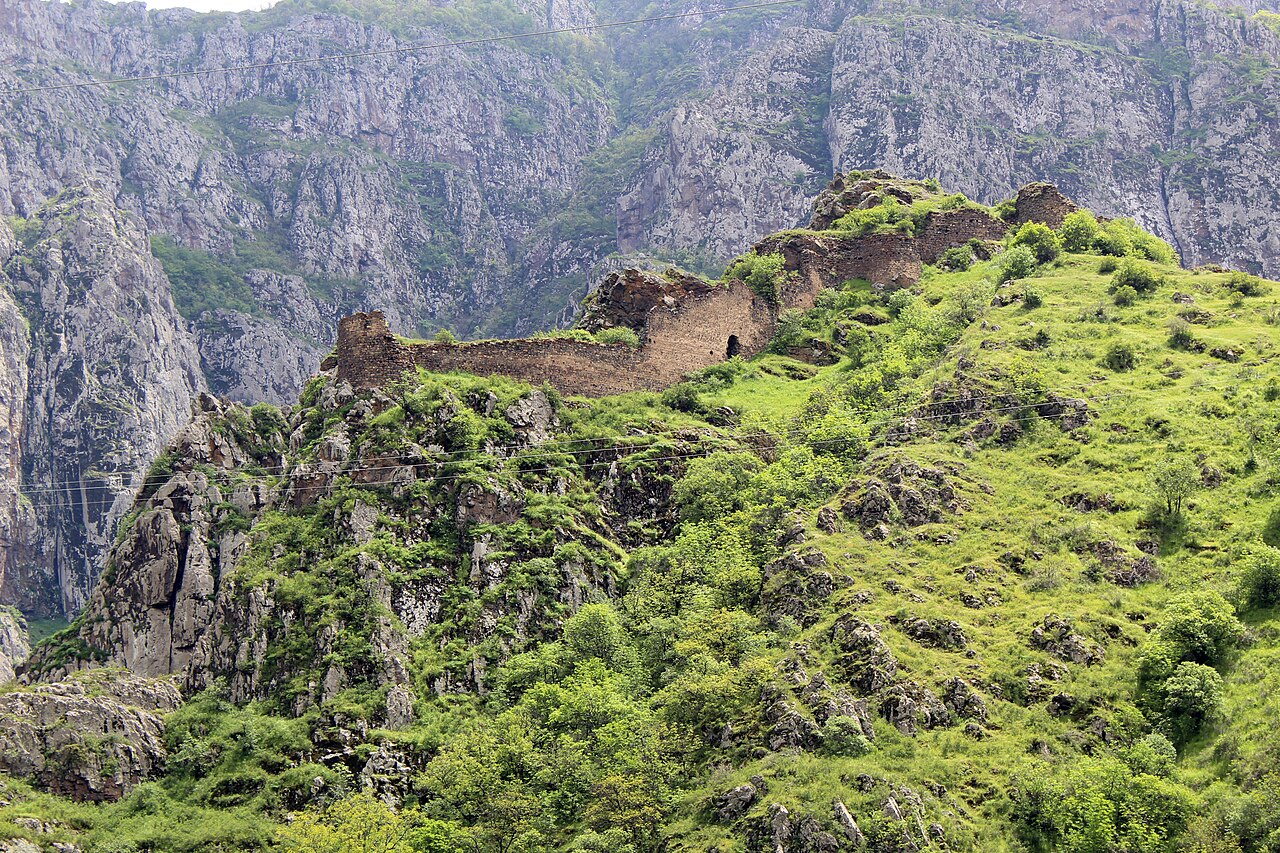
Vorotnaberd, also known as Davit Bek's Castle, is a significant early medieval bastioned fortress located in the Syunik Province of Armenia. Perched at an altitude of 1,365 metres (4,478 feet) above sea level, it commands a strategic position on a ridge overlooking the Vorotan gorge, between the villages of Vaghatin and Vorotan. This fortress exemplifies the military architecture of its time and has played a key role in the region's defense throughout history.
Historical significance and origins
Vorotnaberd dates back to the 5th century, placing it firmly within the early medieval period of Armenian history. It is believed to have been constructed as a defensive stronghold to protect the surrounding territories from invasions and raids. The fortress is associated with Davit Bek, a prominent Armenian military leader of the 18th century who led resistance efforts against Ottoman and Persian forces. Although the original construction predates his time by over a millennium, the castle's later association with Davit Bek highlights its continued strategic importance.
Architectural features and design
The fortress is classified as a bastioned fortress, a style characterized by projecting bastions that allowed defenders to cover adjacent walls with defensive fire. Vorotnaberd's design takes advantage of the natural topography, with its walls and bastions following the contours of the ridge and steep slopes of the gorge below. This positioning provided a formidable defense against attackers attempting to scale the heights.
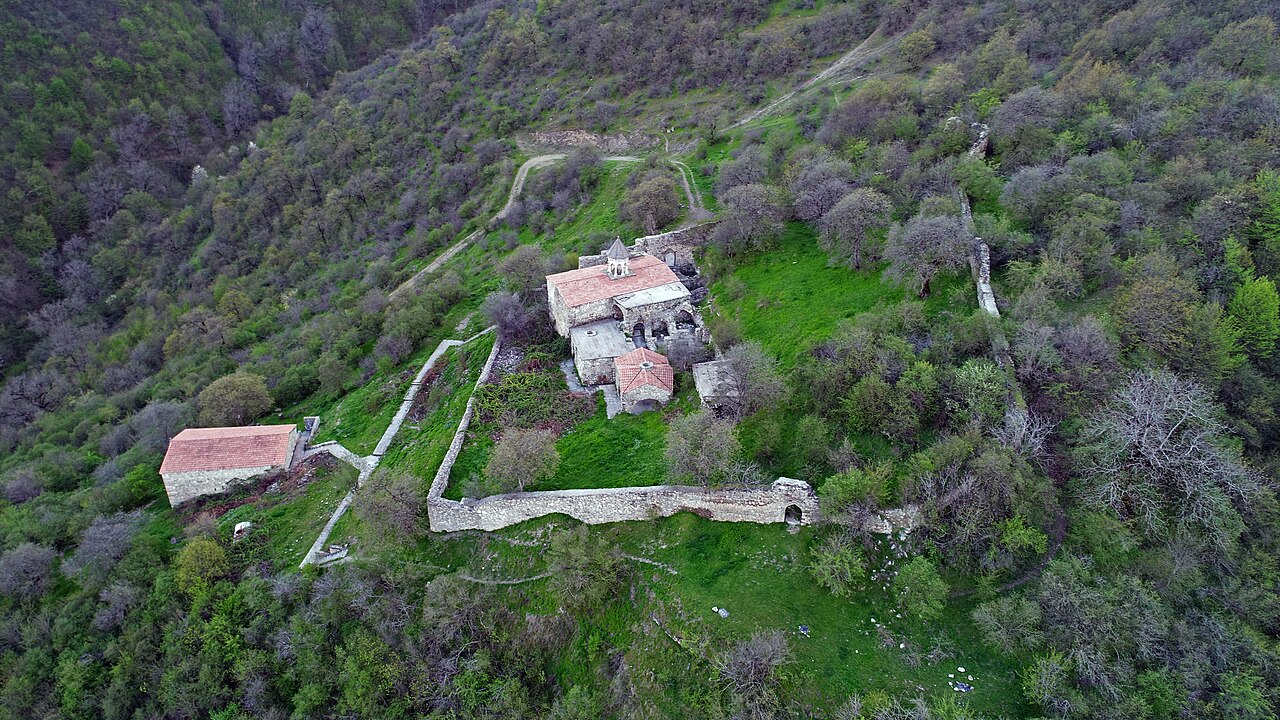
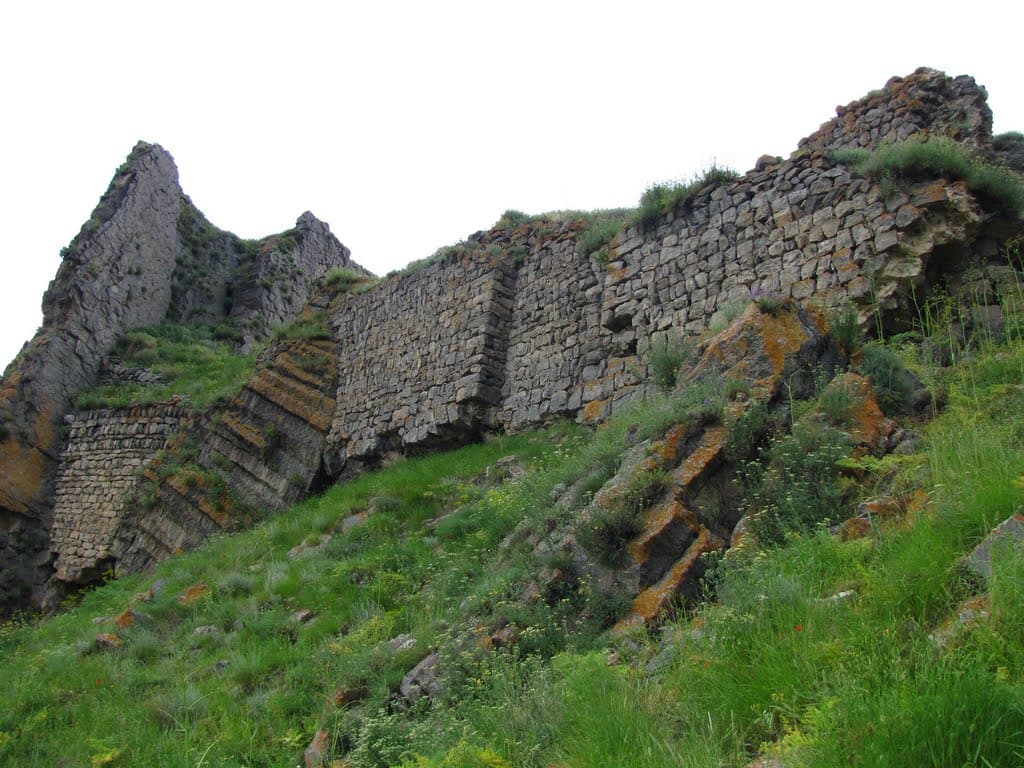
The fortress walls are constructed from locally sourced stone, typical of Armenian fortifications, and include thick ramparts and towers that would have housed guards and artillery. The entrance is fortified with a gatehouse designed to control access securely. Within the fortress, there are remnants of residential quarters, storage rooms, and possibly a chapel, indicating it was not only a military installation but also a place of refuge and habitation.
Defensive advantages
Vorotnaberd's location on a ridge above the Vorotan gorge gave it natural defenses, with steep cliffs making direct assault difficult. The bastions allowed crossfire coverage, reducing blind spots and increasing the fortress's ability to repel sieges. The elevation also provided excellent visibility over the surrounding landscape, enabling early detection of enemy movements.
Cultural and regional importance
The fortress holds cultural significance as a symbol of Armenian resilience and military ingenuity. It is part of the broader network of fortifications in the Syunik region, which historically was a contested borderland between various empires. Vorotnaberd's endurance through centuries reflects the turbulent history of Armenia and its strategic importance in the South Caucasus.
Current condition and accessibility
Today, Vorotnaberd stands as partially preserved ruins. While much of the fortress remains intact, some sections have deteriorated due to natural erosion and lack of comprehensive restoration. The site is accessible to visitors who wish to explore its historical remains and enjoy panoramic views of the Vorotan gorge. Its remote location means that access may require a hike, and visitors should be prepared for rugged terrain.
Visitor information
Though there are no formal facilities or guided tours regularly available, the fortress attracts history enthusiasts and hikers interested in Armenia's medieval heritage. The best time to visit is during the warmer months when the weather is favorable for outdoor exploration.
Frequently asked questions (FAQ)
- How do I get to Vorotnaberd fortress?
- Vorotnaberd is located between Vaghatin and Vorotan villages in Syunik Province, Armenia. Access typically requires a hike along mountain trails, so visitors should prepare for rugged terrain and check local conditions before traveling.
- What is the historical importance of Vorotnaberd?
- Vorotnaberd dates back to the 5th century and served as a strategic bastioned fortress protecting the region. It is linked to Davit Bek, an 18th-century Armenian military leader, symbolizing Armenian resistance against invading forces.
- Is Vorotnaberd fortress open to visitors?
- Yes, the fortress is accessible to visitors as partially preserved ruins. There are no formal visitor facilities, so it is recommended to visit during good weather and be prepared for hiking and exploring the site independently.
- What architectural features does Vorotnaberd have?
- Vorotnaberd features bastioned walls adapted to the ridge's natural contours, thick stone ramparts, defensive towers, and a fortified gatehouse. These elements reflect its design as a bastioned fortress optimized for defense.
Photo gallery

Information
Loading map...
Visitor reviews
No reviews yet. Been here? Write the first review and help other travelers!
Write the first reviewVisited this castle? Share your experience
Your review helps other travelers and adds first-hand knowledge to our encyclopedia.