Portuguese Castle
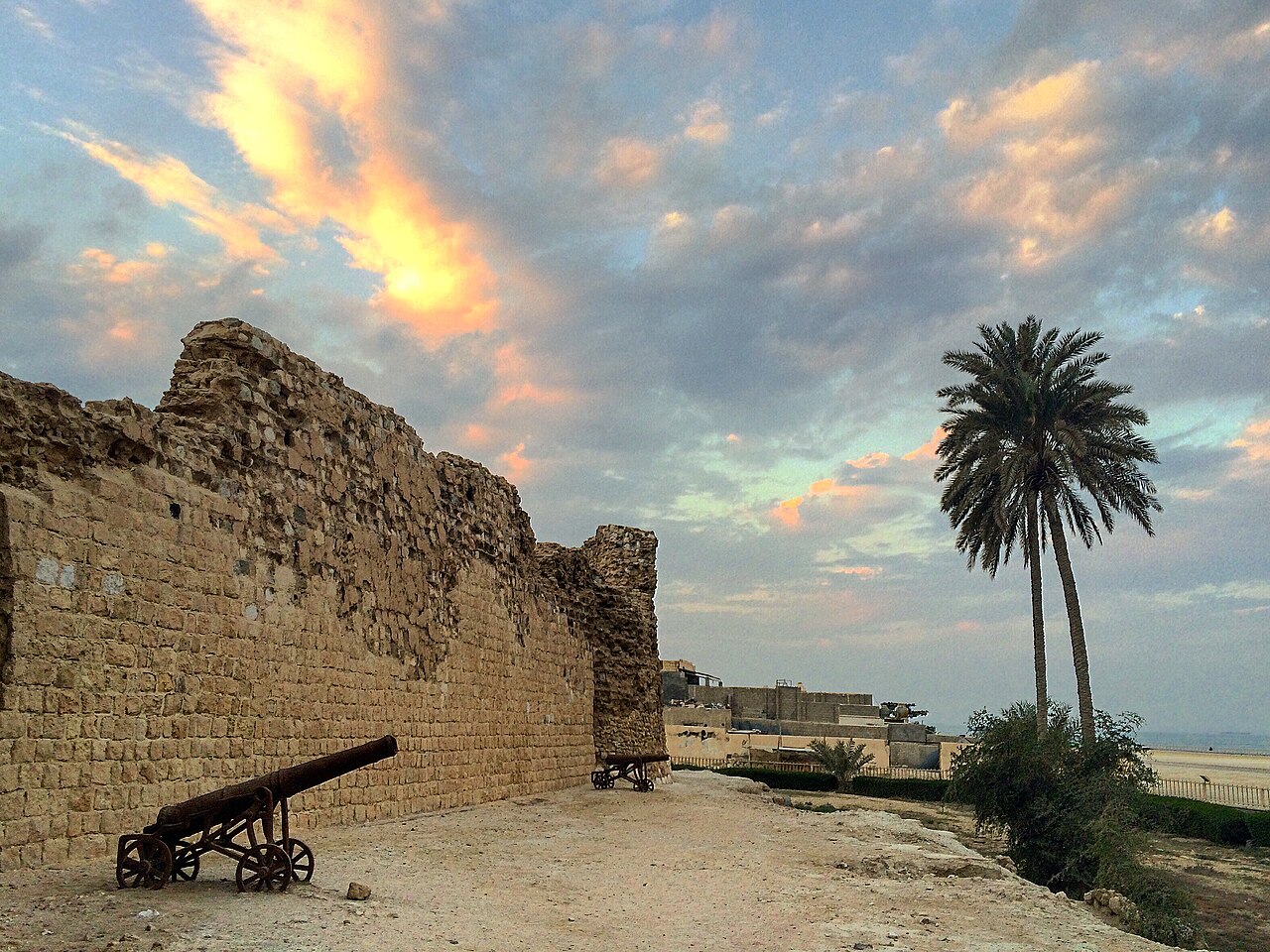
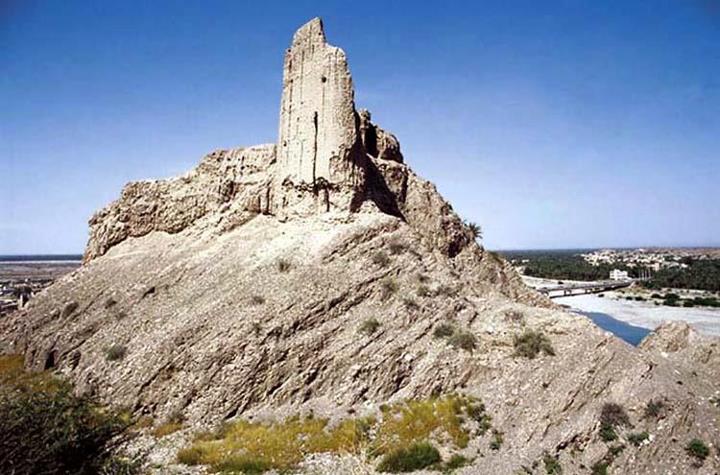
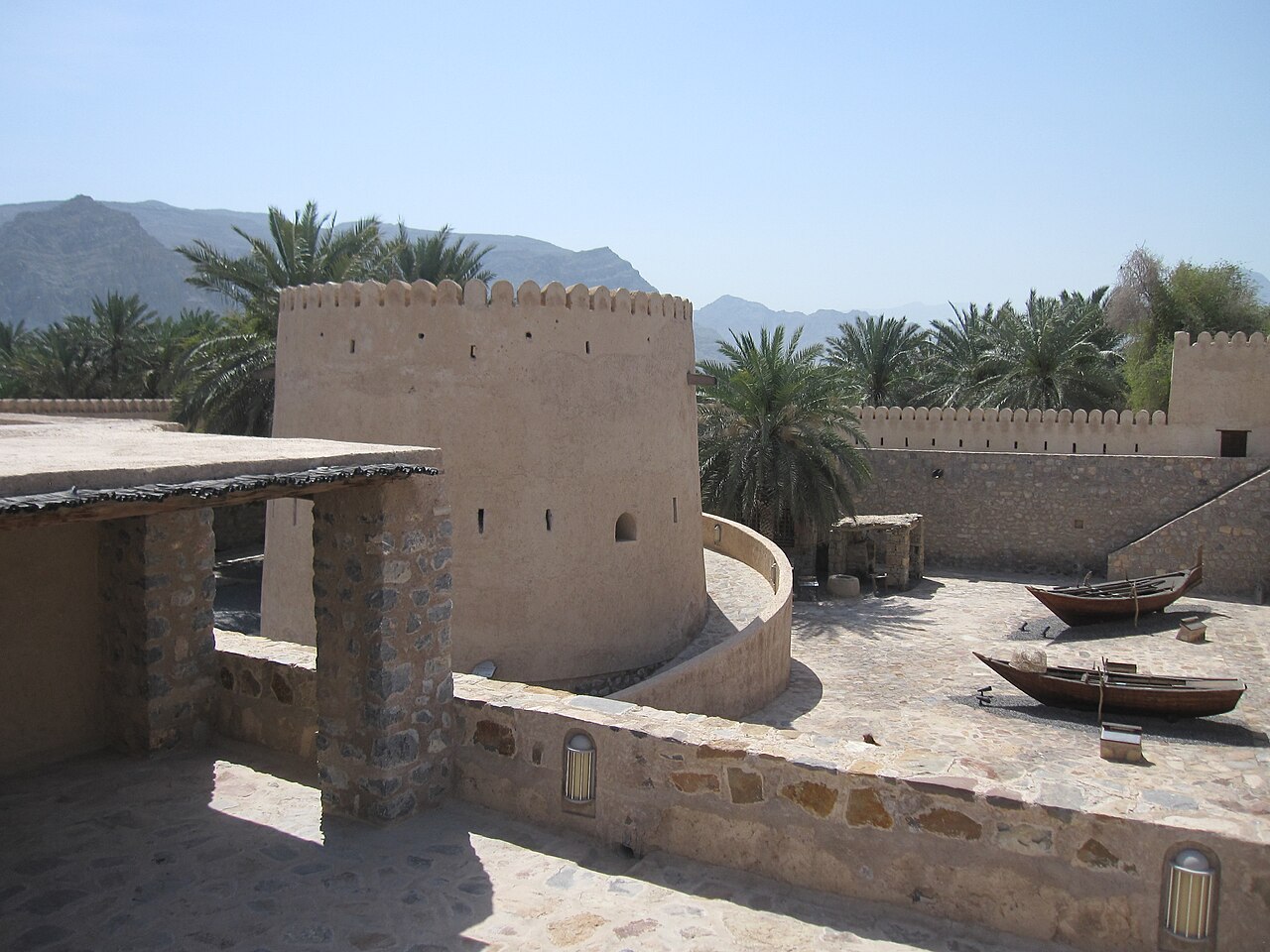
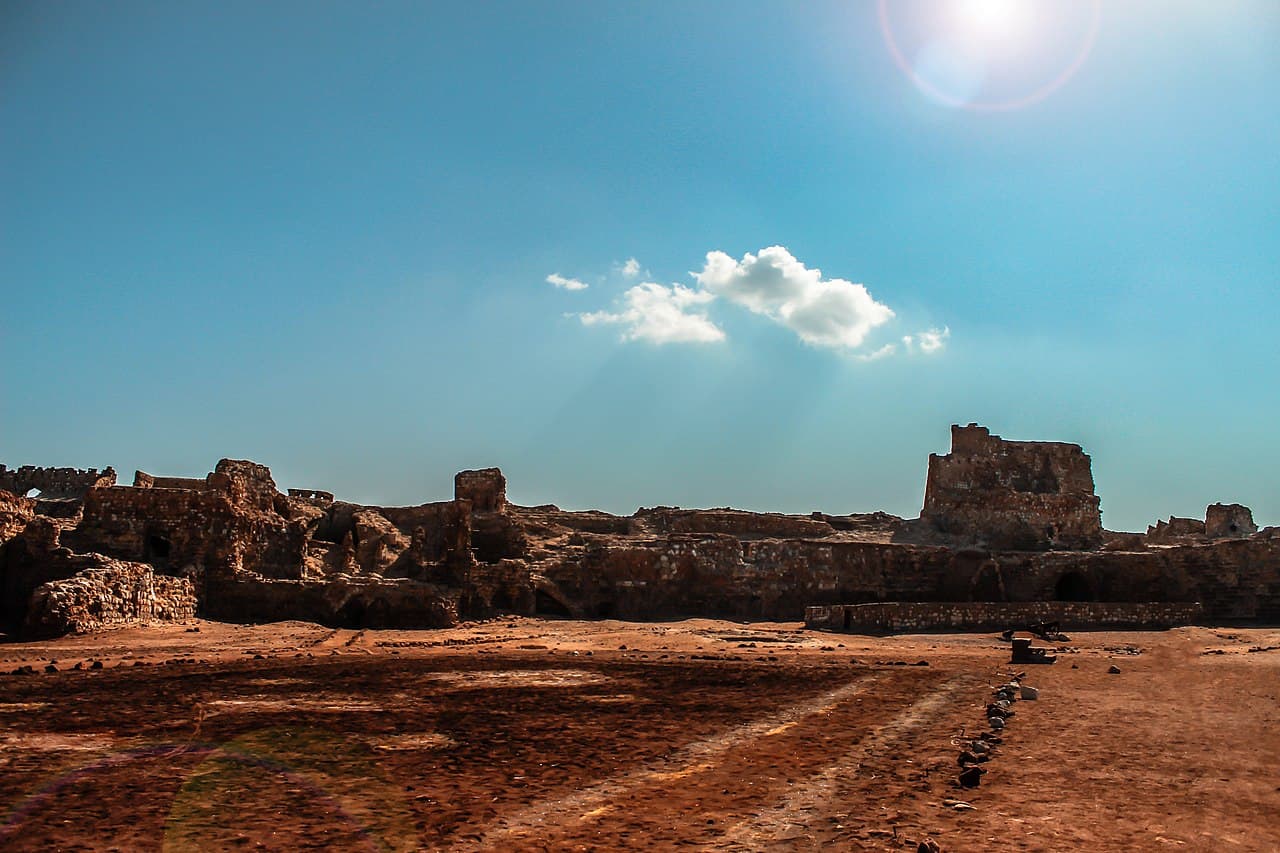
The Fort of Our Lady of the Conception, commonly known as the Portuguese Castle, stands as a significant historical monument on Hormuz Island in Iran. This 16th-century fortress is constructed from distinctive reddish stone and occupies a strategic rocky promontory at the northern tip of the island. It is one of the few remaining examples of Portuguese colonial military architecture in the Persian Gulf, symbolizing the era when European powers sought control over key maritime trade routes.
The fortress was built during the Renaissance period when the Portuguese established a network of fortifications to dominate the entrance to the Persian Gulf and protect their trading interests. The location of the castle on Hormuz Island was crucial, as the island controlled access to the Gulf and was near the vital shipping lanes connecting the Middle East with India and beyond.
Historical background of Hormuz and the Portuguese presence
The city of Ormuz (also spelled Hormuz) was originally situated on the mainland's northern shore of the Persian Gulf, approximately 30 miles east of present-day Bandar Abbas. Around the early 14th century, due to increasing threats from Tartar invasions and other regional conflicts, the inhabitants relocated the city to Gerun Island (modern Hormuz Island), a small island about 12 miles west and 5 miles off the coast. This move provided a more defensible position against attacks and allowed better control over maritime trade.
During the early 16th century, the Portuguese arrived in the region and recognized the strategic importance of Hormuz. In 1507, the Portuguese conquered the island and began fortifying it to secure their dominance over the Persian Gulf trade routes. The construction of the Fort of Our Lady of the Conception was part of this broader military and colonial effort.
Architecture and defensive features
The castle is built primarily of reddish stone quarried locally, which gives the fortress its distinctive color and blends it with the rocky landscape. It occupies a hilltop position that provided excellent vantage points for monitoring naval movements and defending against invaders.
Originally, the fortress was surrounded by a moat, traces of which remain visible today. This moat effectively isolated the castle from the rest of the island, enhancing its defensive capabilities. The outer walls of the castle are substantial, thick, and robust, designed to withstand cannon fire and sieges typical of the Renaissance military architecture.
While the roof structures have mostly collapsed over the centuries, much of the lower walls and the fortress's foundational elements remain intact. The castle's layout includes multiple levels and defensive terraces, which were used to station artillery and troops. The design reflects a blend of European fortification techniques adapted to the local environment and materials.
Significance and legacy
The Fort of Our Lady of the Conception is a rare surviving example of Portuguese colonial fortifications in the Middle East. It represents the broader history of European expansion and competition in the Indian Ocean and Persian Gulf during the 16th century. The castle's remains provide valuable insights into the military, architectural, and geopolitical strategies of the time.
Today, the fortress is a partially preserved ruin that attracts historians, archaeologists, and tourists interested in the region's colonial past. Its location on Hormuz Island also highlights the island's continuing importance as a cultural and historical landmark in Iran.
Visiting the Portuguese castle
Visitors to Hormuz Island can explore the castle ruins and observe the remnants of the moat and outer walls. The site offers panoramic views of the Persian Gulf and the surrounding landscape, emphasizing the strategic significance of the location. Preservation efforts focus on maintaining the existing structures and preventing further deterioration, allowing future generations to appreciate this unique piece of Renaissance military architecture in the region.
Frequently asked questions (FAQ)
- What is the historical significance of the Portuguese Castle on Hormuz Island?
- The Portuguese Castle, built in the 16th century, was a key fortress for Portuguese control over the Persian Gulf trade routes, reflecting European colonial ambitions in the region.
- Can I visit the Fort of Our Lady of the Conception today?
- Yes, the castle ruins on Hormuz Island are accessible to visitors who can explore the remaining walls and moat while enjoying views of the Persian Gulf.
- When was the Portuguese Castle constructed?
- The fortress was constructed in the 16th century during the Portuguese colonial period as part of their efforts to secure maritime dominance in the Persian Gulf.
- What architectural features are notable in the Portuguese Castle?
- Notable features include its reddish stone construction, substantial outer walls, remnants of a defensive moat, and a hilltop location providing strategic surveillance.
- Why was Hormuz Island important to the Portuguese?
- Hormuz Island controlled access to the Persian Gulf and vital maritime trade routes, making it a strategic military and commercial hub during the 16th century.
Photo gallery

Information
Loading map...
Visitor reviews
No reviews yet. Been here? Write the first review and help other travelers!
Write the first reviewVisited this castle? Share your experience
Your review helps other travelers and adds first-hand knowledge to our encyclopedia.