Hezareh Castle — Iran castle

Hezareh Castle

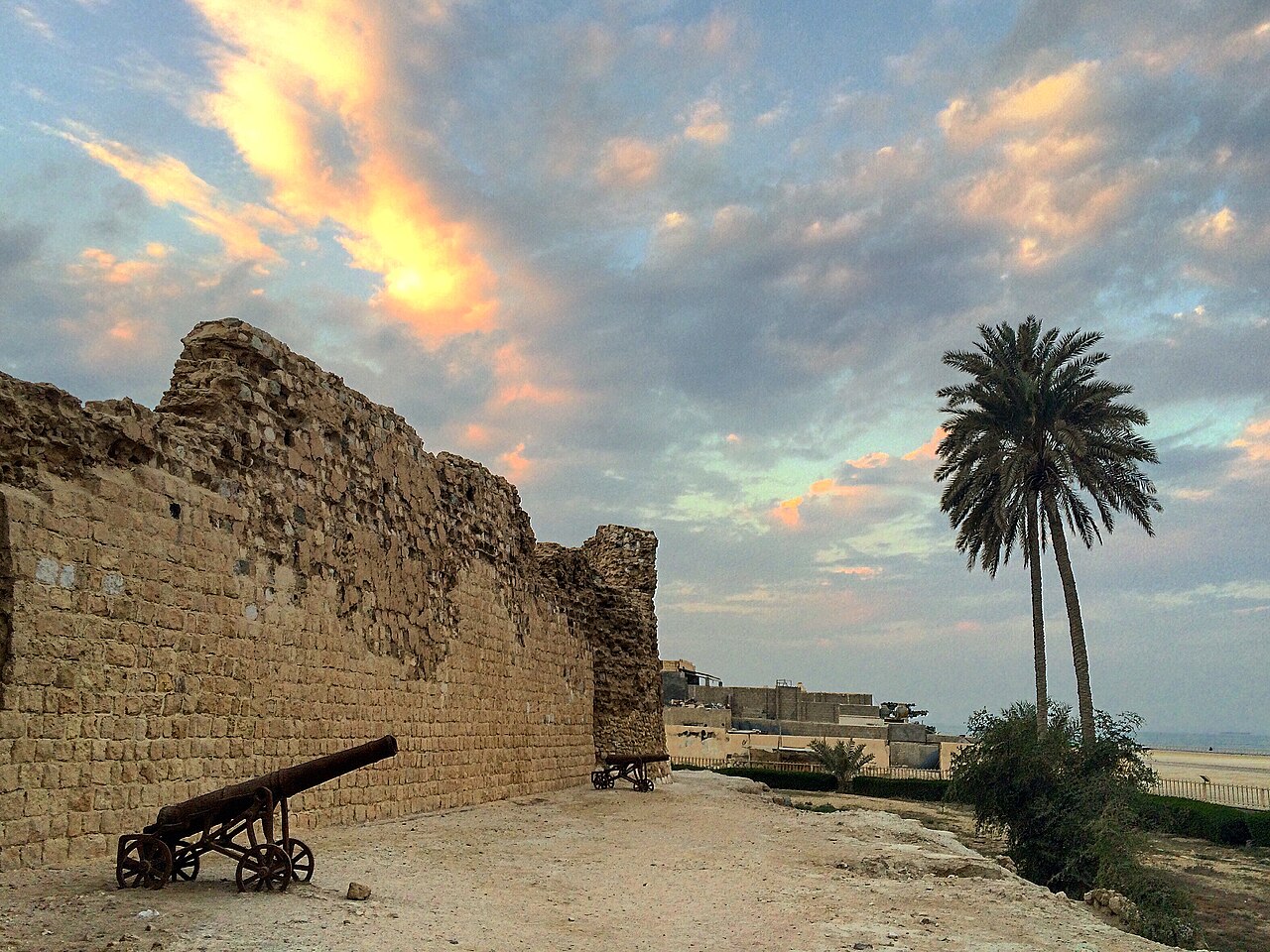
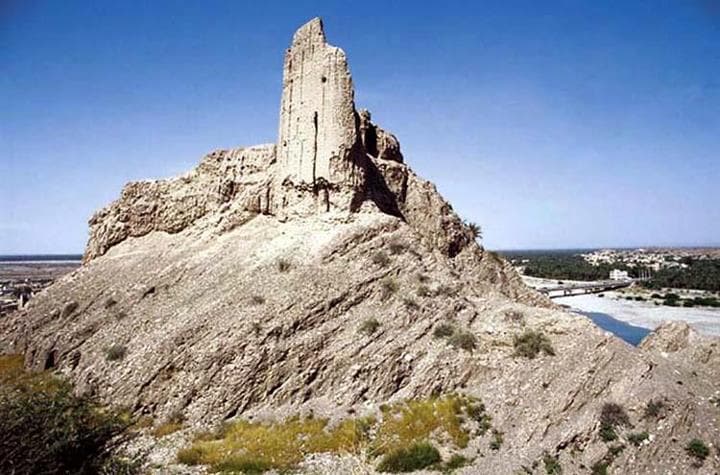
Hezareh castle in minab, iran
Minab, Iran
Early Medieval (5th–10th c.)
Partially Preserved

Hezareh Castle (Persian: قلعه هزاره) is an ancient hill castle located in Minab County within the Hormozgan Province of Iran. This historic fortress, constructed primarily from raw bricks and mud, dates back to the first millennium AD, representing a significant architectural and cultural landmark in the region.

Historical background and significance

The origins of Hezareh Castle trace back to the Achaemenid period, placing its initial construction within one of the most influential eras of ancient Persian history. The castle served important governmental and military functions for many centuries, continuing its role through to the Safavid period. This long span of use highlights the castle's strategic importance in controlling and defending the surrounding region.

Local tradition holds a fascinating legend that two sisters, Bibi Minu and Bibi Nazanin, were responsible for establishing the castle and the nearby city. While this narrative is part of regional folklore, it underscores the castle's cultural resonance among local inhabitants.

Architectural features and construction

Hezareh Castle is characterized by its construction using raw bricks and mud, typical of ancient Iranian fortifications adapted to the local climate and available materials. The castle's design reflects its primary function as a defensive military structure, with thick walls intended to withstand sieges and protect its occupants.

As a hill castle, it occupies an elevated position, providing commanding views over the surrounding landscape. This elevation was a tactical advantage, allowing defenders to monitor approaching threats and control important routes in the region.

Defensive elements

The castle likely featured battlements and watchtowers to enhance its defensive capabilities, although specific details about these features are limited. The use of mud-brick construction would have required regular maintenance but provided effective insulation against the harsh climate.

Historical uses and transformations

Throughout its long history, Hezareh Castle functioned as a military stronghold and an administrative center. Its use during the Achaemenid period suggests it was part of the extensive network of fortifications that secured the empire's territories.

During the Safavid era, the castle continued to serve governmental purposes, indicating its sustained strategic value. The Safavid dynasty was known for reinforcing and utilizing existing fortifications to maintain control over their domains, and Hezareh Castle was part of this defensive infrastructure.

Cultural and regional importance

Hezareh Castle holds cultural significance for the people of Minab and the broader Hormozgan region. The castle is intertwined with local legends and serves as a tangible link to the area's ancient past. Its enduring presence reflects the historical continuity of settlement and governance in this part of Iran.

Today, the castle stands as a valuable archaeological and historical site, attracting interest from scholars and visitors interested in Persian history and architecture.

Current condition and preservation

The castle's construction from mud-brick materials means it is vulnerable to erosion and weathering. While exact details on its current state are limited, it is generally considered to be in a partially preserved condition. Preservation efforts are important to maintain the structural integrity and historical value of this ancient fortress.

Visiting hezareh castle

Visitors to Hezareh Castle can explore the remains of this historic hill castle and gain insight into the architectural techniques and defensive strategies of ancient Iran. Its location in Minab makes it accessible for those interested in regional history and archaeology.

Exploring the castle offers a unique opportunity to connect with centuries of Persian history and appreciate the enduring legacy of fortification architecture in the Hormozgan Province.

Frequently asked questions (FAQ)

When was Hezareh Castle built?
Hezareh Castle dates back to the first millennium AD, originating in the Achaemenid period.
What materials were used to construct Hezareh Castle?
The castle was built primarily from raw bricks and mud, common materials for ancient Iranian fortifications.
What was the primary purpose of Hezareh Castle?
Hezareh Castle served defensive and military functions as well as governmental purposes from the Achaemenid through the Safavid periods.
Where is Hezareh Castle located?
Hezareh Castle is located in Minab County, Hormozgan Province, Iran.
Is Hezareh Castle accessible to visitors?
The castle is accessible to visitors interested in exploring its historical ruins and learning about Persian fortification architecture.

Photo gallery

Hezareh Castle
Click to view

Photo by Majid765•CC BY-SA 3.0

1 photo • Click any image to view in full screen

Information

Hill Castle

Loading map...

Visitor reviews

No reviews yet. Been here? Write the first review and help other travelers!

Write the first review

Visited this castle? Share your experience

Your review helps other travelers and adds first-hand knowledge to our encyclopedia.
Write a review

(5/5)

0/2000 characters

Your review will be visible after admin approval

Nearby castles

62.2 km
Portuguese Castle — Iran castle

Portuguese Castle

, Iran

The Fort of Our Lady of the Conception, commonly known as the Portuguese Castle, stands as a significant historical monument on Hormuz Island in Iran. This 16th-century fortress is constructed from distinctive reddish stone and occupies a strategic rocky promontory at the northern tip of the island. It is one of the few remaining examples of Portuguese colonial military architecture in the Persian Gulf, symbolizing the era when European powers sought control over key maritime trade routes. The fortress was built during the Renaissance period when the Portuguese established a network of fortifications to dominate the entrance to the Persian Gulf and protect their trading interests. The location of the castle on Hormuz Island was crucial, as the island controlled access to the Gulf and was near the vital shipping lanes connecting the Middle East with India and beyond. Historical background of Hormuz and the Portuguese presence The city of Ormuz (also spelled Hormuz) was originally situated on the mainland's northern shore of the Persian Gulf, approximately 30 miles east of present-day Bandar Abbas. Around the early 14th century, due to increasing threats from Tartar invasions and other regional conflicts, the inhabitants relocated the city to Gerun Island (modern Hormuz Island), a small island about 12 miles west and 5 miles off the coast. This move provided a more defensible position against attacks and allowed better control over maritime trade. During the early 16th century, the Portuguese arrived in the region and recognized the strategic importance of Hormuz. In 1507, the Portuguese conquered the island and began fortifying it to secure their dominance over the Persian Gulf trade routes. The construction of the Fort of Our Lady of the Conception was part of this broader military and colonial effort. Architecture and defensive features The castle is built primarily of reddish stone quarried locally, which gives the fortress its distinctive color and blends it with the rocky landscape. It occupies a hilltop position that provided excellent vantage points for monitoring naval movements and defending against invaders. Originally, the fortress was surrounded by a moat, traces of which remain visible today. This moat effectively isolated the castle from the rest of the island, enhancing its defensive capabilities. The outer walls of the castle are substantial, thick, and robust, designed to withstand cannon fire and sieges typical of the Renaissance military architecture. While the roof structures have mostly collapsed over the centuries, much of the lower walls and the fortress's foundational elements remain intact. The castle's layout includes multiple levels and defensive terraces, which were used to station artillery and troops. The design reflects a blend of European fortification techniques adapted to the local environment and materials. Significance and legacy The Fort of Our Lady of the Conception is a rare surviving example of Portuguese colonial fortifications in the Middle East. It represents the broader history of European expansion and competition in the Indian Ocean and Persian Gulf during the 16th century. The castle's remains provide valuable insights into the military, architectural, and geopolitical strategies of the time. Today, the fortress is a partially preserved ruin that attracts historians, archaeologists, and tourists interested in the region's colonial past. Its location on Hormuz Island also highlights the island's continuing importance as a cultural and historical landmark in Iran. Visiting the Portuguese castle Visitors to Hormuz Island can explore the castle ruins and observe the remnants of the moat and outer walls. The site offers panoramic views of the Persian Gulf and the surrounding landscape, emphasizing the strategic significance of the location. Preservation efforts focus on maintaining the existing structures and preventing further deterioration, allowing future generations to appreciate this unique piece of Renaissance military architecture in the region.

Renaissance (15th–17th c.)
Details
82.1 km
Portuguese Castle (Qeshm) — Iran castle

Portuguese Castle (Qeshm)

Qeshm, Iran

The Portuguese castle of Qeshm is a prominent historical fortress located on Qeshm Island in the Persian Gulf, Iran. Constructed during the early 16th century, this castle exemplifies the military architecture employed by the Portuguese during their period of expansion and control over key maritime trade routes in the region. It is classified as a hill castle due to its strategic placement on elevated terrain, which provided commanding views over the surrounding waters and land, enabling effective defense and surveillance.Historical background and Portuguese presence in the Persian GulfThe castle was built by the Portuguese Empire during their occupation of parts of the Persian Gulf, which began in the early 1500s. The Portuguese sought to control the vital trade routes linking the East and the West, establishing fortresses along the coastline to secure their maritime dominance. The Qeshm castle was part of a network of fortifications including those on Hormuz and other strategic islands. It served both as a military stronghold and a base for naval operations.Construction of the castle is generally dated to around 1507, coinciding with the Portuguese conquest of Hormuz. The fortress was designed to withstand attacks from local forces and rival powers, featuring thick defensive walls and bastions adapted to the military technology of the time.Architectural features and designThe castle's architecture reflects typical 16th-century Portuguese military design adapted to the local environment. It consists of robust stone walls and bastions arranged to provide overlapping fields of fire. The layout includes a central courtyard surrounded by defensive structures, with provisions for housing soldiers, storing supplies, and mounting artillery.The castle's elevated position on a hill allowed for extensive visibility over the surrounding sea and land, crucial for early warning against approaching enemy ships or troops. Its walls are punctuated by arrow slits and cannon embrasures, demonstrating the adaptation to evolving artillery warfare.Defensive structuresThe fortress includes multiple bastions and ramparts designed to repel sieges and provide strong defensive positions. The walls are constructed from locally sourced stone, which has contributed to their endurance despite centuries of exposure to harsh coastal weather.Interior spacesInside, the castle contains remnants of living quarters, storage rooms, and a cistern system for collecting and storing water, essential for sustaining defenders during prolonged sieges. The central courtyard likely served as a mustering ground and a place for daily activities of the garrison.Strategic importance and legacyThe Portuguese castle of Qeshm was a key element in the Portuguese strategy to dominate the Persian Gulf and protect their maritime trade interests. Its position on Qeshm Island allowed control over the Strait of Hormuz, a critical chokepoint for regional and international shipping.Although the Portuguese eventually lost control of the region to local and Persian forces, the castle remains a significant historical monument. It illustrates the military and colonial ambitions of European powers in the early modern period and offers insight into the defensive architecture of the time.Current condition and tourismToday, the castle stands as a partially preserved ruin. While some sections of the walls and bastions remain intact, other parts have suffered from erosion and neglect. Efforts have been made to preserve and study the site due to its cultural and historical value.The castle is accessible to visitors interested in the history of the Persian Gulf and Portuguese colonial architecture. It provides a tangible connection to the region's complex past and the interplay of local and European influences.Visiting information and accessibilityVisitors to Qeshm Island can reach the castle via local transportation. The site is open for exploration, though facilities are limited. It is advisable to visit during cooler months due to the island's hot climate. Guided tours may be available to provide historical context and architectural insights.

Early Medieval (5th–10th c.)
Details
134.3 km
Khasab Castle — Oman castle

Khasab Castle

Khasab, Oman

Khasab Castle is a prominent example of a Portuguese bastioned fortress constructed in the early 17th century during the Renaissance period. Located in the quiet fishing town of Khasab in the Musandam Governorate of Oman, this castle stands as a testament to the strategic military architecture employed by the Portuguese during their expansion into the Arabian Peninsula. Historical background and strategic significance The castle was originally built by the Portuguese around the beginning of the 17th century, likely on the foundations of an earlier indigenous fortification. This earlier structure suggests the site had long been recognized for its strategic importance, controlling maritime routes through the Strait of Hormuz. The Portuguese aimed to secure their dominance over these crucial sea lanes by establishing fortified positions along the coast. Approximately 25 years after its construction, the Portuguese were expelled from Oman by local forces. Subsequently, the castle was taken over and modified by Omani rulers to suit their own military and administrative requirements. This transition marks an important phase in the castle's history, reflecting the shifting power dynamics in the region during the early modern period. Architectural features and layout Khasab Castle is designed as a square bastioned fortress with a distinctive combination of towers. It features three rectangular corner towers and one round corner tower, along with a central round tower situated within the courtyard. This layout exemplifies the bastioned fortification style, which was developed to improve defense against artillery fire and provide overlapping fields of fire. Originally, the castle was located directly adjacent to the beach, allowing it to control maritime access and provide a defensive stronghold against naval attacks. Over time, the sea has receded, and land reclamation has altered the immediate surroundings, with new developments now lying between the castle and the shoreline. Defensive structures The bastioned design incorporates thick walls and angled bastions to deflect cannonballs and enable defenders to cover all approaches. The central round tower likely served as a keep or last line of defense, offering elevated observation and commanding views of the surrounding area. The castle's position atop a slight elevation further enhanced its defensive capabilities, enabling it to monitor both land and sea approaches effectively. Restoration and current use In 1990, Khasab Castle underwent restoration to preserve its structural integrity and historical value. The restoration work aimed to maintain the castle's original architectural elements while stabilizing deteriorated sections. Today, the castle functions as a museum, showcasing the region's history and the castle's role in maritime defense. Visitors can explore its battlements, towers, and interior chambers, gaining insight into the military architecture of the Renaissance period and the Portuguese influence in Oman. Visiting Khasab Castle and nearby attractions The castle is open to visitors for a small admission fee. It offers a unique glimpse into the military history of the Musandam Peninsula and the broader geopolitical struggles of the 17th century. Nearby, visitors can explore other historic sites such as Al Kamazra Castle and Bani Sanad Fort. While there is a walking path from Khasab Castle to Al Kamazra Castle, it is recommended to use a vehicle due to the challenging terrain and risk of getting lost. These sites collectively provide a comprehensive understanding of the region's fortifications and their evolution over time.

Renaissance (15th–17th c.)
Details