Portuguese Castle (Qeshm)
Historical background and Portuguese presence in the Persian Gulf
The castle was built by the Portuguese Empire during their occupation of parts of the Persian Gulf, which began in the early 1500s. The Portuguese sought to control the vital trade routes linking the East and the West, establishing fortresses along the coastline to secure their maritime dominance. The Qeshm castle was part of a network of fortifications including those on Hormuz and other strategic islands. It served both as a military stronghold and a base for naval operations.
Construction of the castle is generally dated to around 1507, coinciding with the Portuguese conquest of Hormuz. The fortress was designed to withstand attacks from local forces and rival powers, featuring thick defensive walls and bastions adapted to the military technology of the time.
Architectural features and design
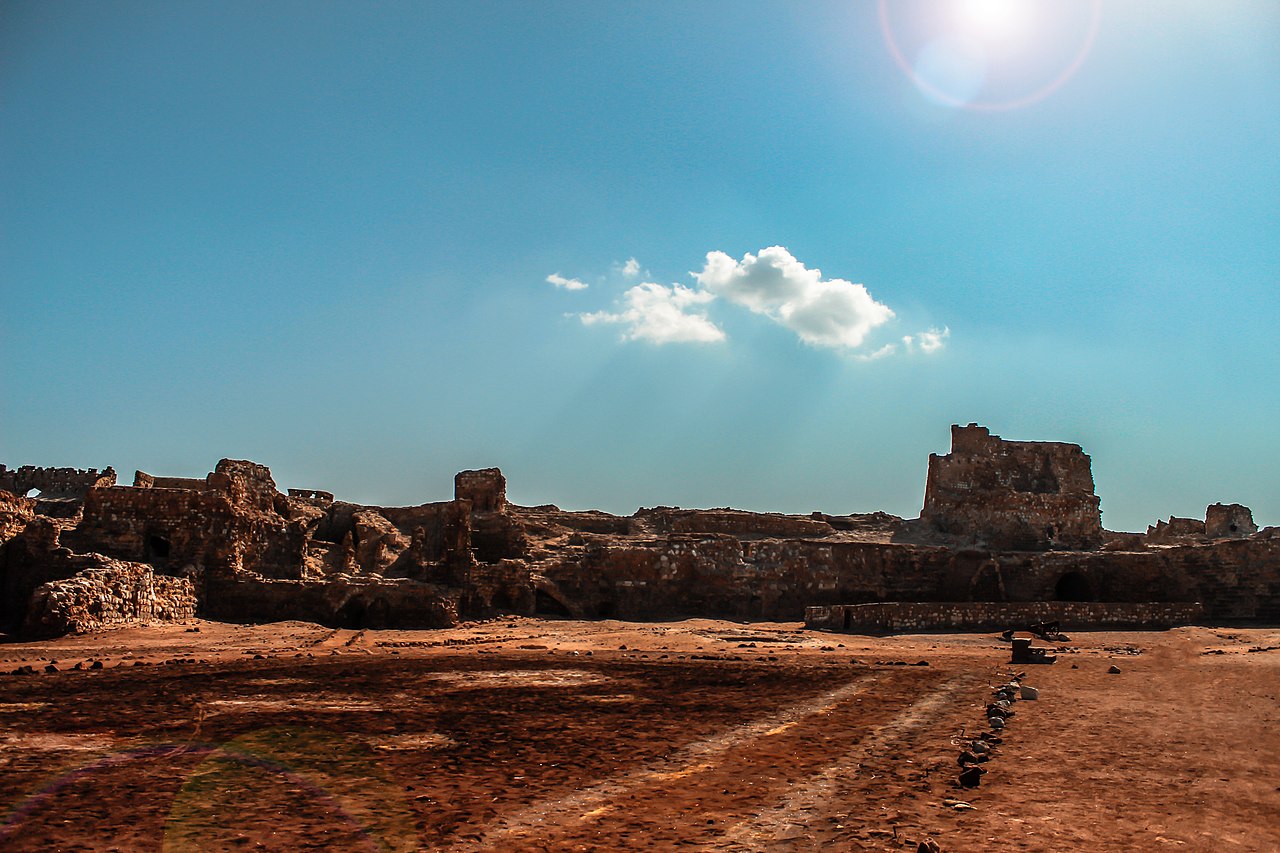
The castle's architecture reflects typical 16th-century Portuguese military design adapted to the local environment. It consists of robust stone walls and bastions arranged to provide overlapping fields of fire. The layout includes a central courtyard surrounded by defensive structures, with provisions for housing soldiers, storing supplies, and mounting artillery.
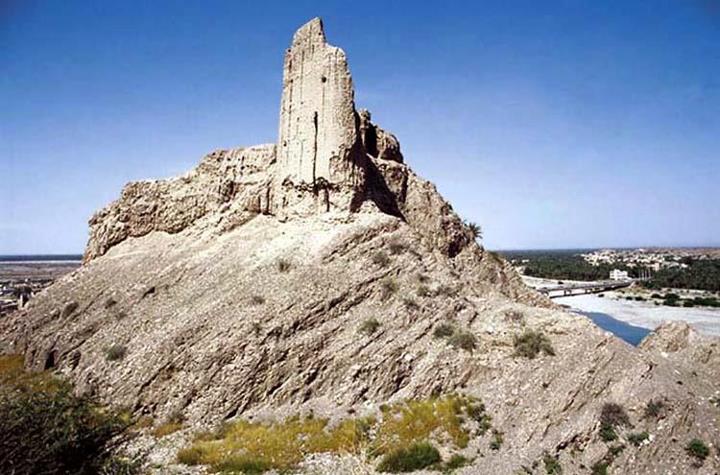
The castle's elevated position on a hill allowed for extensive visibility over the surrounding sea and land, crucial for early warning against approaching enemy ships or troops. Its walls are punctuated by arrow slits and cannon embrasures, demonstrating the adaptation to evolving artillery warfare.
Defensive structures
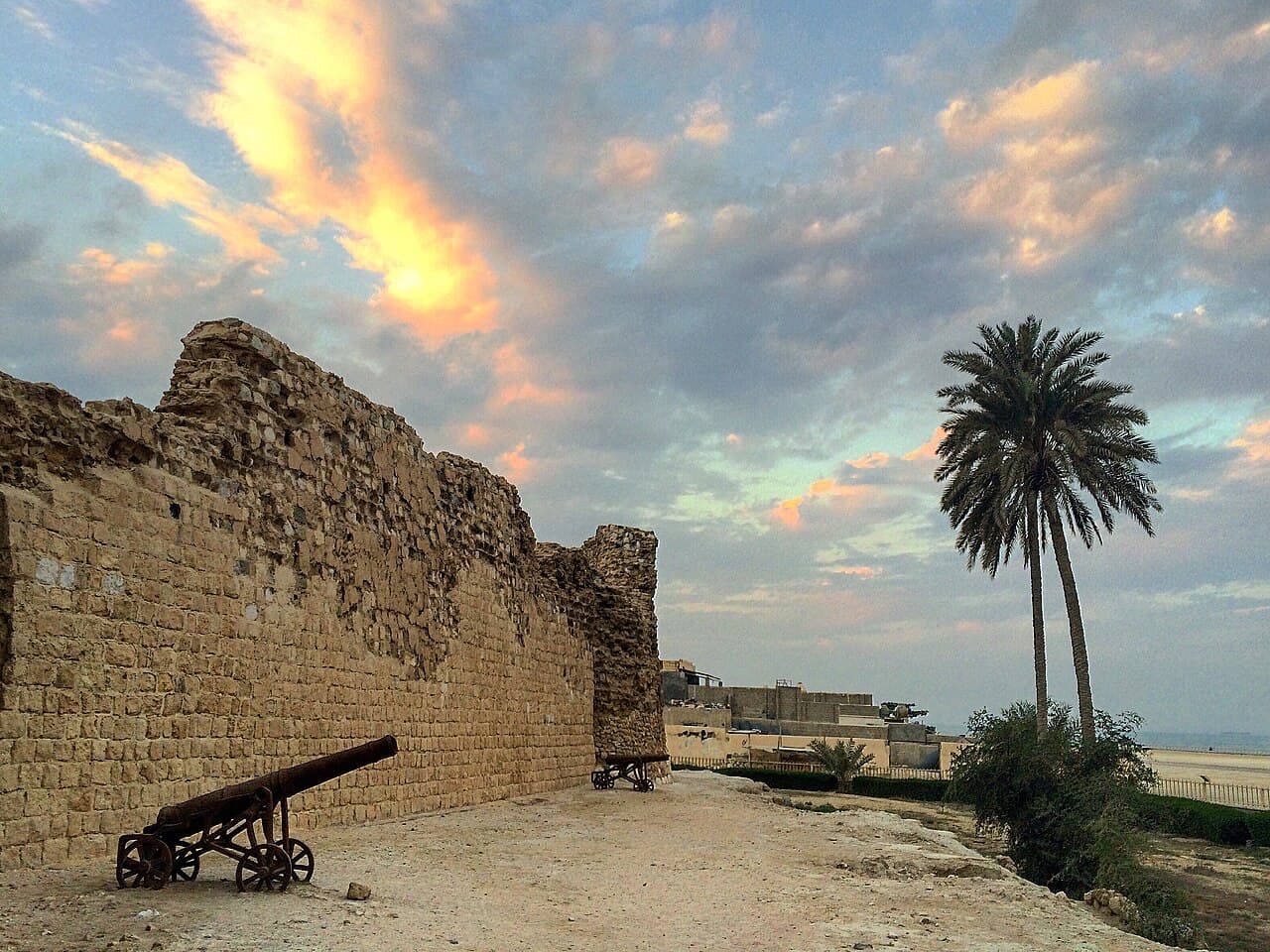
The fortress includes multiple bastions and ramparts designed to repel sieges and provide strong defensive positions. The walls are constructed from locally sourced stone, which has contributed to their endurance despite centuries of exposure to harsh coastal weather.
Interior spaces
Inside, the castle contains remnants of living quarters, storage rooms, and a cistern system for collecting and storing water, essential for sustaining defenders during prolonged sieges. The central courtyard likely served as a mustering ground and a place for daily activities of the garrison.
Strategic importance and legacy
The Portuguese castle of Qeshm was a key element in the Portuguese strategy to dominate the Persian Gulf and protect their maritime trade interests. Its position on Qeshm Island allowed control over the Strait of Hormuz, a critical chokepoint for regional and international shipping.
Although the Portuguese eventually lost control of the region to local and Persian forces, the castle remains a significant historical monument. It illustrates the military and colonial ambitions of European powers in the early modern period and offers insight into the defensive architecture of the time.
Current condition and tourism
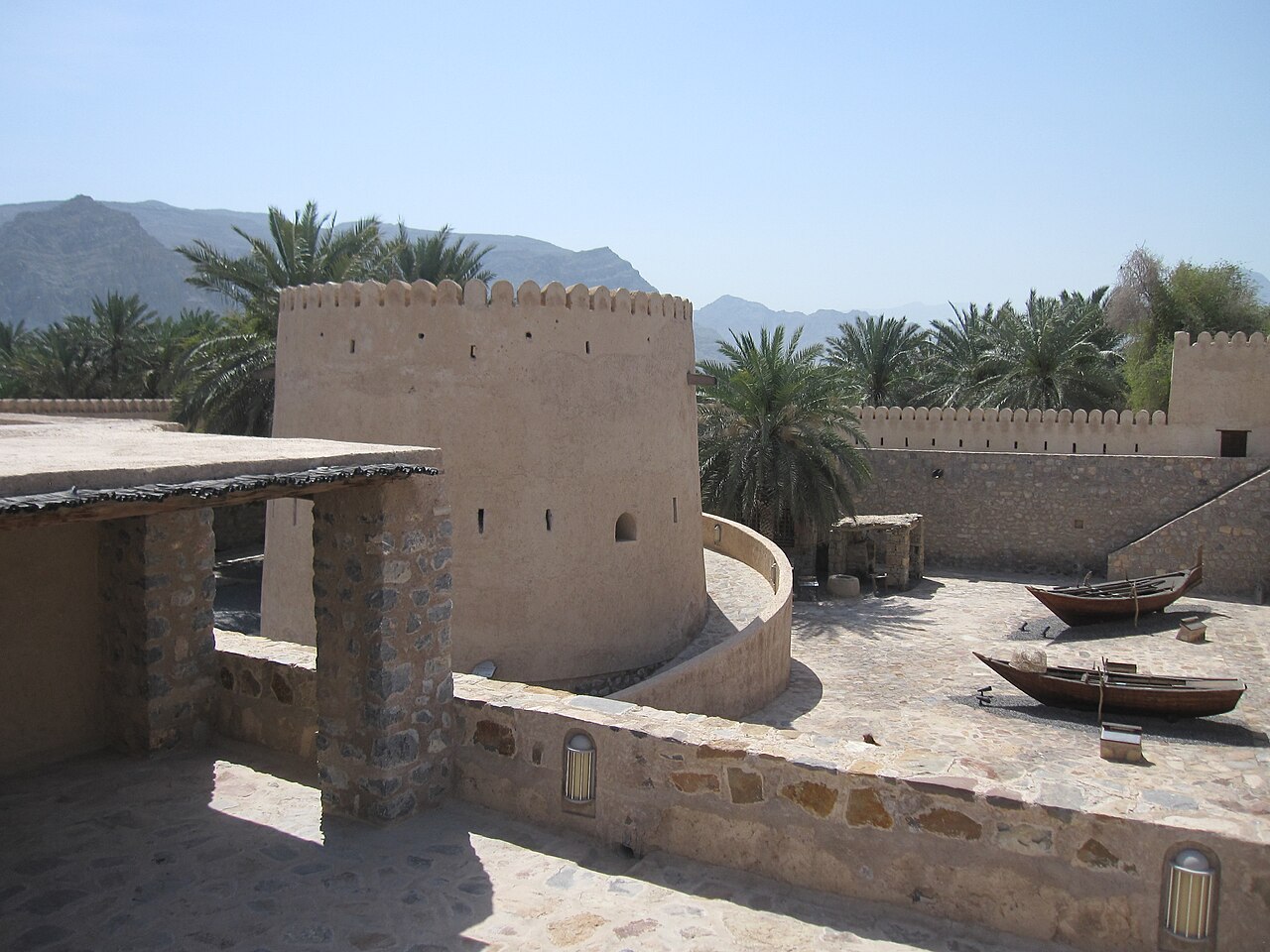
Today, the castle stands as a partially preserved ruin. While some sections of the walls and bastions remain intact, other parts have suffered from erosion and neglect. Efforts have been made to preserve and study the site due to its cultural and historical value.
The castle is accessible to visitors interested in the history of the Persian Gulf and Portuguese colonial architecture. It provides a tangible connection to the region's complex past and the interplay of local and European influences.
Visiting information and accessibility
Visitors to Qeshm Island can reach the castle via local transportation. The site is open for exploration, though facilities are limited. It is advisable to visit during cooler months due to the island's hot climate. Guided tours may be available to provide historical context and architectural insights.
Frequently asked questions (FAQ)
- What is the historical significance of Portuguese Castle in Qeshm?
- Portuguese Castle, also known as the Castle of Qeshm, was constructed in the 16th century by the Portuguese during their colonial endeavors in the region. The castle served as a strategic military outpost and played a crucial role in maritime trade and defense in the Persian Gulf.
- When was Portuguese Castle built?
- The construction of Portuguese Castle began in 1507 and was completed in 1515. It showcases the architectural style of the period, reflecting the influence of European military architecture in the region.
- What are the opening hours for visiting Portuguese Castle?
- Portuguese Castle is typically open to visitors from 9 AM to 5 PM daily. However, it's advisable to check for any specific holiday hours or changes in schedule before planning your visit.
- Is it possible to access Portuguese Castle with public transportation?
- Yes, you can access Portuguese Castle using local buses or taxis that operate within Qeshm. The castle is located in a central area, making it convenient for tourists to reach.
- Can I take guided tours at Portuguese Castle?
- Yes, guided tours are available at Portuguese Castle, offering you insights into its rich history and architectural features. These tours can enhance your understanding of the site's significance and are often conducted in multiple languages.
- What is the best time to visit Portuguese Castle?
- The best time to visit Portuguese Castle is during the cooler months, from November to March, when the weather is more pleasant for exploring. Visiting during this period allows you to enjoy the outdoor areas surrounding the castle more comfortably.
- What are the ticket prices for visiting Portuguese Castle?
- The ticket prices for Portuguese Castle are generally affordable, with discounts available for students and seniors. It's recommended to check the official website or local sources for the most current pricing information before your visit.
- Are there any nearby attractions to visit along with Portuguese Castle?
- Yes, there are several nearby attractions, including the Qeshm Island Geopark and the stunning Hara Forest. These sites complement your visit to Portuguese Castle, allowing for a more comprehensive experience of Qeshm's natural and cultural heritage.
Photo gallery

Information
Loading map...
Visitor reviews
No reviews yet. Been here? Write the first review and help other travelers!
Write the first reviewVisited this castle? Share your experience
Your review helps other travelers and adds first-hand knowledge to our encyclopedia.