Portal de Graells
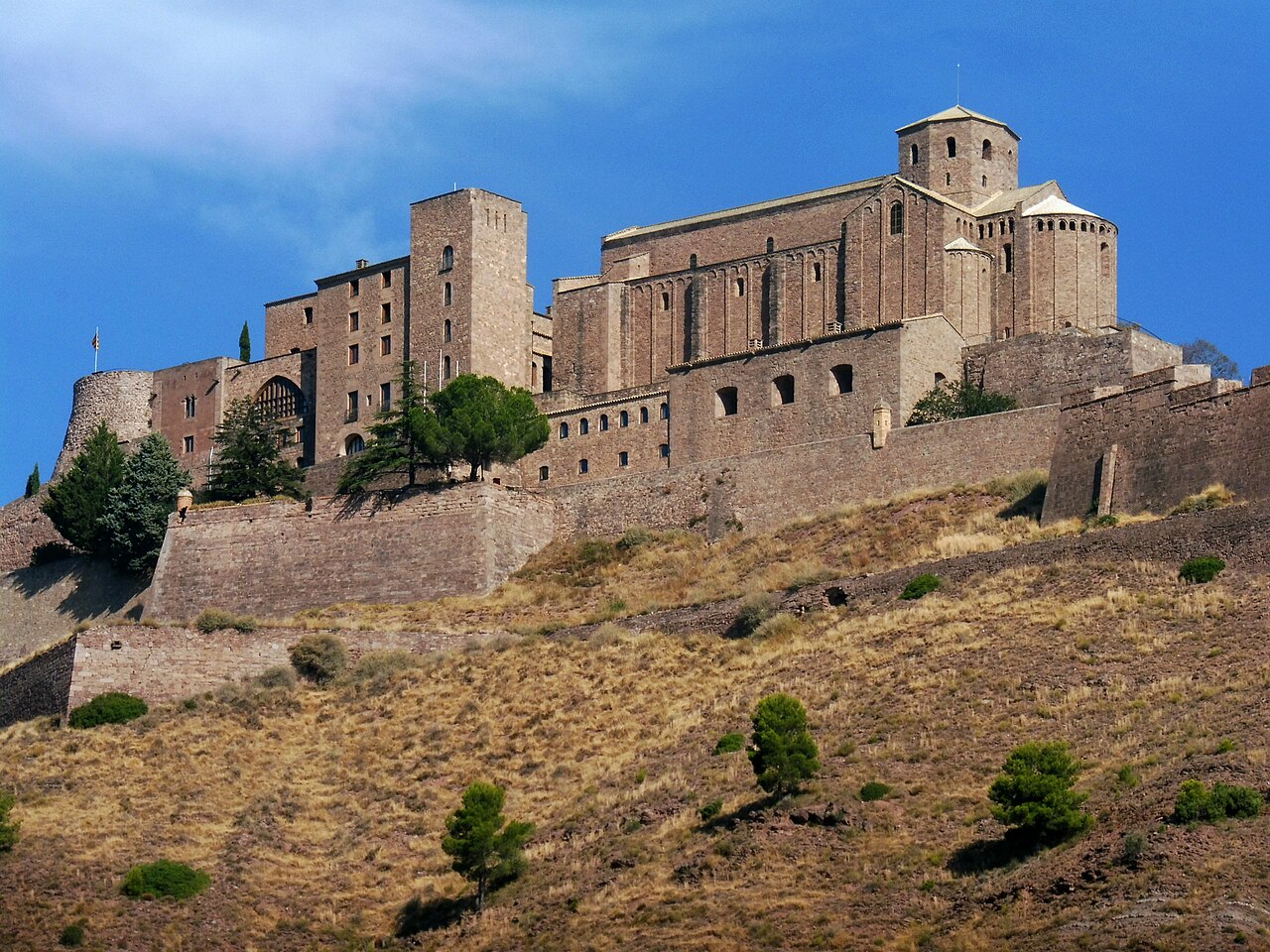
Portal de Graells is a significant example of a late medieval bastioned fortress located in Spain, dating back to the 15th century. This fortress exemplifies the military architectural developments that occurred during the transition from medieval fortifications to early modern defensive structures. The name "Portal de Graells" refers to a fortified gateway or entrance, which is a key feature in the design of bastioned fortresses that were constructed to withstand artillery attacks.
Historical context and strategic importance
The 15th century was a period of considerable military innovation in Spain, influenced by the introduction of gunpowder and cannon warfare. Fortresses like Portal de Graells were built or adapted to incorporate bastions, angular defensive projections that allowed defenders to cover adjacent walls with crossfire, eliminating blind spots and improving the fortress's ability to repel sieges.
While the precise historical events associated with Portal de Graells are less documented, its architectural style places it firmly within the era of the Reconquista and the consolidation of Spanish territories. Fortresses of this kind were essential in controlling key routes and protecting towns from rival forces during this turbulent period.
Architectural features and design
Bastioned fortifications
Portal de Graells features characteristic bastions, which are angular, projecting structures built at the corners of the fortress walls. These bastions replaced the traditional round towers of earlier medieval castles, allowing for better defense against artillery. The design facilitated overlapping fields of fire, making it difficult for attackers to approach the walls without being exposed to defensive fire.
Gateway and defensive elements
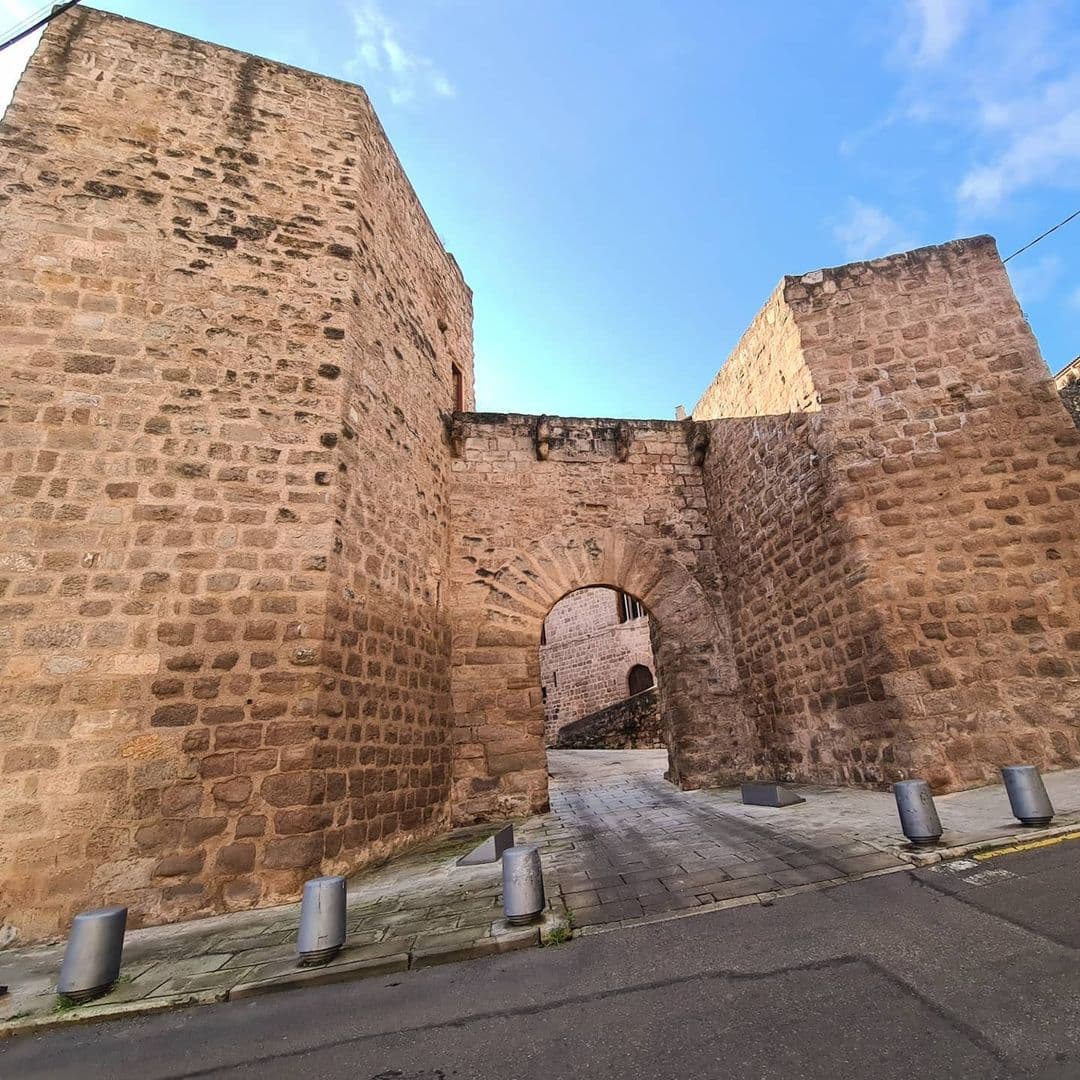
The fortress's name suggests a prominent portal or gateway, which would have been heavily fortified. Such portals often included multiple layers of defense, such as a drawbridge, portcullis, and murder holes, designed to slow down and expose attackers. The gateway served as a critical control point for access to the fortress and surrounding settlements.
Wall construction and materials
The walls of Portal de Graells were likely constructed using local stone, carefully cut and laid to create thick, durable defenses capable of withstanding cannon fire. The bastions and walls would have been topped with battlements and parapets, providing cover for defenders.
Preservation and current condition
The current state of Portal de Graells is not widely documented, but as a bastioned fortress from the late medieval period, it may exist as partially preserved ruins or restored sections. Such fortresses are often protected as cultural heritage sites in Spain, reflecting their historical and architectural significance.
Significance in military architecture
Portal de Graells represents an important stage in the evolution of fortification design, bridging the gap between medieval castles and the star forts of the Renaissance. The incorporation of bastions marks a response to the changing nature of warfare, particularly the increasing use of gunpowder artillery.
This fortress exemplifies how military architects adapted traditional defensive concepts to new technological challenges, influencing fortress construction throughout Spain and Europe.
Visiting and cultural impact
While detailed visitor information is not readily available, bastioned fortresses like Portal de Graells often attract interest from historians, architects, and tourists interested in military history. Such sites provide valuable insights into the defensive strategies and architectural innovations of the late medieval period.
Frequently asked questions (FAQ)
- What is the historical significance of Portal de Graells?
- Portal de Graells is a 15th-century bastioned fortress that illustrates the evolution of military architecture during the late medieval period in Spain, especially in response to artillery warfare.
- What architectural features define a bastioned fortress like Portal de Graells?
- Bastioned fortresses feature angular bastions projecting from the walls, allowing defenders to cover adjacent walls with crossfire and better resist cannon attacks.
- Can I visit Portal de Graells?
- Specific visitor information for Portal de Graells is limited, but bastioned fortresses in Spain are often accessible as historical sites or cultural heritage landmarks.
- Why were bastions important in fortress design?
- Bastions eliminated blind spots in defense by providing overlapping fields of fire, which was crucial for countering the threat of artillery in the late medieval period.
Photo gallery

Information
Loading map...
Visitor reviews
No reviews yet. Been here? Write the first review and help other travelers!
Write the first reviewVisited this castle? Share your experience
Your review helps other travelers and adds first-hand knowledge to our encyclopedia.