Popov Castle

Popov Castle in Zaporozhye region, Ukraine
Vasilevka, Odeska oblast, Ukraine
Post-Renaissance (17th–18th c.)
Well Preserved

Popov Castle stands as a remarkable historical and architectural monument from the second half of the nineteenth century located in the Zaporozhye region of Ukraine. This castle is a unique example of a neo-Gothic manor complex with intricate elements of romanticism and baroque architecture, reflecting the eclectic tastes of its era. It is one of the most significant palace and park ensembles in southern Ukraine, historically part of the Russian Empire's southern territories.

The castle was commissioned by Major General Vasily Stepanovich Popov, a prominent military figure and landowner who played a pivotal role in the region's development. Popov not only gave his name to the castle but also founded the nearby settlement at the end of the eighteenth century, which grew around his estate. The close relationship between the castle and the local community underscores its cultural and historical importance.

Architectural design and features

The construction of Popov Castle spanned approximately five years, resulting in a four-story building crowned by five distinctive towers. The castle's design is a fusion of neo-Gothic style with romantic and baroque influences, which is evident in its ornate facades, pointed arches, and decorative elements. The towers vary in shape and size, contributing to the castle’s picturesque silhouette and defensive appearance.

The castle complex includes extensive manor grounds and a park, which were designed to complement the architectural grandeur of the building. The park features landscaped gardens typical of 19th-century European manors, adding to the estate's aesthetic and recreational appeal.

Structural layout

The castle's four floors are organized to serve both residential and representational functions. The interior originally included grand halls, private chambers, and service areas, designed to accommodate the needs of a noble family and their guests. The layout reflects the social hierarchy and lifestyle of the time, with formal reception rooms and more intimate living spaces.

Historical context and significance

Major General Vasily Stepanovich Popov was not only a military leader but also a significant landowner whose influence shaped the development of the region. His establishment of the settlement near the castle laid the foundation for the modern town in the Zaporozhye oblast. The castle served as a symbol of his status and power, as well as a center of local administration and culture.

Throughout its history, Popov Castle has witnessed various historical events and changes in ownership but has retained its architectural integrity. It remains the only manor castle complex in the Zaporozhye region to have survived to the present day, making it an invaluable cultural heritage site.

Preservation and current use

Today, Popov Castle is preserved as a museum-reserve complex known as the "Manor Popov" estate. It is open to visitors, offering a glimpse into the aristocratic lifestyle of the 19th century and the architectural splendor of the period. The site serves both educational and cultural purposes, hosting exhibitions and events that celebrate its rich history.

The castle's preservation status ensures that its neo-Gothic architectural features and surrounding parkland remain protected, allowing future generations to appreciate this unique monument. The manor stands as a testament to the blending of military heritage, noble residence, and architectural artistry in Ukraine's southern regions.

Visiting Popov Castle

Visitors to Popov Castle can explore the extensive grounds and the castle’s interior, which showcases period furnishings, artworks, and historical artifacts related to the Popov family and regional history. The castle's location in the Zaporozhye oblast makes it accessible for tourists interested in Ukrainian heritage and 19th-century architecture.

The estate often hosts cultural events, including guided tours, exhibitions, and seasonal festivals, enhancing the visitor experience and promoting the castle as a key cultural destination in Ukraine.

Frequently asked questions (FAQ)

How do I get to Popov Castle?
Popov Castle is located in Vasilevka, Ukraine, and can be accessed by car or public transportation. If traveling by car, follow local road signs for Vasilevka, and there are parking facilities available near the castle.
What is the historical significance of Popov Castle?
Popov Castle dates back to the 18th century and serves as a remarkable example of Ukrainian defensive architecture. It has witnessed numerous historical events, reflecting the rich cultural heritage and tumultuous history of the region.
When was Popov Castle built?
Popov Castle was constructed in the late 1700s, with its architecture representing the style of the period. Over the years, it has been restored to preserve its historical integrity and beauty.
Can I take guided tours of Popov Castle?
Yes, guided tours are available for visitors who wish to learn more about the castle's history and architecture. These tours typically include access to various rooms and areas within the castle and are conducted by knowledgeable guides.
Why is Popov Castle considered an architectural gem?
Popov Castle is considered an architectural gem due to its unique design and historical features, including its fortified walls and intricate details. The blend of defensive and residential elements showcases the architectural evolution of the region.
Is it possible to visit Popov Castle year-round?
Yes, Popov Castle is open to visitors throughout the year, although certain areas may be restricted during the winter months. It's advisable to check their official website or local listings for any seasonal changes in opening hours.
What are the opening hours for Popov Castle?
Popov Castle typically opens at 10 AM and closes at 6 PM, with extended hours during peak tourist season. It's recommended to check ahead for any special events or changes to the schedule.
What are the ticket prices for visiting Popov Castle?
Ticket prices for Popov Castle are generally affordable, with discounts available for students and seniors. Prices can vary depending on whether you choose a guided tour or a self-guided visit, so be sure to check on-site for the latest rates.
What nearby attractions can I visit while in Vasilevka?
While visiting Vasilevka, you can explore other historical sites, charming local parks, and museums that showcase the area's rich culture. Additionally, nearby natural attractions offer beautiful landscapes for hiking and outdoor activities.

Information

Palace Castle

Loading map...

Visitor reviews

No reviews yet. Been here? Write the first review and help other travelers!

Write the first review

Visited this castle? Share your experience

Your review helps other travelers and adds first-hand knowledge to our encyclopedia.
Write a review

(5/5)

0/2000 characters

Your review will be visible after admin approval

Nearby castles

104.4 km
Kodak Fortress — Ukraine castle

Kodak Fortress

Dnipro, Ukraine

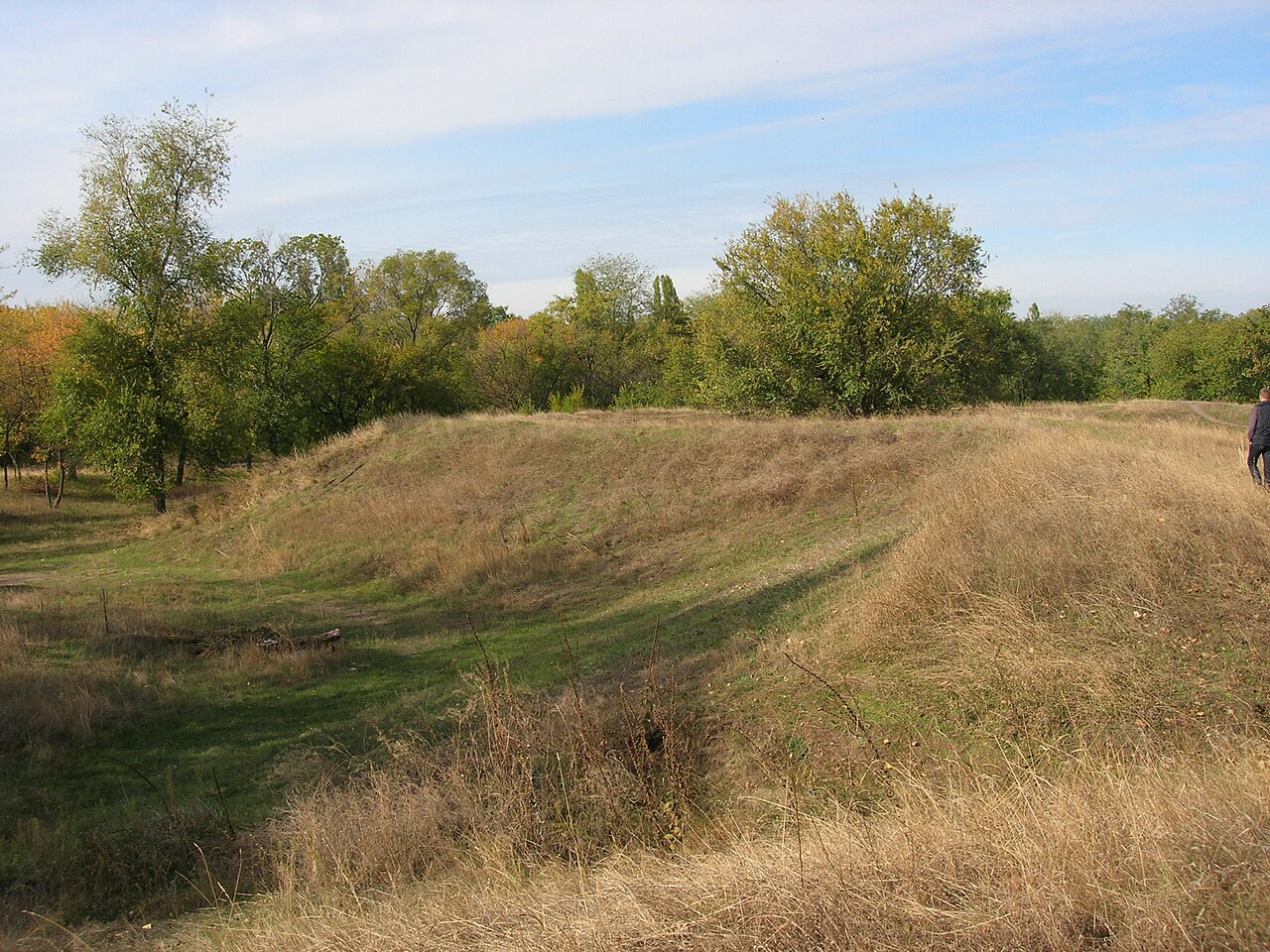
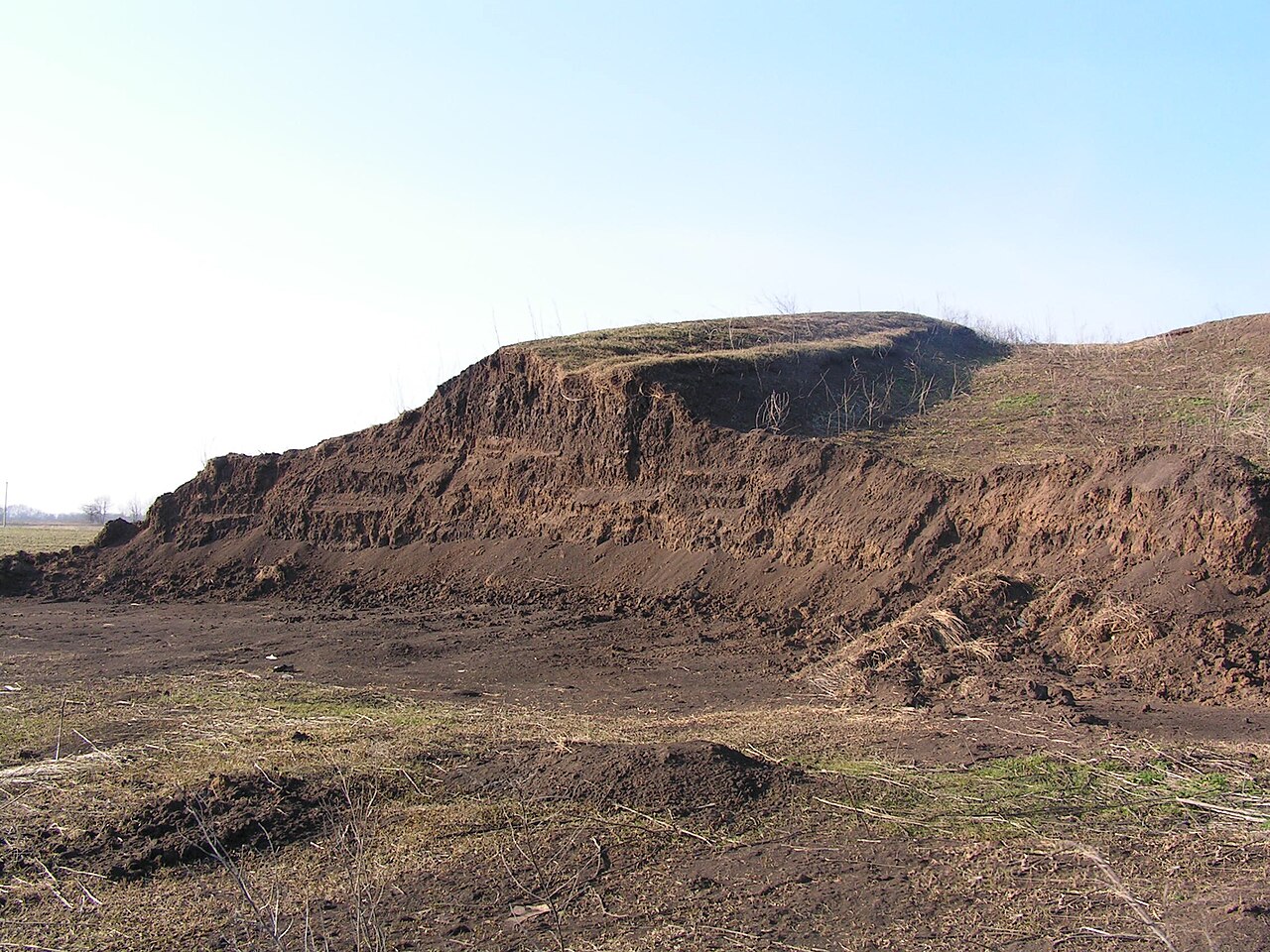
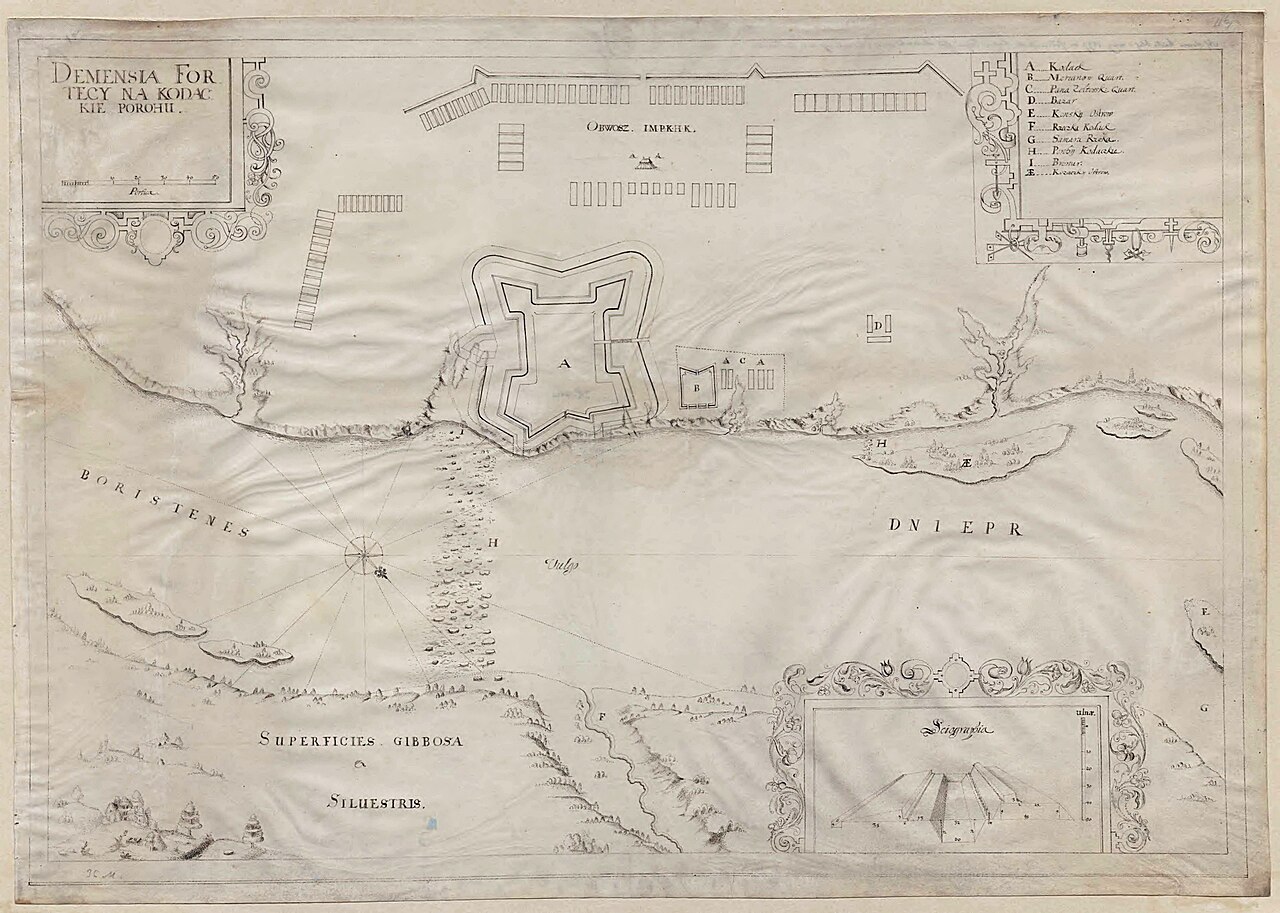
Kodak Fortress stands as a significant historical monument near the modern city of Dnipro in Ukraine. Established in 1635 by the Polish–Lithuanian Commonwealth, it served as a fortified military outpost designed to control the Zaporizhian Cossacks and restrict their access to the Black Sea. The strategic location of Kodak Fortress was chosen following the 1634 peace treaty with Muscovy, reflecting the Commonwealth's intent to assert dominance over the volatile southern frontier. The fortress was developed under the direction of Crown Hetman Stanisław Koniecpolski with the assistance of the notable French military engineer Guillaume Le Vasseur de Beauplan. Early history and military significance Shortly after its foundation, Kodak Fortress became a focal point of conflict. In August 1635, it was seized and partially demolished by Cossack forces led by Hetman Ivan Sulima, who also executed the fortress commander, Jean Marion. Despite this early setback, the Polish Sejm approved reconstruction efforts in 1636. The rebuilding was completed in 1639 by Friedrich Getkant, a German-Swedish engineer, who enlarged the fortress significantly to meet contemporary defensive standards inspired by the New Dutch fortification system. This system emphasized angular bastions and layered defenses optimized to resist artillery, marking Kodak as a modern military installation of its time. The fortress's expanded design allowed it to house a larger garrison and defend against raids and attempts to escape to the nearby Zaporizhian Sich. This strategic importance earned Kodak the nickname "the key to Zaporizhzhia". Role during the khmelnytsky uprising and later conflicts Kodak Fortress played a central role during the Khmelnytsky Uprising. After enduring a siege lasting four months, it surrendered on October 1, 1648 to the Cossack army under Colonel Maksym Nesterenko (or possibly Prokop Shumeiko). Following its capture, Kodak was transformed into a Cossack military base and eventually came under the authority of the Zaporizhian Sich around 1656. Throughout the late 17th and early 18th centuries, Kodak served as a logistical and strategic center during various Russo-Turkish conflicts. The fortress also provided refuge to the rebel leader Kondraty Bulavin during 1707–1708. Under the tenure of Hetman Ivan Mazepa, Kodak functioned as a lookout post monitoring the activities of the Zaporizhian Sich. However, the fortress was ordered destroyed in 1711 according to the terms of the Treaty of the Pruth, along with several other fortifications in the southern region. Although partially rebuilt in the early 1700s, Kodak suffered further damage in the 1720s when Tatar forces captured and burned the site and the adjacent settlement, effectively ending its function as a defensive fortress. Post-military use and decline From 1734 to 1775, the area served as a Cossack settlement and administrative center known as the Kodak palanka. After the destruction of the New Sich in 1775, many displaced Cossacks resettled there, and the locality became known as Stari Kodaky. The historical importance of Kodak Fortress was recognized in 1910 when historian Dmytro Yavornytsky advocated for a memorial plaque commemorating the site. The fortress ruins endured significant damage in the 20th century, especially beginning in 1938 when granite quarrying devastated much of the site. By the 1980s, approximately 90% of the original structure had been lost despite local efforts to protect it. Archaeological investigations have been carried out intermittently since Yavornytsky's initial work in the early 1900s. Renewed excavations since 1990, including those led by archaeologists from Dnipro National University, uncovered remains such as the St. Archangel Michael Church, which had been destroyed in 1937. These efforts have provided valuable insights into the fortress's occupation and use during the Cossack period. Architectural features and layout The original layout of Kodak Fortress reflected a quadrangular earthwork design established in 1635. It featured two half-bastions on the southern side, a defensive rampart surrounding the site, and a protective ditch. After reconstruction in 1639, the fortress expanded nearly threefold and was reshaped into a square measuring approximately 112.5 meters on each side. The design followed the New Dutch fortification system, emphasizing angular bastions and layered defenses suited to resist artillery attacks. The earthen ramparts were substantial, measuring 24 meters wide at the base and rising about 7 meters in height. On top of these ramparts sat two rows of wooden palisades, serving as fencing to provide an additional barrier. Surrounding the fortress on three sides was a broad, dry moat about 11 meters deep and 16 meters wide, designed to hinder attackers. The fourth side faced the steep cliffs of the Dnieper River, offering a natural defensive advantage. Within the fortress grounds stood religious and residential structures, including a Catholic church with an adjoining monastery and an Orthodox church. Around sixty houses formed a small settlement complete with a market near the walls. The garrison grew to around 600 mercenaries equipped with artillery, supplemented by a large watchtower located roughly three kilometers away, enhancing the site's surveillance capabilities. Some reports indicate the fortress could accommodate more than 1,000 people. Current condition and preservation efforts Today, only portions of the northern earth ramparts survive, with much of the fortress demolished due to extensive granite quarrying starting in the late 1930s. Archaeological efforts have identified cultural layers associated with the Cossack period, revealing insights into the fortress's occupation and use. Excavations have unearthed remnants of the St. Archangel Michael Church, a religious building destroyed in 1937 but confirmed to have stood within the fortress precinct. Recent conservation proposals seek to restore surviving features, including the earthworks and moats. Plans include reconstructing sections of the wooden fortifications with palisades and drawbridges along the ramparts to give a clearer sense of the original defensive system. A museum complex is being designed on stilts above the quarry lake, aligning with the reconstructed outlines of the fortress as seen from the river, thereby reviving the silhouette of this once-critical military stronghold.

Late Medieval (14th–15th c.)
Details
117.5 km
Novobohorodytska Fortress — Ukraine castle

Novobohorodytska Fortress

, Ukraine

Novobohorodytska Fortress, also known as the Bohorodytska Fortress or Theotokos Fortress (Ukrainian: Богородицька фортеця), is a significant 17th-century bastioned fortress located on the right bank of the Samara River in Ukraine. This fortress served as a strategic military retrenchment during the era of the Cossack Hetmanate and played a pivotal role in the conflicts involving the Russian Empire as it sought control over access to the Black Sea and the Sea of Azov. The fortress is historically important for its military function as a frontier outpost and for its connection to the broader geopolitical struggles of Eastern Europe in the early modern period. Historical context and origins The fortress was constructed in the 17th century during a time of intense military and political activity in the region. It was built on the site of the former Cossack town of Samar, indicating that the location had long-standing strategic importance. Rather than being a completely new construction, Novobohorodytska Fortress represents a retrenched fortification that replaced or incorporated earlier defensive works associated with the Cossack settlements. The fortress's establishment coincided with the period when the Cossack Hetmanate was consolidating its power and defending its territories against incursions from neighboring states, including the Polish-Lithuanian Commonwealth and the expanding Russian Empire. As the Russian Empire advanced its ambitions to secure maritime access, fortresses like Novobohorodytska became vital military hubs. Architectural features and design Novobohorodytska Fortress is classified as a bastioned fortress, a style that became prominent in the Renaissance period due to the evolution of artillery warfare. The bastioned design features angular bastions projecting from the curtain walls, allowing defenders to cover adjacent walls with gunfire and eliminating blind spots. This architectural innovation greatly improved the fortress's defensive capabilities against cannon fire and siege tactics. The fortress likely included thick earthen ramparts reinforced with masonry, wide moats or ditches, and multiple layers of walls. The bastions were positioned at strategic points to maximize fields of fire. Inside, the fortress would have housed barracks, armories, command centers, and storage facilities necessary for sustaining a garrison during prolonged sieges. The choice of location on the Samara River provided natural defensive advantages and access to water, which was crucial for both daily life and military operations. The river also served as a transportation route, facilitating the movement of troops and supplies. Military significance and role During the 17th century and beyond, Novobohorodytska Fortress was a key outpost in the contest for control over the southern frontiers of the Cossack Hetmanate and the Russian Empire's expanding territories. It guarded approaches to the fertile lands of the region and protected strategic river crossings. The fortress's military importance was heightened during the conflicts between the Cossacks, the Polish-Lithuanian Commonwealth, and the Russian Empire. It functioned as a defensive bastion against incursions and as a staging ground for military campaigns aimed at securing dominance in the region. Its role in securing access to the Black Sea and the Sea of Azov underscored its strategic value, as control over these waterways was crucial for trade, military movement, and regional influence. Later history and current condition Over time, as military technology and political boundaries evolved, the fortress's strategic importance diminished. The site has undergone various changes, and while much of the original structure may not have survived intact, it remains a site of archaeological and historical interest. Today, Novobohorodytska Fortress is recognized for its historical significance and as a representative example of Renaissance bastioned fortifications in Ukraine. The fortress's remnants provide valuable insights into the military architecture and regional history of the 17th century. Preservation efforts focus on maintaining the site as an archaeological site and cultural heritage landmark, attracting historians, archaeologists, and visitors interested in the military and Cossack history of Eastern Europe. Legacy and cultural importance Novobohorodytska Fortress embodies the complex history of the Cossack Hetmanate and the turbulent geopolitical struggles of Eastern Europe in the early modern era. It reflects the adaptation of Renaissance military architecture to the specific needs of frontier defense in Ukraine. The fortress also serves as a reminder of the Cossack communities' resilience and their role in shaping regional identities. Its location on the site of the former Cossack town of Samar connects it to a broader narrative of settlement, conflict, and cultural exchange along the Samara River.

Renaissance (15th–17th c.)
Details
141.5 km
Fortress of Saint Peter — Ukraine castle

Fortress of Saint Peter

, Ukraine

The Fortress of Saint Peter is an 18th-century hill castle located in Ukraine, exemplifying post-Renaissance military architecture. Constructed during the 18th century, this fortress was strategically built on elevated terrain, characteristic of a hill castle, to provide a commanding view and defensive advantage over the surrounding landscape.The fortress was designed primarily for military purposes, reflecting the architectural and defensive innovations of the post-Renaissance period. During this time, fortifications evolved to withstand artillery and cannon fire, leading to the development of bastioned walls and angled fortifications that minimized blind spots and improved defensive coverage.Architectural features and designThe Fortress of Saint Peter features robust bastioned walls constructed from local stone and brick, typical of 18th-century military engineering. The walls are reinforced with angled bastions that allowed defenders to cover adjacent walls with crossfire, a hallmark of post-Renaissance fortification design. The fortress likely includes a moat or dry ditch surrounding the walls, enhancing its defensive capabilities by hindering direct assaults.Inside the fortress, there would have been casemates or covered gun emplacements for artillery, as well as barracks and storage facilities to support a garrison. The layout was planned to optimize defense and sustain prolonged sieges, reflecting the military priorities of the era.Historical context and significanceConstructed in the 18th century, the fortress was part of a broader network of military installations designed to protect territories in Eastern Europe during a period of frequent conflict and shifting borders. Its location on a hill provided strategic oversight of potential invasion routes and served as a deterrent against enemy advances.While specific historical events associated with the fortress are less documented, its presence underscores the military and political tensions in the region during the post-Renaissance period. The fortress would have played a role in regional defense strategies, possibly involved in conflicts or power struggles characteristic of the era.Preservation and current statusToday, the Fortress of Saint Peter remains a significant historical monument, though its exact condition varies. It is categorized as a hill castle and is recognized for its post-Renaissance architectural style. Preservation efforts focus on maintaining the structural integrity of the bastioned walls and other surviving features.The fortress attracts visitors interested in military history and architecture, offering insights into 18th-century fortification techniques. Its elevated position continues to provide impressive views of the surrounding Ukrainian landscape.Visiting information and accessibilityVisitors to the fortress can explore its extensive walls and bastions, gaining an understanding of the military engineering of the post-Renaissance period. The site may have limited facilities, so visitors are advised to prepare accordingly. The best time to visit is during the warmer months when the terrain is more accessible.While detailed visitor information such as opening hours and ticket prices is not widely published, the fortress remains an important cultural and historical site within Ukraine, contributing to the appreciation of the region's architectural heritage.

Post-Renaissance (17th–18th c.)
Details