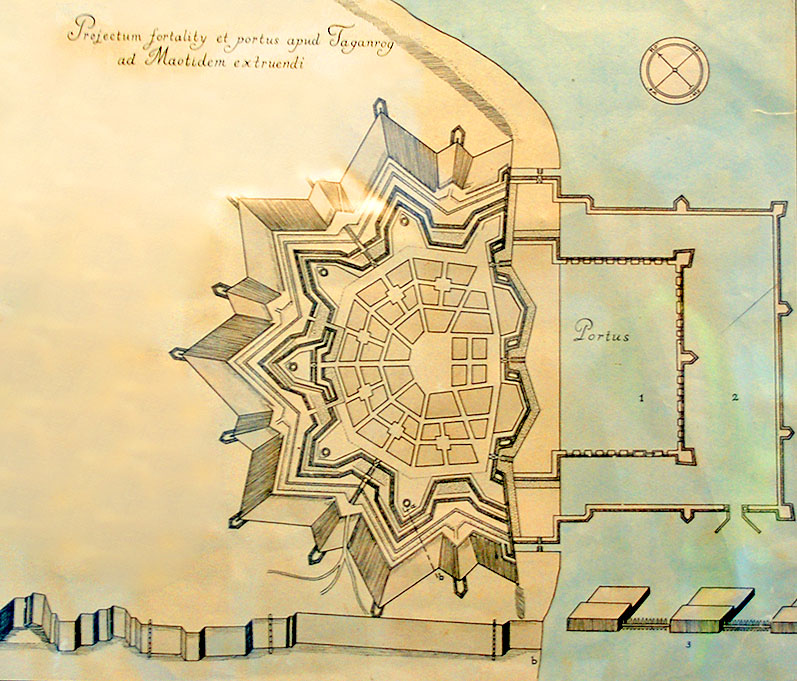
The fortress was designed primarily for military purposes, reflecting the architectural and defensive innovations of the post-Renaissance period. During this time, fortifications evolved to withstand artillery and cannon fire, leading to the development of bastioned walls and angled fortifications that minimized blind spots and improved defensive coverage.
Architectural features and design
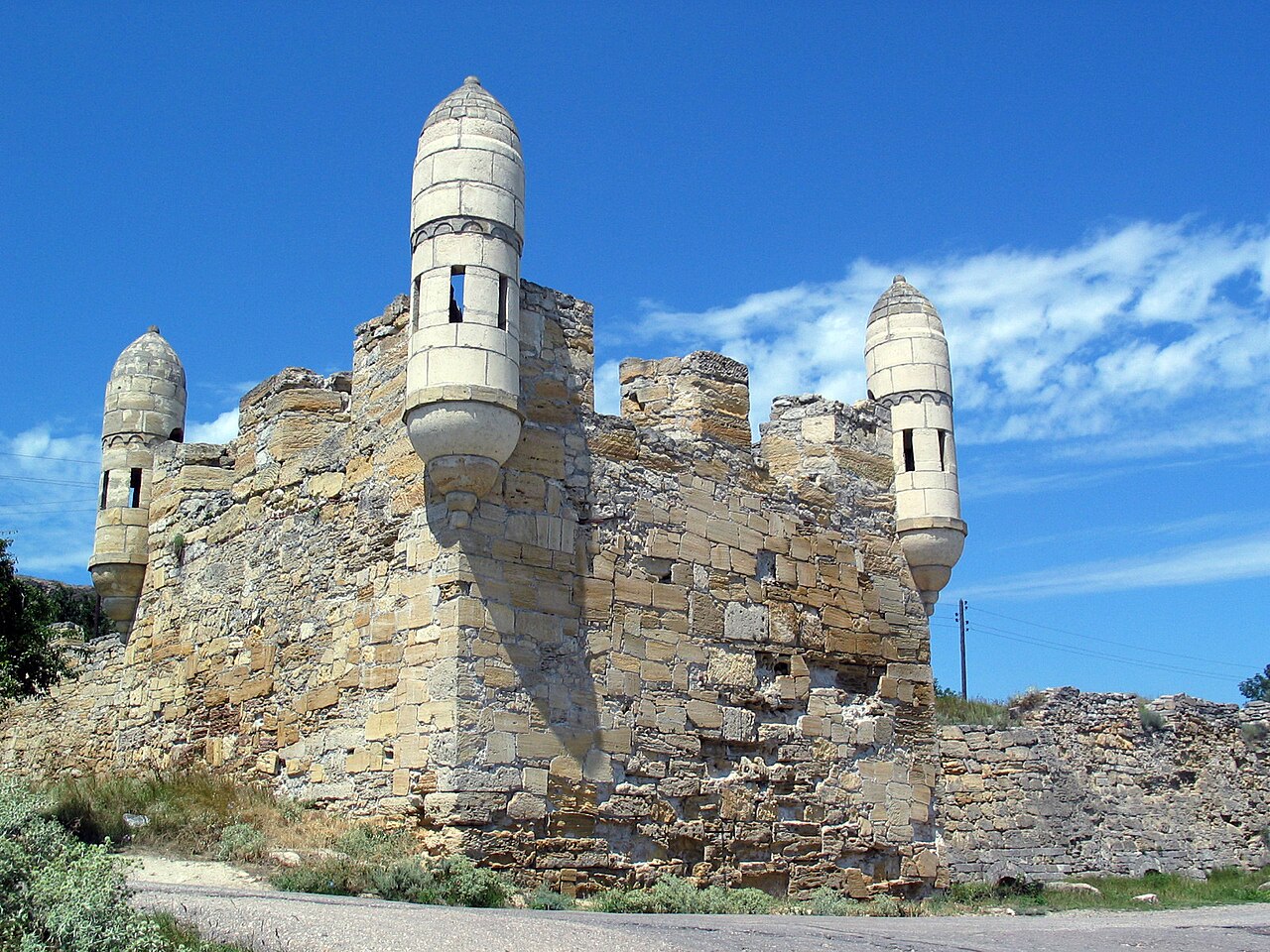
The Fortress of Saint Peter features robust bastioned walls constructed from local stone and brick, typical of 18th-century military engineering. The walls are reinforced with angled bastions that allowed defenders to cover adjacent walls with crossfire, a hallmark of post-Renaissance fortification design. The fortress likely includes a moat or dry ditch surrounding the walls, enhancing its defensive capabilities by hindering direct assaults.
Inside the fortress, there would have been casemates or covered gun emplacements for artillery, as well as barracks and storage facilities to support a garrison. The layout was planned to optimize defense and sustain prolonged sieges, reflecting the military priorities of the era.
Historical context and significance
Constructed in the 18th century, the fortress was part of a broader network of military installations designed to protect territories in Eastern Europe during a period of frequent conflict and shifting borders. Its location on a hill provided strategic oversight of potential invasion routes and served as a deterrent against enemy advances.
While specific historical events associated with the fortress are less documented, its presence underscores the military and political tensions in the region during the post-Renaissance period. The fortress would have played a role in regional defense strategies, possibly involved in conflicts or power struggles characteristic of the era.
Preservation and current status
Today, the Fortress of Saint Peter remains a significant historical monument, though its exact condition varies. It is categorized as a hill castle and is recognized for its post-Renaissance architectural style. Preservation efforts focus on maintaining the structural integrity of the bastioned walls and other surviving features.
The fortress attracts visitors interested in military history and architecture, offering insights into 18th-century fortification techniques. Its elevated position continues to provide impressive views of the surrounding Ukrainian landscape.
Visiting information and accessibility
Visitors to the fortress can explore its extensive walls and bastions, gaining an understanding of the military engineering of the post-Renaissance period. The site may have limited facilities, so visitors are advised to prepare accordingly. The best time to visit is during the warmer months when the terrain is more accessible.
While detailed visitor information such as opening hours and ticket prices is not widely published, the fortress remains an important cultural and historical site within Ukraine, contributing to the appreciation of the region's architectural heritage.
Frequently asked questions (FAQ)
- How do I get to the Fortress of Saint Peter?
- The Fortress of Saint Peter is located in the city of Kamianets-Podilskyi, Ukraine. You can reach the fortress by public transportation, such as buses or trains, which connect to the city. Once in Kamianets-Podilskyi, local taxis and walking routes make it easy to access the fortress.
- What is the historical significance of the Fortress of Saint Peter?
- The Fortress of Saint Peter, built in the 14th century, is a prominent example of medieval military architecture in Ukraine. It served as a strategic defense point against invasions and has witnessed numerous historical events throughout its long history. Today, it stands as a symbol of the region's rich cultural heritage.
- When was the Fortress of Saint Peter built?
- Construction of the Fortress of Saint Peter began in the late 14th century and continued into the 15th century. The fortress was built to protect the city from various invasions and has undergone several renovations over the centuries. Its historical layers reflect the architectural styles and military needs of different eras.
- Can I take guided tours at the Fortress of Saint Peter?
- Yes, guided tours are available at the Fortress of Saint Peter, providing visitors with in-depth knowledge of its history and architectural features. These tours are conducted by knowledgeable guides who can share fascinating stories and insights about the fortress. It is advisable to check the schedule and book in advance during peak tourist seasons.
- Why is the Fortress of Saint Peter a popular tourist destination?
- The Fortress of Saint Peter is popular due to its stunning architecture, historical significance, and picturesque location overlooking the Smotrych River. Visitors are captivated by the well-preserved structures and scenic views, making it an ideal spot for photography and exploration. Additionally, its proximity to other attractions in Kamianets-Podilskyi adds to its allure.
- Is it possible to visit the Fortress of Saint Peter year-round?
- Yes, the Fortress of Saint Peter is open for visitors year-round, but the best time to visit is during the spring and summer months when the weather is pleasant. During winter, some areas may be less accessible due to weather conditions, but the fortress still offers a unique atmosphere. Always check the local conditions and any seasonal events that may enhance your visit.
- What are the opening hours for the Fortress of Saint Peter?
- The Fortress of Saint Peter typically opens at 9 AM and closes at 7 PM during the summer months. In the winter, hours may vary, so it is advisable to check their official website or contact local tourism offices for the latest information. Planning your visit around these hours will ensure you have ample time to explore the fortress.
- What are the ticket prices for visiting the Fortress of Saint Peter?
- Ticket prices for the Fortress of Saint Peter are generally affordable, making it accessible for most visitors. Discounts may be available for students, children, and seniors, so be sure to ask when purchasing your ticket. Prices can vary based on the season and any special events, so checking in advance is a good idea.
- Are there any nearby attractions to visit alongside the Fortress of Saint Peter?
- Yes, there are several nearby attractions worth visiting, including the old town of Kamianets-Podilskyi, the elegant Cathedral of St. Peter and Paul, and the picturesque Smotrych River canyon. These sites complement your visit to the fortress and provide a deeper understanding of the region's history and culture. Make sure to allocate time to explore these additional landmarks during your trip.
Photo gallery

Public domain
Information
Loading map...
Visitor reviews
No reviews yet. Been here? Write the first review and help other travelers!
Write the first reviewVisited this castle? Share your experience
Your review helps other travelers and adds first-hand knowledge to our encyclopedia.