Novobohorodytska Fortress
Novobohorodytska Fortress, also known as the Bohorodytska Fortress or Theotokos Fortress (Ukrainian: Богородицька фортеця), is a significant 17th-century bastioned fortress located on the right bank of the Samara River in Ukraine. This fortress served as a strategic military retrenchment during the era of the Cossack Hetmanate and played a pivotal role in the conflicts involving the Russian Empire as it sought control over access to the Black Sea and the Sea of Azov. The fortress is historically important for its military function as a frontier outpost and for its connection to the broader geopolitical struggles of Eastern Europe in the early modern period.
Historical context and origins
The fortress was constructed in the 17th century during a time of intense military and political activity in the region. It was built on the site of the former Cossack town of Samar, indicating that the location had long-standing strategic importance. Rather than being a completely new construction, Novobohorodytska Fortress represents a retrenched fortification that replaced or incorporated earlier defensive works associated with the Cossack settlements.
The fortress's establishment coincided with the period when the Cossack Hetmanate was consolidating its power and defending its territories against incursions from neighboring states, including the Polish-Lithuanian Commonwealth and the expanding Russian Empire. As the Russian Empire advanced its ambitions to secure maritime access, fortresses like Novobohorodytska became vital military hubs.
Architectural features and design
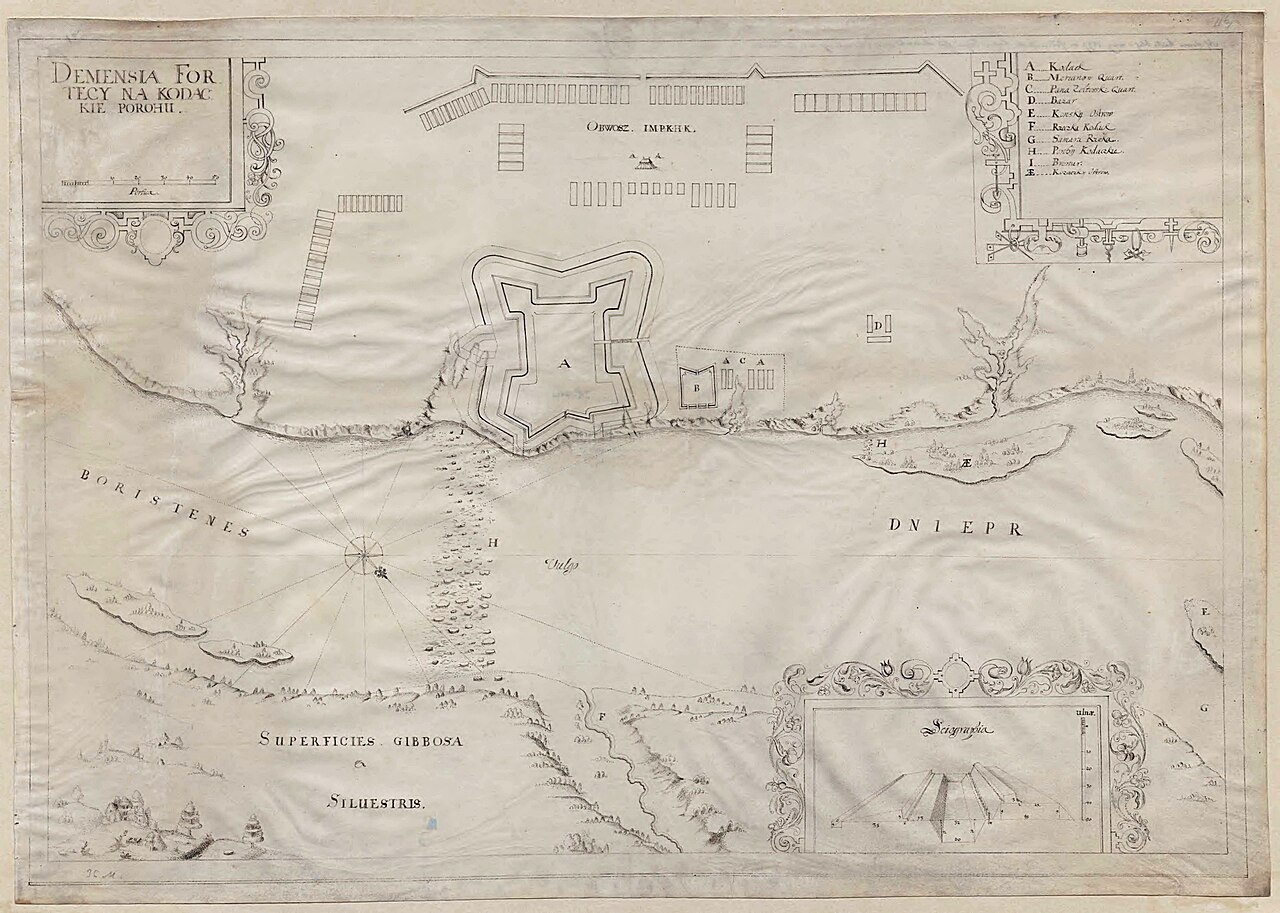
Novobohorodytska Fortress is classified as a bastioned fortress, a style that became prominent in the Renaissance period due to the evolution of artillery warfare. The bastioned design features angular bastions projecting from the curtain walls, allowing defenders to cover adjacent walls with gunfire and eliminating blind spots. This architectural innovation greatly improved the fortress's defensive capabilities against cannon fire and siege tactics.
The fortress likely included thick earthen ramparts reinforced with masonry, wide moats or ditches, and multiple layers of walls. The bastions were positioned at strategic points to maximize fields of fire. Inside, the fortress would have housed barracks, armories, command centers, and storage facilities necessary for sustaining a garrison during prolonged sieges.
The choice of location on the Samara River provided natural defensive advantages and access to water, which was crucial for both daily life and military operations. The river also served as a transportation route, facilitating the movement of troops and supplies.
Military significance and role
During the 17th century and beyond, Novobohorodytska Fortress was a key outpost in the contest for control over the southern frontiers of the Cossack Hetmanate and the Russian Empire's expanding territories. It guarded approaches to the fertile lands of the region and protected strategic river crossings.
The fortress's military importance was heightened during the conflicts between the Cossacks, the Polish-Lithuanian Commonwealth, and the Russian Empire. It functioned as a defensive bastion against incursions and as a staging ground for military campaigns aimed at securing dominance in the region.
Its role in securing access to the Black Sea and the Sea of Azov underscored its strategic value, as control over these waterways was crucial for trade, military movement, and regional influence.
Later history and current condition
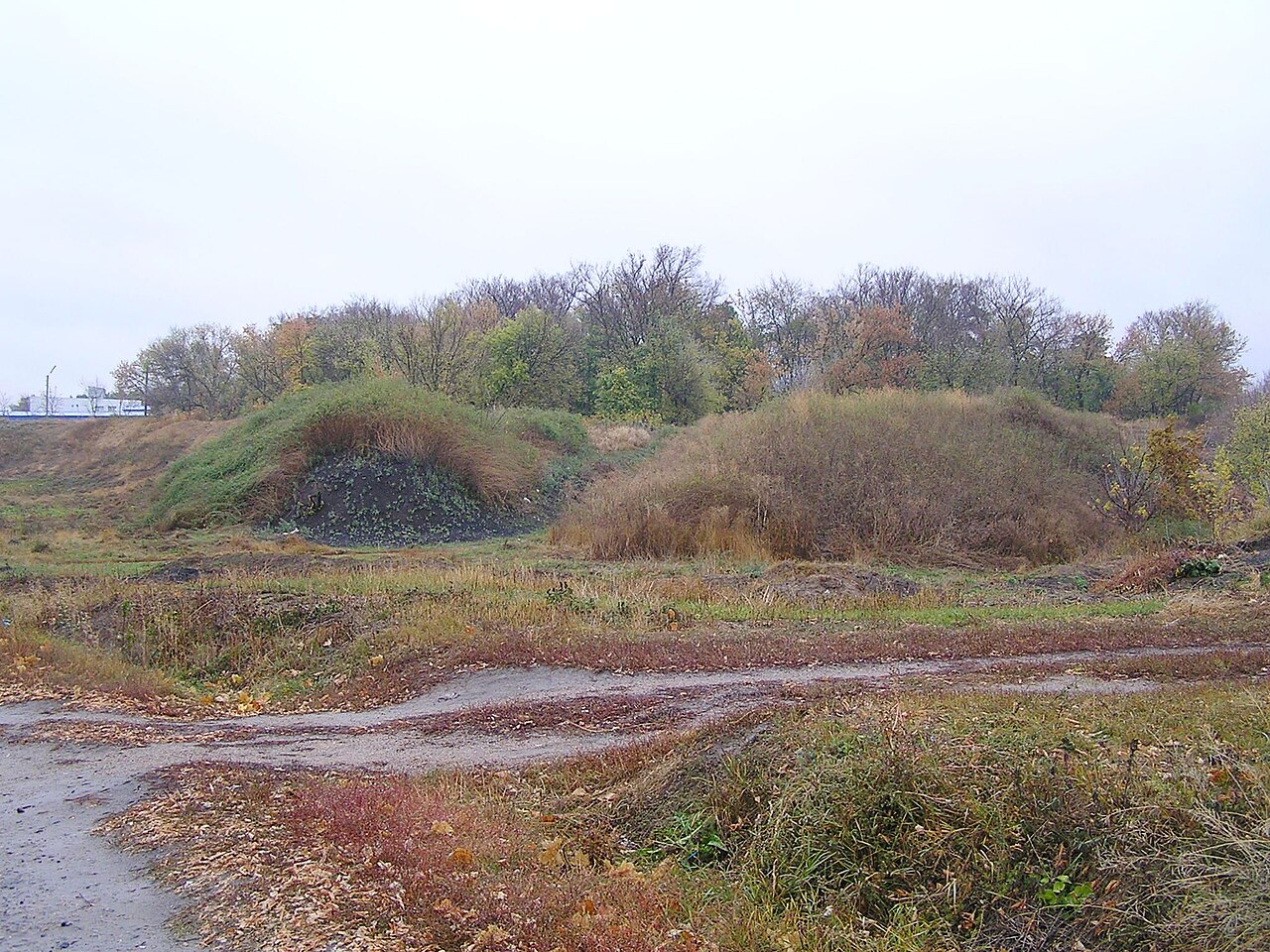
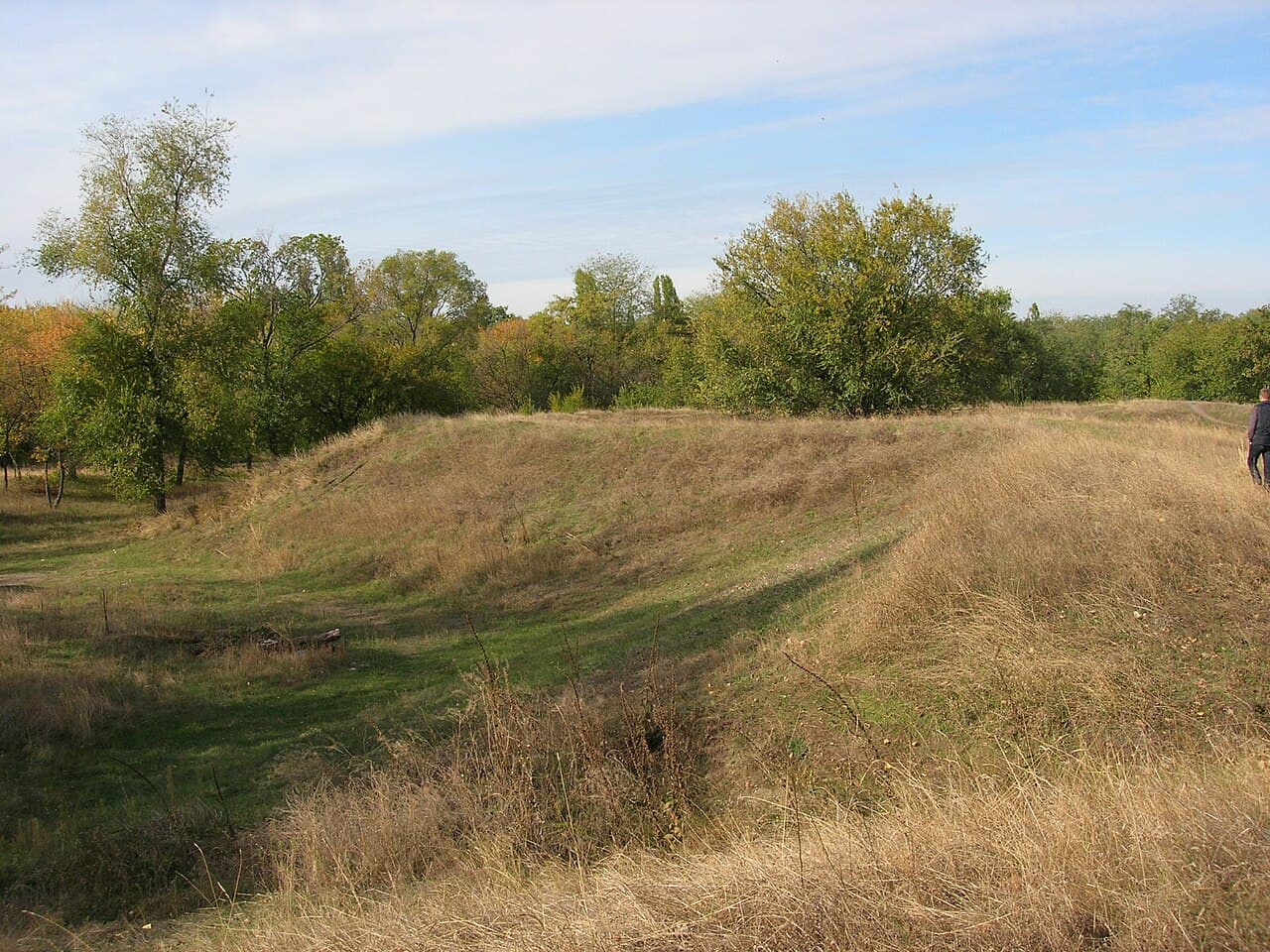
Over time, as military technology and political boundaries evolved, the fortress's strategic importance diminished. The site has undergone various changes, and while much of the original structure may not have survived intact, it remains a site of archaeological and historical interest.
Today, Novobohorodytska Fortress is recognized for its historical significance and as a representative example of Renaissance bastioned fortifications in Ukraine. The fortress's remnants provide valuable insights into the military architecture and regional history of the 17th century.
Preservation efforts focus on maintaining the site as an archaeological site and cultural heritage landmark, attracting historians, archaeologists, and visitors interested in the military and Cossack history of Eastern Europe.
Legacy and cultural importance
Novobohorodytska Fortress embodies the complex history of the Cossack Hetmanate and the turbulent geopolitical struggles of Eastern Europe in the early modern era. It reflects the adaptation of Renaissance military architecture to the specific needs of frontier defense in Ukraine.
The fortress also serves as a reminder of the Cossack communities' resilience and their role in shaping regional identities. Its location on the site of the former Cossack town of Samar connects it to a broader narrative of settlement, conflict, and cultural exchange along the Samara River.
Frequently asked questions (FAQ)
- What is the historical significance of Novobohorodytska Fortress?
- Novobohorodytska Fortress is a notable historical site in Ukraine, known for its strategic military importance during various conflicts. Built in the 17th century, it served as a defensive fortification against invasions and showcases the architectural styles of that era.
- When was Novobohorodytska Fortress built?
- The construction of Novobohorodytska Fortress began in the late 1600s and was completed in the early 1700s. This period marked a time of significant military construction in Ukraine, reflecting the need for fortified structures to protect against external threats.
- Can I visit Novobohorodytska Fortress?
- Yes, visitors are welcome to explore Novobohorodytska Fortress. The site offers guided tours that provide insights into its rich history and architecture, allowing guests to fully appreciate its significance.
- What are the opening hours of Novobohorodytska Fortress?
- Novobohorodytska Fortress is typically open to visitors from 10 AM to 5 PM, Wednesday through Sunday. It's recommended to check the official website or contact local tourism offices for any seasonal changes in hours.
- Is it possible to access Novobohorodytska Fortress via public transportation?
- Yes, Novobohorodytska Fortress is accessible by public transportation from nearby cities. Local buses and trains can take you to the nearest town, from which you may need to walk or take a taxi to reach the fortress.
- What is the best time to visit Novobohorodytska Fortress?
- The best time to visit Novobohorodytska Fortress is during the spring and early autumn months when the weather is mild and conducive for outdoor exploration. Visiting during these seasons also allows you to enjoy the natural beauty surrounding the fortress.
- Are there any nearby attractions to explore after visiting the fortress?
- Yes, there are several nearby attractions, including historical villages and parks that offer a glimpse into Ukrainian culture and history. Additionally, local museums and scenic nature trails can enhance your visit to the area.
- What are the ticket prices for visiting Novobohorodytska Fortress?
- Ticket prices for Novobohorodytska Fortress are generally affordable, making it accessible to a wide range of visitors. Discounts may be available for students, seniors, and groups, so it’s best to inquire at the entrance for the most current pricing.
Photo gallery

Information
Loading map...
Visitor reviews
No reviews yet. Been here? Write the first review and help other travelers!
Write the first reviewVisited this castle? Share your experience
Your review helps other travelers and adds first-hand knowledge to our encyclopedia.