Ponda Fort is situated near the town of Ponda in the Indian state of Goa, along the country's west coast. This fortification originally served as a strategic bastioned fortress, a type of fortification characterized by angular bastions designed to improve defensive capabilities against artillery fire. Although the present-day structure is a modern reconstruction, the site holds significant historical importance in the region.
Historical background and strategic importance
The original Ponda Fort was constructed using traditional materials such as stone and mud, typical of fortifications built in this region during earlier centuries. Its location near Ponda was strategically chosen to control movement and defend the hinterlands of Goa, especially during periods of conflict involving regional powers and European colonial forces. The fort played a role in the military history of Goa, which was a contested territory between the Portuguese and local rulers.
Architectural features of the original fort
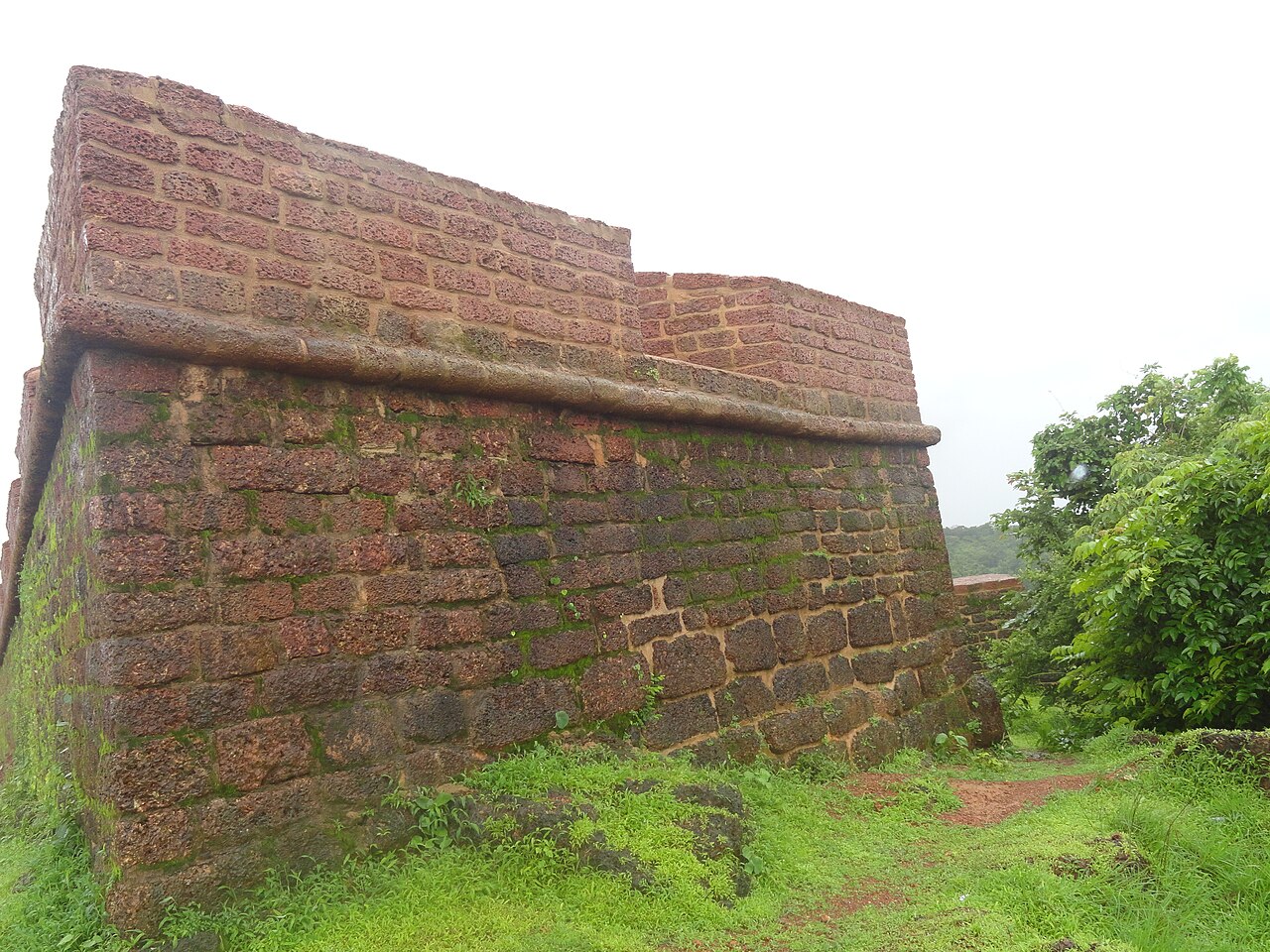
The fort was designed as a bastioned fortress, a style that emerged in the late medieval to early modern period, characterized by projecting bastions at the corners of the walls. These bastions allowed defenders to cover adjacent walls with gunfire, reducing blind spots and increasing the fort's defensibility. Constructed primarily from stone and mud, the fort's walls were originally left bare without plaster or paint, reflecting the utilitarian nature of the structure.
Defensive structures
The fort's defensive system included thick walls reinforced with bastions, which were essential for withstanding sieges and artillery attacks. The walls were likely surrounded by a moat or natural barriers, common in Indian fortifications of the time, although specific details about these features at Ponda Fort are sparse. The fort's layout would have included gates, ramparts, and possibly internal chambers for troops and supplies.
Modern reconstruction and current condition
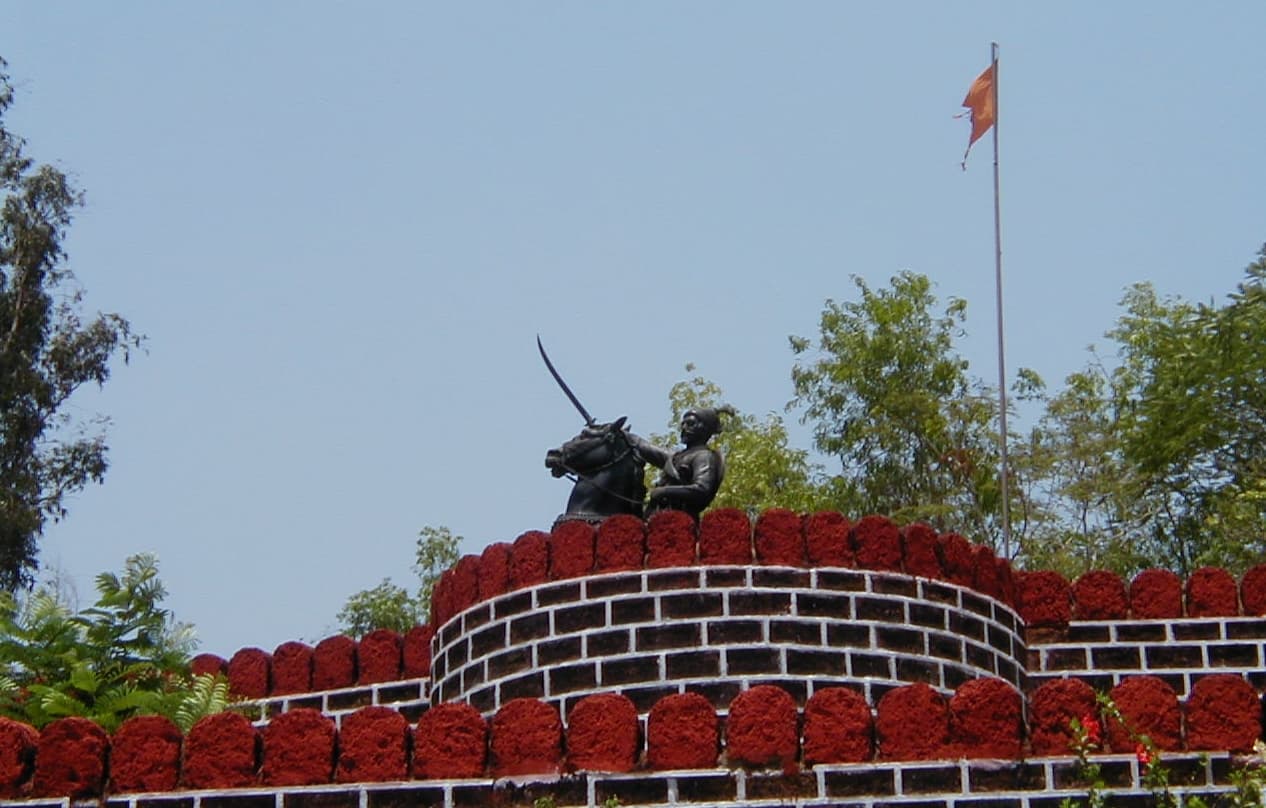
In recent decades, the original fort fell into disrepair. A renovation effort in 1977 used poor-quality materials, which contributed to structural weaknesses. By 2017, parts of the fort's lower walls had collapsed due to neglect and material degradation. Subsequently, the site was redeveloped into a park, featuring a modern reconstruction of the fort using a combination of stone, concrete, and plaster. This reconstructed fort is painted red, distinguishing it from the original bare stone and mud appearance.
Preservation challenges
The use of modern materials and the park conversion have altered the historical authenticity of the fort. While the reconstruction serves to commemorate the site's heritage and provide a public space, it does not fully replicate the original architectural techniques or materials. Preservation efforts continue to face challenges related to material durability and maintaining the balance between historical integrity and public accessibility.
Cultural and heritage significance
Ponda Fort remains a point of interest for visitors to Goa, offering insights into the region's military history and colonial past. Although the original structure no longer stands intact, the site symbolizes the defensive architecture of its era and the strategic importance of Goa in Indian and Portuguese history. The fort's conversion into a park allows for community engagement and tourism, contributing to the local cultural landscape.
Frequently asked questions (FAQ)
- What is the historical significance of Ponda Fort?
- Ponda Fort, built during the Maratha Empire in the 17th century, served as a strategic military stronghold. It played a crucial role in the defense against Portuguese colonial forces and is a testament to the architectural prowess of that era.
- When was Ponda Fort constructed?
- Ponda Fort was constructed in the year 1680 under the reign of Maratha king Shivaji. It stands as a symbol of the resistance against colonial powers in India.
- Can I visit Ponda Fort throughout the year?
- Yes, Ponda Fort is open to visitors year-round. However, the best time to visit is between October and February when the weather is pleasant and conducive for exploration.
- What are the opening hours for Ponda Fort?
- Ponda Fort is typically open from 9 AM to 5 PM daily. It’s advisable to check local listings or contact the site before your visit for any changes in timings.
- Is it possible to access Ponda Fort by public transportation?
- Yes, Ponda Fort is accessible by public transportation, including buses and auto-rickshaws from nearby towns. Local taxi services are also available for a more convenient travel option.
- What are the ticket prices for entering Ponda Fort?
- Entrance to Ponda Fort is generally free of charge, making it an affordable destination for history enthusiasts. However, there may be nominal fees for guided tours or special events.
- What nearby attractions can I visit while at Ponda Fort?
- While visiting Ponda Fort, you can explore the nearby Shri Chandramouleshwara Temple and the lush landscapes of the Western Ghats. Additionally, the town of Ponda itself offers various cultural experiences and local markets.
- Why is the architecture of Ponda Fort significant?
- The architecture of Ponda Fort showcases the military design typical of Maratha forts, featuring robust walls and strategic placements for defense. Its construction reflects the innovative techniques used in fortification during the 17th century, making it an important study for architecture enthusiasts.
Photo gallery

Information
Loading map...
Visitor reviews
No reviews yet. Been here? Write the first review and help other travelers!
Write the first reviewVisited this castle? Share your experience
Your review helps other travelers and adds first-hand knowledge to our encyclopedia.